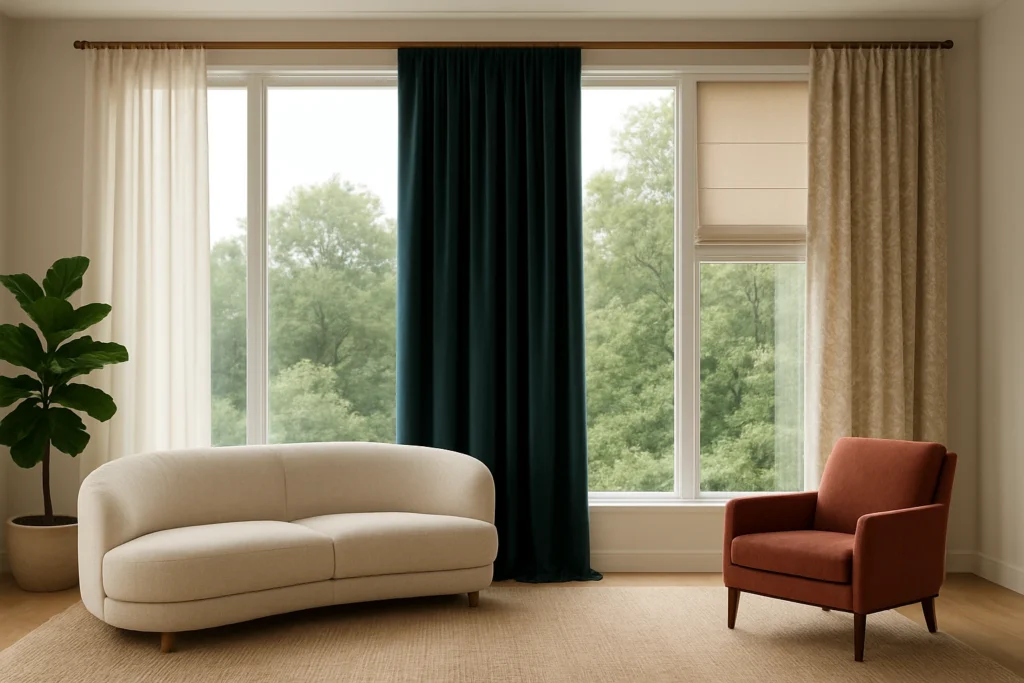
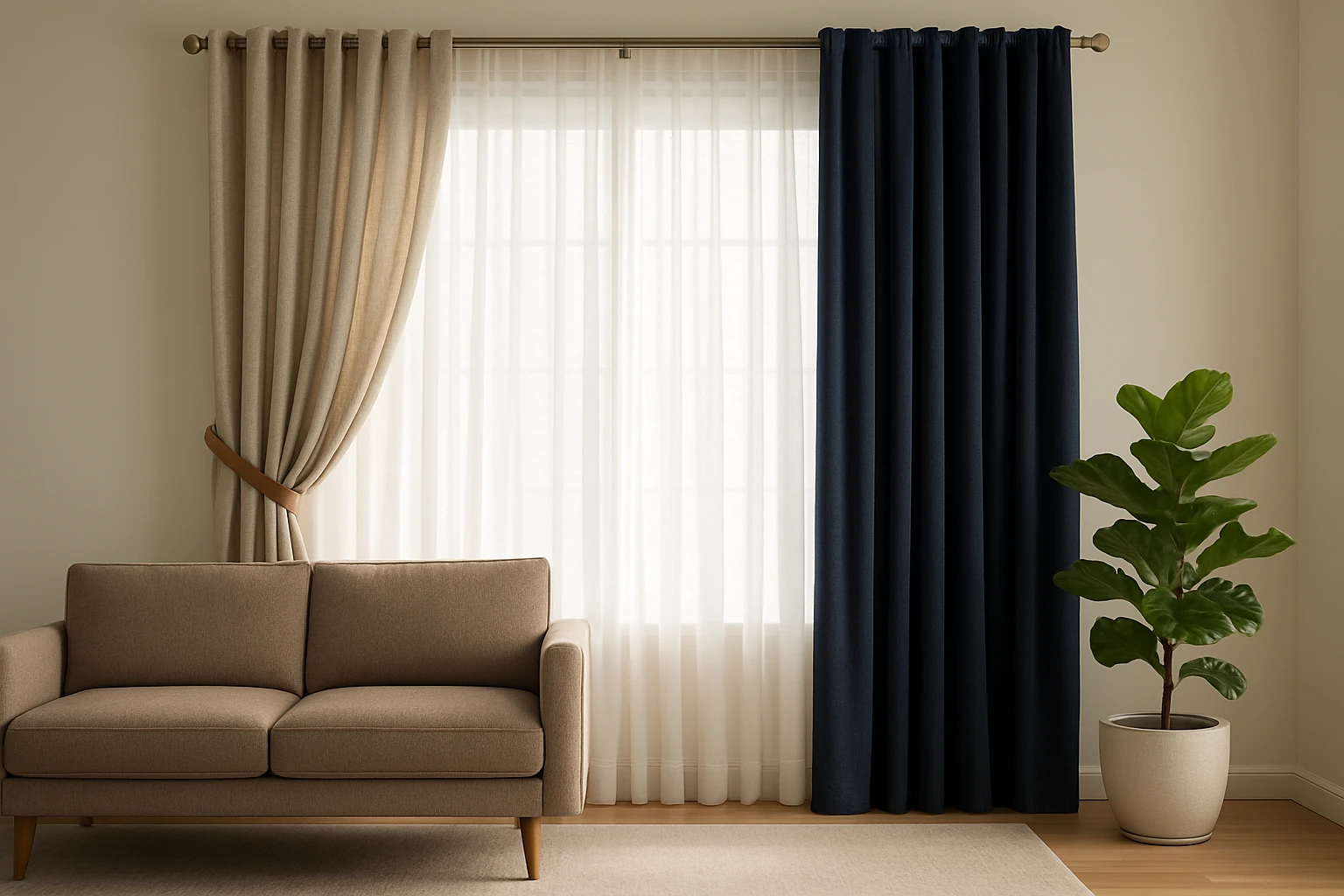
Twenty living room curtain ideas for 2026 favor layered fabrics, natural textures, and flexible hardware that work with both modern and classic interiors. Use sheer layers for soft light, heavier panels for privacy and insulation, and patterned or textured fabrics to add character while keeping proportions and measurements in mind.
20 Living Room Curtain Ideas Trending in 2026
Start by deciding what you want the curtains to do: let in more light, give more privacy, add insulation, or make a style statement. The ideas below show simple ways to mix fabric, length, and hardware so curtains feel planned and last longer.

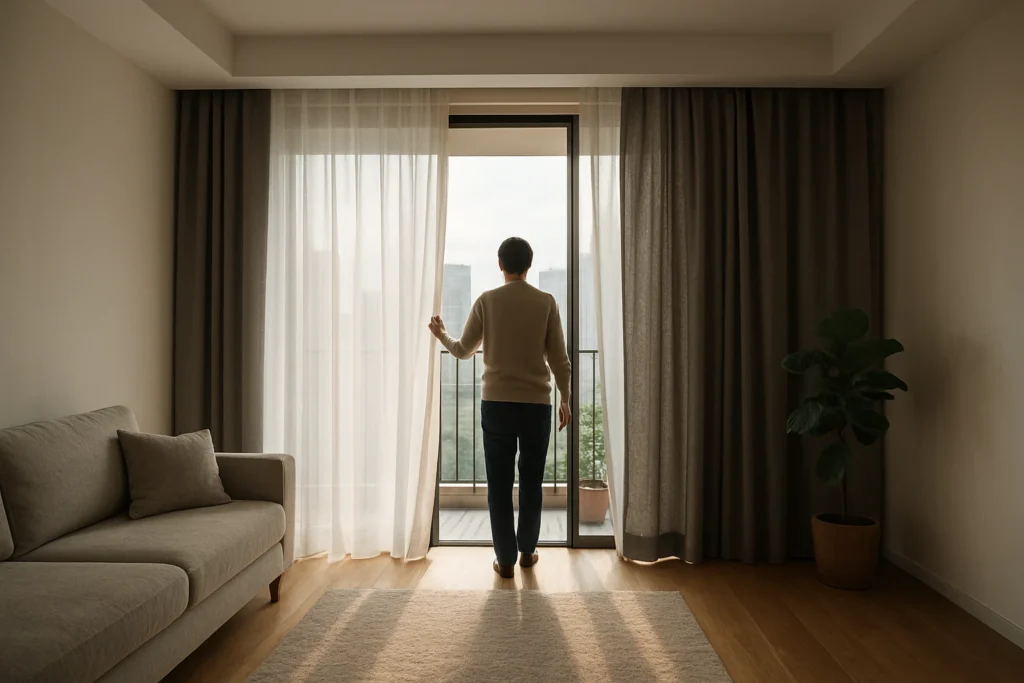
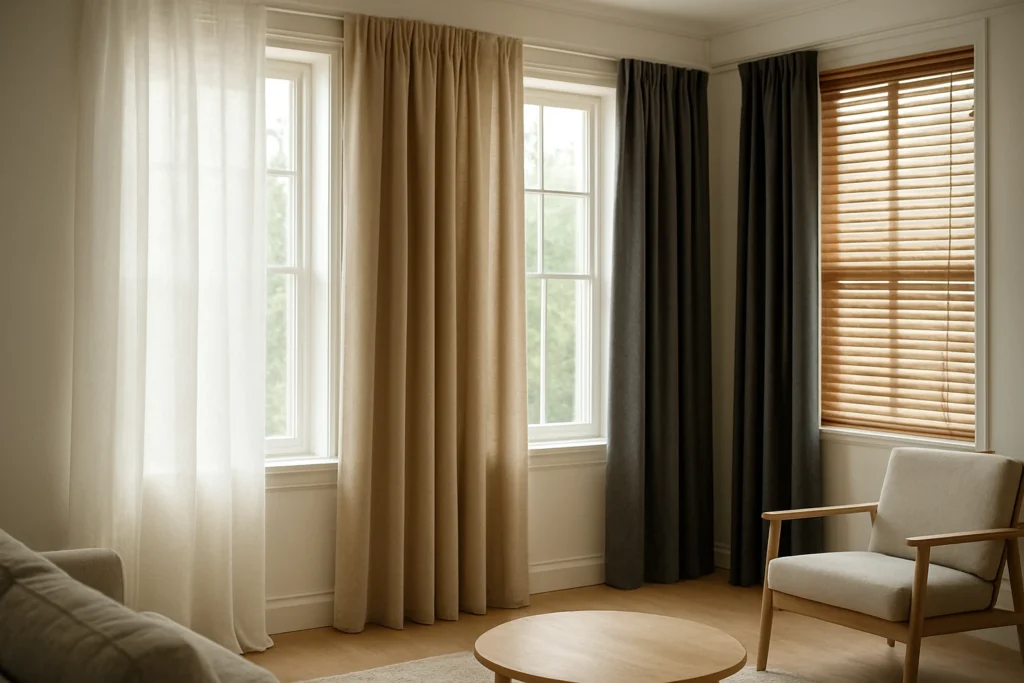
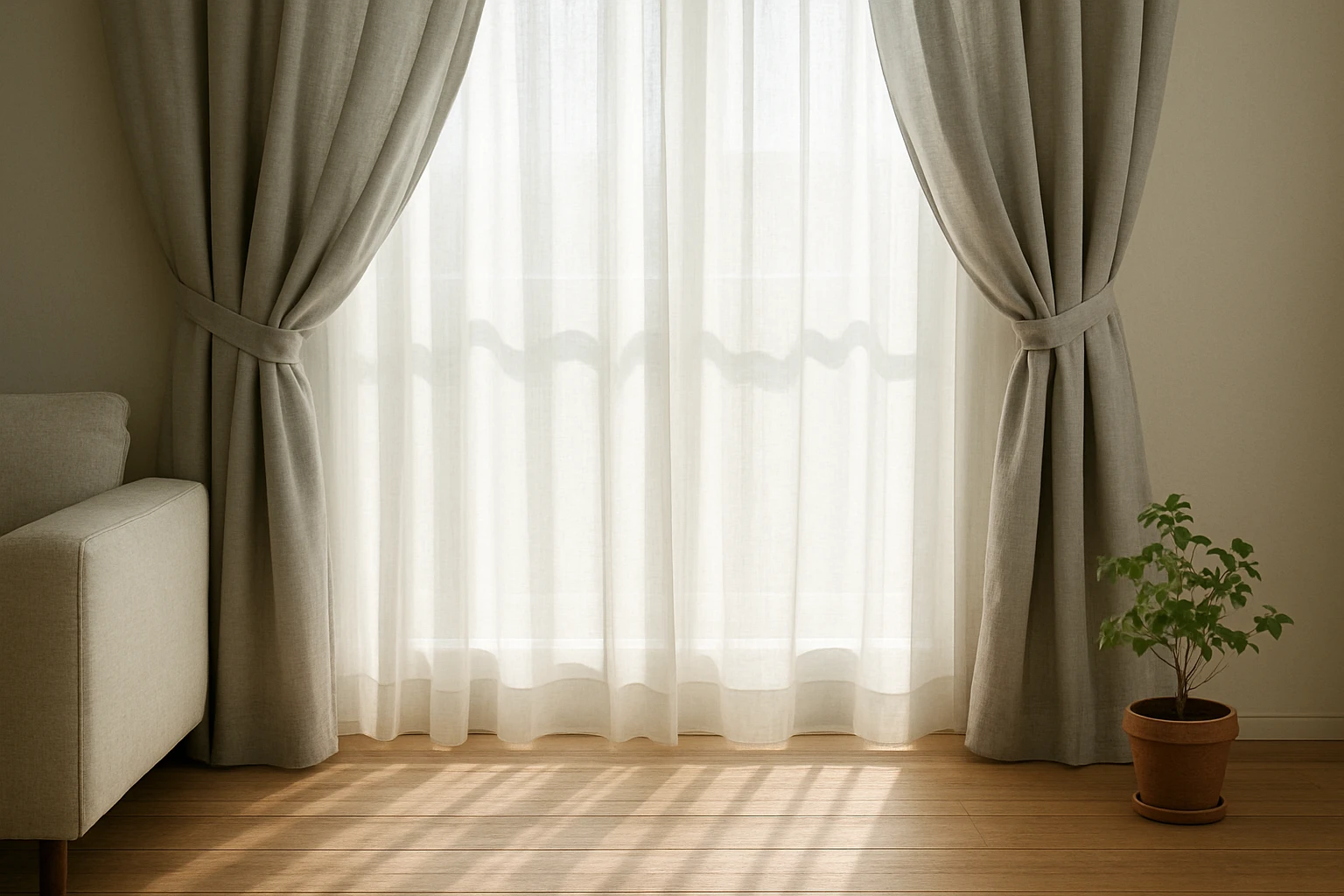
Sheer Layered Curtains for Soft Light
Sheer curtains make a living room feel light and open while cutting glare. Add heavier drapes at the sides so you can close them at night for privacy.
Why It Works:
Sheers scatter sunlight, softening shadows while keeping the room bright.
Best Fabrics:
Light linen, polyester voile, or cotton blends.
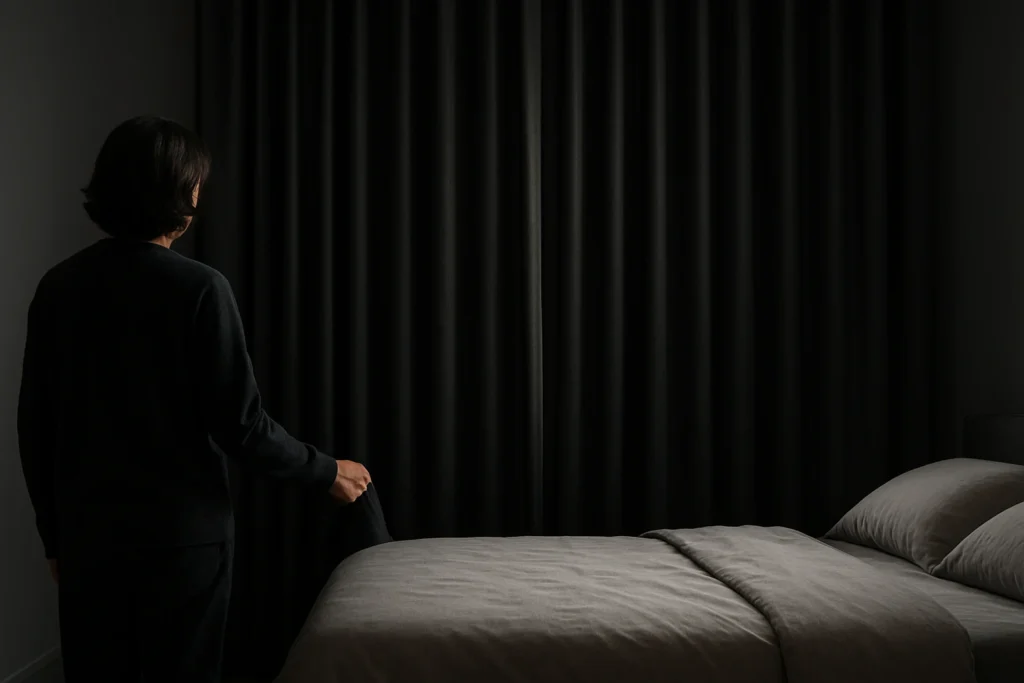
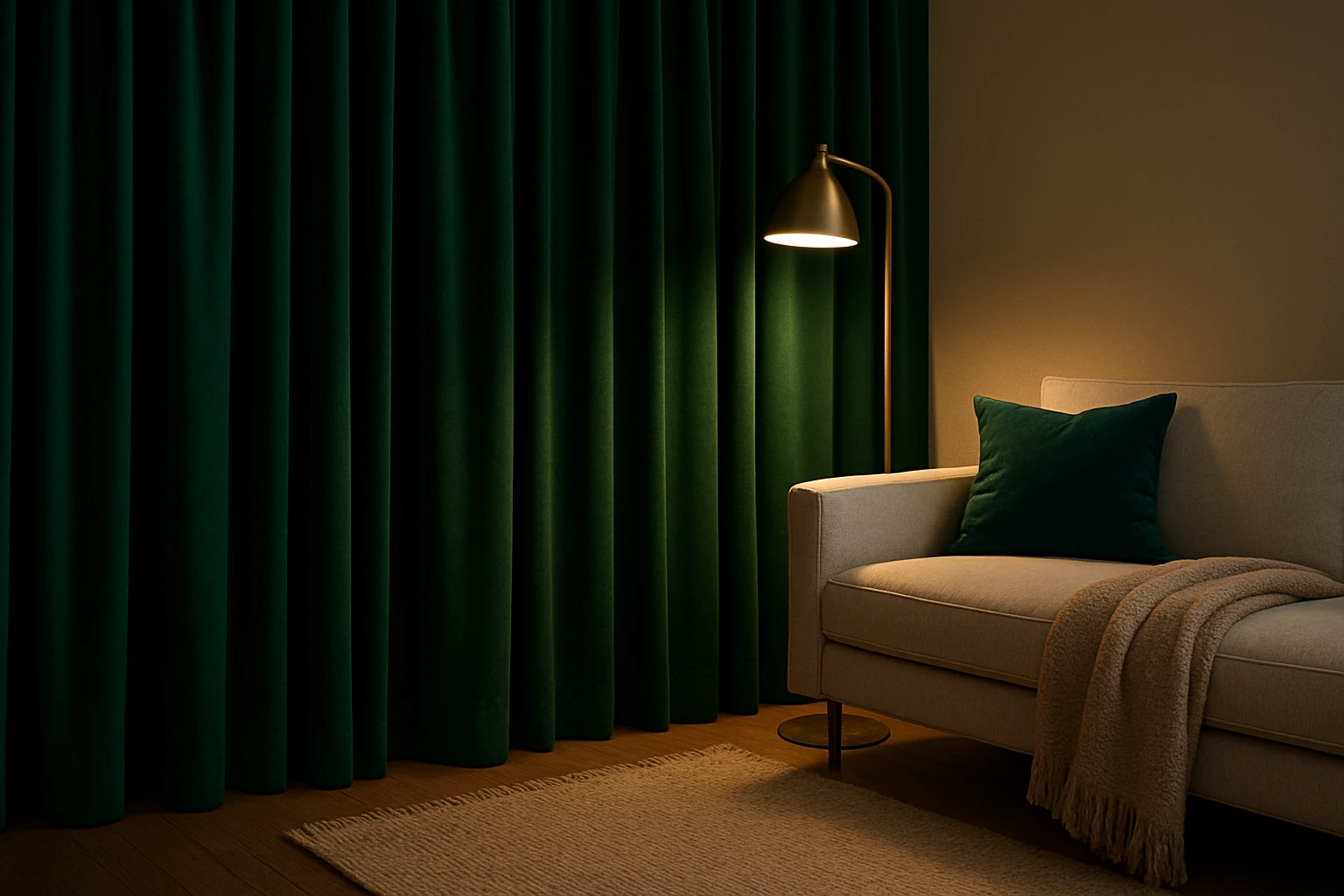
Velvet Blackout Curtains for Drama and Insulation
Velvet gives a rich look and true blackout performance. Pick jewel tones or deep neutrals to create a bold focal point.
Why It Works:
Velvet adds texture and weight, which helps cut heat loss through windows.
Best Fabrics:
Cotton velvet, polyester velvet blends, or heavy woven jacquard.
Linen Blend Panels for Natural Texture
Linen has a loose weave that brings a relaxed, tailored look. Blends reduce wrinkling while keeping the feel of linen.
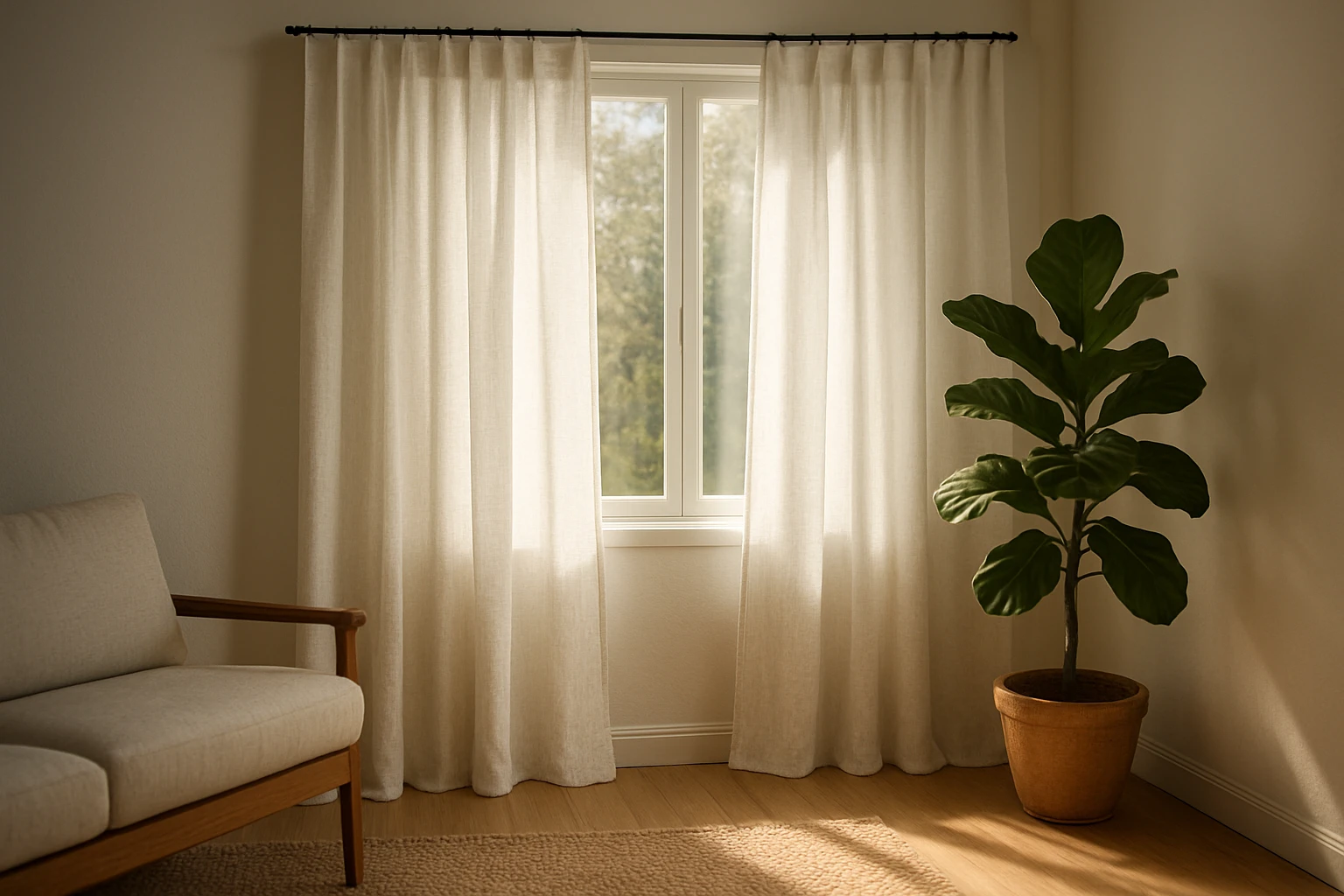
Why It Works:
The texture adds visual warmth and pairs well with wood and woven rugs.
Best Fabrics:
Linen-cotton blends and linen-rayon blends for easier care.
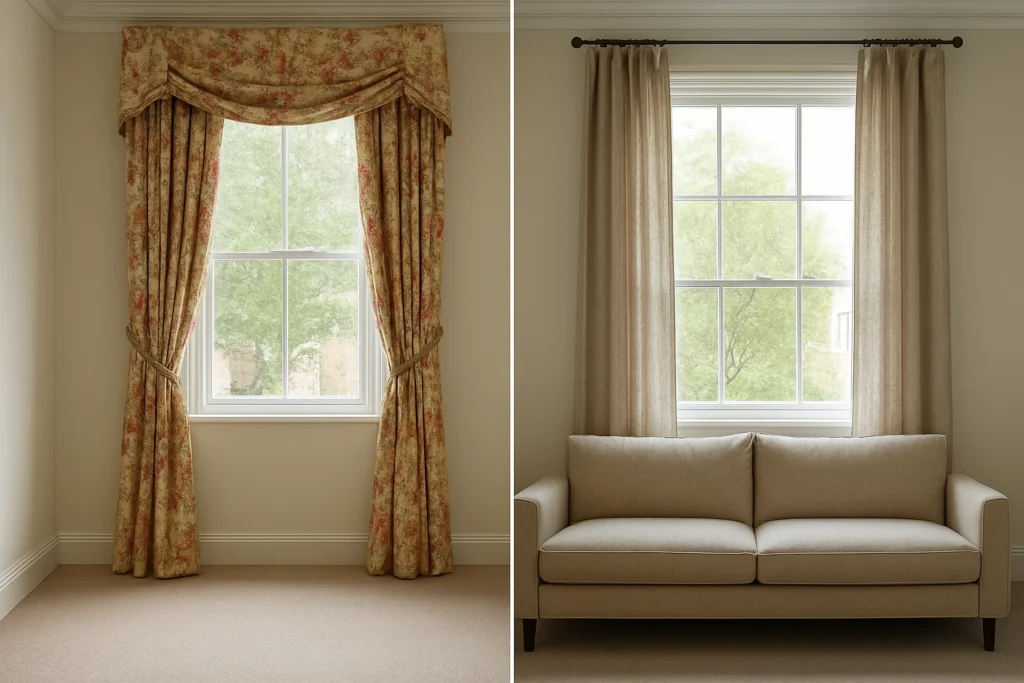
Patterned Drapes for Personality
Patterned curtains give a room personality without changing furniture. Match the pattern scale and color to the room size—small patterns suit small rooms.
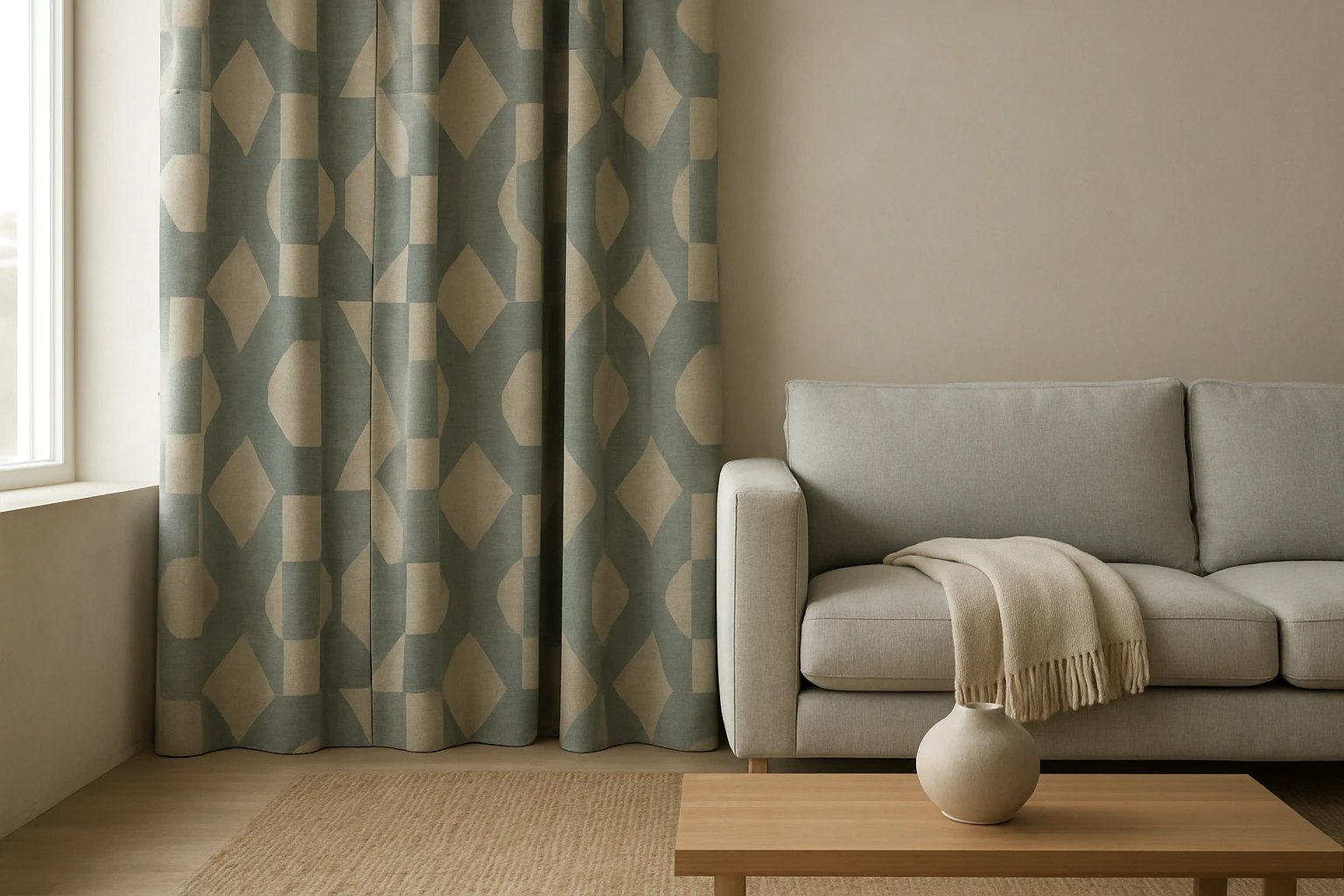
Why It Works:
Pattern adds interest to plain walls and hides light wear or stains over time.
Best Fabrics:
Midweight cotton, woven jacquard, or printed linen blends.
Grommet Top Curtains for a Clean Modern Look
Grommet tops slide easily and form clean vertical folds that make ceilings feel higher.
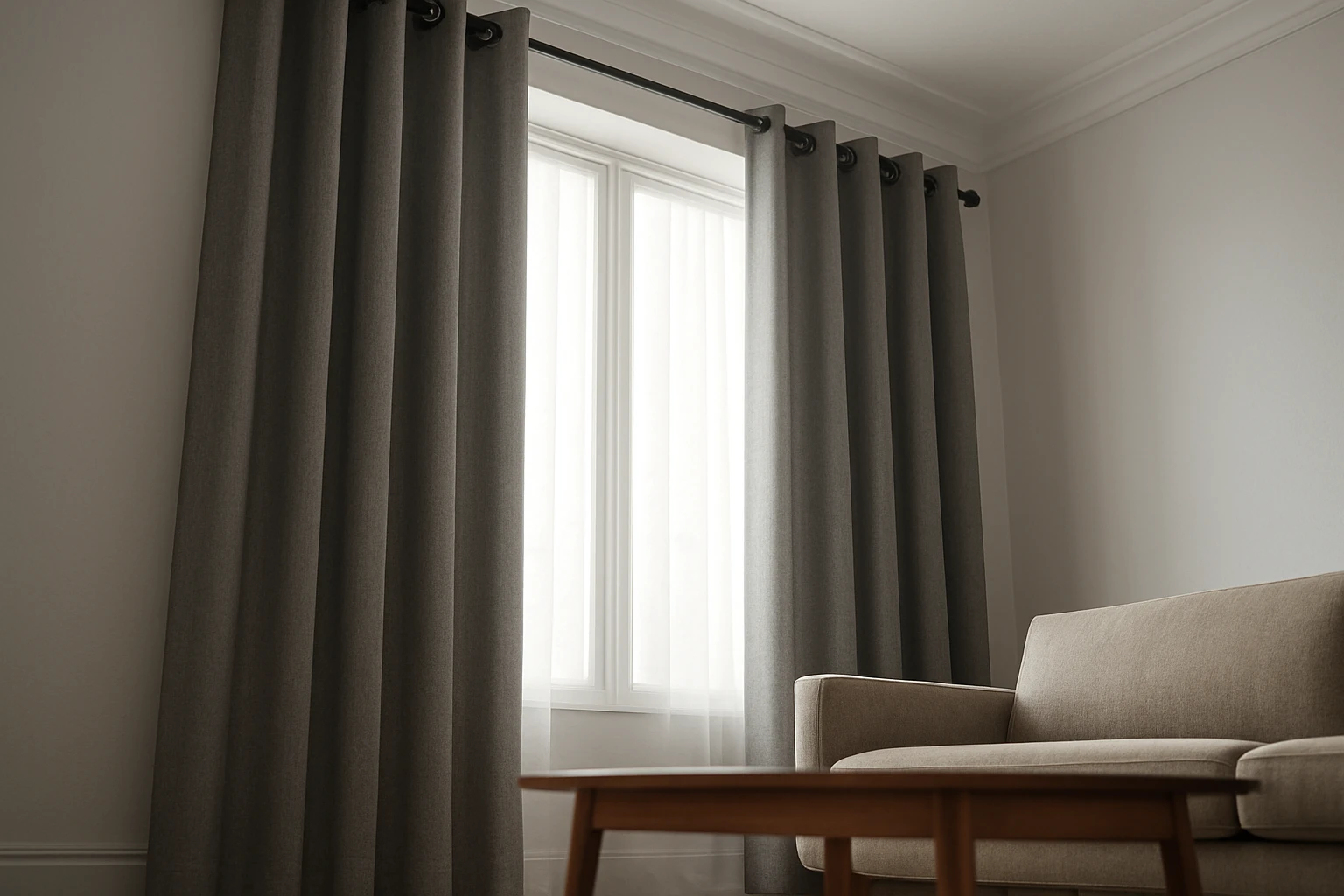
Why It Works:
The round openings create even folds and make opening and closing simple.
Best Fabrics:
Polyester blends, linen blends, and medium-weight cotton.
Pinch Pleat Drapes for Classic Formal Rooms
Pinch pleats give a neat, tailored look that fits formal living rooms. They hang evenly and look tidy when closed.
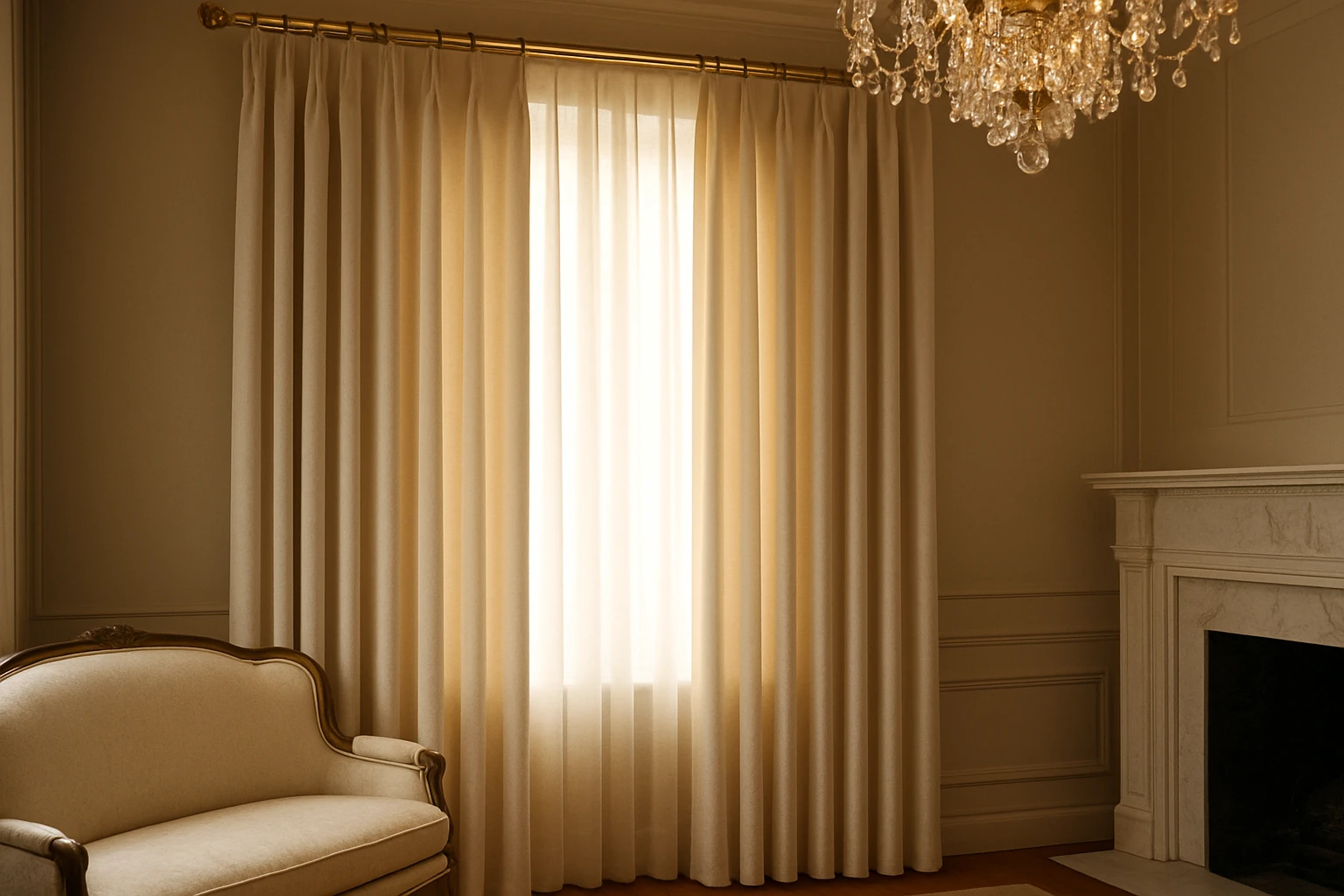
Why It Works:
Pleats control fullness and create a structured fall.
Best Fabrics:
Silk blends, heavy linen, and wool blends.
Floor-To-Ceiling Panels to Expand Height Visually
Mount the rod close to the ceiling and hang panels that touch the floor to make the room feel taller and more complete.
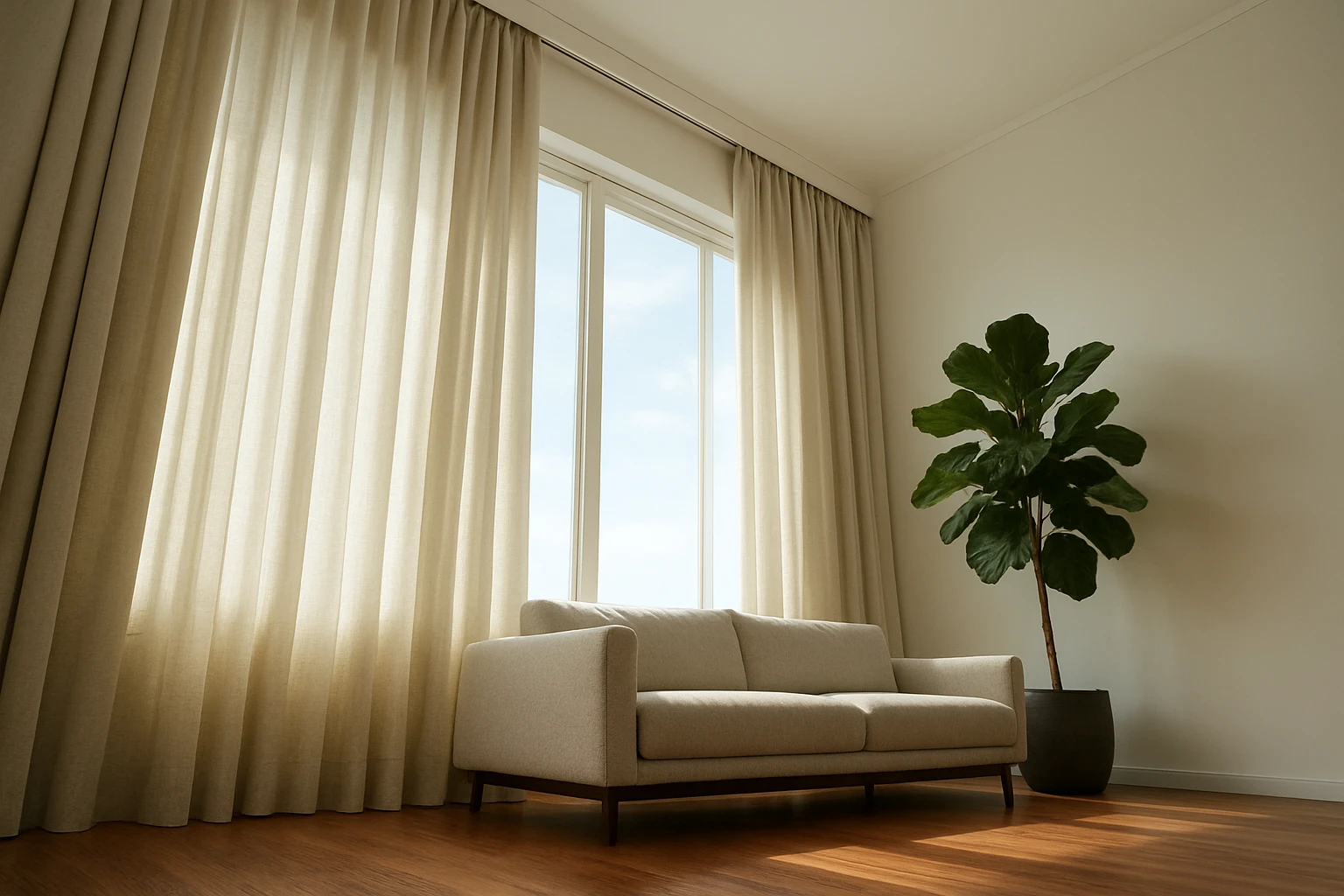
Why It Works:
Long lines draw the eye upward and make vertical space feel larger.
Best Fabrics:
Linen blends, cotton blends, and lightweight wool.
Two-Tone Curtains for Subtle Contrast
Two-tone curtains pair a darker lower section with a lighter top to ground the room while keeping brightness near the ceiling.
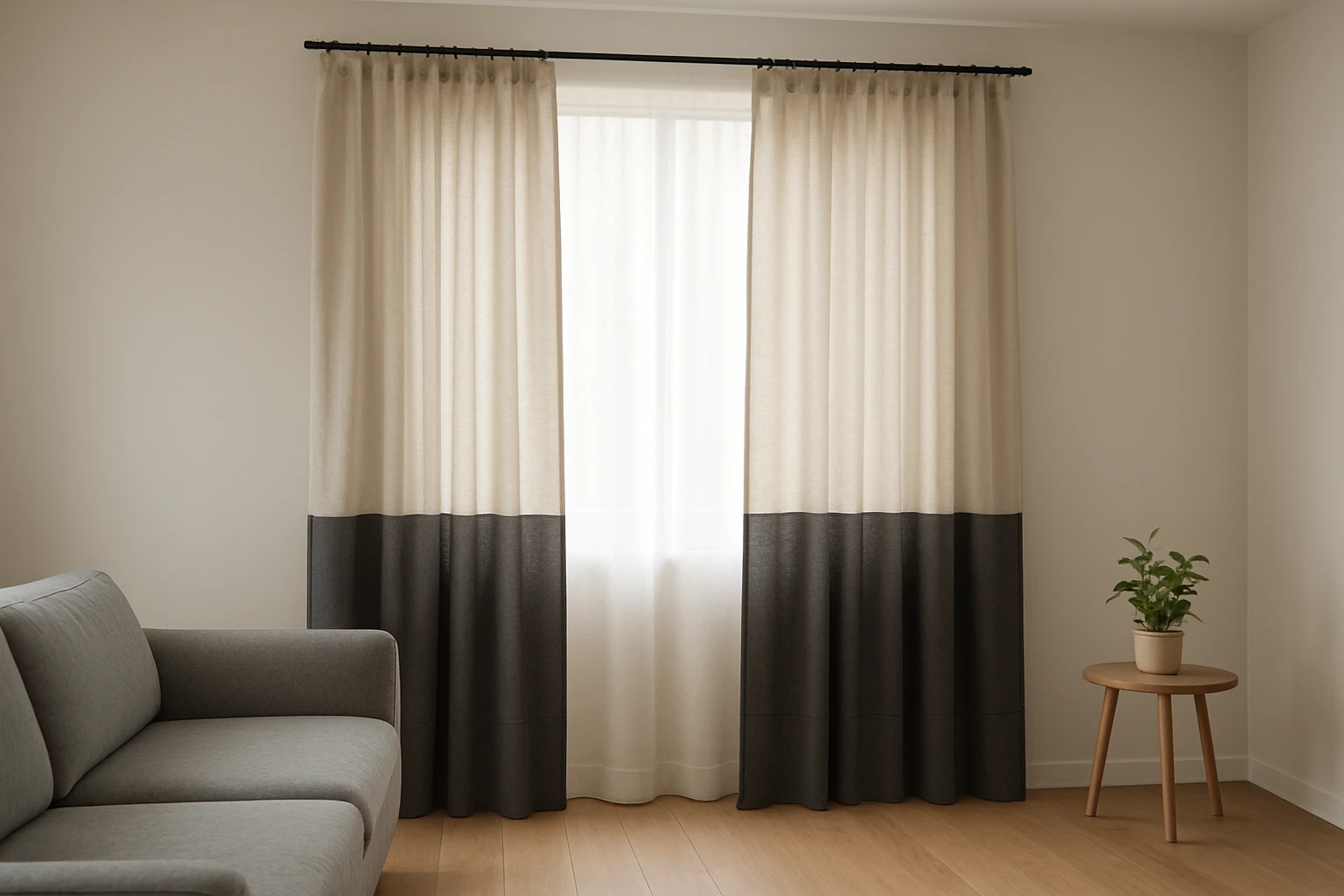
Why It Works:
It balances light and weight visually without busy patterns.
Best Fabrics:
Woven blends and colorblocked linen.
Tab Top Curtains for Casual Rooms
Tab tops are relaxed and easy to sew, which makes them a good DIY pick for a casual living room.
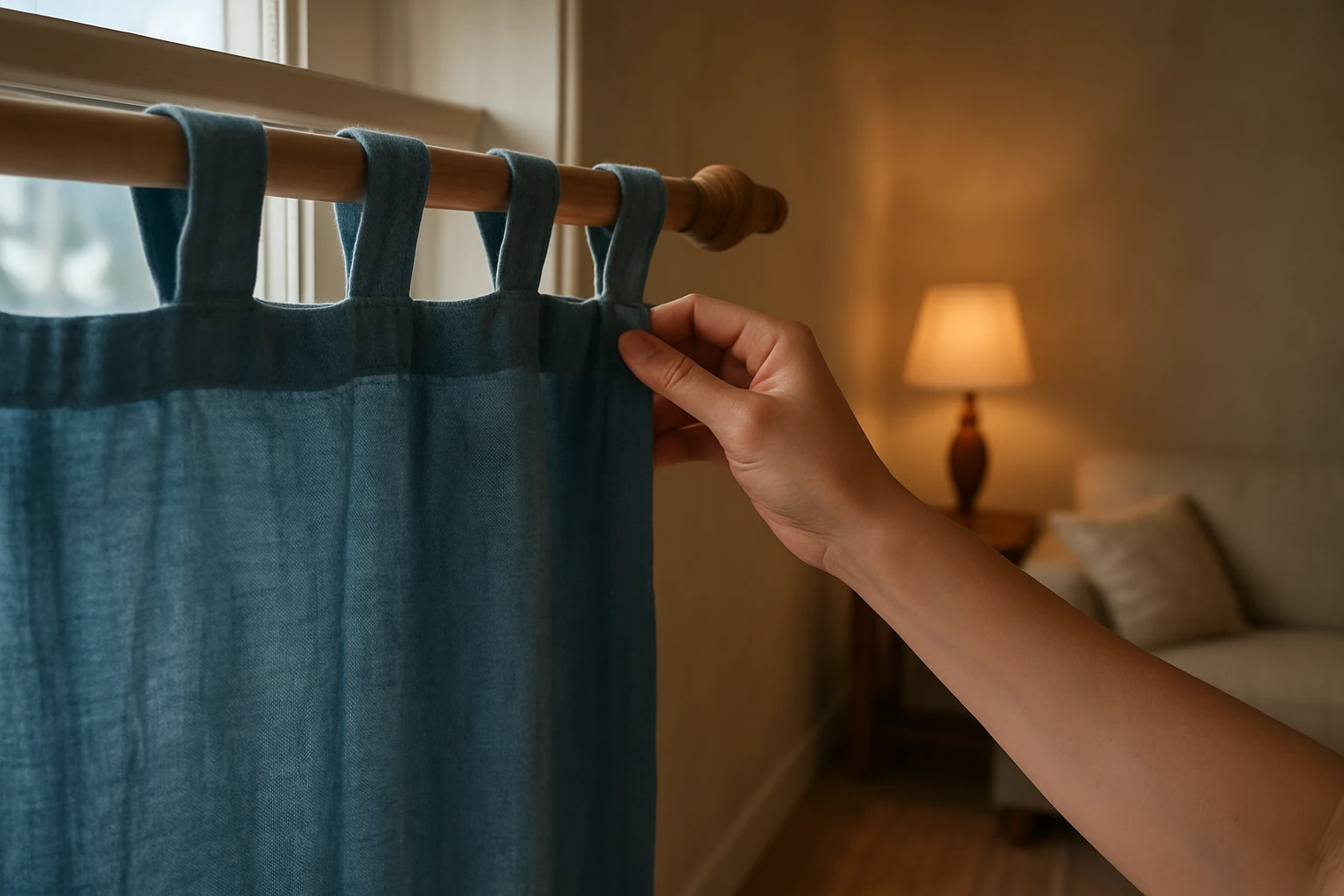
Why It Works:
Tabs sit over the rod for a friendly, informal look and are easy to care for.
Best Fabrics:
Cotton, linen blends, and chambray.
Printed Sheers for Light Pattern Without Weight
Printed sheers give pattern while keeping light flow, so small rooms still feel airy.
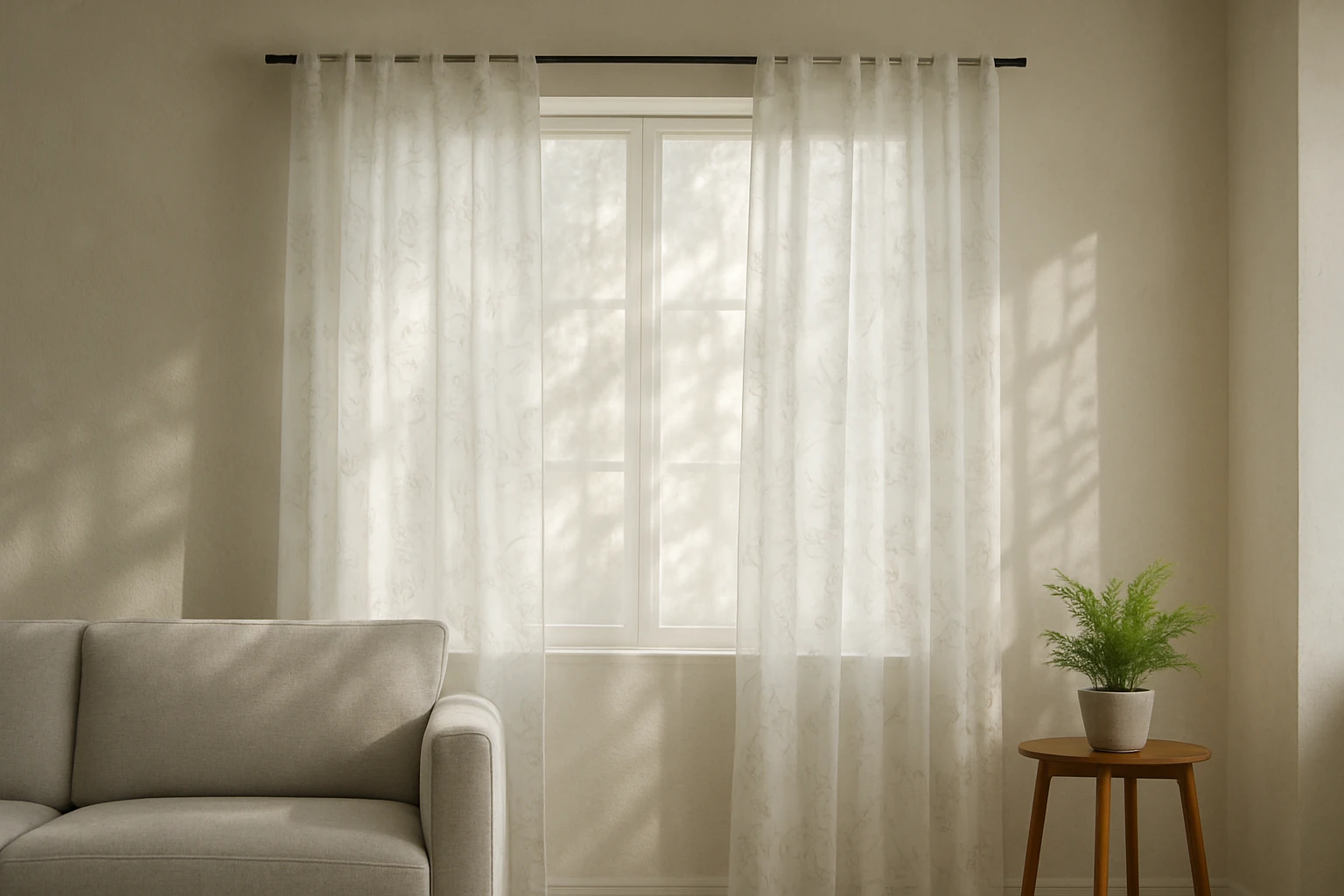
Why It Works:
You get pattern and privacy without adding heavy visual weight.
Best Fabrics:
Voile, polyester sheers, or blended voile with printed motifs.
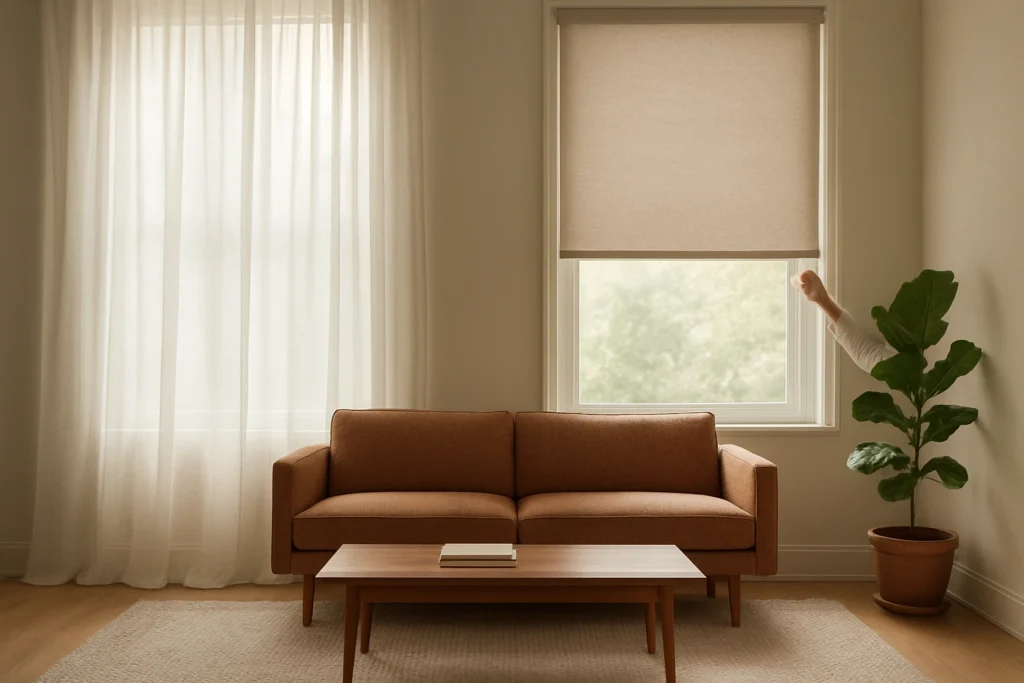
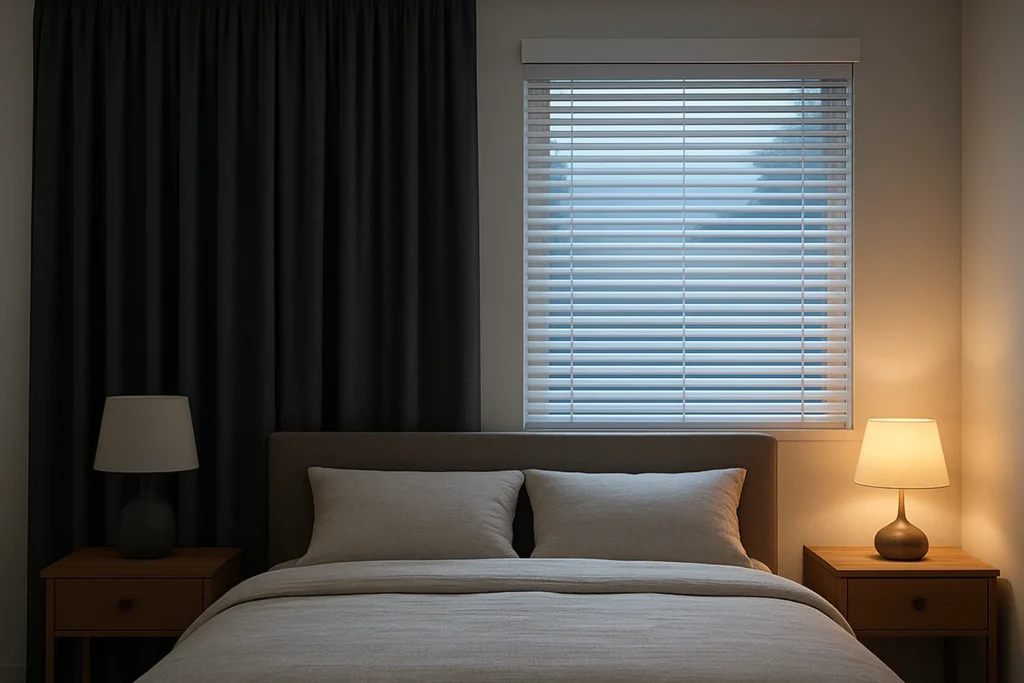
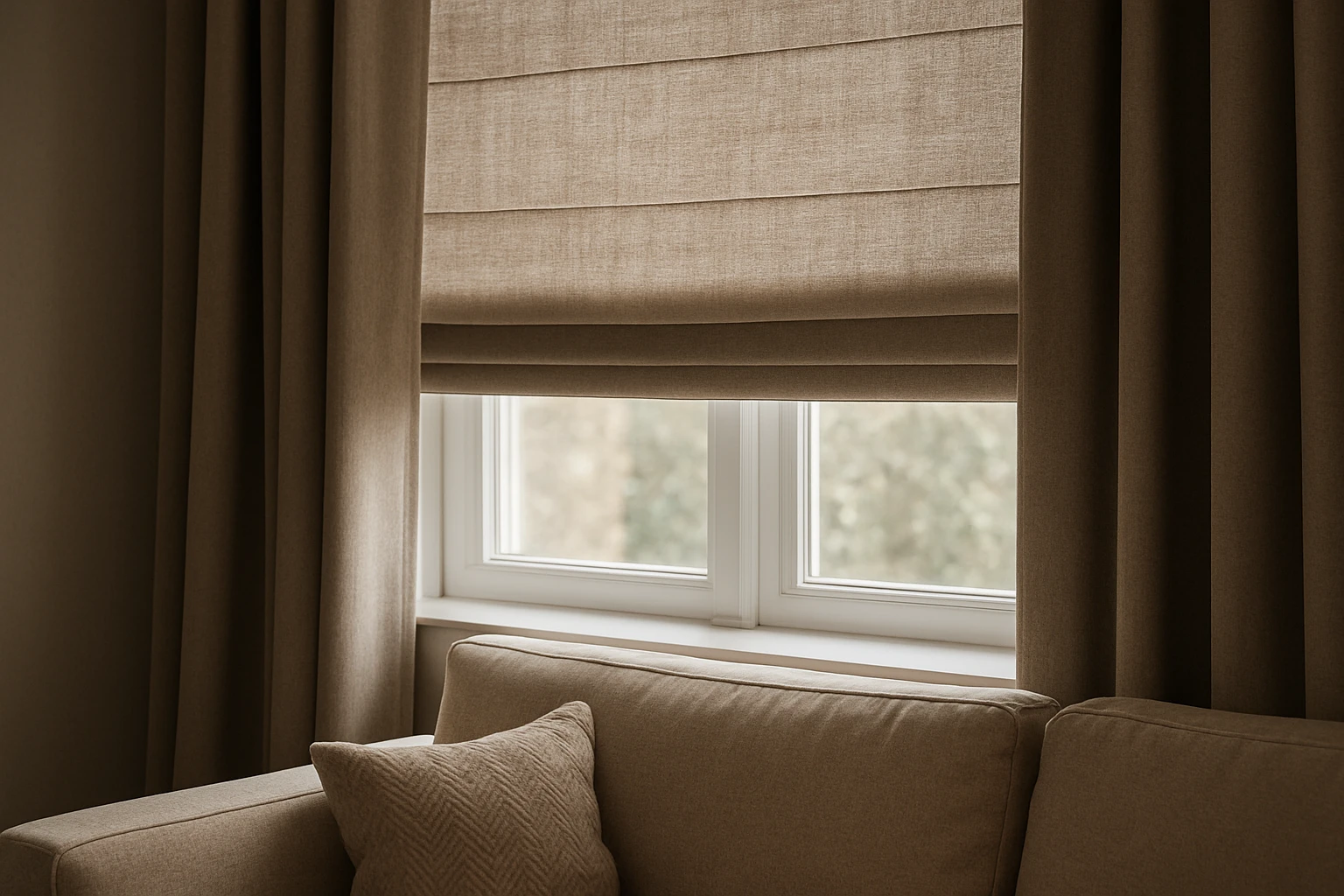
Roman Shades Combined with Side Panels for Texture
Roman shades give clean lines when raised and a neat look when lowered. Add side panels for softness and frame the window.
Why It Works:
Shades control light precisely and side panels make the window feel finished.
Best Fabrics:
Woven cotton for shades, heavier linen for panels.
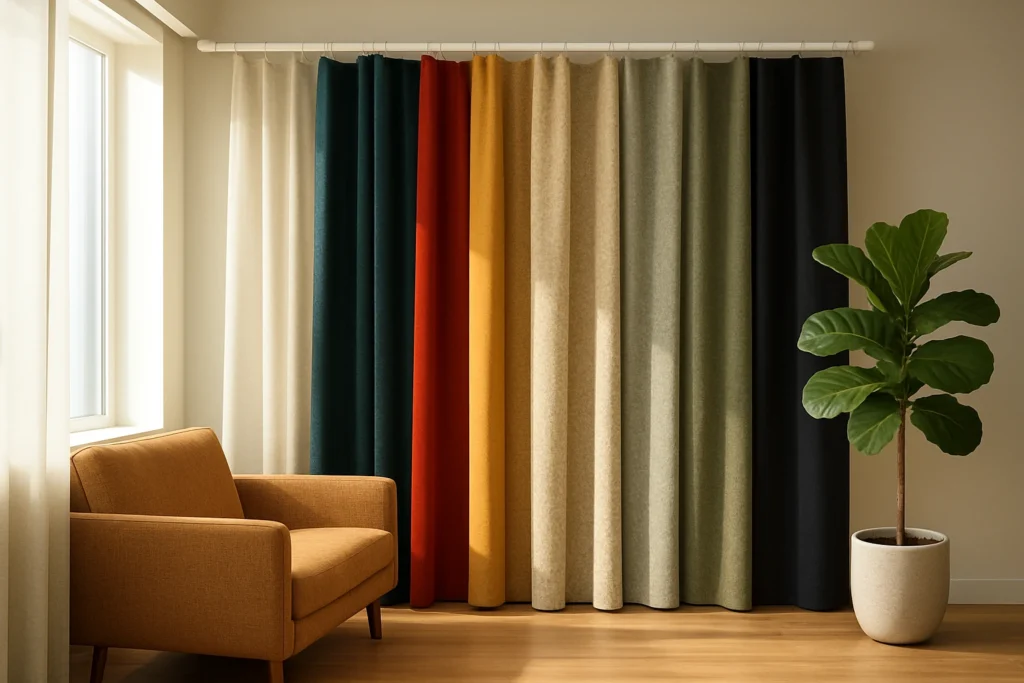
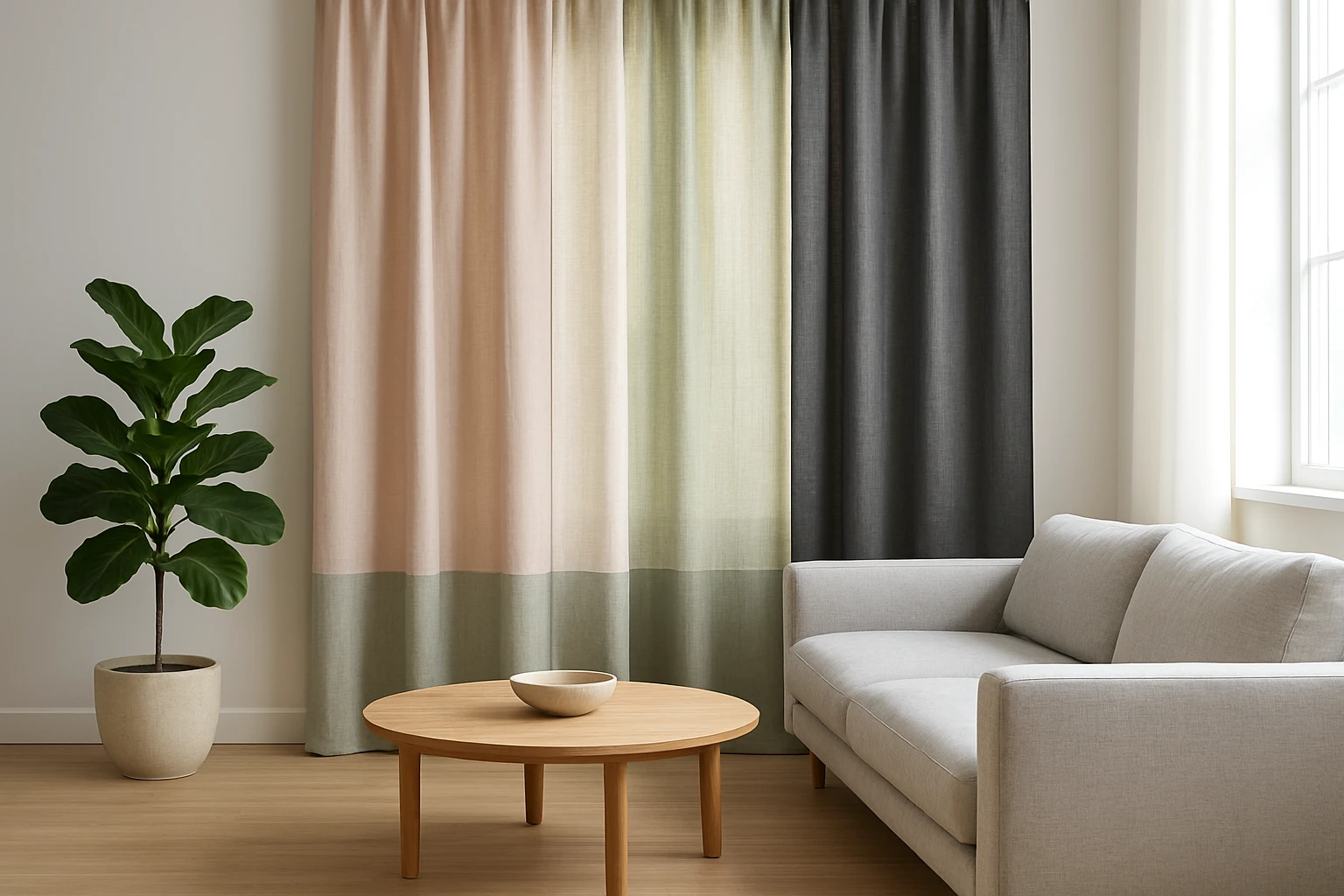
Color-Blocked Curtains for Graphic Impact
Use wide color blocks for bold geometry without busy repeats.
Why It Works:
Color blocking looks modern and keeps the treatment crisp.
Best Fabrics:
Medium-weight cotton and linen blends with stable dyes.
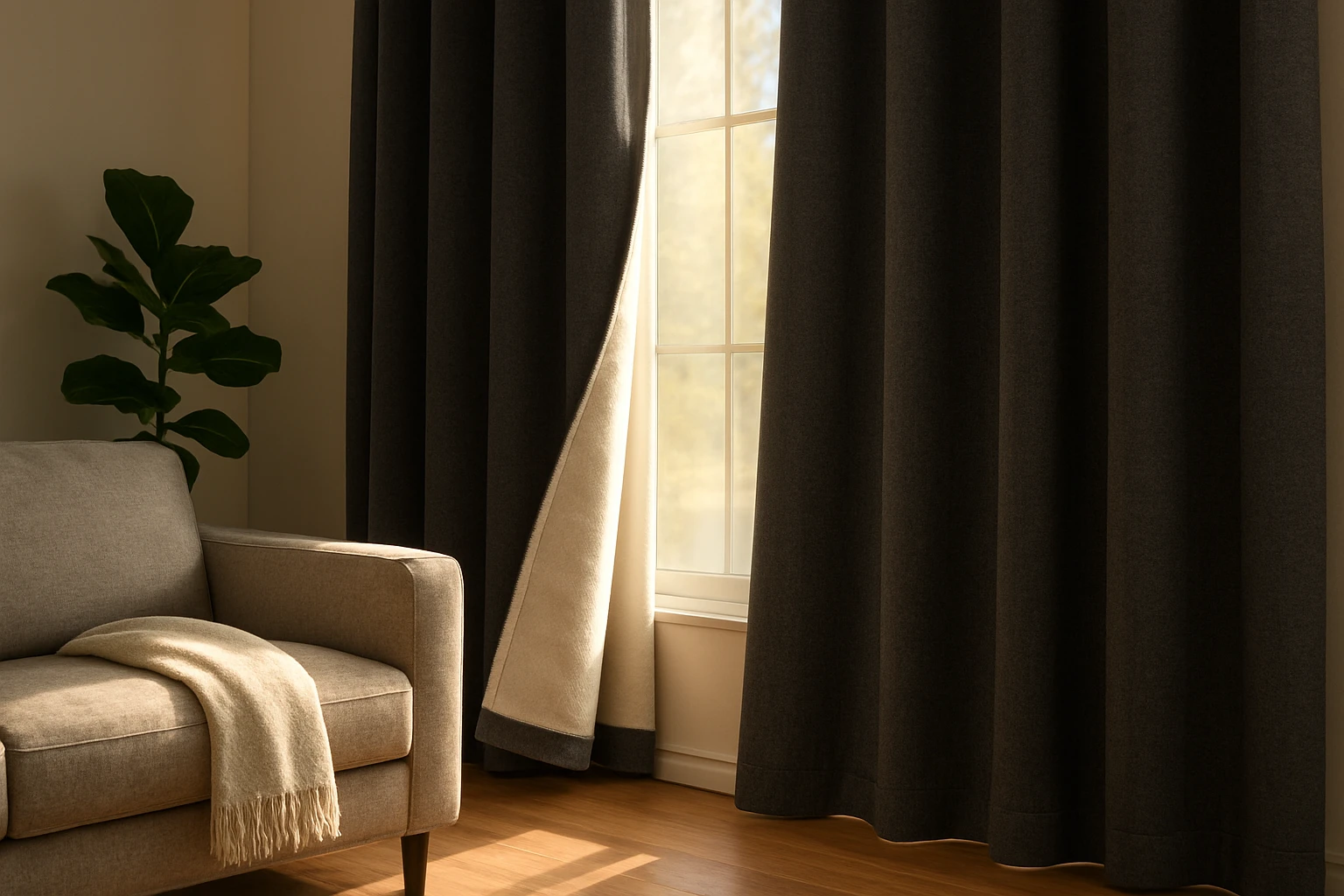
Thermal Curtains for Year Round Comfort
Thermal-backed curtains help keep heat in during winter and block heat in summer while still looking neat.
Why It Works:
The backing adds insulation, which cuts drafts and can lower energy use.
Best Fabrics:
Polyester with thermal foam backing or triple weave fabrics.
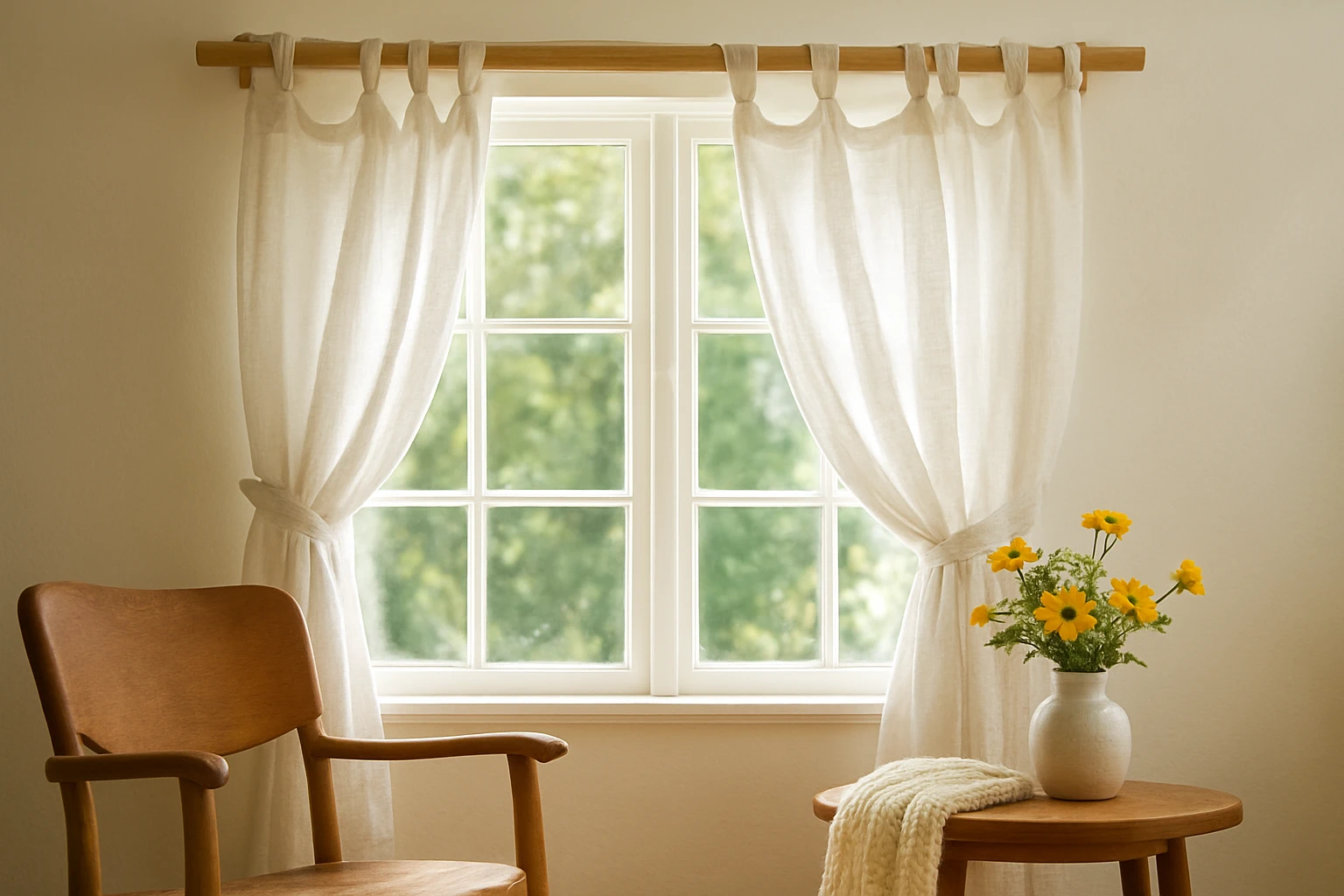
Tie-Top Curtains for Soft Cottage Style
Tie-top curtains show a bit of the rod and have a relaxed, handmade look that fits casual decor.
Why It Works:
They feel personal and are easy to swap by season.
Best Fabrics:
Lightweight cotton and linen blends.
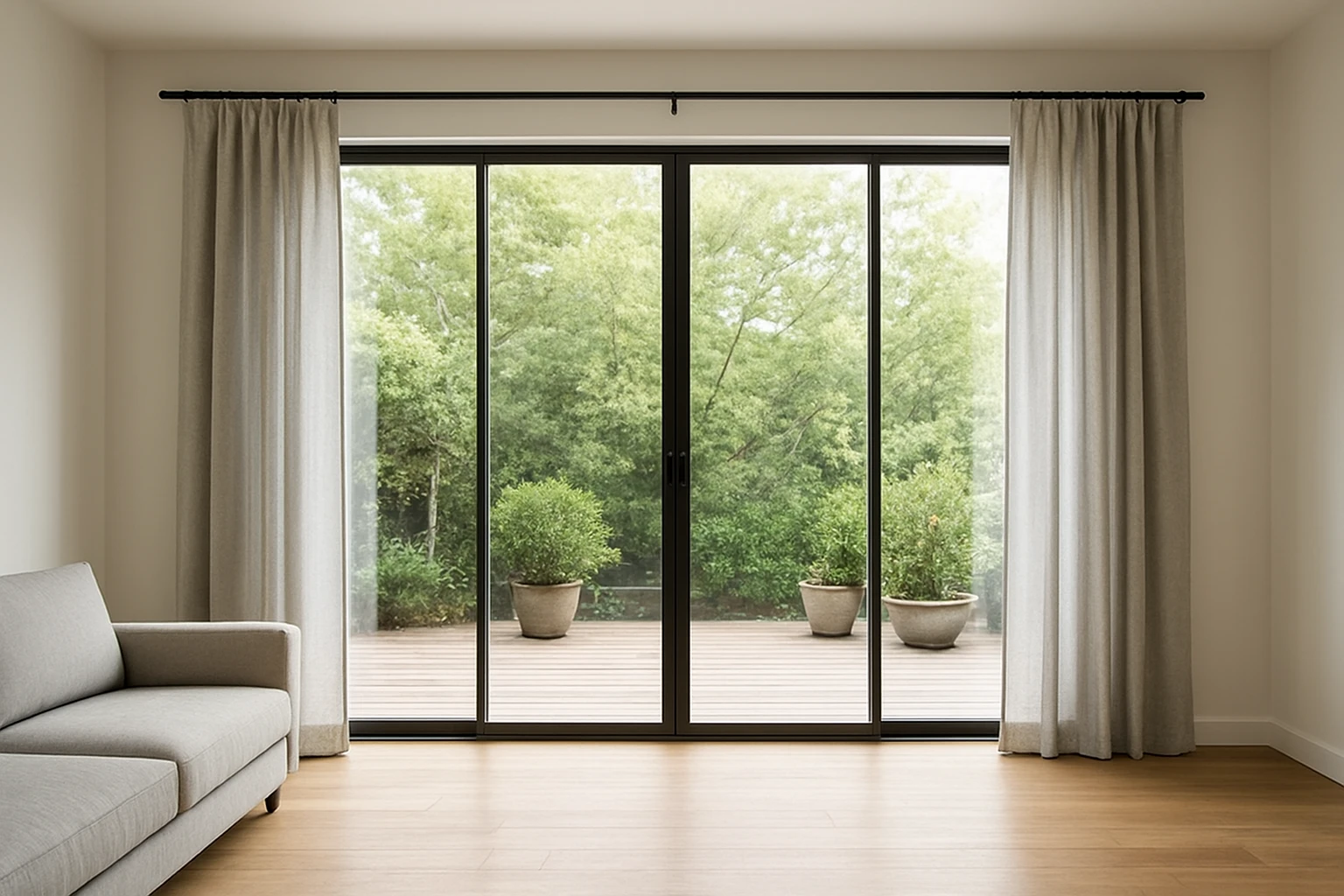
Split Panels for Wide Windows or Sliding Doors
Divide curtains into two panels so they open from the center. This works well for wide openings and sliding doors.
Why It Works:
Split panels make large openings functional and balanced.
Best Fabrics:
Durable woven blends that hang well.
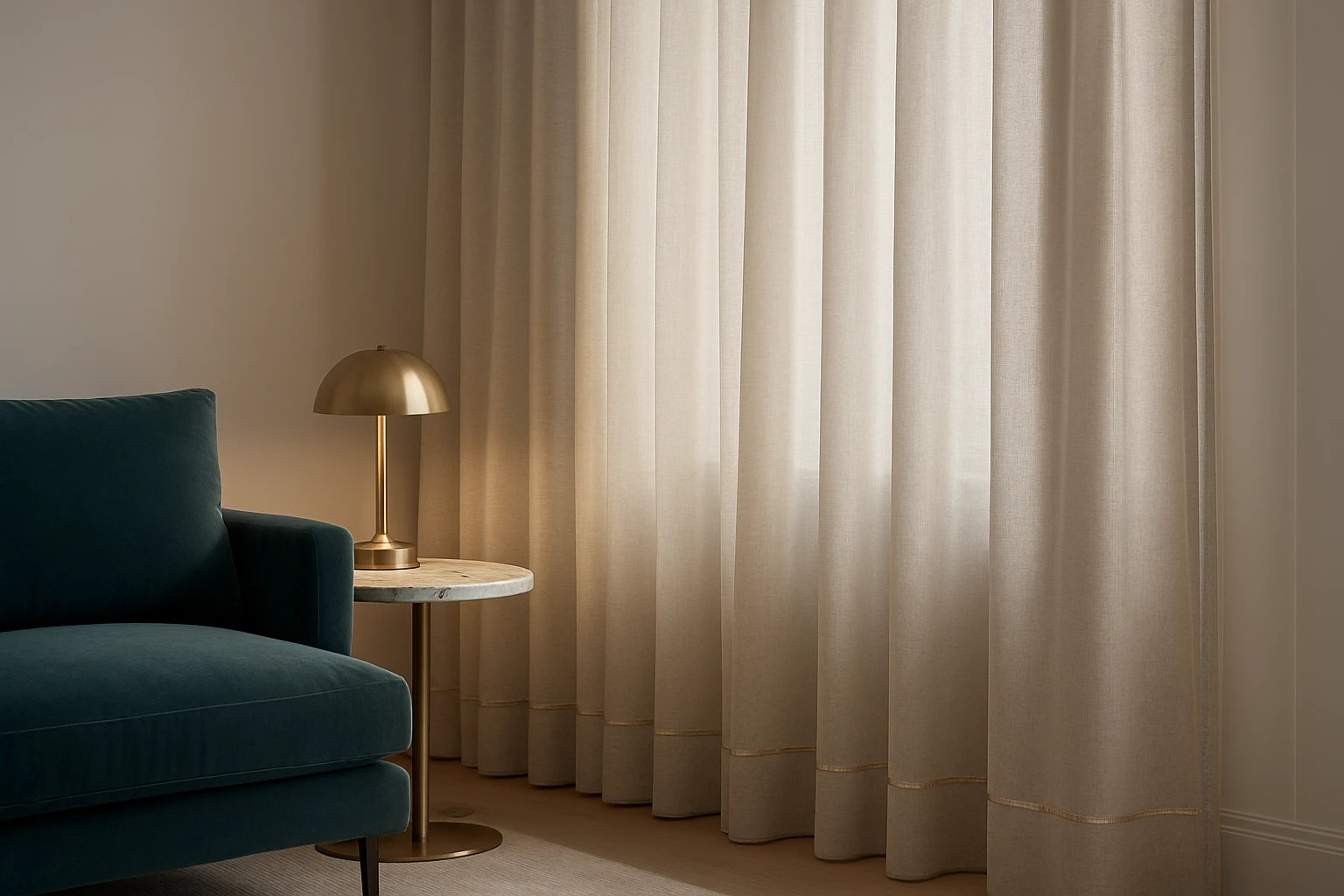
Metallic Accents for Modern Glam
Add a thin metallic thread or trim on the hem or header for a hint of shine without going overboard.
Why It Works:
Small metallic details catch light and lift the look.
Best Fabrics:
Silk blends and jacquards with metallic yarns.
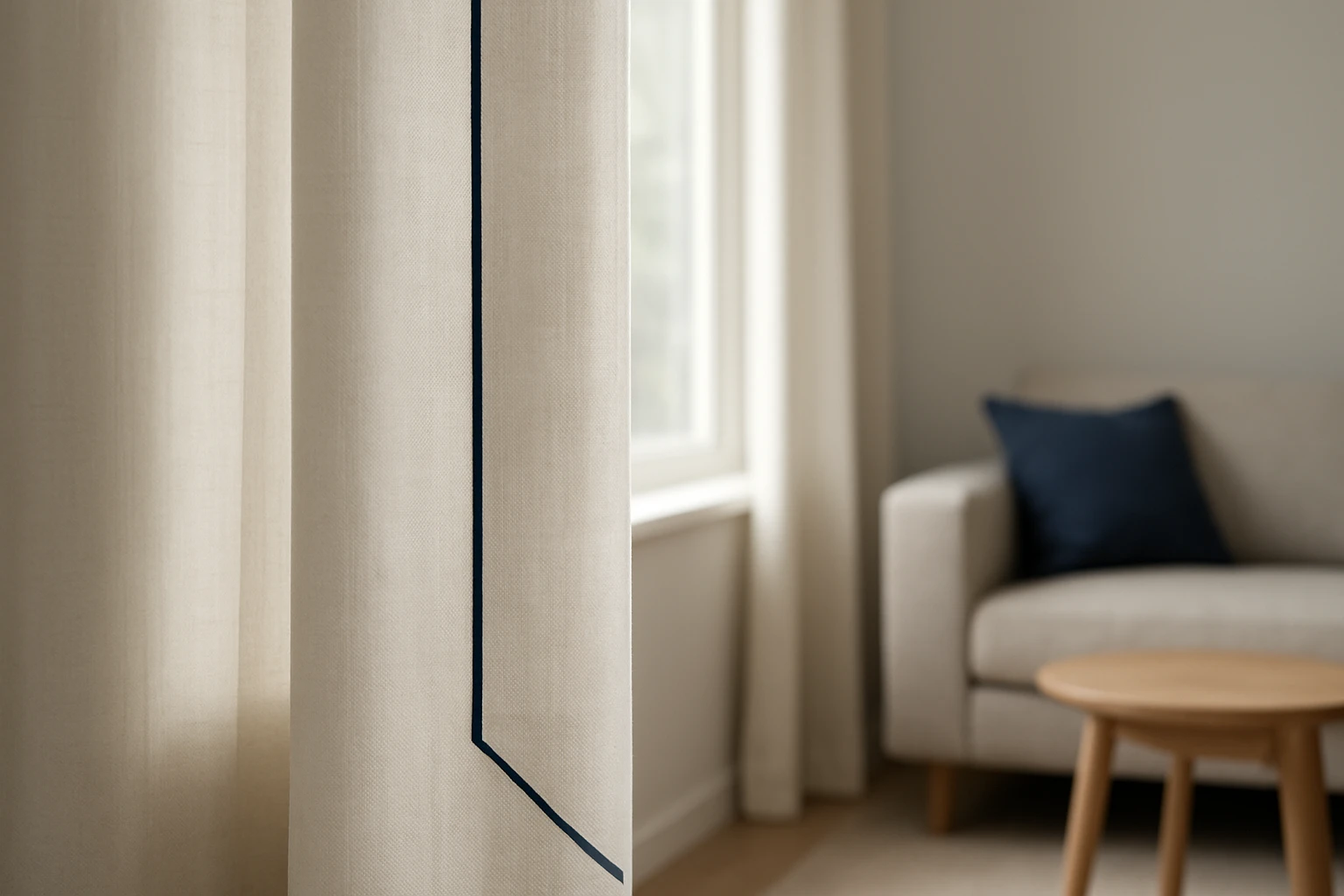
Contrast Trim Curtains for Tailored Detail
A narrow contrast trim around the inside edge gives a neat, designer look without changing the main fabric.
Why It Works:
Trim frames the window and adds a crisp, finished touch.
Best Fabrics:
Cotton and linen blends with polyester trim for durability.
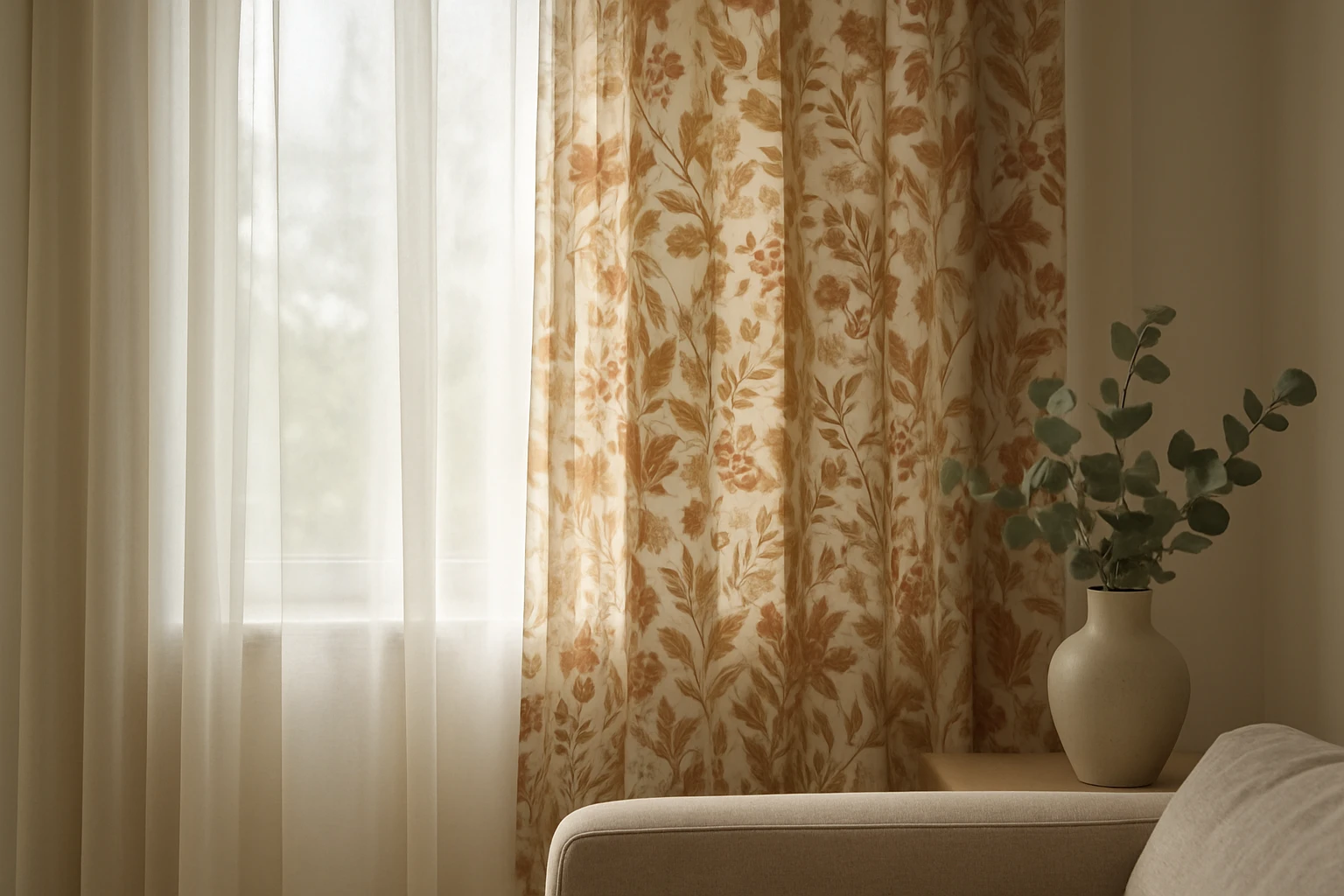
Sheer Panels with Printed Lining for Privacy and Pattern
A printed lining behind a sheer layer gives daytime privacy and reveals pattern when backlit.
Why It Works:
The outer layer stays neutral while the lining shows pattern when light passes through.
Best Fabrics:
Voile sheers and printed cotton or polyester linings.
Reclaimed Fabric or Vintage Sourcing for One of a Kind Looks
Using vintage or reclaimed fabric creates a unique look and lowers waste. It works well in eclectic and boho rooms.
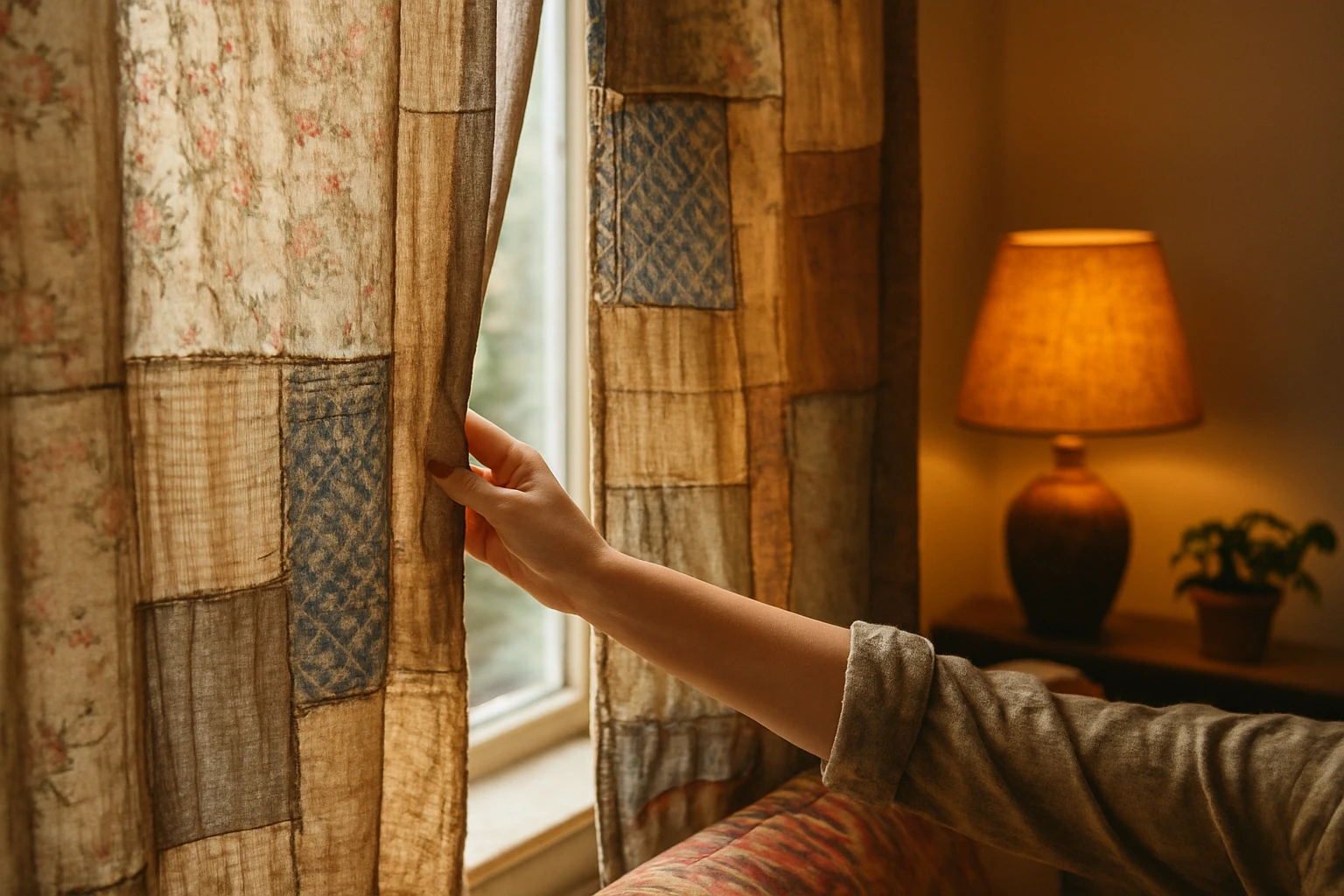
Why It Works:
Each panel can tell a story and make the room feel personal.
Best Fabrics:
Recycled cotton, vintage upholstery fabric, and deadstock linen.
Fabric Comparison Table
Below is a practical comparison to match fabric to need. Price ranges are typical retail estimates for ready-made panels, not exact market figures.
| Fabric Type | Look and Feel | Best For | Typical Price Range Per Sqm | Care Notes |
|---|---|---|---|---|
| Sheer Voile | Light, translucent | Soft light, layered looks | AED 50 to 120 | Machine wash gentle |
| Linen Blend | Natural texture, relaxed | Casual or Scandinavian rooms | AED 150 to 300 | Hand wash or gentle cycle |
| Velvet | Dense, luxe | Blackout, formal rooms | AED 50 to 100 | Dry clean recommended |
| Cotton | Versatile, crisp | Everyday living rooms | AED 70 to 180 | Machine wash |
| Thermal Backed | Functional, slightly stiff | Insulation and blackout | AED 95 to 250 | Spot clean or dry clean |
How to Choose Curtains for Your Living Room
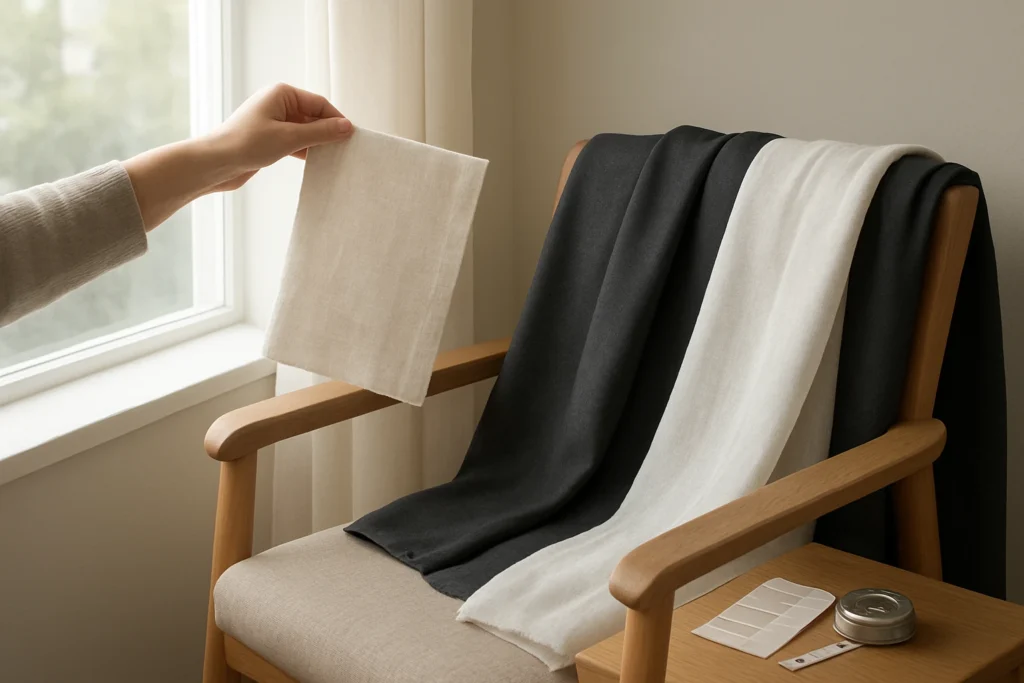
Pick a style that matches how you use the room and the effect you want. Measure carefully and match fabric weight to its job.
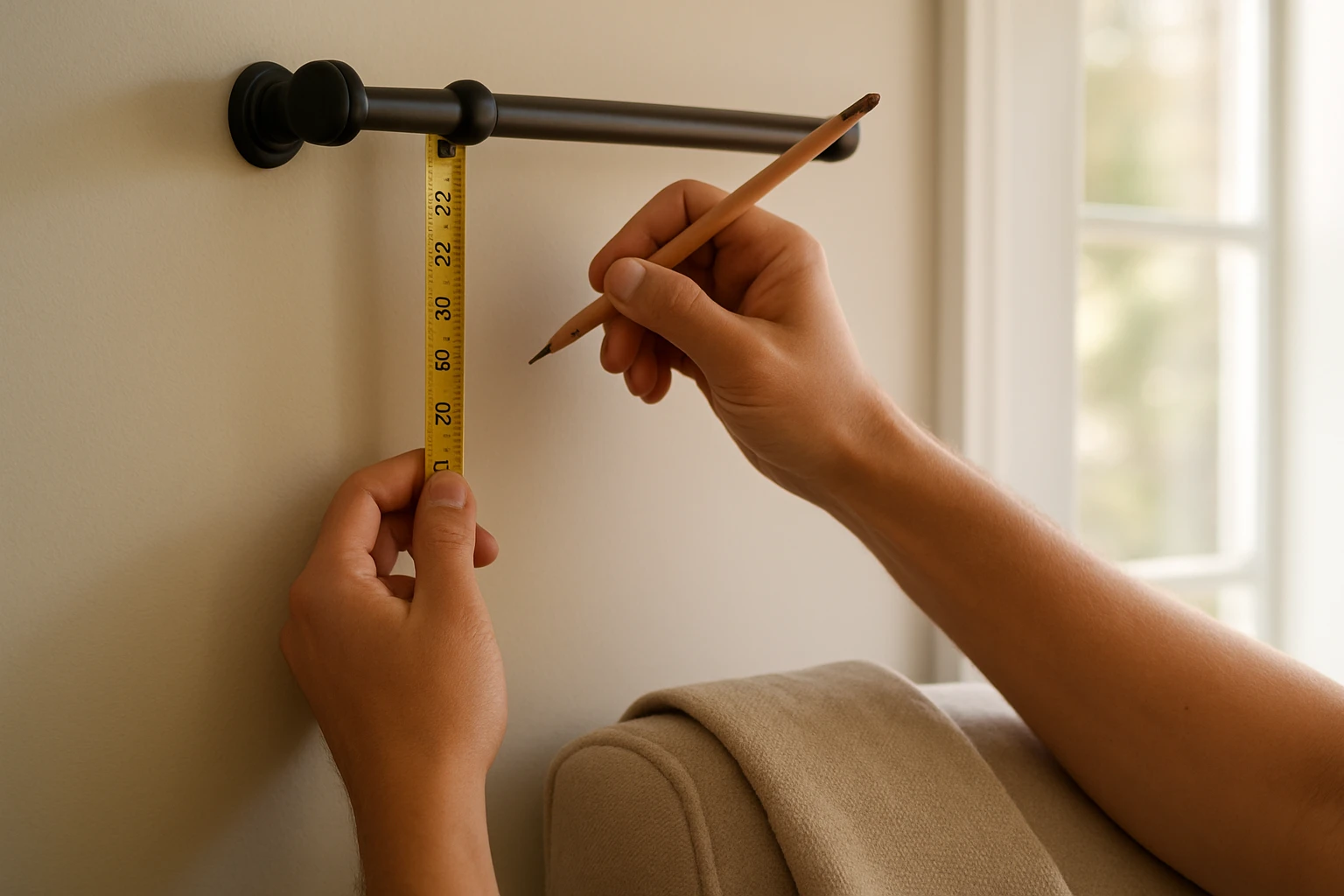
Measure Correctly Before You Order
Measure from where you will mount the rod down to the floor. For a full look, add 4 to 6 inches beyond each side of the window so panels can stack back when open.
Standard Lengths to Consider:
- Sill length: stops at the window sill. Good for casual or mid-century looks.
- Floor length: just touches the floor for a tailored effect.
- Puddling: 1 to 4 inches extra on the floor for a romantic look.
Decide How Much Fullness You Need
Fullness is how much fabric you use compared to the window width. 1.5 to 2 times the window width gives a natural gathered look. 2 to 2.5 times is richer and more formal.
Curtain Cost Guide and Budget Estimates
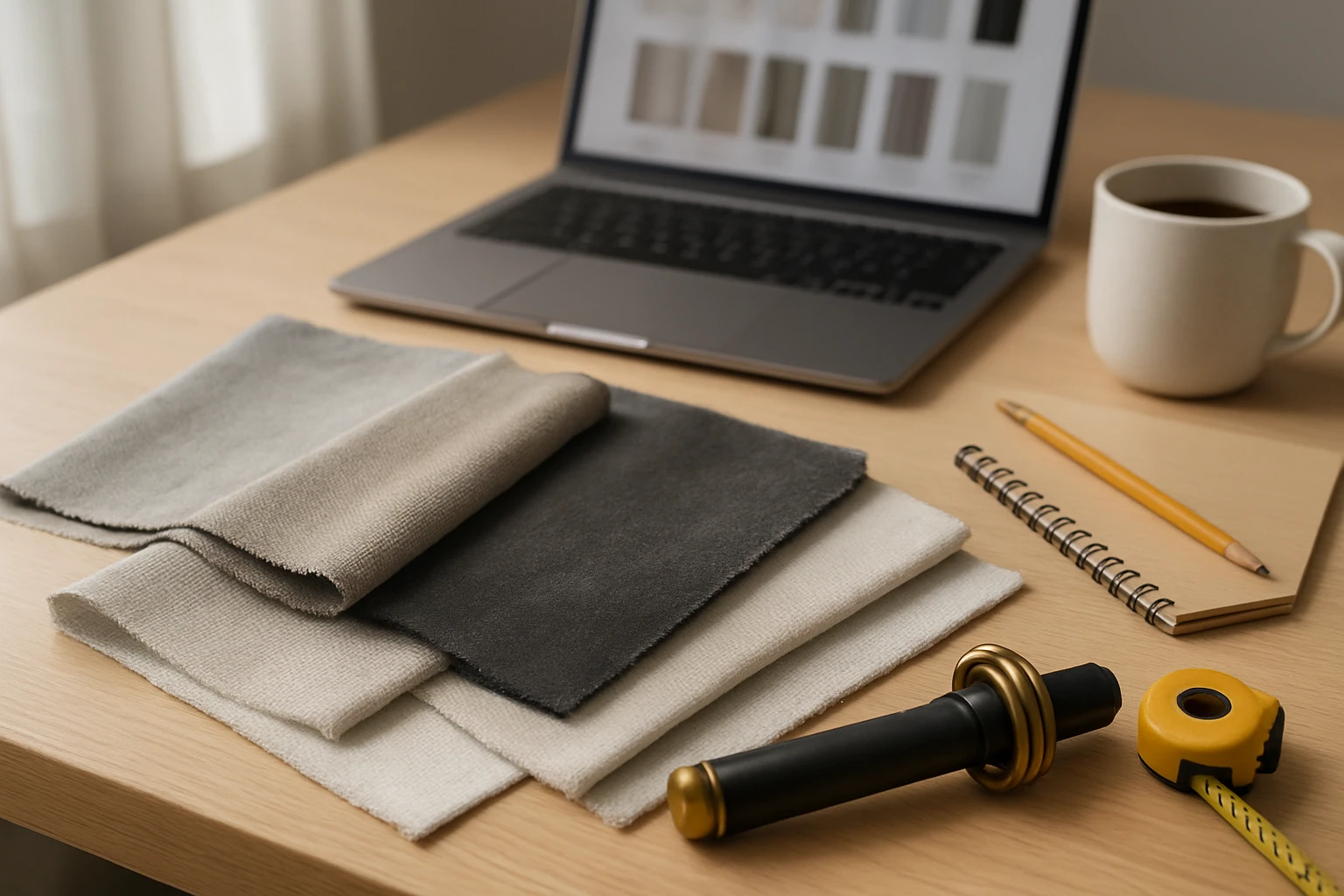
Curtain cost depends on fabric, lining, hardware, and whether you buy ready-made or custom. The table below shows typical budget bands for a pair of standard 50 by 84 inch panels.
| Budget Level | What To Expect | Typical Cost For Pair |
|---|---|---|
| Budget | Ready-made polyester or cotton blends, basic hems | AED 50 to 250 |
| Midrange | Better fabric, lined or thermal options, nicer hardware | AED 100 to 400 |
| Premium | Custom panels, high-end fabrics, professional installation | AED 120 to 500+ |
A common mistake is not allowing enough stacking space for panels. Plan extra width so open curtains do not cover too much glass.
Installation and Hardware Guide
Choose hardware that fits the weight and style of your curtains. Use a rod rated for the fabric weight and anchors that match your wall type.

Hardware Choices and When to Use Them
Rod Types:
- Tension rods: good for light sheers and small windows.
- Metal rods: strong and suitable for midweight to heavy drapes.
- Curtain tracks: best for smooth sliding and ceiling mounts.
Brackets and Anchors:
Use proper anchors for drywall or masonry and place brackets so they support the full rod length.
Care and Maintenance Tips
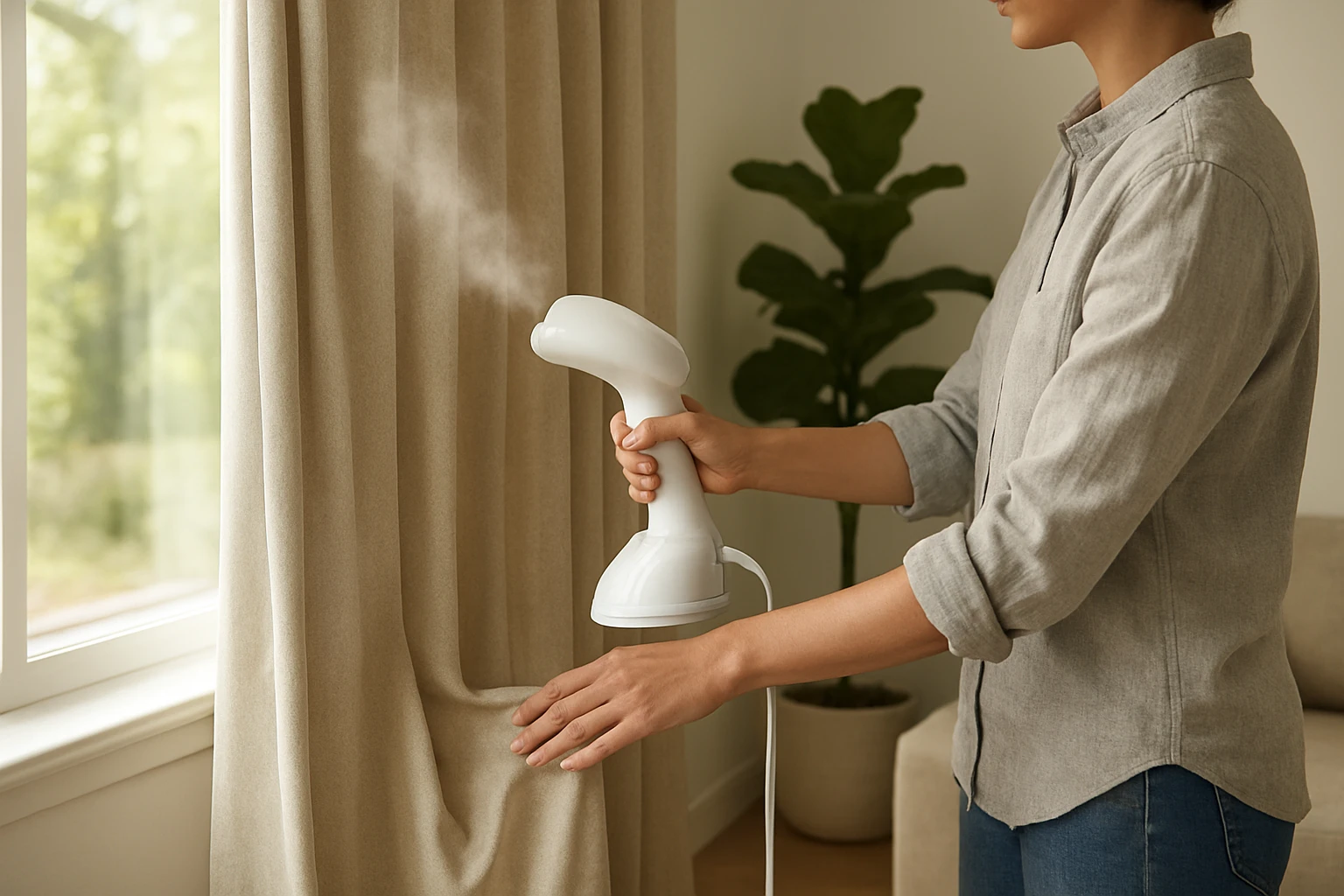
Follow care labels and dust or vacuum regularly. For heavy or high-value fabrics, use professional cleaners to keep texture and color fresh.
Spot Cleaning and Regular Care
Treat small stains quickly with a mild detergent and test an unseen area first. Brush or vacuum with a soft attachment to remove dust on a regular schedule.
Sustainability and Material Choices
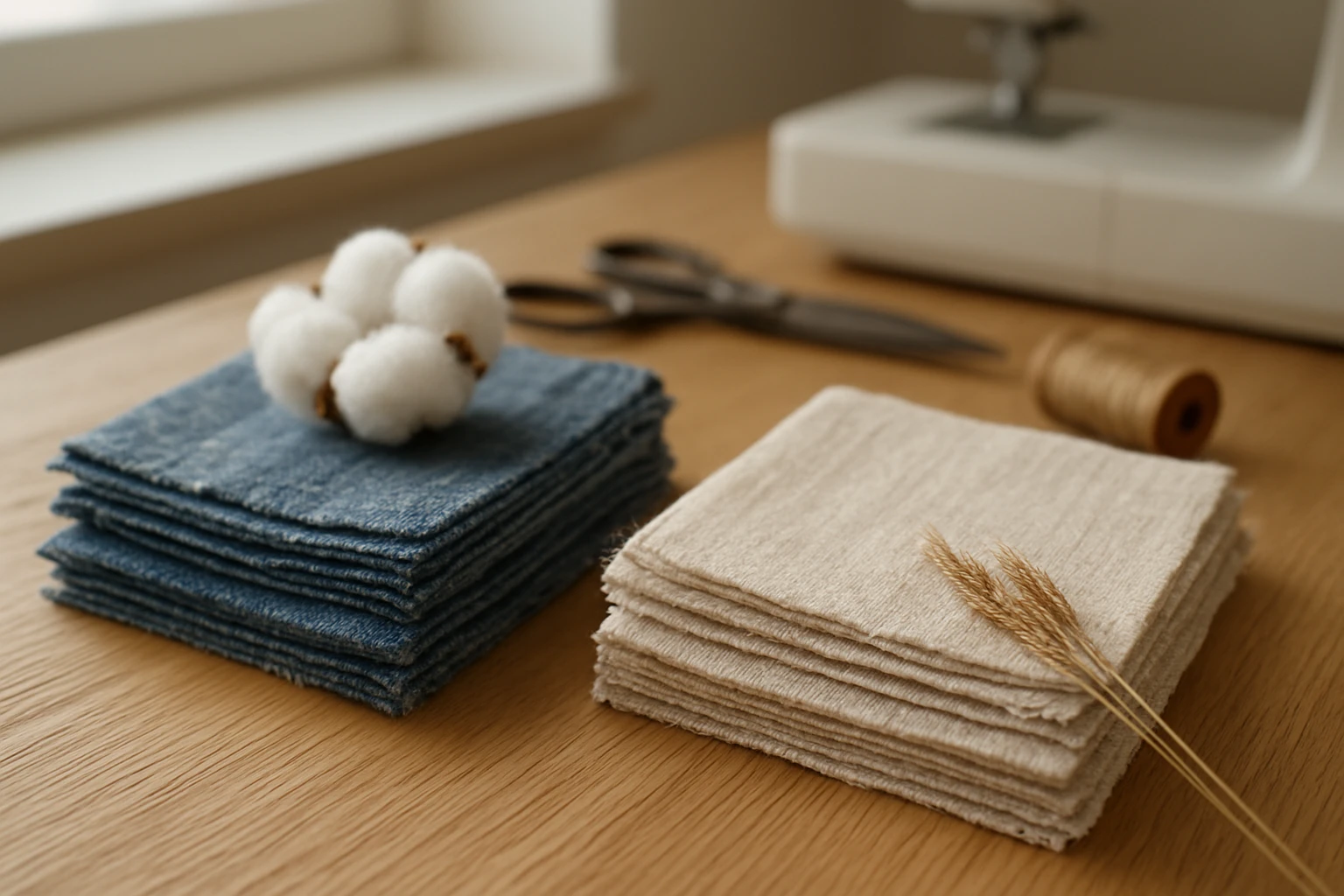
Pick fabrics with recycled content or natural fibers when you can. Reuse or repurpose old curtains instead of throwing them out if they are still in good shape.
Small Changes That Help
Using heavier lined panels in winter and lightweight sheers in summer extends fabric life and can cut energy use.
Final Styling Tips
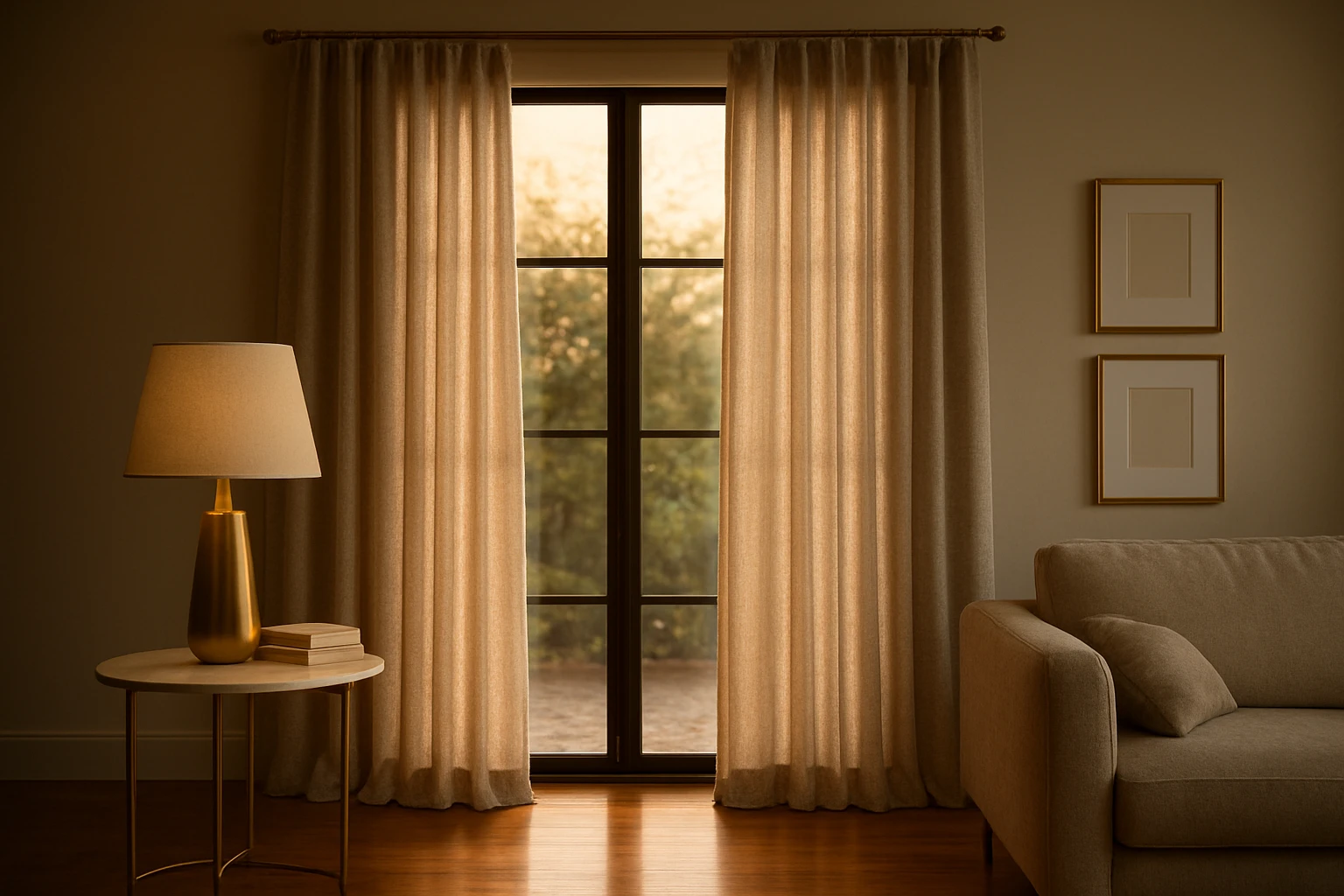
Match curtain scale to the window size and ceiling height. Pick hardware and trim that echo other metals or finishes in the room for a cohesive look.
Quick Rules to Remember:
- Mount rods higher than the window to add perceived height.
- Let panels puddle slightly in formal rooms and keep them just above the floor in casual rooms.
- Choose lining based on the privacy and insulation you want.
Summary
For 2026, curtains are about texture and purpose. Pair sheers with heavier panels, pick fabrics that suit daily use, and give measurements and hardware the same care you give fabric choice. Small details like trim and lining make a big difference in both look and function.
Frequently Asked Questions
What Curtain Length Is Best for Living Rooms?
Floor-length curtains that touch or hover 1 inch above the floor are the most versatile choice because they look tailored and reduce wear. For a formal look add 1 to 4 inches of puddling.
How Much Curtain Width Should I Buy for One Window?
Aim for 1.5 to 2.5 times the window width depending on how full you want them to look. Use 2 times for a natural gathered appearance and 2.5 times for a very full, luxurious fall.
Are Thermal Curtains Worth It?
Yes for many homes. Thermal-backed curtains add insulation which helps lower drafts and can reduce heating and cooling needs in rooms with older windows.
Can I Mix Different Curtain Styles in the Same Living Room?
You can mix styles when they share a unifying element such as color, material, or hardware finish. For example, pair Roman shades with side panels in the same fabric family for balance.
How Often Should Living Room Curtains Be Cleaned?
Light fabrics and sheers can be washed every six to twelve months depending on exposure while heavier or lined fabrics benefit from annual professional cleaning. Vacuum or dust every month to reduce buildup.