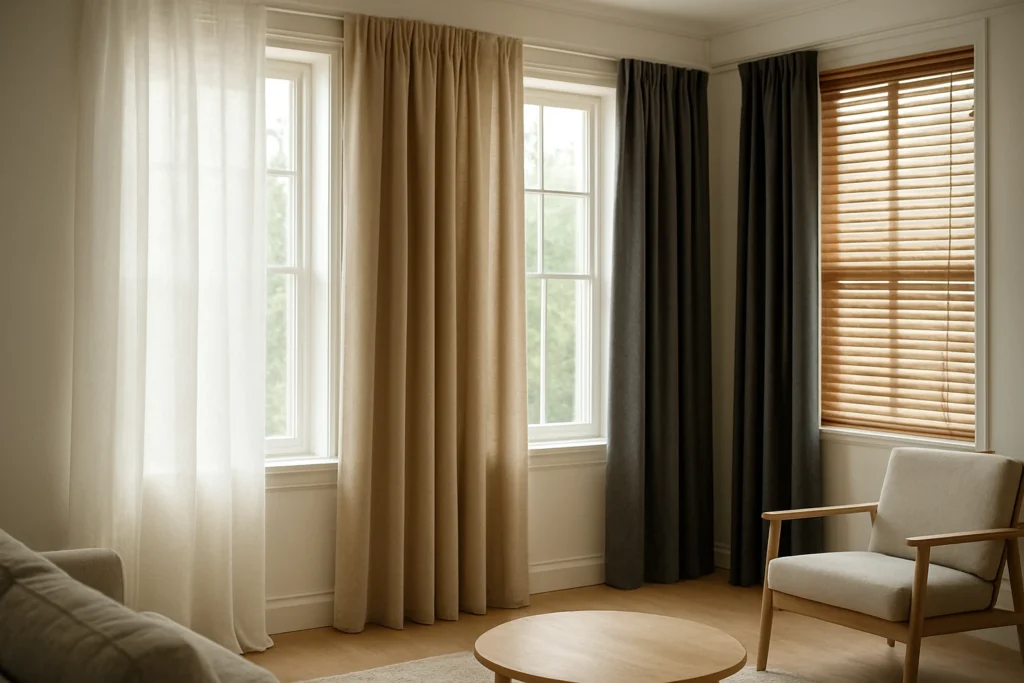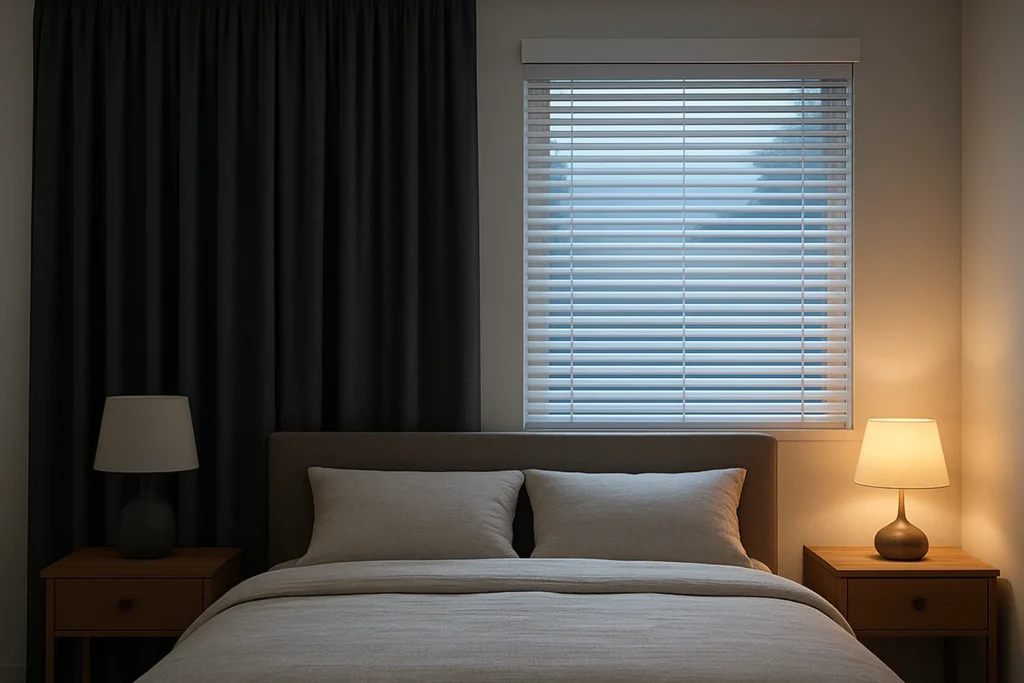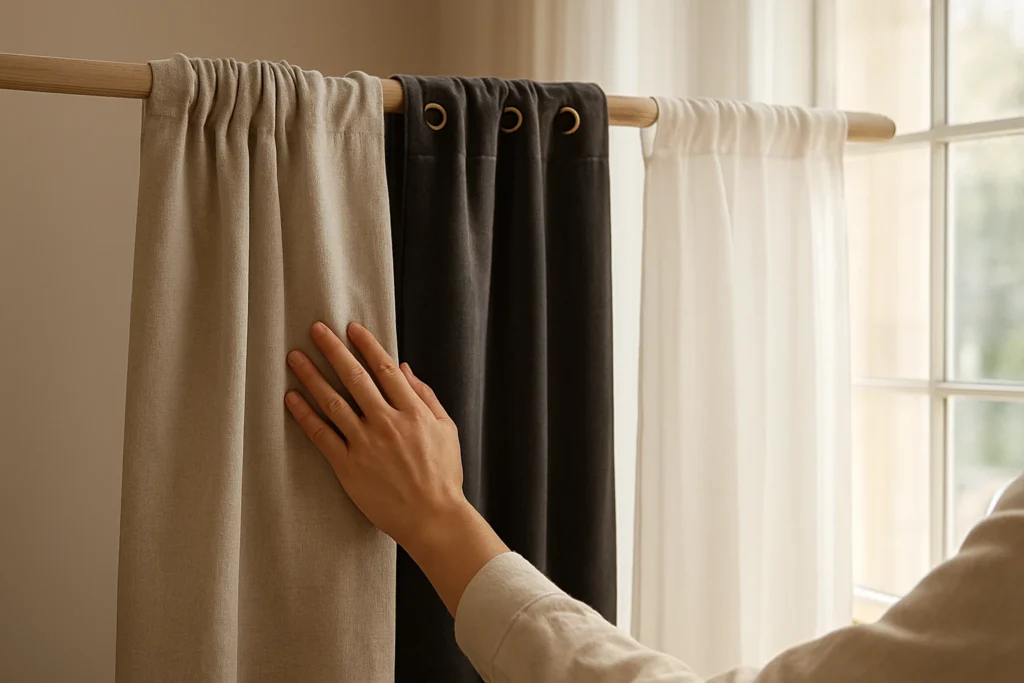

Typical lead time for custom curtains in Dubai is usually two to six weeks from measurement to final fit, depending on fabric, lining and complexity. Simple sheer or ready-design pieces can be ready in 10 to 21 days, while heavy blackout, layered or motorized sets often take three to six weeks because of special machinery and testing. If you need curtains fast, request a documented rush schedule and confirm who handles site visits, fitting and final adjustments; the team at Curtains and Blind often offers a 7 to 10 day rush service for select fabrics.
Key Statistics
- Typical production time for custom curtains in Dubai: 3 to 5 days.
- Typical total lead time including measuring and fitting: 4 to 8 days.
- Rush order window commonly offered by suppliers: 2 to 3 business days.

Typical Lead Time for Custom Curtains in Dubai
Most suppliers break the process into clear stages: consultation and fabric selection, measuring, production, delivery and on-site fitting. Each stage adds time and can overlap in some cases to shorten the schedule. For a straight-forward pair of sheer curtains a common plan is measure in week one, production in week two, and fit late in week two or week three. For complex jobs you can expect additional time for pattern cutting, lining, hardware sourcing and testing.
Typical Stage Durations
| Stage | What Happens | Typical Time Range |
|---|---|---|
| Consultation and Fabric Selection | Choose fabric, lining, pleat style, and hardware; get quotes | 1 to 5 days |
| Measurement Visit | On-site measurements and window condition check | Same day to 7 days after consultation |
| Production | Cutting, sewing, finishing, heading, and hardware prep | 3 to 8 days |
| Delivery and Fitting | Install track or rods, hang curtains, adjust hems | 1 to 3 days |
| Total Lead Time | From first contact to final fit | 8 to 15 days |
This table reflects common industry ranges in Dubai but specific suppliers may run faster or slower depending on workload and stock levels.
What Factors Change the Timeline
Several details affect how long a custom job takes. Read these so you can plan and pick the options that fit your schedule.
Fabric and Materials
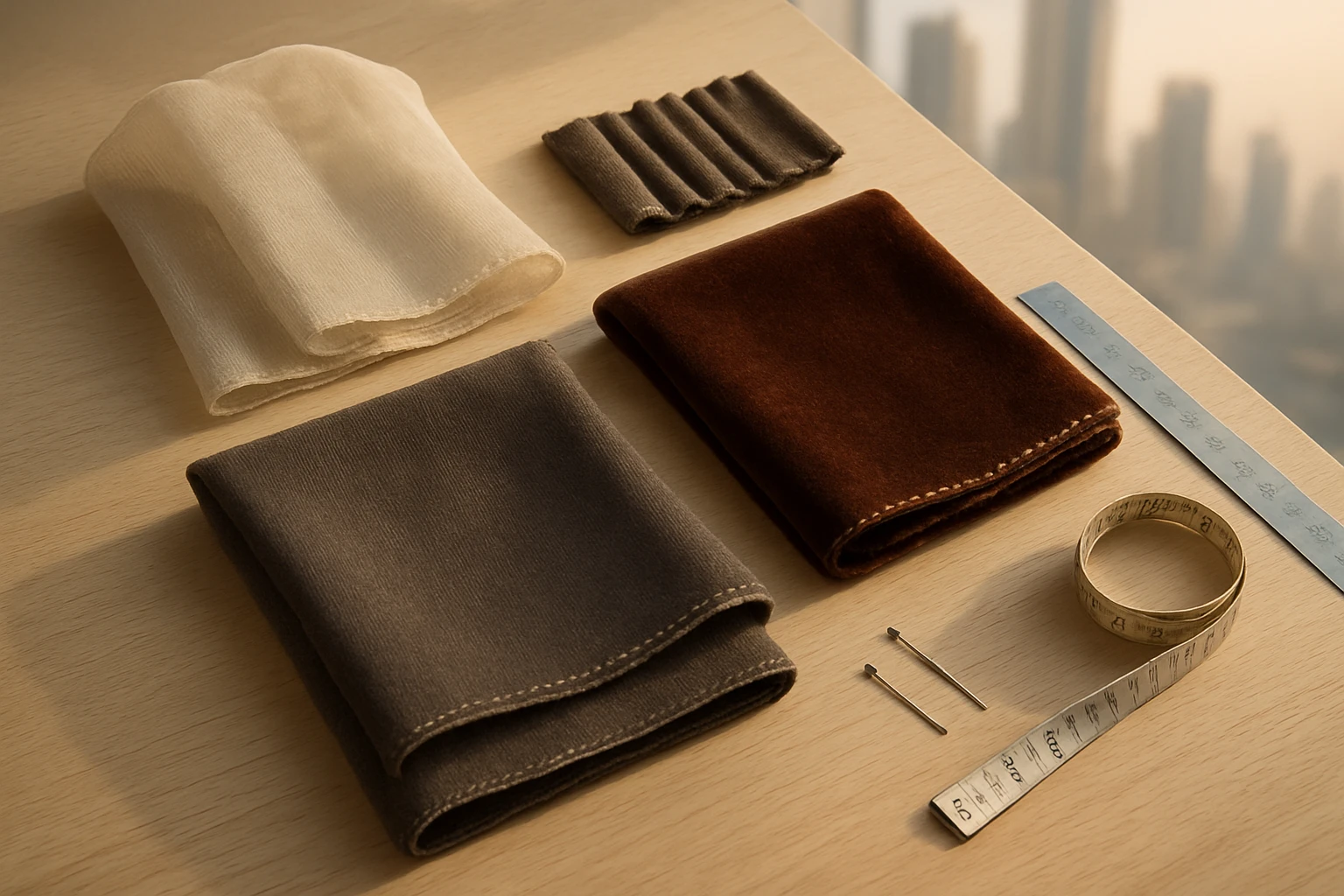
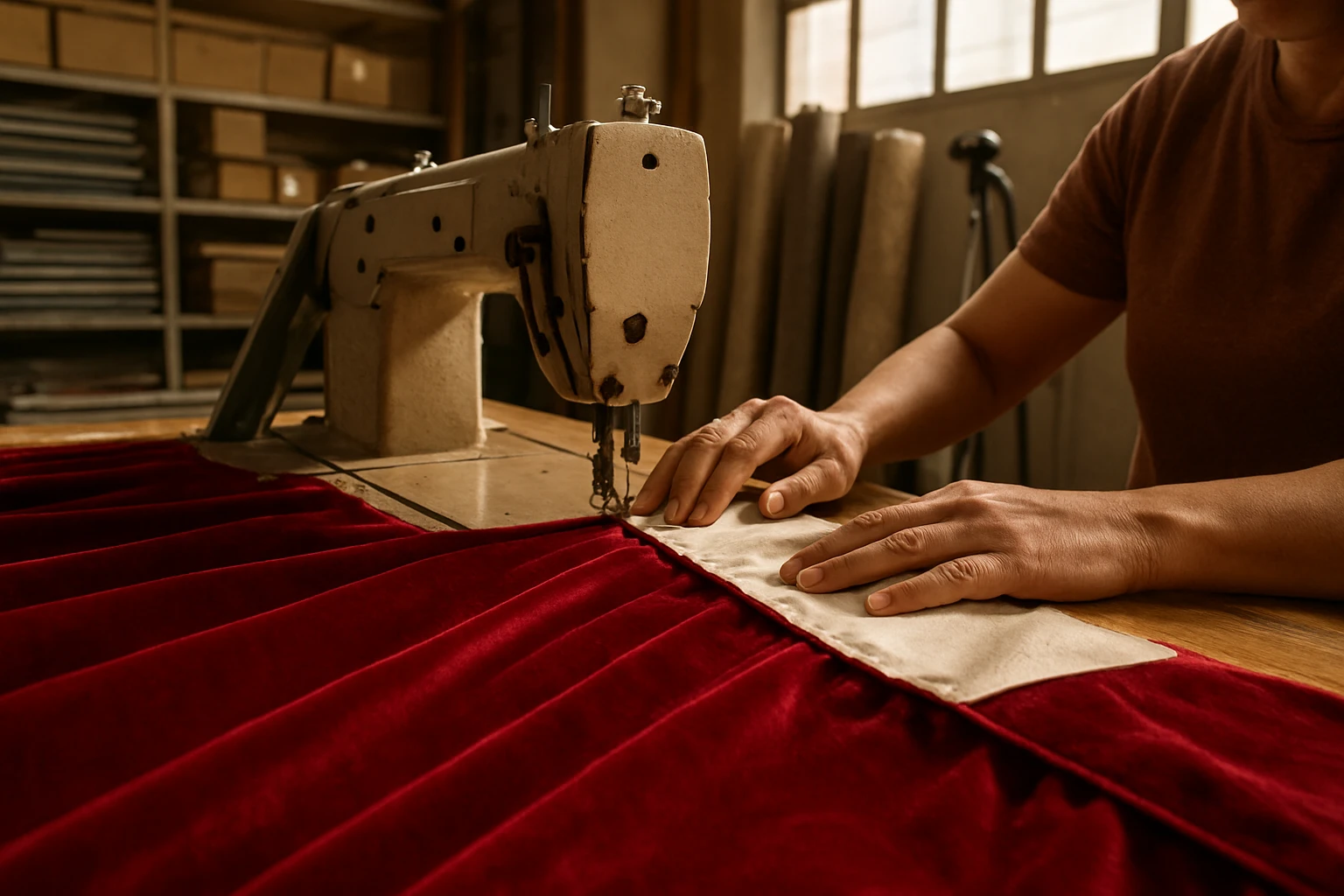
Heavy velvets and silks take longer to cut and press and often require special handling, so production time goes up. For example, velvet panels may require extra steaming and lining, adding 3 to 7 days. If a fabric is out of stock overseas, expect a longer wait while the supplier imports it.
- Velvet options are popular but can add time. See Velvet Curtains for examples and notes on handling.
- Silk and chiffon need careful finishing. Review Silk Curtains and Chiffon Curtains if you are considering delicate materials.
Style and Heading Type
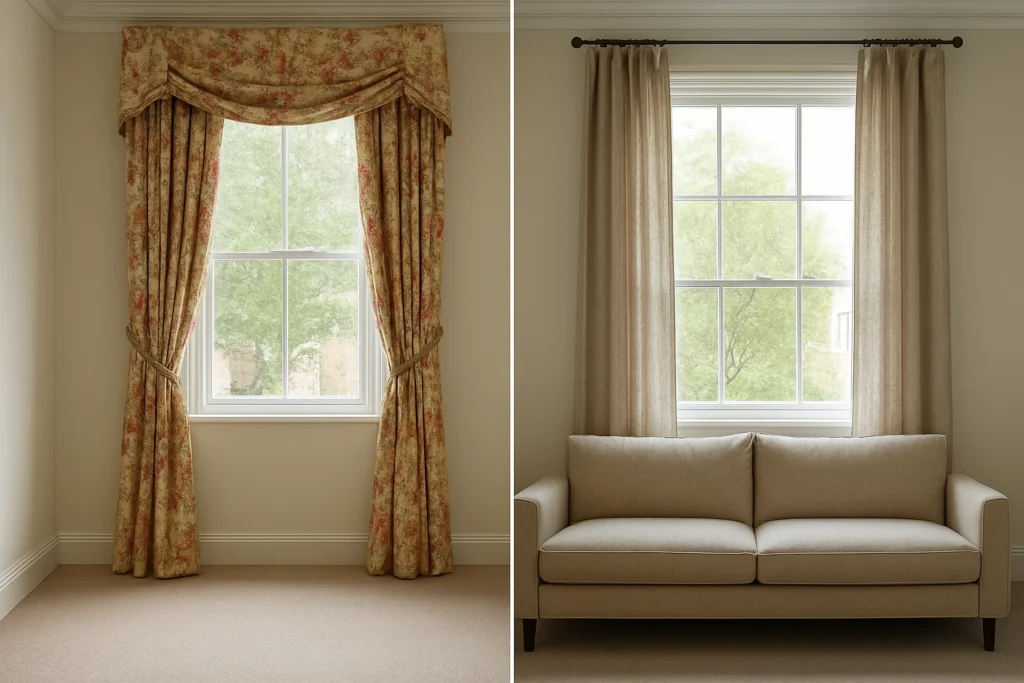
Complex headings and pleats require more time for patterning. A simple eyelet or pencil pleat is quicker than a pinch pleat or wave heading because there is less hand finishing.
- Eyelet Curtains and Pencil Pleat Curtains are among the faster options.
- Pinch Pleat Curtains and Wave Curtains often take longer due to shaping and tape work.
Lining, Interlining and Special Treatments
Blackout and soundproof linings add sewing and testing time. If you require thermal lining, fire retardant treatment, or acoustic layers, factor an extra 3 to 10 days. For details on blackout options see Blackout Curtains and for sound control see Soundproof Curtains.
Motorization and Electronics
Motorized tracks require wiring, testing and often a specialist fitter, so plan for at least 2 to 3 extra weeks from order to final commissioning, especially if the job integrates with smart home systems. See Motorized Curtains for common setups and timelines.
Hardware Availability and Site Access
If a specific rod, track or bracket must be ordered, that adds lead time. Also, if installation requires scaffolding, special permits or out-of-hours access because of building rules, these logistics can delay fitting by several days.
Sample Approval and Color Matching
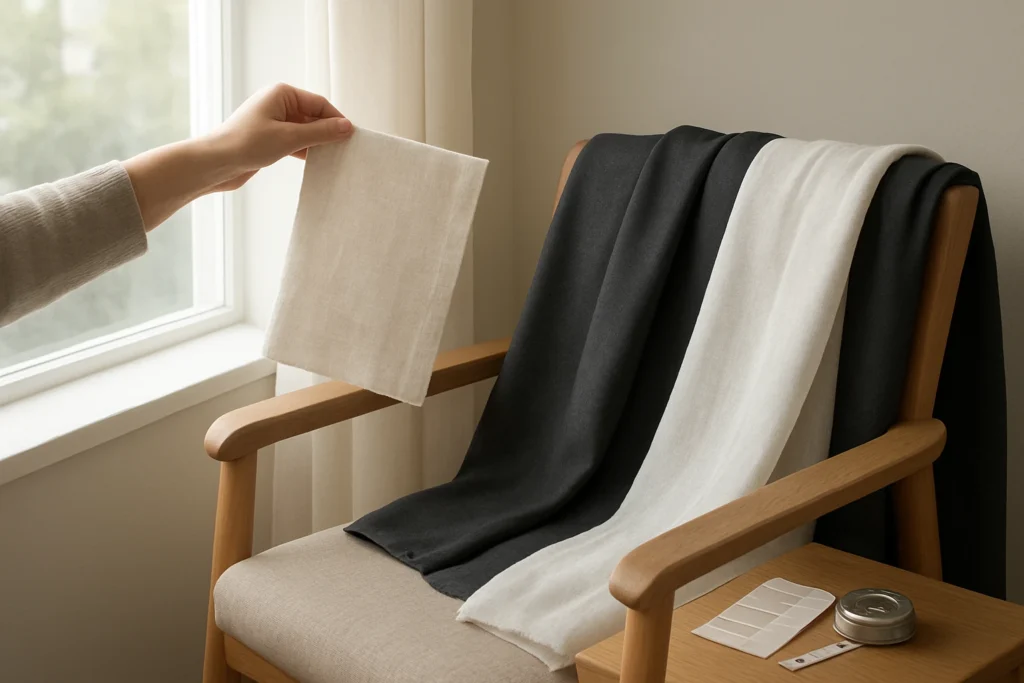
When you order custom fabric by meter, ask for a physical swatch. Waiting for a sample, or for client approval of a hand-dyed colour, can add 3 to 10 days. A common mistake is assuming digital photos match real fabric; always ask for a physical sample for critical colours.
Measurement, Pattern Making and Fitting Steps
Good measurements and a clear pattern plan cut rework and delays. Here are the practical steps most suppliers follow and what you can do to speed them up.

Pre-Measure Checklist:
- Clear access to the windows and surrounding walls.
- Remove obstacles like furniture or decor that block the fitter.
- Have a preferred fabric or a shortlist ready so the estimator can advise.
Measurement Visit:
The fitter records exact widths, heights, reveals and any obstructions such as radiators or inward-opening windows. In our experience a careful fitter will take at least five measurements per window and a photo record; if a supplier skips photos, ask for them so you avoid surprises at fitting.
Pattern Making and Trial:
For pleated or layered curtains, a paper or mock-up trial is sometimes produced, which takes extra time but reduces errors. If your project uses heavy fabrics or complex headings, request a sample heading test before full production.
Final Fitting:
Fitting day often reveals small length or fullness adjustments. Budget at least one hour per large window for trimming and final pinning, and know that a second visit may be needed for final micro-adjustments.
Rush Orders, Sample Approval, Delivery Options and Costs
Most manufacturers in Dubai accept rush orders for an extra fee. A transparent supplier will provide a clear rush schedule and a written date for completion.

Rush Order Considerations
- Confirm which steps will be compressed and whether any quality checks are skipped.
- Ask who pays for overnight shipping when components come from overseas.
- Expect a rush surcharge of 15 to 50 percent depending on how much the schedule is shortened and the complexity of the job.
Delivery Modes
- Local transport for ready items, usually 1 to 3 days.
- For imported or special hardware, shipping plus customs can take 7 to 21 additional days if not stocked locally.
Typical Timeline Examples
Below are practical scenarios you can use when planning. These are realistic examples based on common projects in Dubai.
| Project Type | Key Features | Typical Lead Time |
|---|---|---|
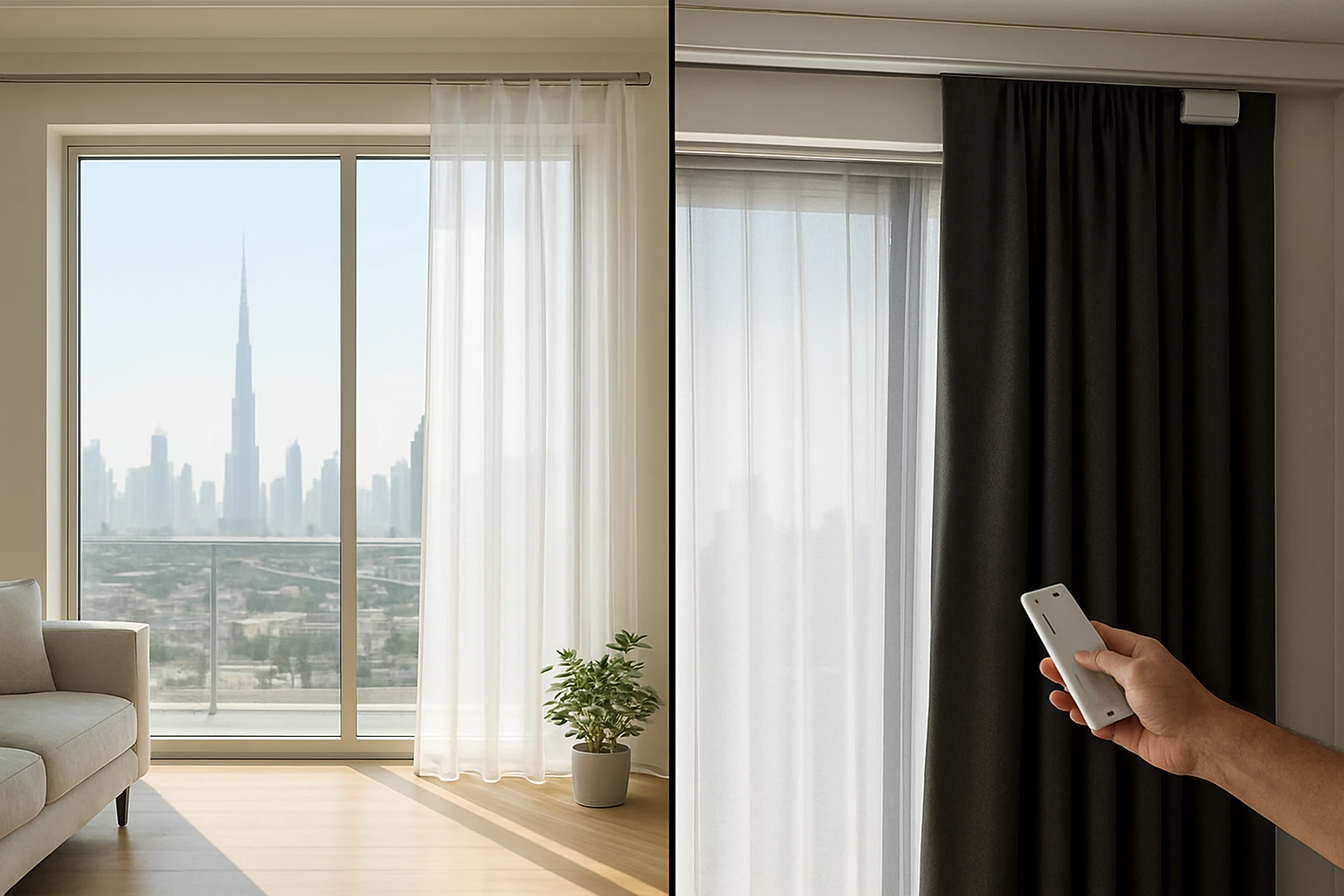
| Simple Sheer Pair | Ready design, single fabric, eyelet heading | 10 to 21 days |
| Standard Blackout Set | Heavy fabric, lining, pencil pleat | 14 to 28 days |
| Layered Curtains | Sheer plus blackout, mid-weight fabrics, pencil pleat | 21 to 35 days |
| Motorized Blackout | Motor, wiring, testing, heavy fabric | 28 to 42 days |
| Theatre or Acoustic Curtains | Heavy soundproof layers, special hardware | 35 to 60 days |
Use these examples to compare quotes and check whether a supplier has factored in all steps.
Cost Versus Time Trade offs
Faster service usually costs more. That extra cost pays for overtime, priority cutting on machines, express shipping and buying in-stock materials rather than waiting for a roll to arrive.

Typical Cost Uplift for Speed
| Service | Typical Extra Cost |
|---|---|
| Rush Production (shorten by 30 to 50 percent) | 15% to 50% of order value |
| Priority Shipping | Fixed courier fee or 2% to 10% of order value |
| Sourcing In-Stock Fabric Instead Of Order | Varies by fabric, sometimes higher per metre |
If budget and time are both tight, ask a supplier to propose which steps to prioritise. For example, accepting a standard lining rather than a custom thermal lining can save both time and money.
Tips to Speed Up the Process Without Sacrificing Quality
Plan ahead and communicate clearly. These practical steps save days and reduce rework.

- Book the measurement visit as soon as you pick a fabric shortlist.
- Approve physical samples quickly and note any colour tolerances in writing.
- Choose headings and hardware that your fitter knows well to avoid trial-and-error.
- If you need motorization, decide the control method (remote, wall switch or smart home) before measurements.
- Keep the site ready on fit day and provide a contact for quick decisions.
Where to Order in Dubai and How to Book
Dubai has a busy market for custom curtains, from small workshops to full-service showrooms. For a local buying guide and store options see Best Curtains and Blinds in Dubai 2026: Buying Guide. If you plan blackout or motorized systems, these posts are helpful: Where to Buy Blackout Curtains: Best Stores, Online Shops, and Custom Options and Motorized & Smart Curtains Dubai: Cost, Installation and Best Options.
When you contact a supplier, ask for a written project timeline that names who is responsible for each step and for the expected date for the final fit. A clear timeline reduces the chance of last-minute delays.
Final Checklist Before You Order
- Confirm measured dimensions in writing and photos.
- Ask for a written completion date and for a contingency plan if fabric is delayed.
- Get a sample of final hardware finish to avoid finish mismatches.
- Note the supplier’s warranty and post-install adjustment policy.
Quick Comparison of Heading Styles and Typical Times
| Heading Type | Visual Look | Typical Time Impact |
|---|---|---|
| Eyelet | Modern rings visible at top | Fastest |
| Pencil Pleat | Casual gathered look | Fast |
| Pinch Pleat | Formal tailored look | Moderate |
| Wave | Contemporary smooth waves | Moderate to slow |
| Roman | Folded fabric stack | Slow due to mechanism and lining |
This table helps you match style to deadline when you must balance look and speed.
Frequently Asked Questions
How Fast Can I Get a Single Pair of Curtains in an Emergency?
A small emergency order can sometimes be ready in five to ten business days if the fabric is in stock and the heading is simple. Expect a rush surcharge and confirm whether the supplier will skip nonessential checks.
Does Motorized Curtain Installation Always Take Longer Than Manual Curtains?
Yes, because motorized systems require wiring, testing and sometimes programming. Allow at least two to three extra weeks compared with manual curtains, and confirm whether an electrician is needed.
Will Choosing a Local Fabric Speed Up the Process?
Generally yes. If the fabric is stocked locally production starts sooner. Ask your supplier to show in-stock options when you need a quick turnaround.
How Many Visits Should I Expect from the Fitter?
Usually one measurement visit and one fitting visit. If the job is complex or requires scaffolding, a third visit for final tweaks can happen. Ask for a visit plan when you get the quote.
Can I Reduce Time by Approving Measurements Remotely?
You can approve simple projects remotely, but for complex headings or motorized installs a physical measurement and on-site decision help avoid errors that cause delays.
Does Fabric Cleaning or Special Finishes Add Much Time?
Yes. Special finishes, fire retardant treatment and professional pressing can add three to ten days depending on the process, so include that time in your schedule.