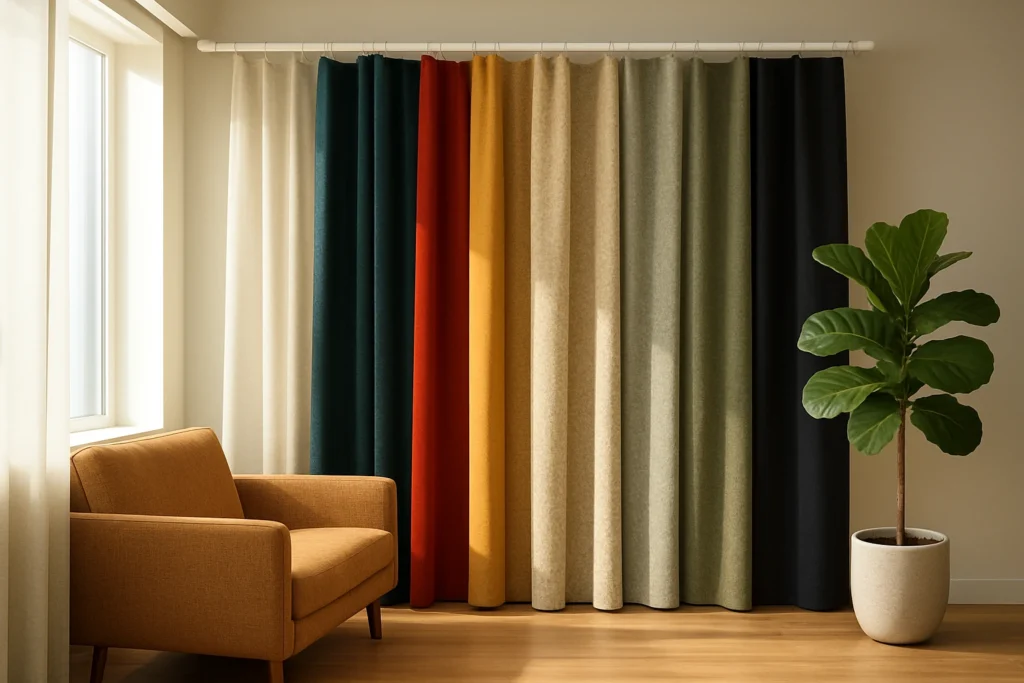
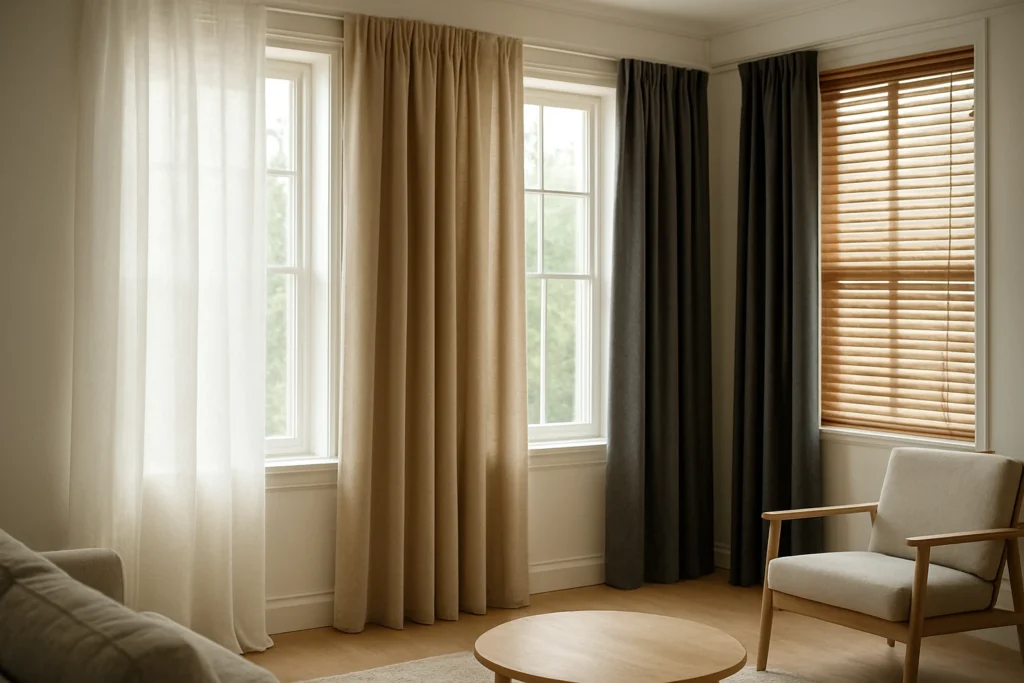
Most curtains last between 5 and 15 years and most blinds last between 7 and 15 years, but the exact lifespan depends on material, sunlight, moisture and how you care for them. Natural fabrics like silk and linen tend to age faster in bright windows, while synthetic fabrics and good-quality wooden or aluminum blinds often hold up longer. Regular cleaning, solid installation and avoiding constant sun exposure can add several years to their life.
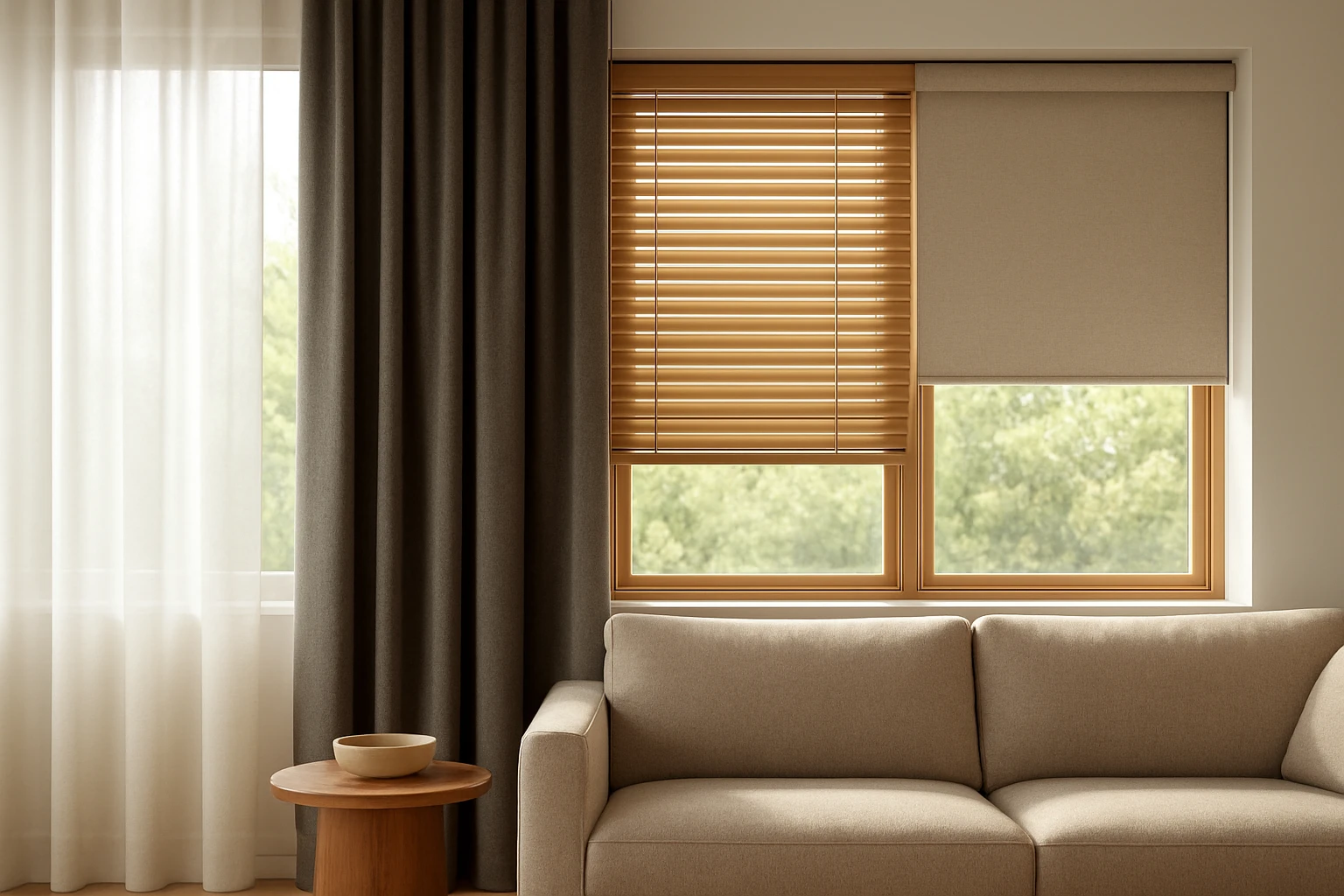
Key Statistics
- Polyester and synthetic blend curtains commonly last 8 to 15 years with normal use and basic care.
- Cotton curtains typically show visible wear after 5 to 10 years in sun-facing rooms.
- Wooden blinds can last 10 to 20 years when kept dry and maintained; aluminum blinds often last 7 to 12 years.
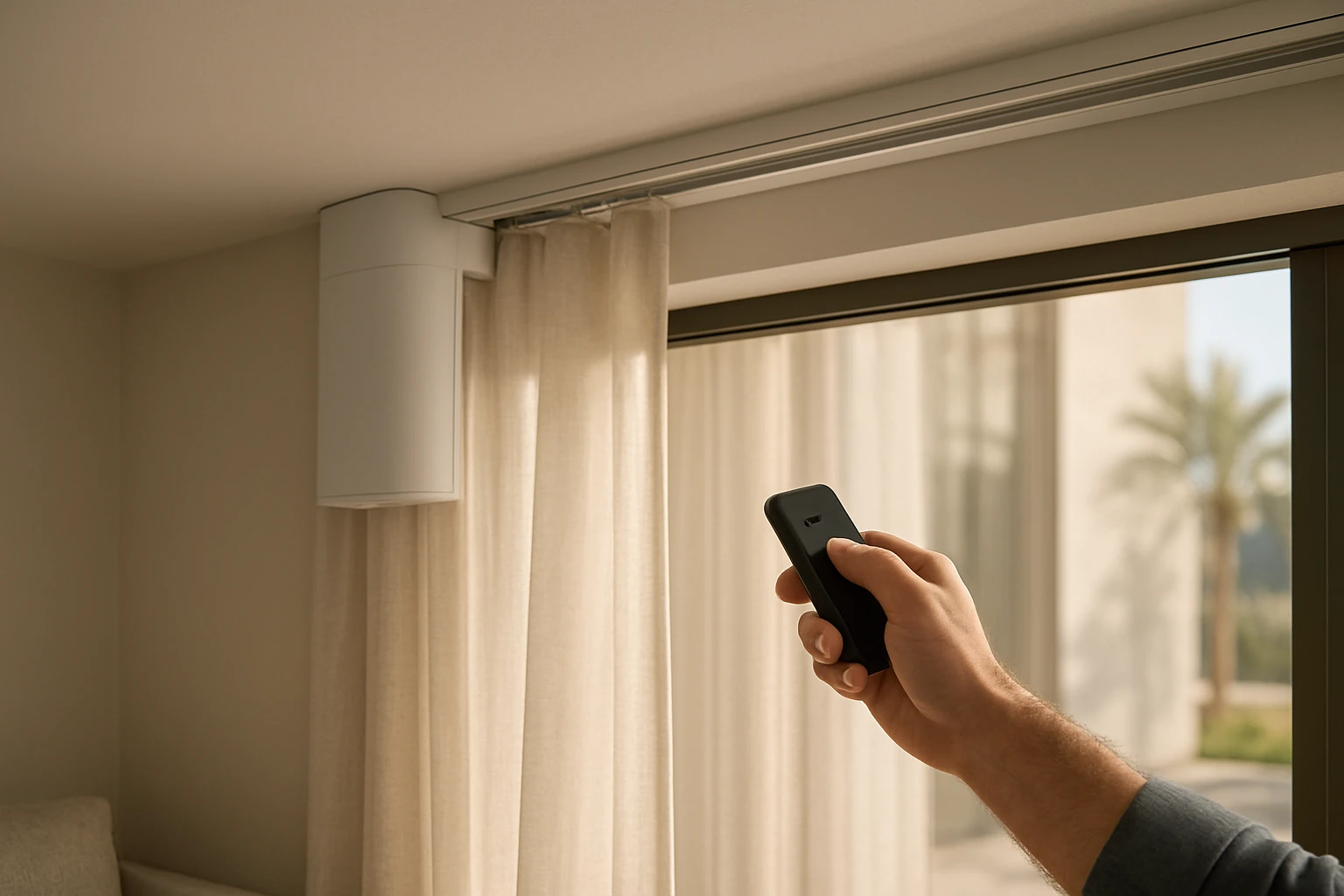
- Motorized curtain systems have moving parts that often need service or motor replacement every 8 to 15 years depending on use.
Average Lifespan by Material
Curtain and blind life varies a lot by what they are made from and where they hang. The table below gives a practical range you can expect in a normal home with average care.
| Material | Typical Lifespan (Years) | Usual Failure Modes | Typical Replacement Cost Range (Per Window) |
|---|---|---|---|
| Polyester / Polyester Blend Curtains | 8–15 | Fading, seam stress, hardware wear | AED 50 – 120 |
| Cotton Curtains | 5–10 | Yellowing, fabric thinning, fade | AED 60 – 120 |
| Linen Curtains | 7–12 | Wrinkling, fiber weakening, fade | AED 150 – 300 |
| Silk Curtains | 3–7 | Rapid fading, fabric brittleness | AED 130 – 230 |
| Velvet Curtains | 6–12 | Flattening pile, marks, dust retention | AED 70 – 150 |
| Blackout Curtains | 6–12 | Lining delamination, fade | AED 80 – 200 |
| Sheer Curtains | 4–8 | Yellowing, small tears | AED 60 – 150 |
| Wooden Blinds | 10–20 | Warping, finish wear, slat breakage | AED 250 – 400 |
| Faux Wood Blinds | 8–15 | Cracking in heat, hardware wear | AED 150 – 250+ |
| Aluminum Blinds | 7–12 | Denting, cord wear | AED 120 – 200 |
| Roller Blinds | 7–15 | Roller mechanism failure, fabric tear | AED 130 – 180 |
| Roman Blinds | 6–12 | Tape wear, cord problems, lining wear | AED 100 – 150+ |
| Zebra Blinds | 7–12 | Mechanism wear, fabric fade | AED 240 – 400 |
| Motorized Systems | 8–20 | Motor or drive failure, electronics | AED 1000+ |
Curtain Materials and What to Expect
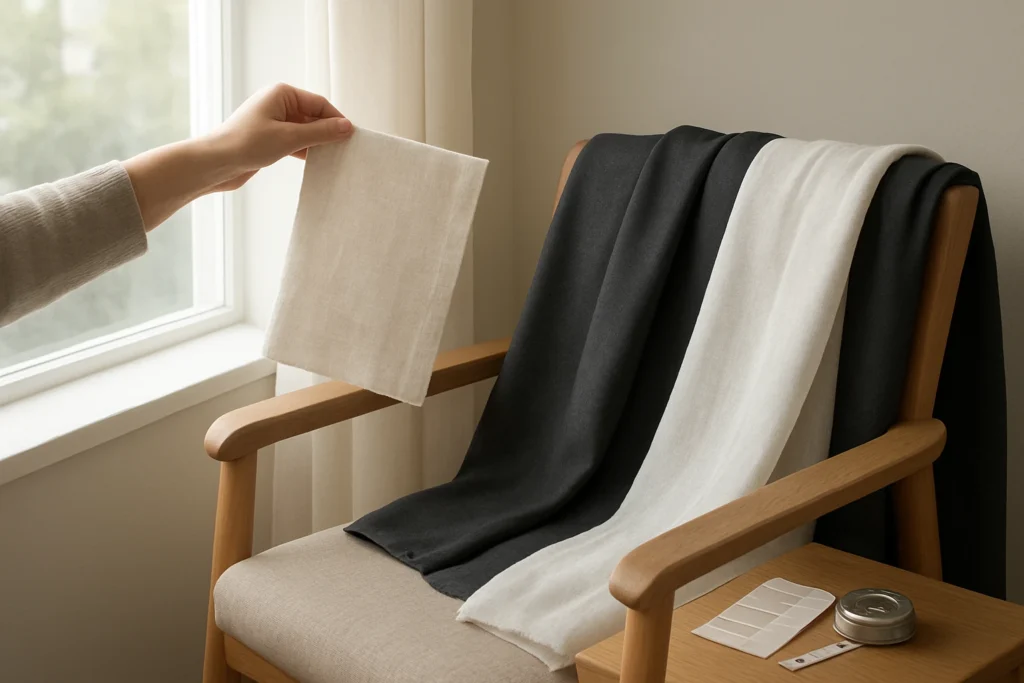
Curtains made from different fabrics behave in different ways. The same style can wear very differently if one window faces strong sun and another faces north.
Polyester and Synthetics:
These fabrics resist fading and stand up to washing better than many natural fibers. A medium-quality polyester curtain in a sunlit living room can still look fine after 10 years if you wash it carefully once a year and rotate it on the rod every few years.
Cotton and Cotton Blends:
Cotton feels breathable and natural but weakens faster under UV light. Expect 5 to 10 years in many rooms. A common mistake is machine-washing heavy cotton too often, which can stress seams after about five cycles.
Linen:
Linen wears well but shows creases and can thin near the window where sunlight is strongest. Linen curtains usually reach 7 to 12 years in moderate light but often look older sooner in full sun.
Silk and Delicate Fabrics:
Silk fades quickly in bright light and the lining can yellow. Silk works best in rooms where the windows do not get direct sun. We have seen silk drapes lose vivid color in under five years on west-facing windows.
Velvet and Heavy Fabrics:
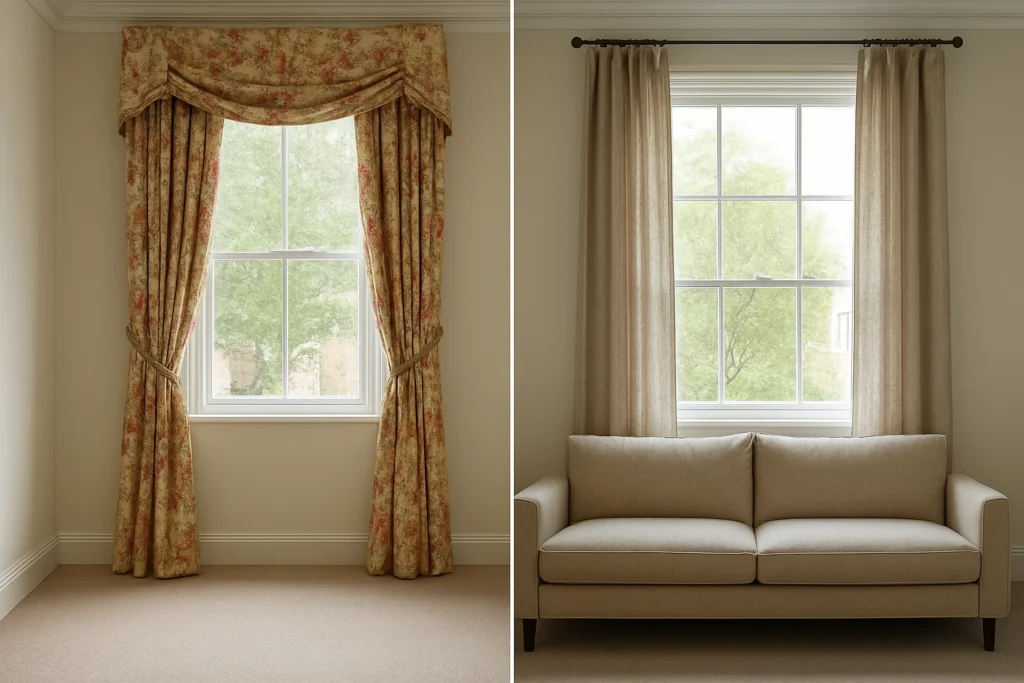
Thick fabrics hold up well, but the pile can flatten and collect dust. Heavy curtains also put more strain on rods and brackets, so using a strong rod will help them last longer. See Velvet Curtains for care tips for dense pile fabrics.
Blackout and Lined Curtains:
Often the lining fails before the outer fabric. Watch for delamination where a foam or acrylic liner peels from the face fabric. For how blackout fabrics work and their benefits, our Blackout Curtains page explains typical construction and care.
Blind Materials and What to Expect
Blinds are both material and mechanical items, so life depends on the fabric and the moving parts.
Wooden and Faux Wood Blinds:
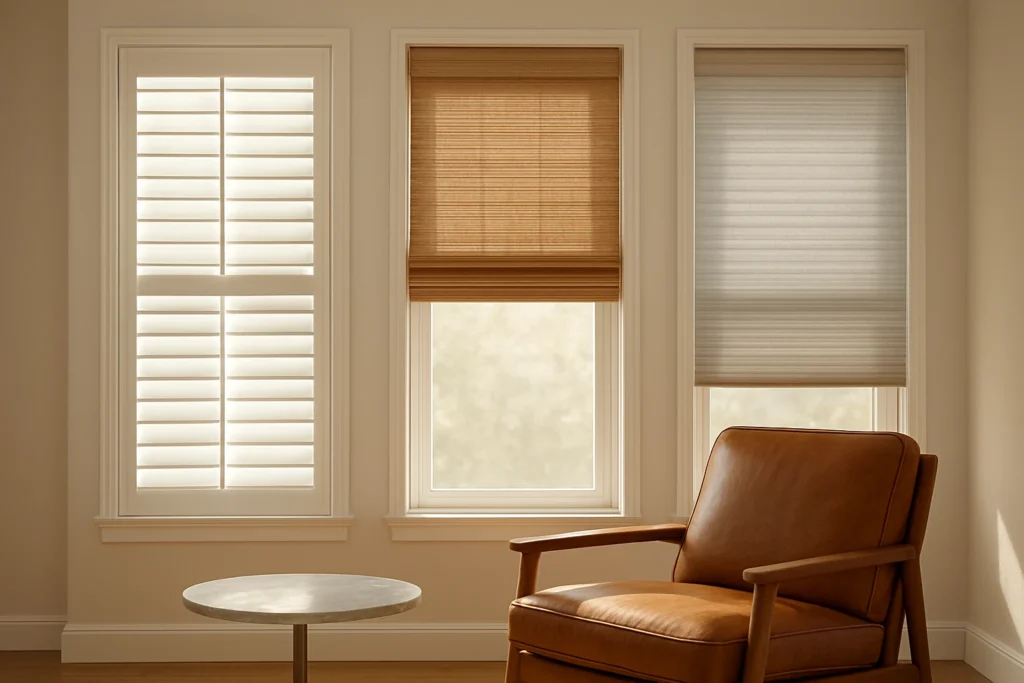
Solid wood can last a long time but will warp in high humidity and fade in bright sun. Faux wood resists moisture better and is a smart choice in kitchens or bathrooms. For visual options, see Wooden Blinds.
Aluminum Blinds:
Metal slats last well but dent and bend, and the cords or tapes wear with use. They are common in rental units because they are inexpensive and easy to replace.
Roller, Roman and Zebra Blinds:
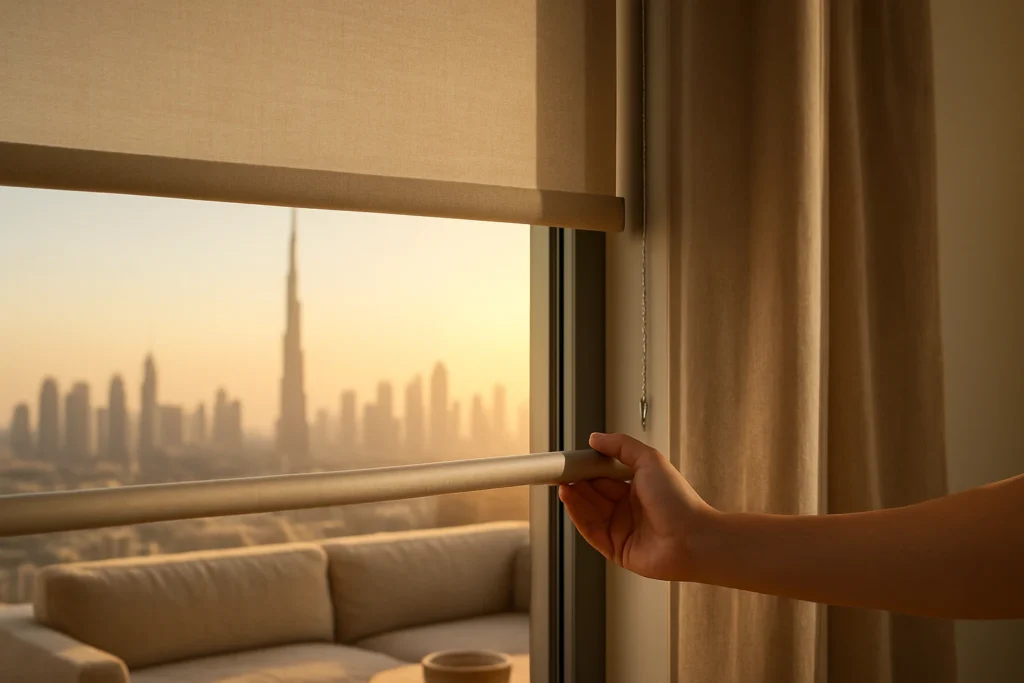
These use a roller mechanism or cords that can fail before the fabric does. Regular cleaning and gentle use help push their life toward the high end of the range. See Roller Blinds and Roman Blinds for mounting options.
Factors That Affect Lifespan
Several things change how long a curtain or blind actually lasts. Think about where you install them and how you use them.
- Sun Exposure: Direct sun fades dyes and weakens fibers. South and west-facing windows do the most damage.
- Humidity and Moisture: High humidity makes wood warp and can cause mildew on fabrics in bathrooms or kitchens.
- Use Frequency: Curtains opened and closed many times a day wear seams and hardware faster. Motorized systems used dozens of times a day may need motor service sooner.
- Cleaning Methods: Harsh washing and tumble drying can shrink or stress fabrics. Dry-clean-only materials like silk and some velvets age poorly if washed improperly.
- Installation Quality: Poorly mounted rods or weak brackets create constant strain. We once replaced heavy wave curtains after six years because the original thin rod had bent and worn the heading tape.
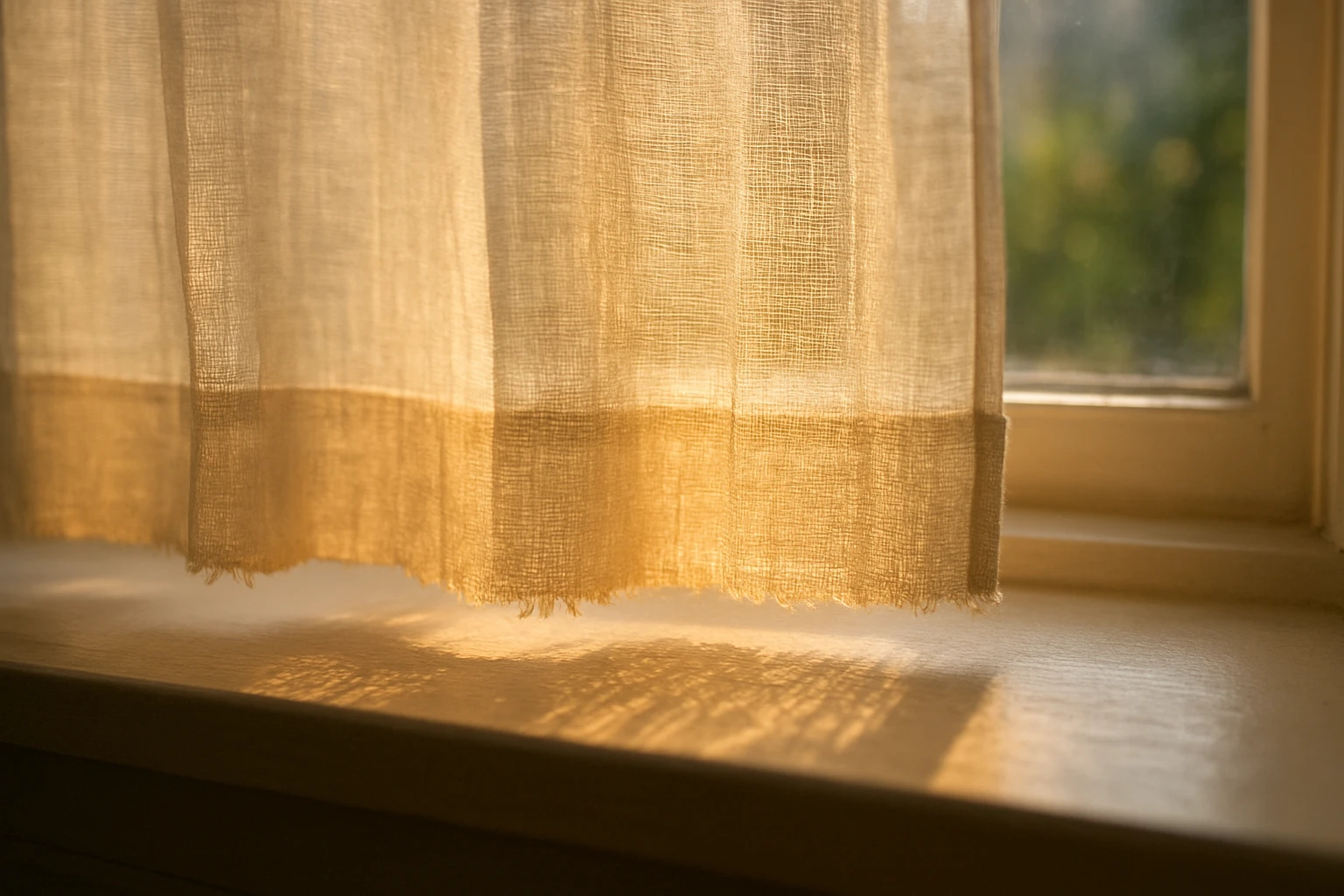
How to Extend Curtain and Blind Life
Simple habits add years to any window covering. Many of them cost little and are easy to do.
Daily Care:
- Open and close gently to avoid stress on cords and seams.
- Brush dust from fabrics weekly with a soft brush attachment.
Monthly Care:
- Vacuum the fabric on low suction to remove grit that abrades fibers.
- Inspect cords, brackets and hem lines for early wear.
Deep Clean Schedule:
- Sheers: wash every 6 to 12 months.
- Heavy curtains: dry clean annually or every two years depending on use.
- Blinds: wipe down monthly; remove and deep clean once or twice a year in dusty rooms.
Installation Tips:
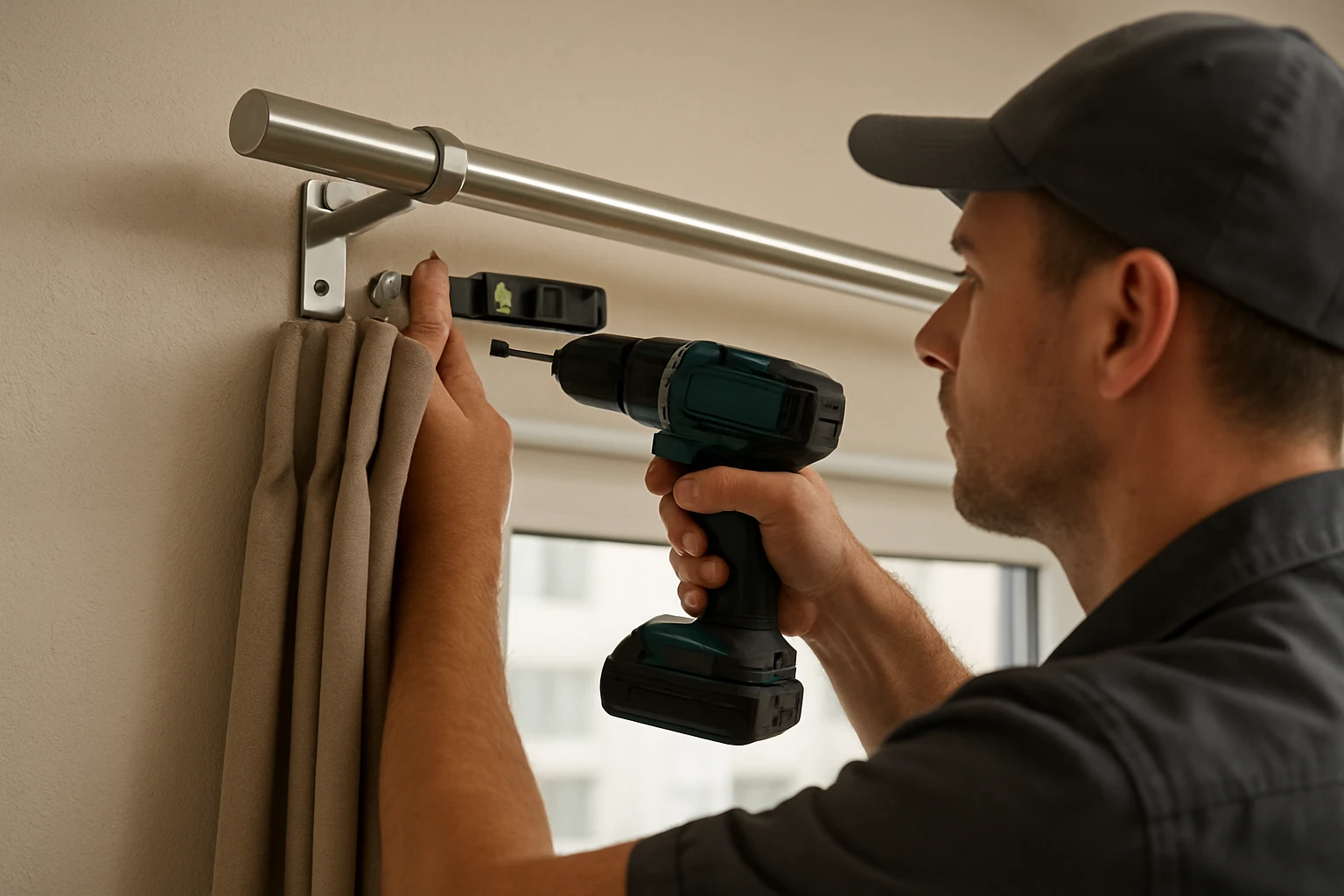
- Use a rod rated for the curtain weight. Heavy curtains need wall anchors or a double bracket.
- For long windows, add multiple support points to avoid sagging.
Signs It Is Time to Replace Curtains or Blinds
You do not always need to replace coverings that look a little tired. Watch for these clear signs instead.
- Fabric Thinning Or Holes: When light shows through unexpectedly or threads pull out.
- Persistent Stains That Do Not Wash Out: Yellowing or nicotine stains in older homes.
- Hardware Failure: Bent rods, snapped cords or rollers that no longer turn smoothly.
- Fading That Affects Privacy Or Appearance: When color loss lets the liner or window behind show.
- Smells That Won’t Go Away: Mildew or cigarette odor trapped in fabric often cannot be removed.
If several of these appear together, replacement is usually more economical than repair. For a list of replacement options, see Blinds Vs Curtains: How to Choose the Right Window Covering.
Cost, Value and When to Repair Instead of Replace
Repair can be a good choice for mechanical parts. You can replace rollers, motors or cords at lower cost than buying new coverings in many cases.
| Item | Typical Repair Cost | When Repair Makes Sense |
|---|---|---|
| Blind cord or tape | AED 100 – 150 | Single broken cord, slat intact |
| Roller mechanism | AED 150 – 250 | Roller works but is noisy or uneven |
| Curtain lining replacement | AED 80 – 200 | Fabric in good shape, lining failed |
| Motor service or replacement | AED 1000+ | Motor failed but fabric and tracks are fine |
A simple rule: if repair costs less than about 40 percent of a new, good-quality covering and the fabric still looks fine, repair is worth it. For motorized options and service advice, check Motorized Curtains.
Choosing Material for Each Room
Pick materials by how each room is used and how much light and moisture it gets.
- Living Room: Durable synthetics or blended fabrics usually give the best life and value. For options, see Best Material for Curtains for Every Room.
- Bedroom: Blackout-lined curtains add function and last well when the lining is fitted correctly. See Blackout Curtains.
- Bathroom or Kitchen: Faux wood blinds or PVC-coated roller blinds resist moisture better than real wood.
- Home Theater: Thick, sound-dampening curtains improve performance, and dedicated products survive heavy use better. See Theatre Curtains.
For fabric comparisons, the post Cotton Vs. Polyester Curtains: What Actually Lasts Longer? explains the trade-offs between comfort and lifetime and can help you pick the best option for busy rooms.
Quick Replacement Checklist
- Measure window width and drop precisely at three points.
- Match lining type to room (thermal, blackout, or plain).
- Check rod and bracket rating against curtain weight.
- If you plan a motorized system, factor in wiring or battery access.
If you need current buying recommendations for your area, our guide Best Curtains and Blinds in Dubai 2026: Buying Guide lists popular styles and local choices.
Final Practical Advice
The single biggest cause of early replacement is constant sun exposure without a UV filter on the glass. A cheap window film or a lined curtain will pay back in longer life. Also, a well-mounted mid-range curtain often outlasts a poorly hung premium fabric because good hardware prevents stress. Do light cleaning regularly and inspect seams and mechanisms once a year to get the best value from whatever material you choose.
Frequently Asked Questions
How Often Should Curtains Be Cleaned to Extend Their Life?
Light dusting weekly and a vacuum on low once a month keeps fabric from becoming abrasive; wash sheers every 6 to 12 months and dry clean heavy curtains annually or every two years depending on use.
Do Blackout Curtains Last Longer Than Regular Curtains?
Blackout curtains can last as long as regular curtains, but their lining can fail sooner. Choose high-quality lining and check for delamination to get the best life.
How Long Do Motorized Curtain Systems Usually Last?
Motorized systems often last 8 to 20 years; electronics and motors tend to need service or replacement first, while the fabric may still be fine.
Can I Repair a Blind with a Broken Slat or Cord?
Yes. Replacing a cord or single slat is usually low cost and extends life, but heavily dented blinds or widely frayed tapes are often better replaced.
Are Wooden Blinds a Good Long-term Choice for Humid Rooms?
Solid wood is not ideal for humid rooms because it can warp; faux wood or PVC-coated blinds resist moisture better and usually last longer in kitchens and bathrooms.
When Should I Replace Curtains for Aesthetic Reasons Rather Than Wear?
Replace when fading, fabric thinning or lining failure affects privacy or the room look; if the fabric is simply out of style but structurally sound, re-lining or changing hardware is a lower-cost option.