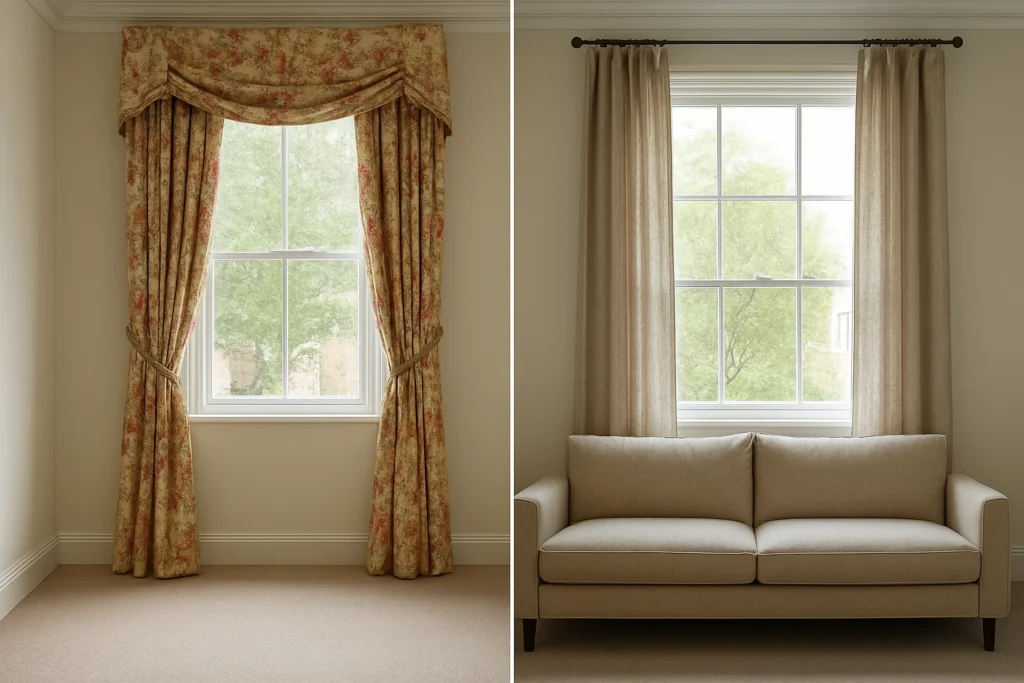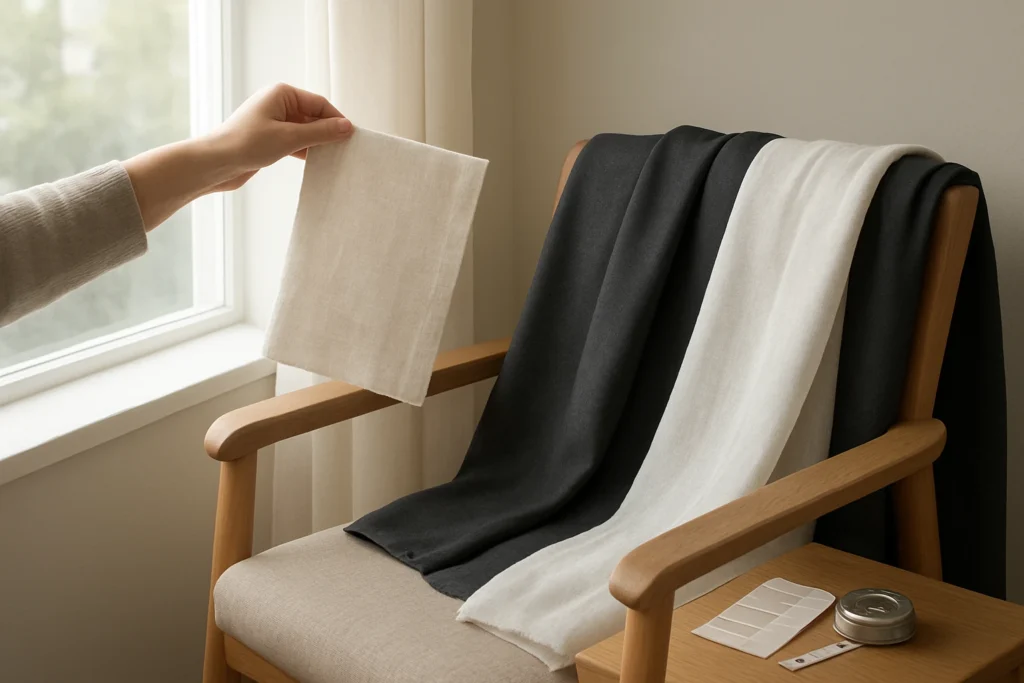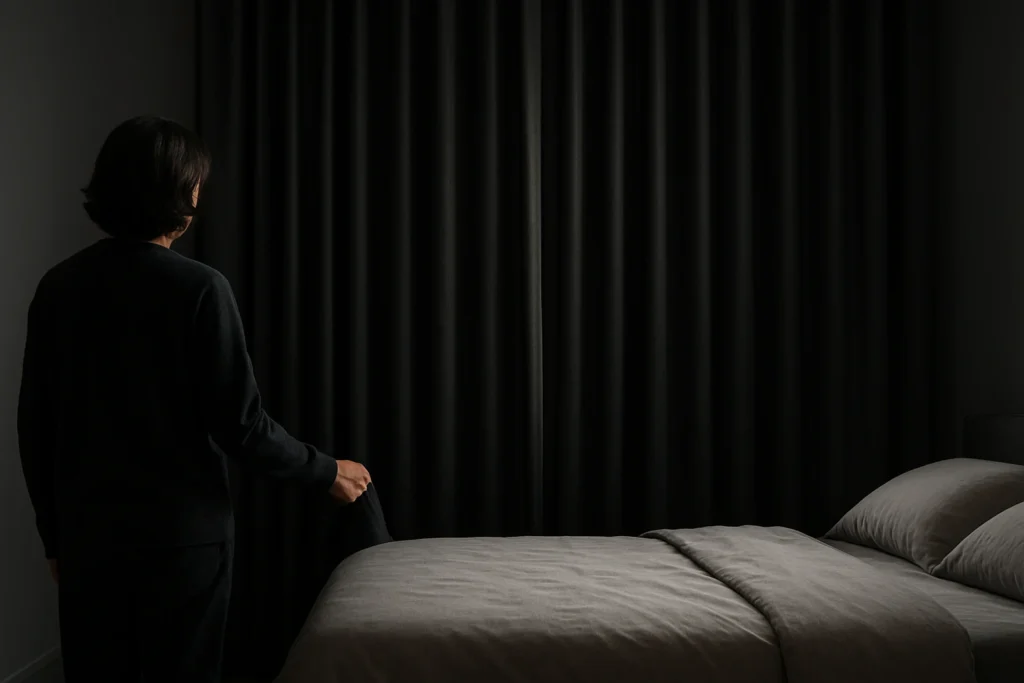

Pencil pleat, eyelet and pinch pleat headers each make a different statement and control light differently, so choose the one that fits how you use the room and the look you want. Pencil pleat is flexible, fits tracks and most poles, and works well with layered curtains. Eyelet gives neat, regular folds and suits visible poles. Pinch pleat looks tailored and formal, ideal for living and dining rooms. Think about the rod type, how full you want the curtains, the fabric weight and how much light control you need.
Curtains and Blind recommend picking a header that matches both the room use and the hardware you already have, because changing poles or tracks adds cost and extra work.
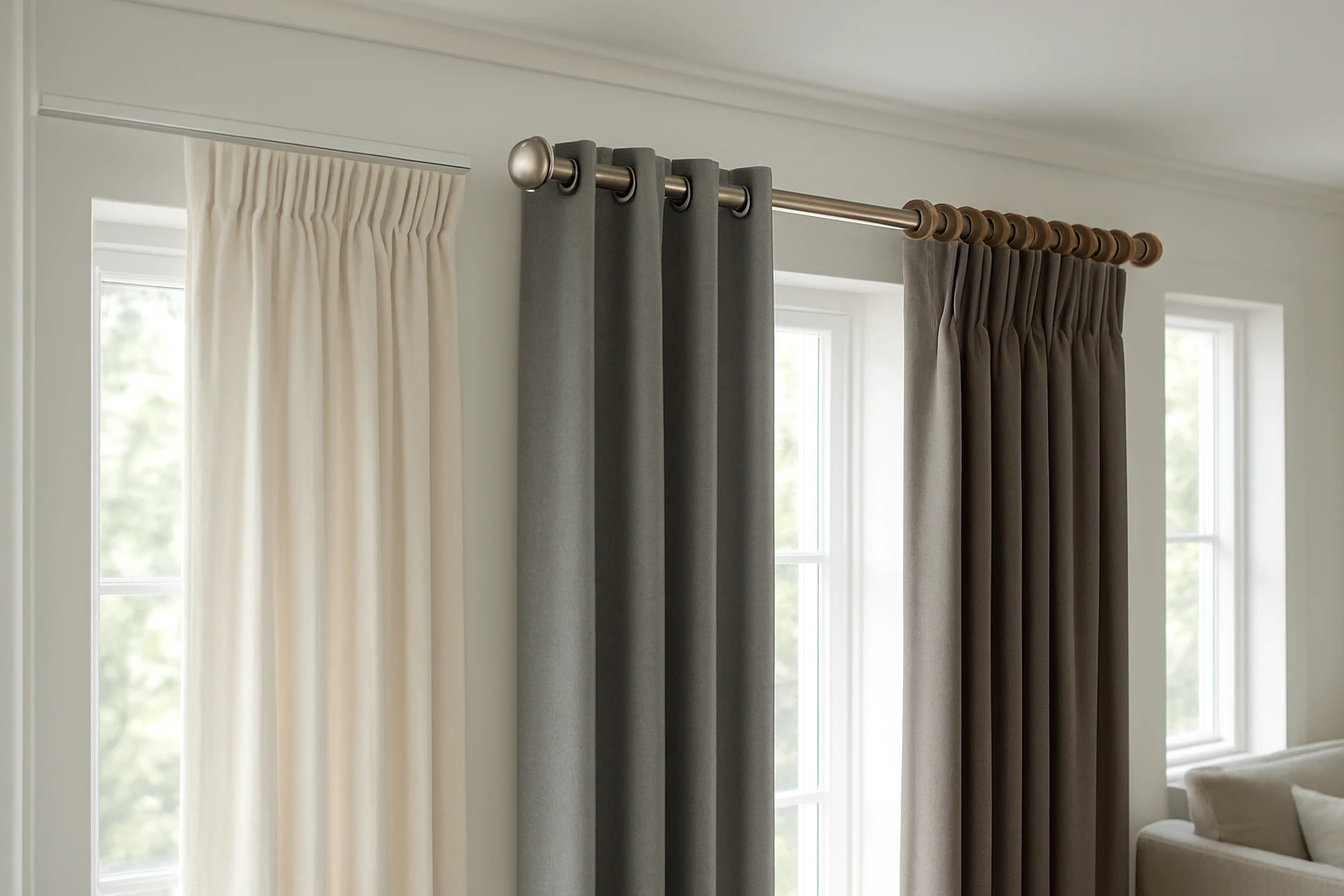
How Pencil Pleat Eyelet and Pinch Pleat Differ
Start by looking at how each header is made and how it hangs. That affects the look, the movement and the hardware you need.

Pencil Pleat Overview
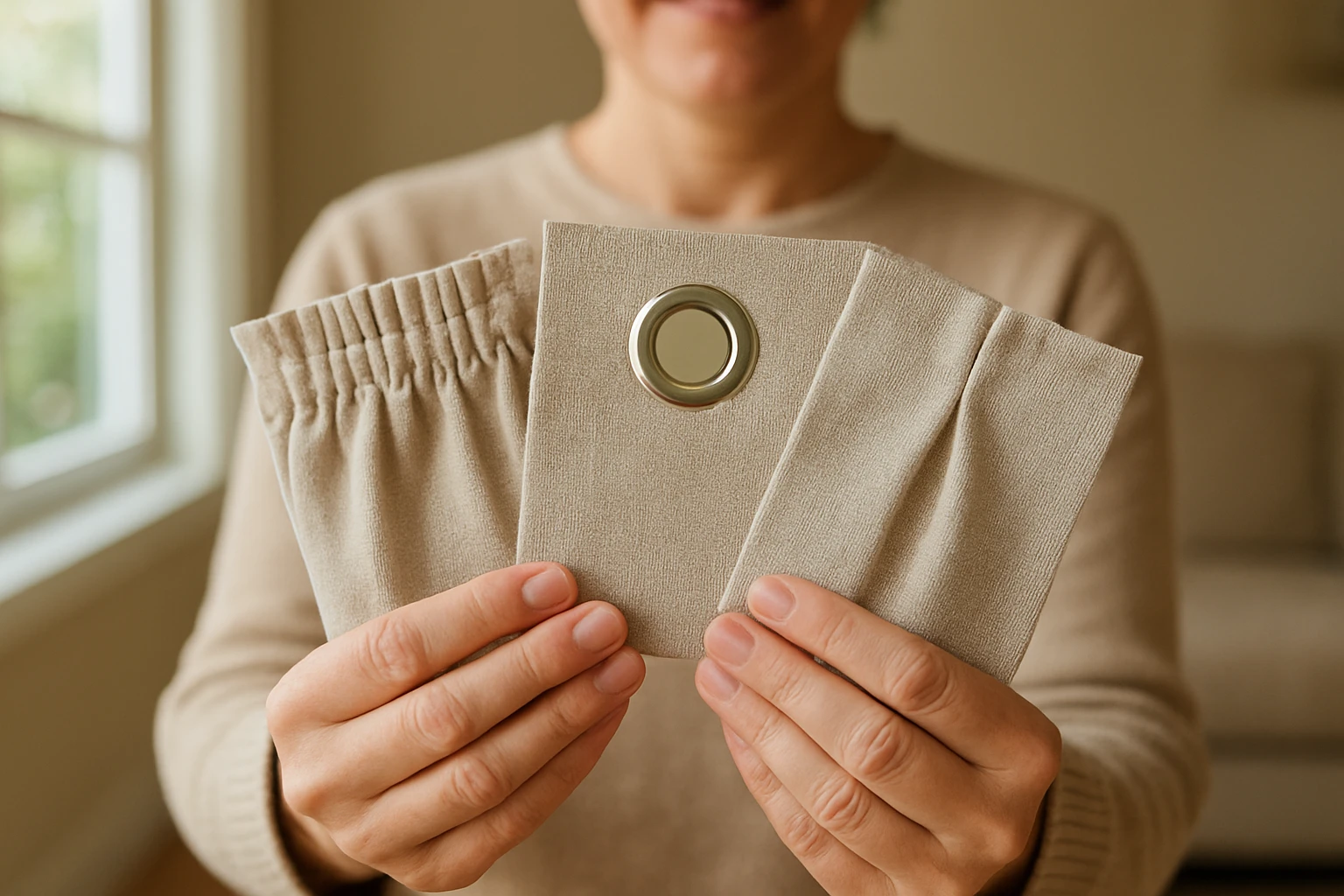
Pencil pleat uses a narrow gathered tape at the top. The tape is pulled to form small, even folds that look soft and slightly relaxed. It fits curtain tracks and most poles and is easy to make to measure. A common fullness is two to 2.5 times the finished width, which means the fabric is gathered to give soft folds.
Link: For made-to-measure options see Pencil Pleat Curtains.
Eyelet Overview
Eyelet curtains have metal rings pressed into the top edge. The rings slide on a visible pole and create wide, regular folds. This header suits modern, minimalist rooms and fabrics that hold their shape. Make sure the pole has enough clearance for the rings to slide freely.
Link: For styles and finishes see Eyelet Curtains.
Pinch Pleat Overview
Pinch pleat has sewn pleats grouped at set intervals. The result is an elegant, formal drape that keeps its shape. It is common in living and dining rooms or formal bedrooms where you want a neat, tailored look. Pinch pleat is usually hung from a pole with hooks or from a track with rings.
Link: For tailored pinch pleat work see Pinch pleat curtains.
Side by Side Feature Comparison
This table shows the key practical differences at a glance so you can match look and function quickly.
| Feature | Pencil Pleat | Eyelet | Pinch Pleat |
|---|---|---|---|
| Typical Style | Soft, casual | Modern, neat | Formal, tailored |
| Best Hardware | Tracks or poles | Visible poles | Decorative poles or tracks |
| Fullness Recommended | 2 to 2.5x | 1.5 to 2x | 2 to 2.5x |
| Ease Of Installation | High | High (pole must fit rings) | Moderate (requires hooks) |
| Best Fabrics | Sheers to medium weight | Medium to heavy | Medium to heavy |
| Ideal Rooms | Bedrooms, layered windows | Contemporary living rooms, kitchens | Formal living, dining, master bedrooms |
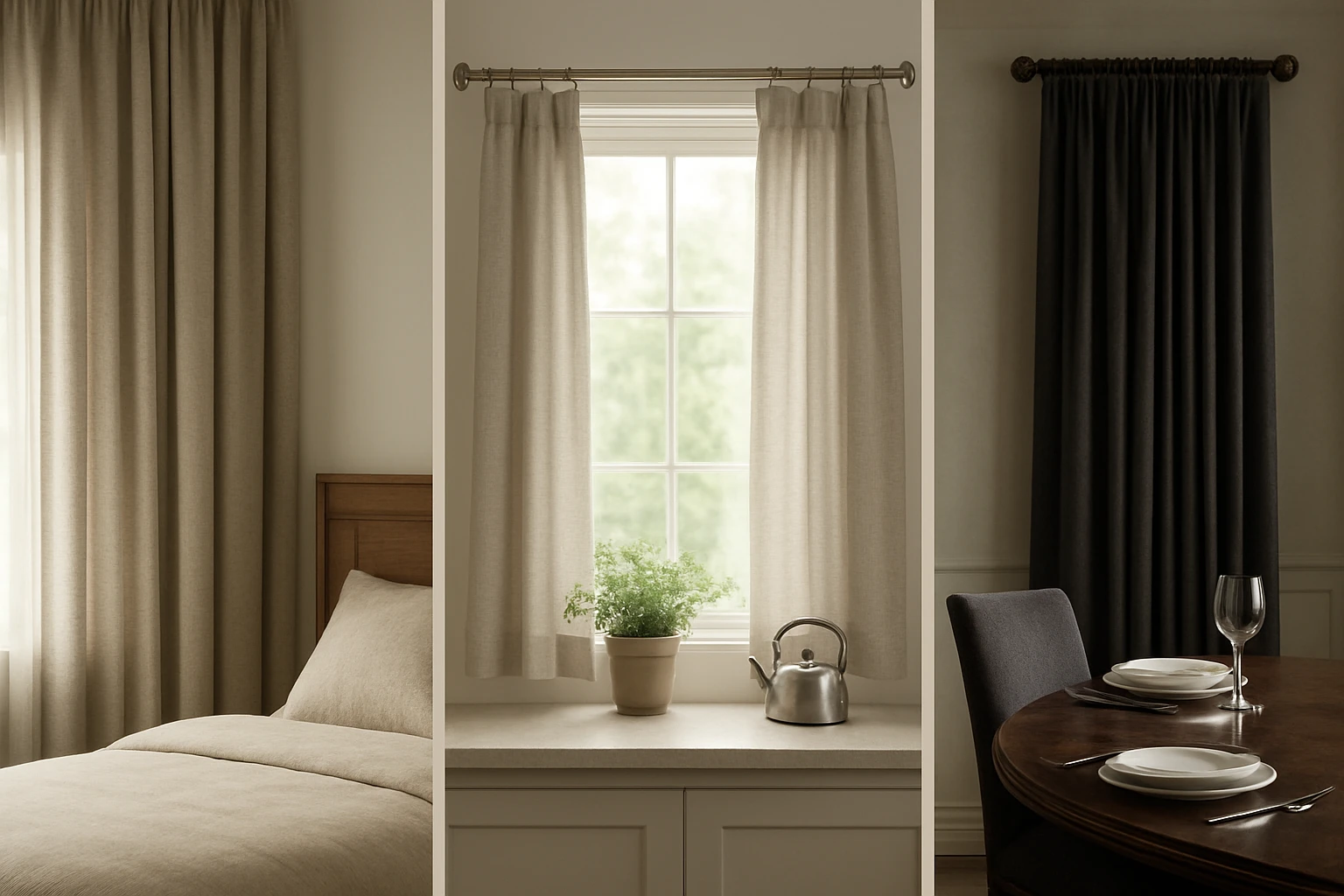
Which Header Works Best for Each Room
Pick by function as much as by style. Think about how much light you want to block, how often the curtains will be opened, and whether a polished or relaxed look fits the room.

- Bedroom: Pencil pleat is very versatile for layering sheers and blackout linings. That helps control light and privacy for sleep. See layering tips in How to Layer Sheer and Blackout Curtains for Better Light Control.
- Living Room: Pinch pleat gives a formal, polished look for main reception rooms. Eyelet can give a clean, modern feel if you like visible poles and smoother waves.
- Kitchen And Utility: Eyelet often suits simpler fabrics and shorter drops because it is quick to open and neat to handle.
- Children’s Rooms And Casual Spaces: Pencil pleat is forgiving with fabric widths and works well on child-safe tracks.
Fabric Choice Fullness and Lining
Fabric weight and lining change how a header looks and performs, so match the fabric to the header and the room’s role.
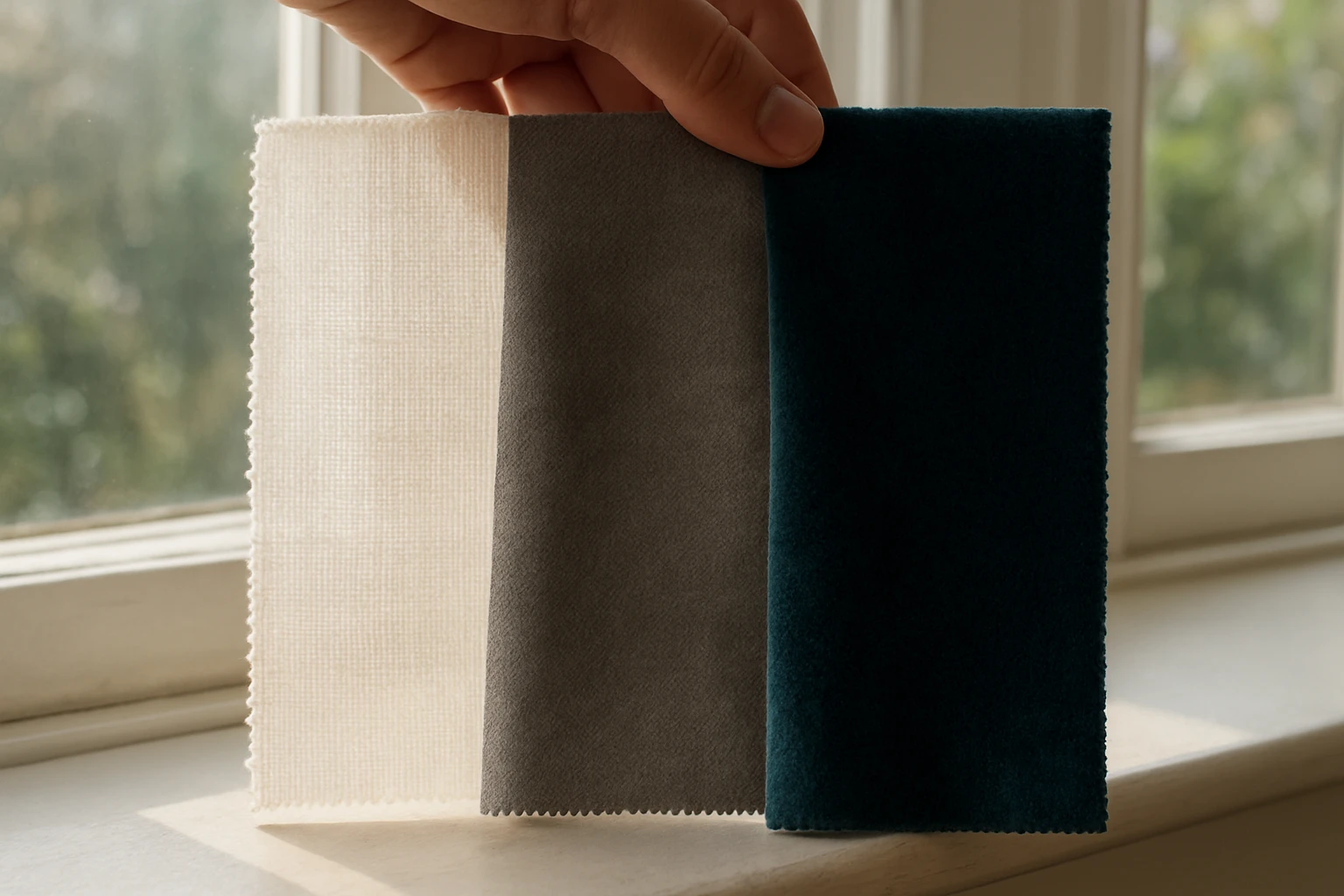
- Lightweight sheers: Best with pencil pleat because the gathered folds look soft. If you need privacy or blackout, add lining or a second layer.
- Medium fabrics: Work with all headers. Pinch pleat will hold shape, eyelet will form clean waves, pencil pleat will feel relaxed.
- Heavy fabrics: Look formal with pinch pleat and hang well on strong tracks with pencil pleat. Eyelet needs the right ring size and a sturdy pole.
Fullness rule of thumb: choose two to 2.5 times the fabric width for a gathered look with pencil and pinch pleats, and 1.5 to two times for eyelet so the folds sit neatly on the pole.
How to Measure and Order Correctly
Good measuring stops reorders and poor fits. Measure the window and the pole or track before you order.
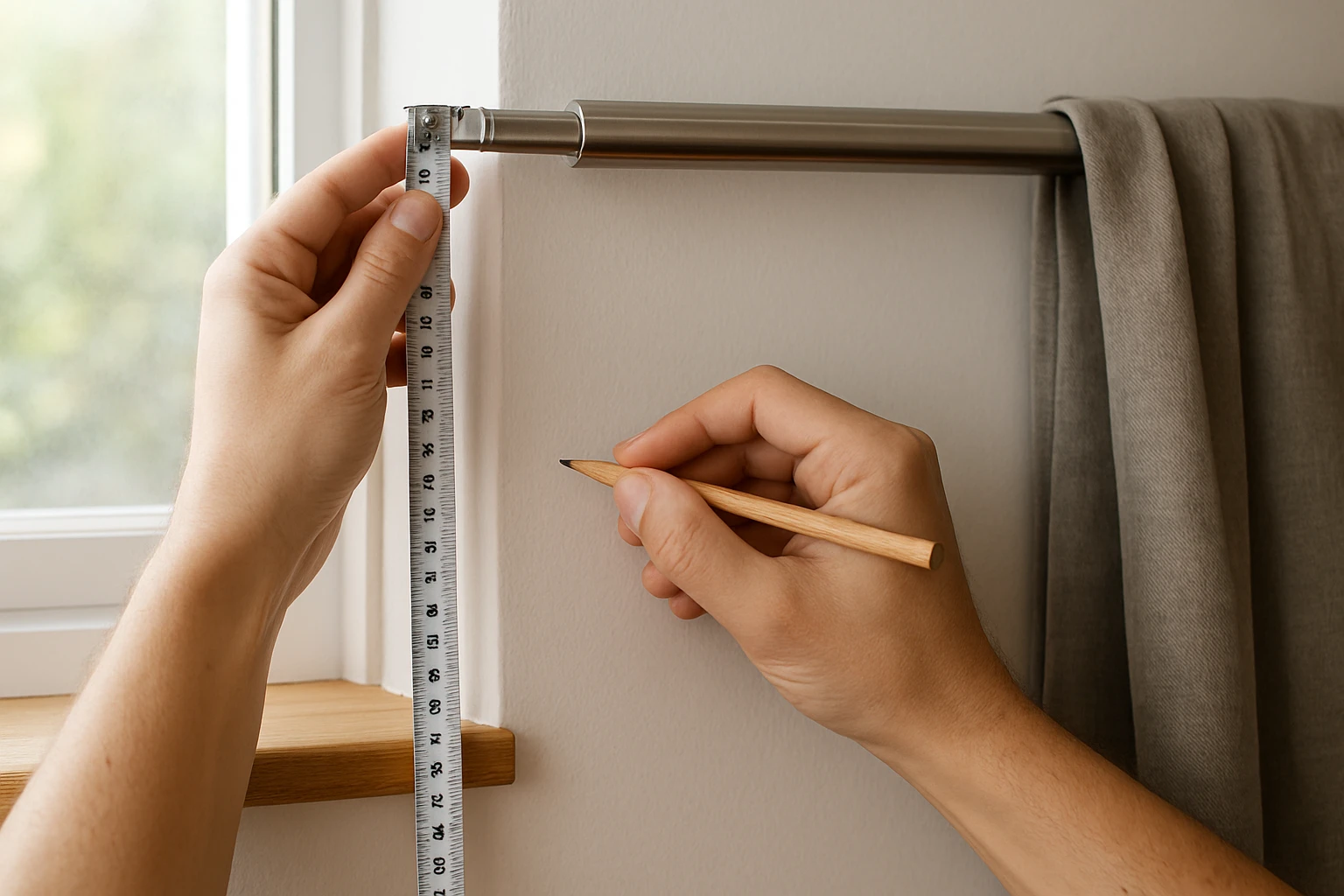
Step One: Essential Measurements:
Measure the finished curtain width and the drop, not just the glass. For width, measure the pole length or track length and add overlap for stacking if needed. For drop, measure from the curtain rod or track to where you want the curtain to finish.
Tool Checklist:
Tape measure, ladder or step stool, notepad and a helper for wide windows are useful. If you prefer a professional fit, see how to measure at How to Measure for Curtains.
Common fit notes: eyelet curtains need a pole diameter that fits the rings and enough clearance for the fabric to pass without catching. Pinch pleat needs room for hooks inside the rings or on the pole.
Installation Tips and Hardware Choices
Hardware affects movement and appearance as much as the header. Pick poles, rings or tracks that suit your header.
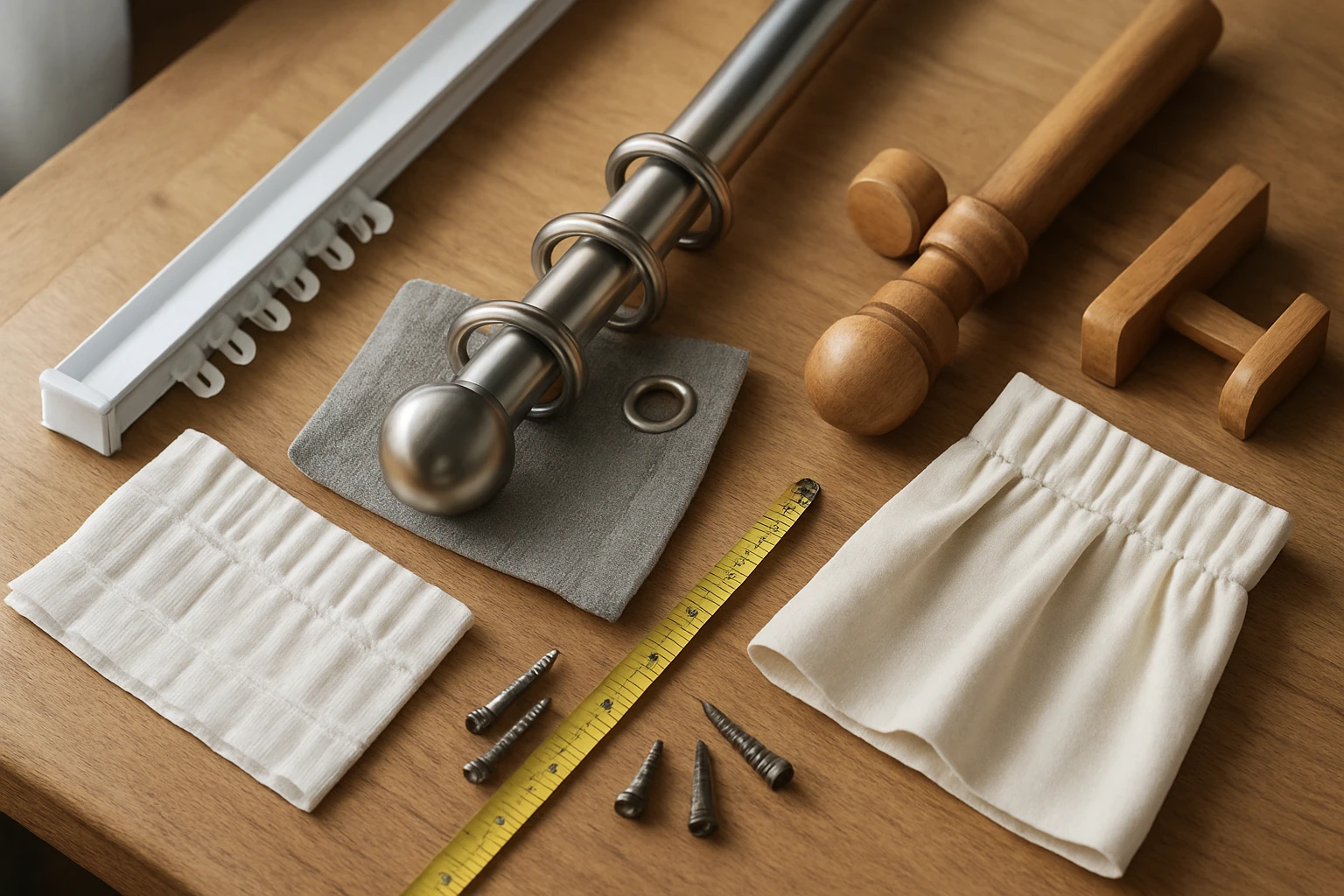
- Tracks are best for pencil pleat and where you need smooth, hidden gliding, such as wide sliding doors. Tracks give the neatest movement and many designs are child-safe.
- Poles suit eyelet and pinch pleat if you want the pole to be a visible feature. Choose a pole diameter that matches the ring size so eyelet rings slide freely.
- Brackets and clearance matter. Allow at least 7 to 10 centimetres from the wall so curtains clear handles and stack open without blocking light.
Care and Maintenance
How you clean and care for curtains depends on the fabric and the header type. Bad care shortens life and spoils the look, so follow the instructions.

- Regular dusting or vacuuming on low keeps fabric fresh.
- Check the manufacturer label before machine washing. Some lined or heavy curtains are dry-clean only.
- Steamers are often safer than hot ironing, especially for pleated headers that can flatten if pressed the wrong way.
Common Mistakes and How to Avoid Them
A frequent mistake is picking a header for looks alone and not checking hardware compatibility. That causes returns and wasted time. Another is underestimating fullness, so curtains end up flat.
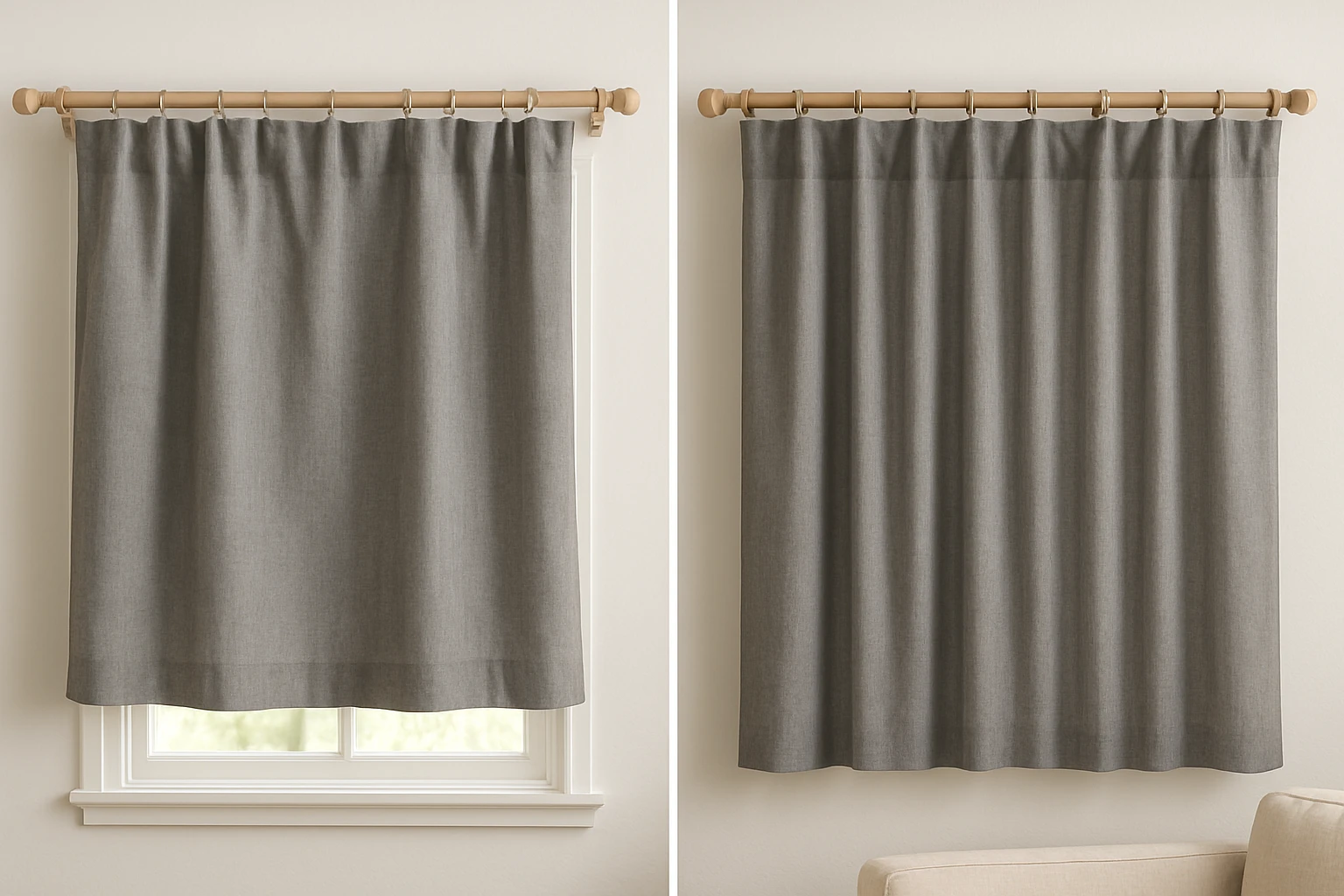
Tips to avoid problems:
- Match the header to your existing hardware or plan to change hardware before ordering.
- Order the correct fullness for the look you want and check stacking allowance if you need clear views when curtains are open.
- For eyelet, check pole diameter and ring size. For pinch pleat, confirm hook type and spacing before sewing.
Decision Checklist and Quick Picks
Use this quick checklist when deciding so you do not miss the key points.
Checklist:
- What is the main function: style, blackout, or frequent use?
- What hardware is in place: pole or track?
- What fabric weight do you prefer and will it need lining?
- Do you want a formal look or a relaxed finish?
Quick picks:
- For layered windows and flexible fitting: pencil pleat.
- For modern, visible poles and easy movement: eyelet.
- For formal rooms and a tailored finish: pinch pleat.
If you still need help choosing between curtains and blinds, read Blinds Vs Curtains: How to Choose the Right Window Covering for wider context and practical trade-offs.
Final Practical Notes
In our experience the best choice balances how a room is used and the hardware you want to keep. If you plan to change poles or add tracks, add that cost into your budget. Small choices in fullness, lining and hardware shape the final look more than small changes in pattern.
If you want tailored work or a full design consultation, check the service pages linked in the article or contact a specialist fitter through the site Home page at Curtains and Blind for precise quotes and professional installation.
Frequently Asked Questions
Which Header Is Best for Blackout Curtains?
Pinch pleat and pencil pleat both work well with blackout linings because they allow for deep folds and good fabric overlap. If you need a neat modern look with blackout, pencil pleat layered with a blackout lining or a separate blackout track gives flexibility.
Can Eyelet Curtains Be Used on a Track?
Eyelet headers are designed for poles rather than tracks because the metal rings need to slide over a rounded pole. Using them on a track usually causes friction and poor movement.
How Much Fullness Should I Order for Each Header?
A practical rule is 2 to 2.5 times the finished width for pencil and pinch pleat to keep a gathered look, and 1.5 to 2 times for eyelet so the folds lie neatly on the pole.
Are Pinch Pleat Curtains Harder to Hang Than Pencil Pleat?
Pinch pleat needs hooks and precise spacing, so installation can be slightly more involved than pencil pleat which often uses a gathered tape and gliders or simple hooks. A professional fitter can make pinch pleat hang perfectly.
Which Header Is Easiest to Clean?
Cleaning depends more on fabric than header. Light fabrics that are machine washable are easiest, while lined or heavy fabrics often need professional cleaning. Use a steamer to refresh pleats without flattening them.
Will Changing the Header Affect My Curtain Measurements?
Yes. Different headers change fabric fullness and how much space the curtain stacks at the sides, so recheck width and stacking allowance when switching header types.