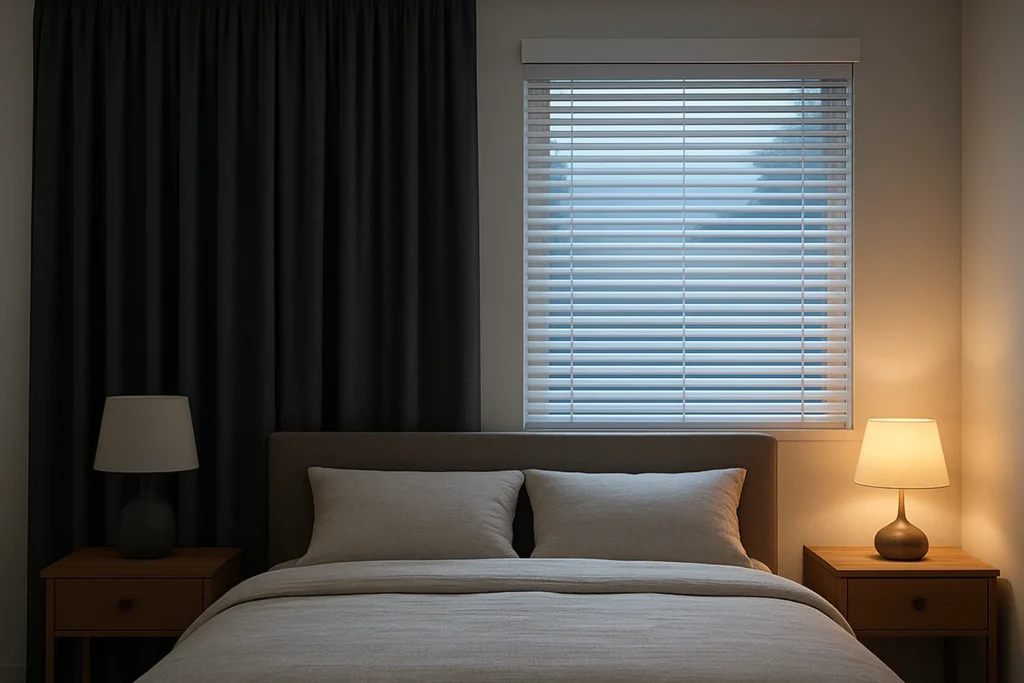
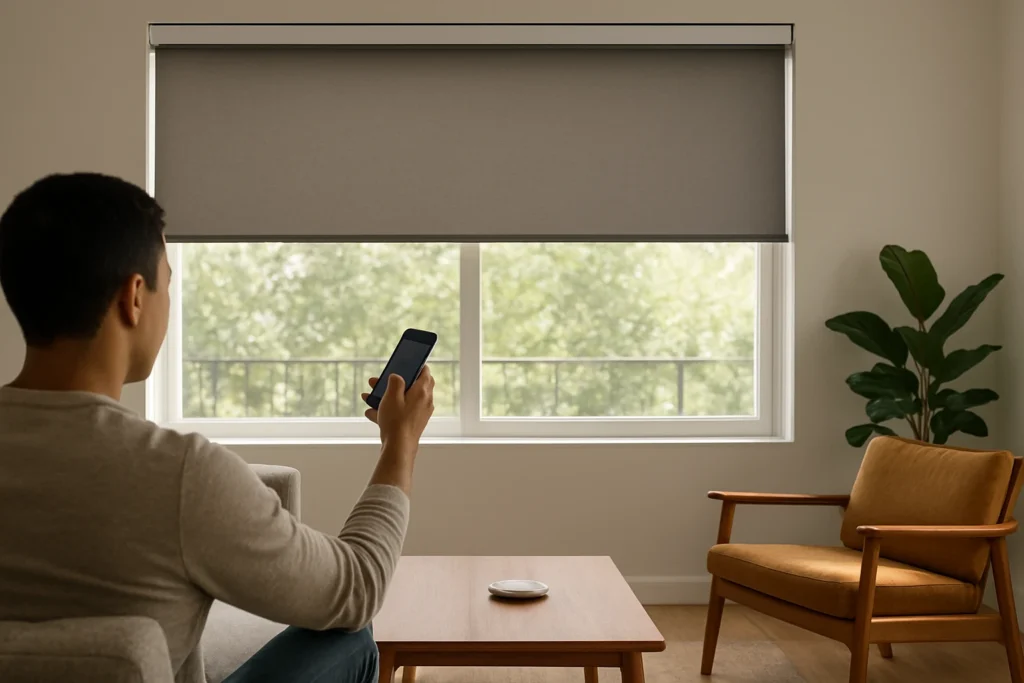
Motorized blinds let you open and close shades with a remote, a schedule, or a voice command. They cost more up front than manual blinds, but they can save time, cut heat gain, improve safety, and last longer when installed properly. For most homes, the choice comes down to budget, how you use each room, and whether smart home features matter.
In this guide, Curtains and Blind walks you through the real costs, likely benefits, and practical questions to ask before you buy.
How Motorized Blinds Work
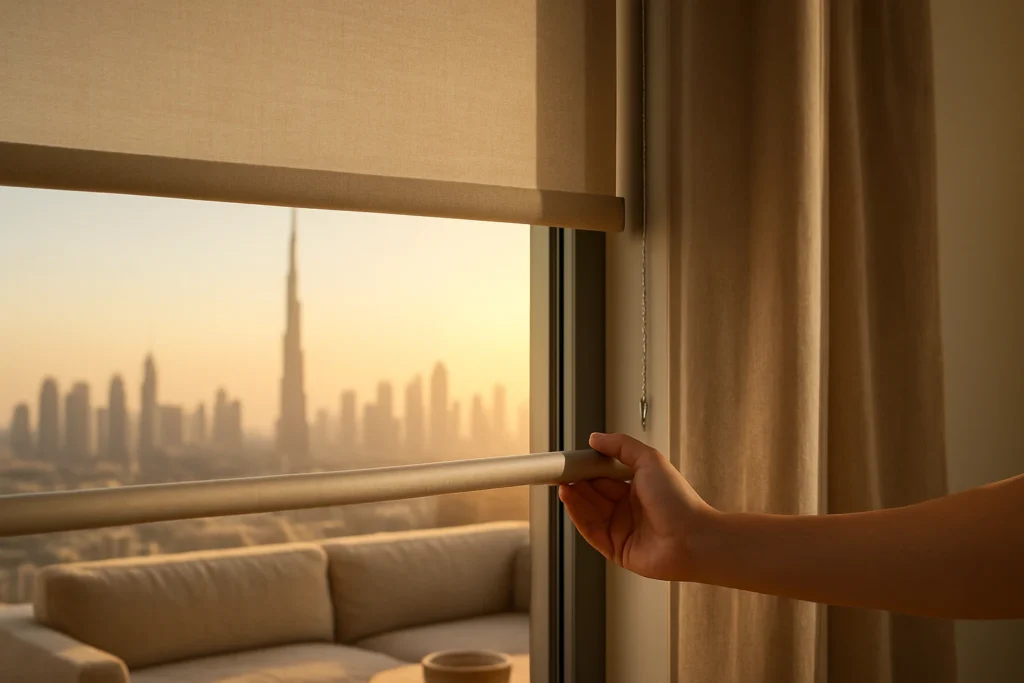
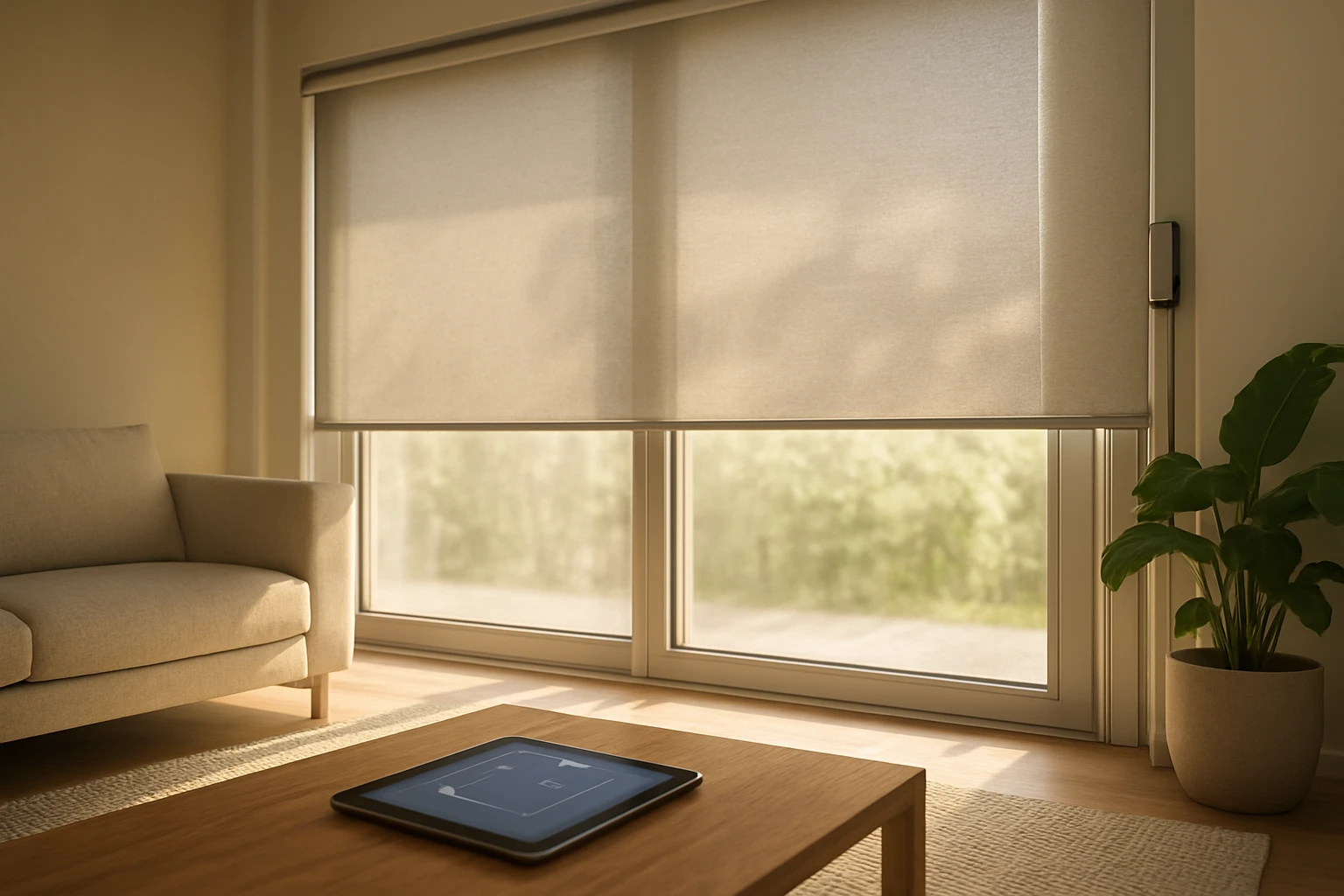
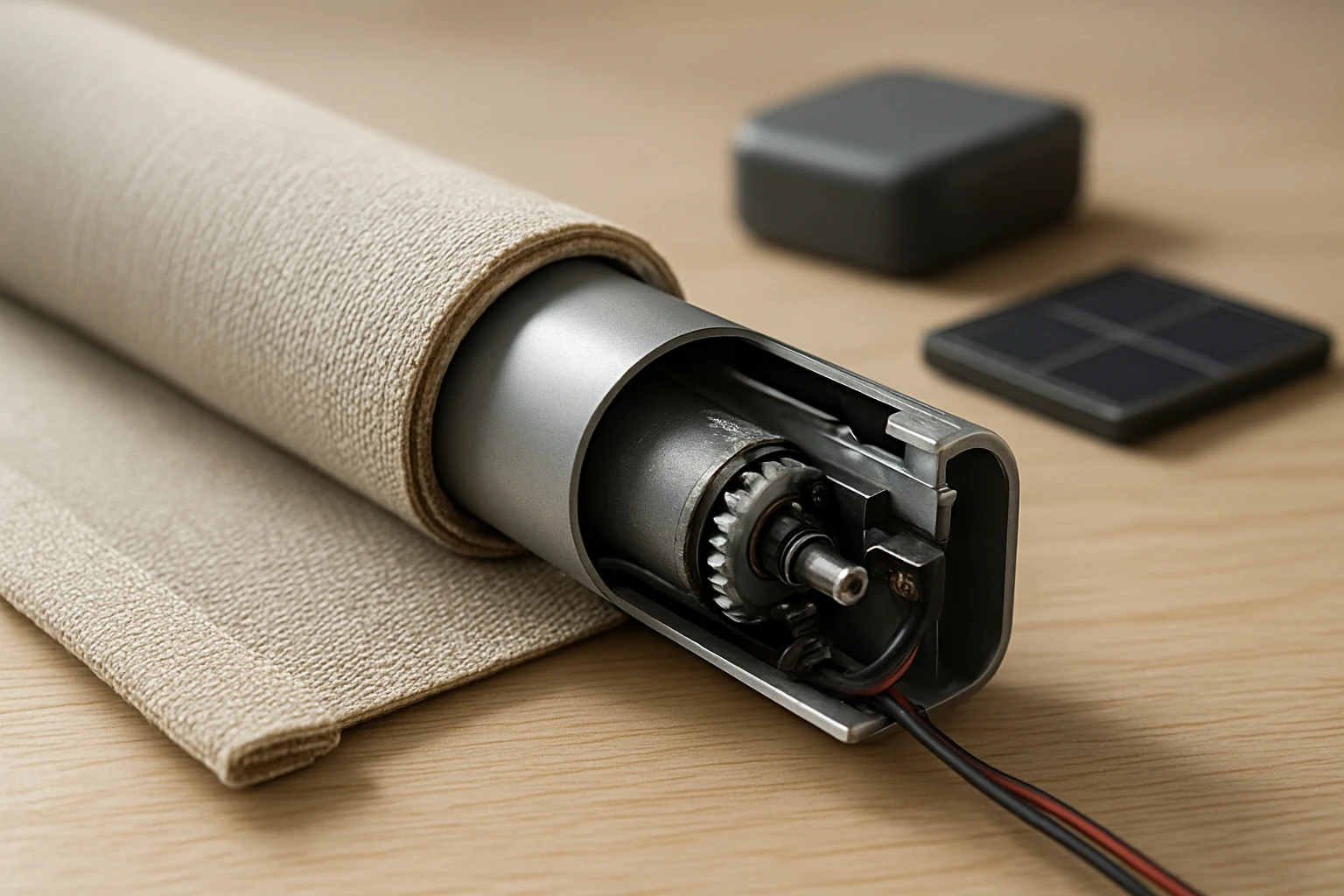
Motorized blinds have a small electric motor inside the roller tube or headrail that moves the fabric or slats. A remote, wall switch, app, or voice assistant sends a command and the motor raises, lowers, or tilts the blind. Most systems use low-voltage wiring, rechargeable batteries, or solar cells. Many models let you program limits so the blind stops exactly where you want.
Motor Types and Power Options
- Low-voltage wired motors: best for new builds or major remodels because wiring is hidden and the system is very reliable. They need a transformer at the electrical panel or a nearby outlet.
- Battery-operated motors: easy to retrofit and low cost to install, though batteries must be changed or recharged from time to time. Rechargeable options reduce waste and hassle.
- Solar-powered motors: a good choice for sunlit windows where running wires is hard. In bright climates they can keep charged year-round.
Costs and Return on Investment
Motorized blinds cost more than manual options mainly because of the motor, controls, and any wiring work. Below is a clear table of typical price ranges you will see in many markets. These are estimates so use them to set expectations and compare quotes.
| Item | Typical Cost Range (Per Window) | Notes |
|---|---|---|
| Basic Battery Motorized Roller Blind | AED 800 to AED 1,500 | Simple remote control, good for retrofit projects |
| Wired Motorized Roller or Venetian Blind | AED 1,200 to AED 2,500 | Requires electrician if no existing wiring |
| High-End Motorized Blinds With Smart Hub | AED 2,500 to AED 5,500 | Includes app, voice control, timers, premium fabric |
| Installation Only (no wiring) | AED 150 to AED 400 | Basic fitting; wiring or electrician extra |
A few practical points to judge return on investment:
- Energy and shading. You can schedule blinds to close on hot afternoons and open in the morning. That can reduce cooling and lower energy use over time. Savings depend on your climate and glazing.
- Lifespan and wear. Motorized systems move blinds more smoothly and reduce pulling stress. That can extend the life of the fabric and mechanisms compared with daily manual use.
- Time and convenience. For large homes, tall windows, or many windows, the time saved adds up every day.
Benefits and Drawbacks
Motorized blinds bring clear benefits for certain rooms and users while adding cost and a small amount of technical upkeep. Below is a side-by-side view to help weigh the choice.
| Benefit | Why It Matters |
|---|---|
| Convenience | One button or voice command controls many windows, useful for large homes and high windows |
| Safety | No cords reduce strangulation risk for children and pets |
| Energy Control | Scheduled shading cuts heat gain and can lower cooling runs in sunny climates |
| Aesthetics | Clean look with hidden headrails and consistent operation |
| Integration | Works with timers, sensors, and smart home systems for automation |
| Drawback | What To Expect |
|---|---|
| Higher Upfront Cost | Motors and smart controls add to the price compared with manual blinds |
| Dependence On Power | Batteries, wiring, or solar cells are required and need occasional attention |
| Repair Complexity | Motor faults or controller issues need a trained technician |
A common mistake is buying the most expensive motor without matching it to how you will use the blind. Choose features that fit real needs and you will get better long-term value.
Types and When to Choose Each
Many blind styles are available motorized, and the right choice depends on room use, light control needs, and budget. Below we list common types and quick guidance on when each fits best.
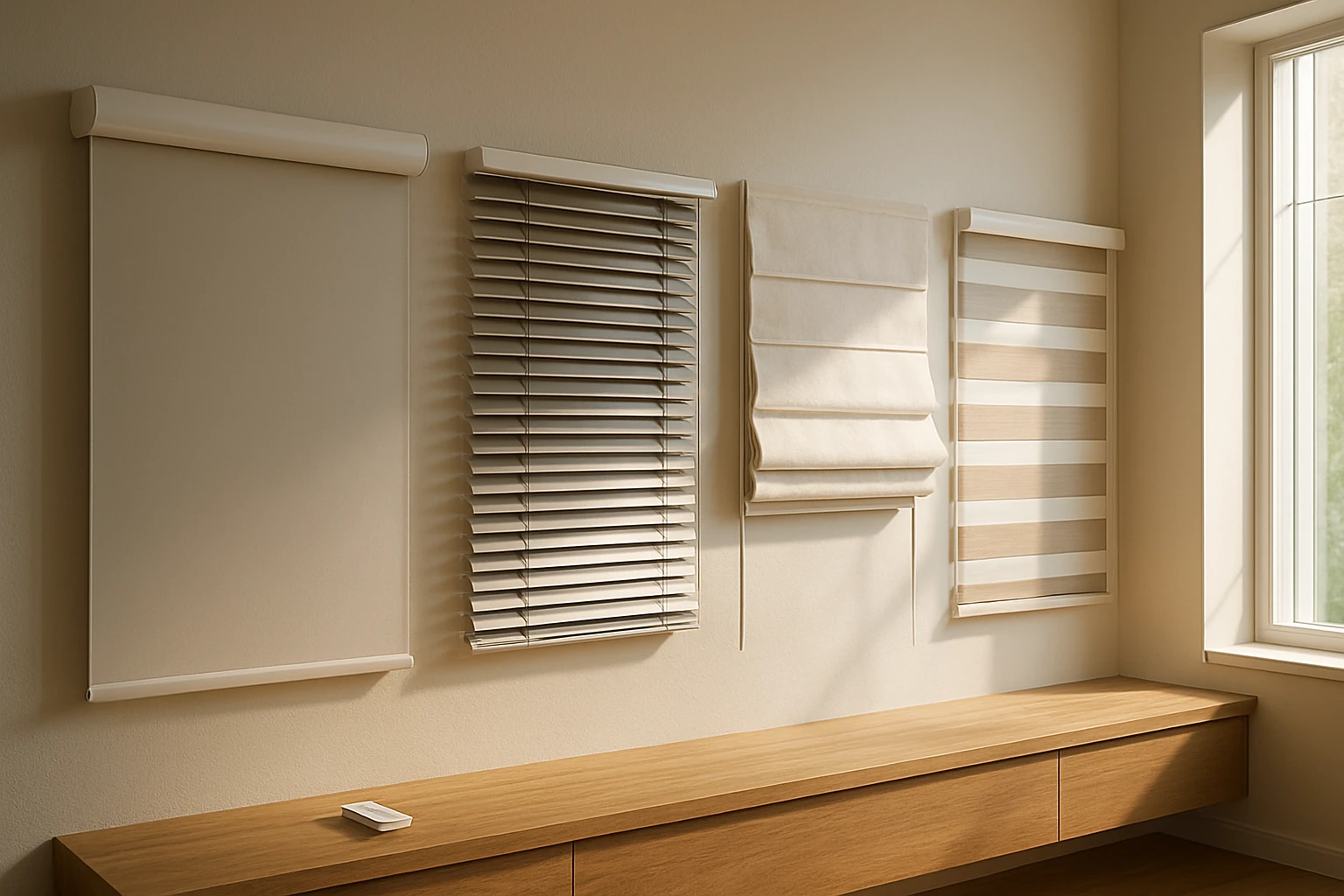
Common Blind Types That Can Be Motorized
Roller Blinds:
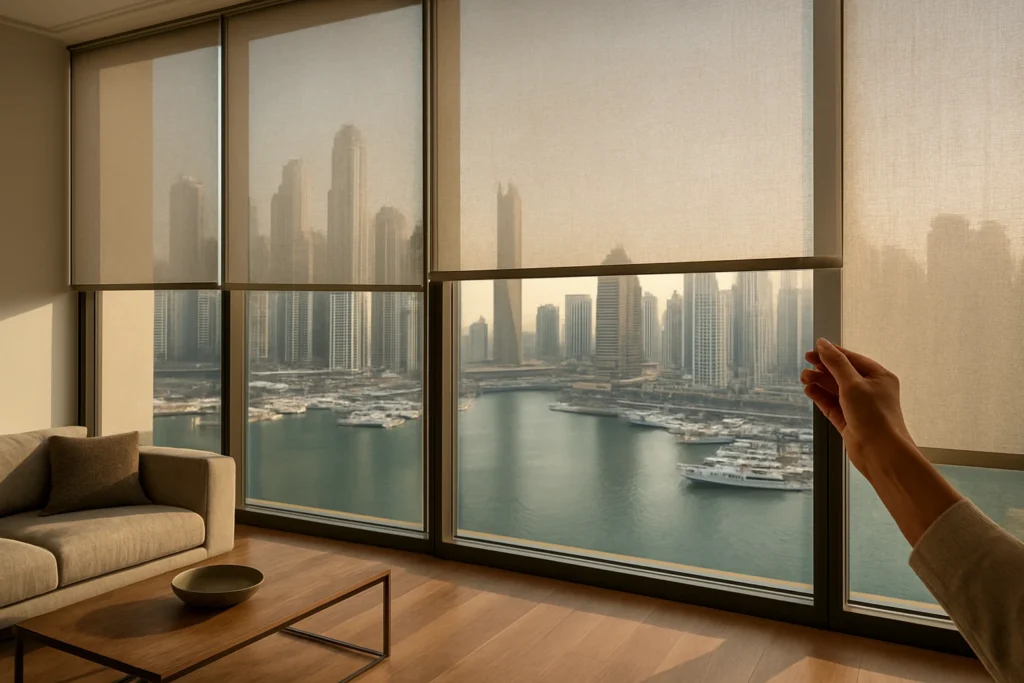
Roller blinds are simple and cost-effective. They work well for large windows and use tubular motors for clean operation.
Venetian Blinds:
Motorized Venetian blinds tilt slats for precise light control. They are a good pick for offices and living rooms where glare control matters. Link: Venetian Blinds.
Roman Blinds:
Roman blinds give a softer look and fold neatly when raised. Motorization keeps the fabric moving smoothly and prevents snagging.
Zebra Blinds:
Zebra blinds alternate sheer and solid bands for layered light control. Motorization makes switching between privacy and light fast and simple.
Blackout Blinds:
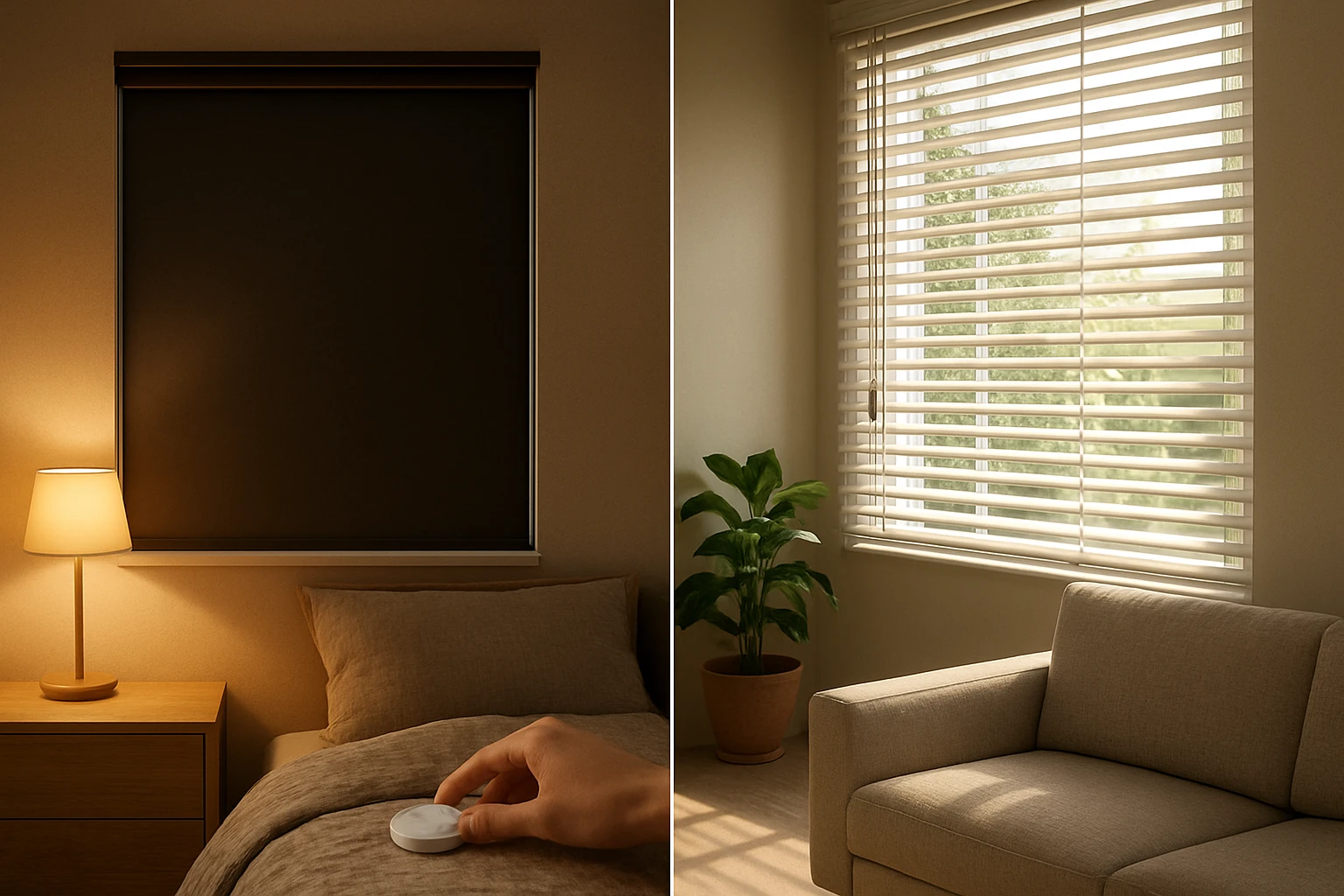
For bedrooms and media rooms, motorized Blackout Blinds deliver reliable darkness on demand. They make it easy to keep a sleep schedule.
Outdoor Blinds:
Outdoor motorized blinds protect patios and pair well with weatherproof motors. See Outdoor Blinds for options that resist sun and moisture.
Office Blinds:
In commercial settings, motorized systems let you control many windows from one place. That reduces glare and improves comfort for staff. See Office Blinds for typical solutions.
Installation and Maintenance
A good installation makes a big difference in how well motorized blinds perform and how long they last. Use an experienced fitter and check the warranty and service terms before buying.

Typical Installation Steps
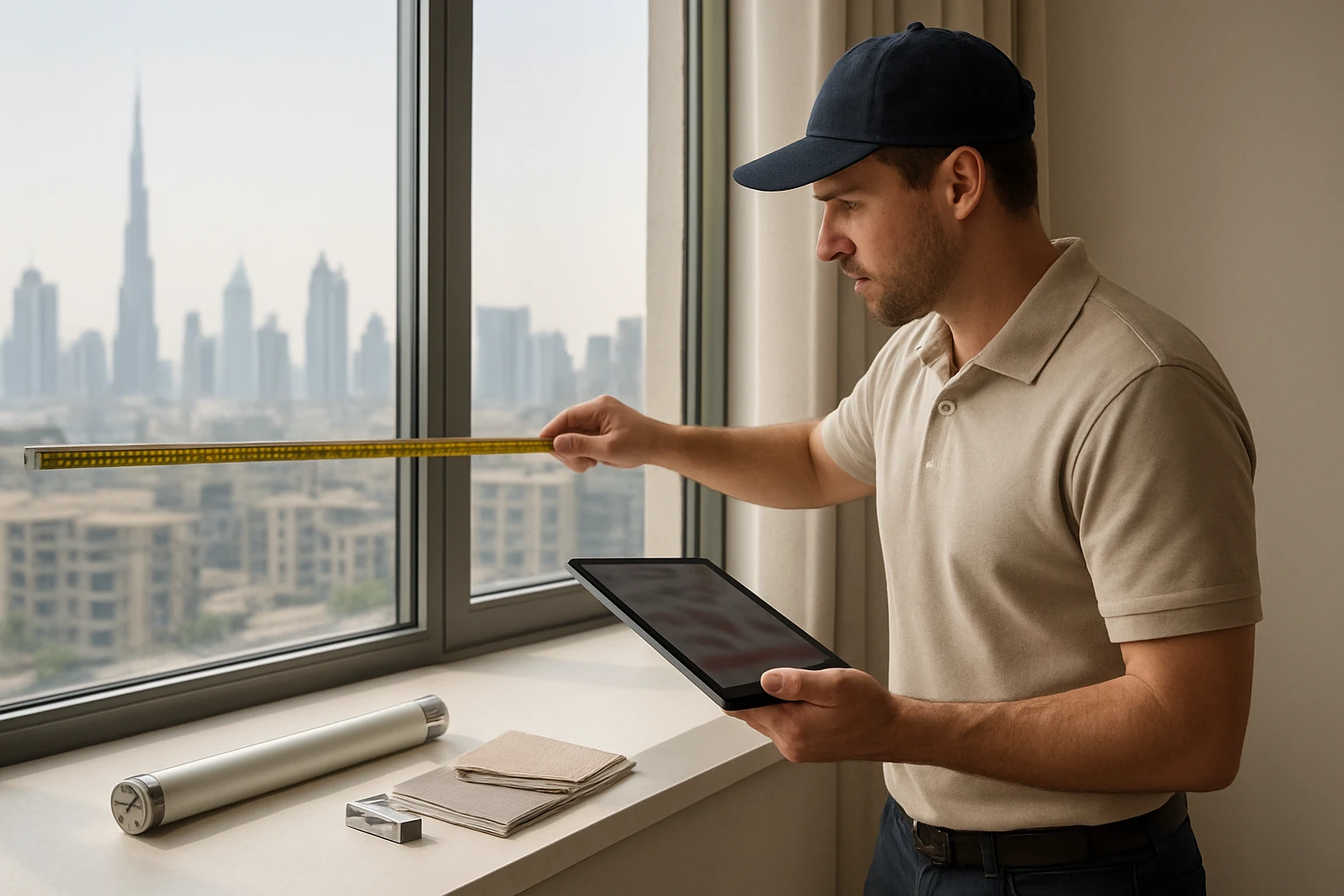
- Site measure and product selection. Measure windows precisely and pick motors rated for the blind size and weight.
- Wiring or power setup. For wired motors an electrician will route low-voltage cable and mount a transformer. Battery or solar options skip wiring.
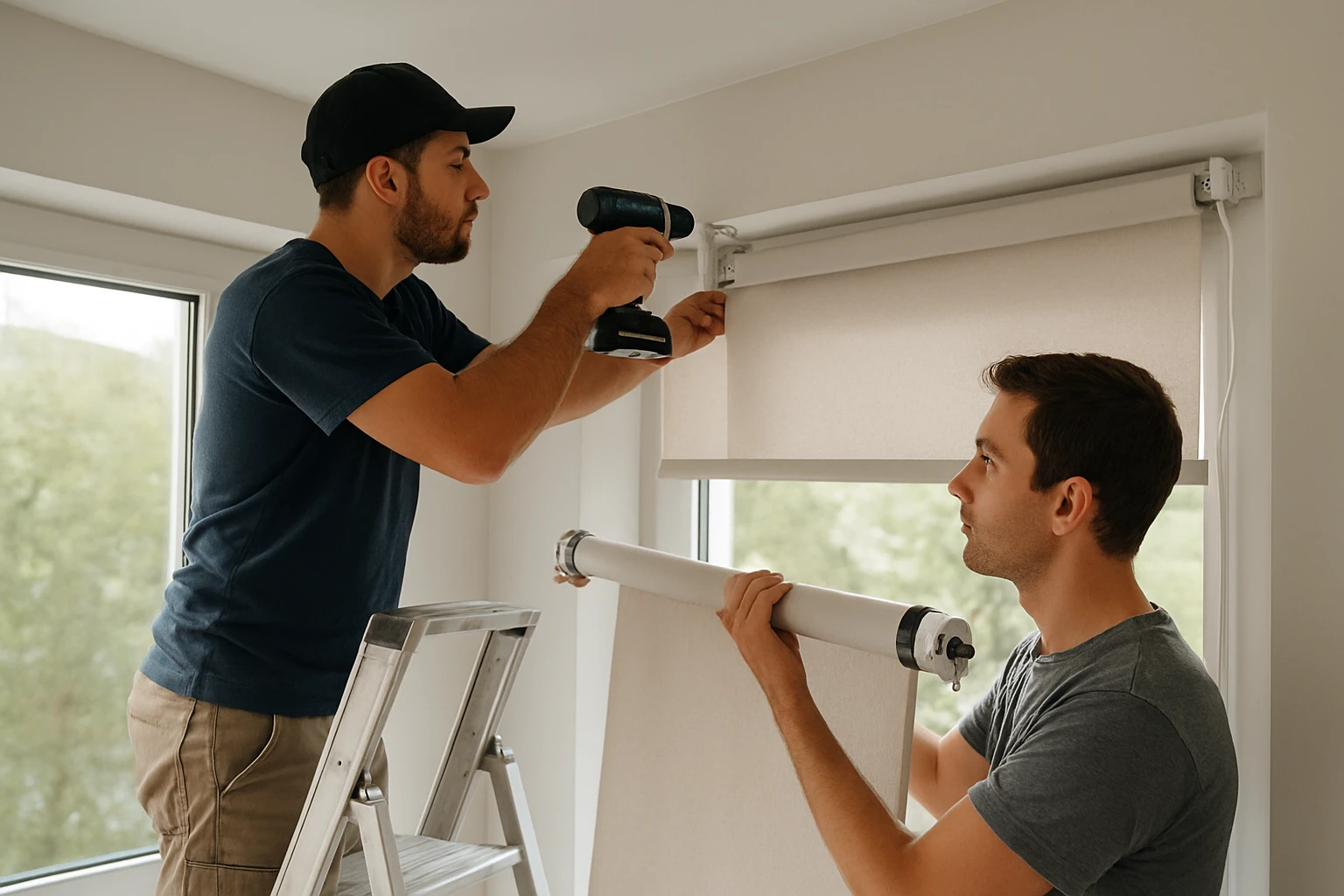
- Mounting and programming. The fitter mounts brackets, installs the motor, and sets travel limits so the blind stops where you want.
- Testing and user training. A good installer tests all controls and shows you how to use the remote, app, or wall switch.
Tool Checklist:
Small tape measure, drill with the right bits, level, ladder, and a smartphone for testing apps. A clean workspace and proper tools speed the job and reduce mistakes.
Routine Maintenance:
Dust fabric or slats regularly and wipe tracks. For battery motors recharge or replace batteries as recommended. For wired systems have a yearly check to ensure connectors and limits remain correct.
Smart Home Integration and Security
Motorized blinds can be part of a smart home system to run on schedules, react to sunlight, or close when you leave. Think about how you want to control them and whether you want local-only controls or cloud-based services.
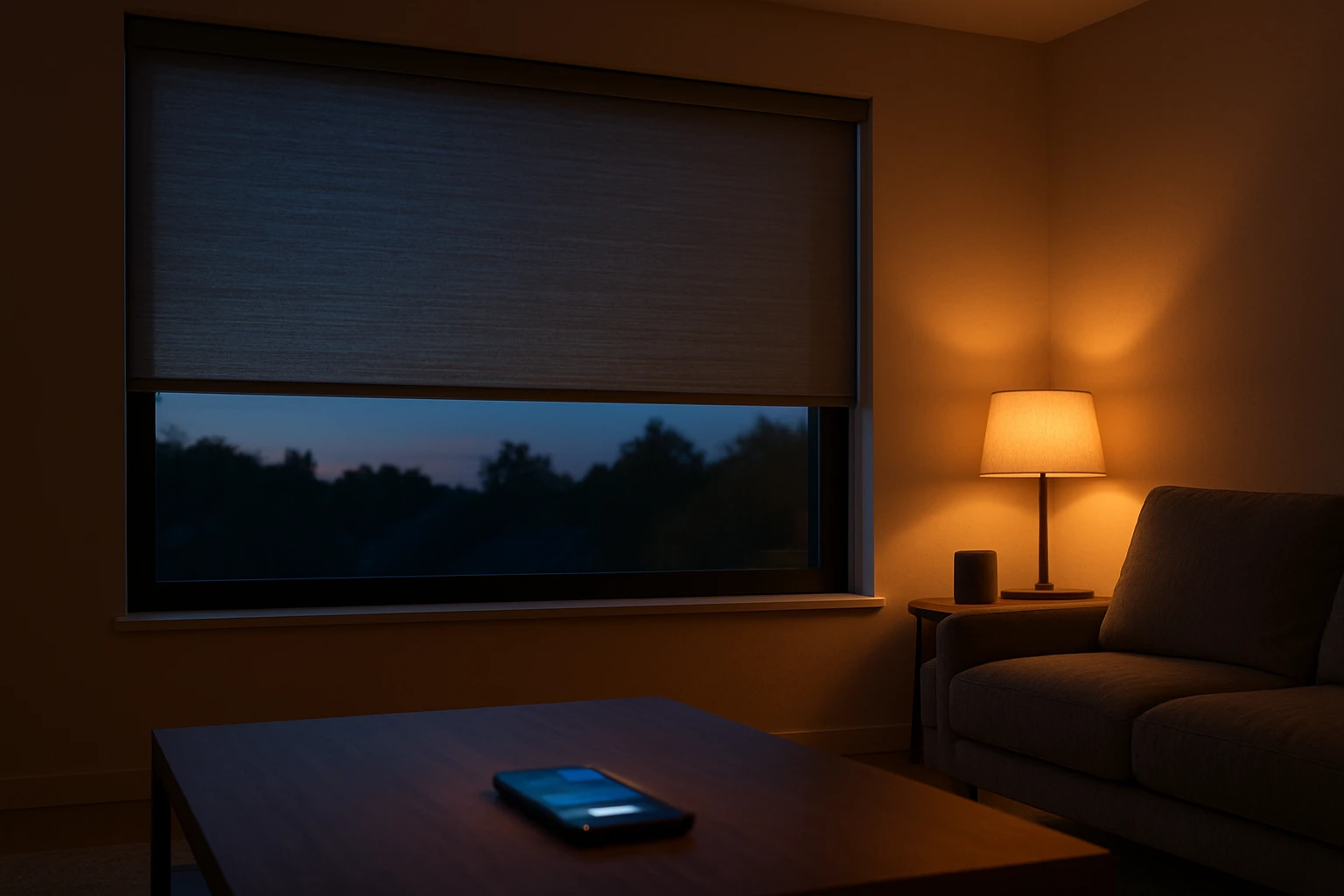
- Voice control works with common platforms, but check compatibility before you buy.
- Local hubs avoid cloud dependence and keep controls inside your home network, which many people prefer for privacy and reliability.
- There is a security benefit. Scheduled closing can make an empty house look lived in and act as a simple deterrent when you are away.
If you want more detail on smart curtains and motorized options in the region, see this note: Motorized & Smart Curtains Dubai: Cost, Installation and Best Options.
Is Motorized Worth It for You?
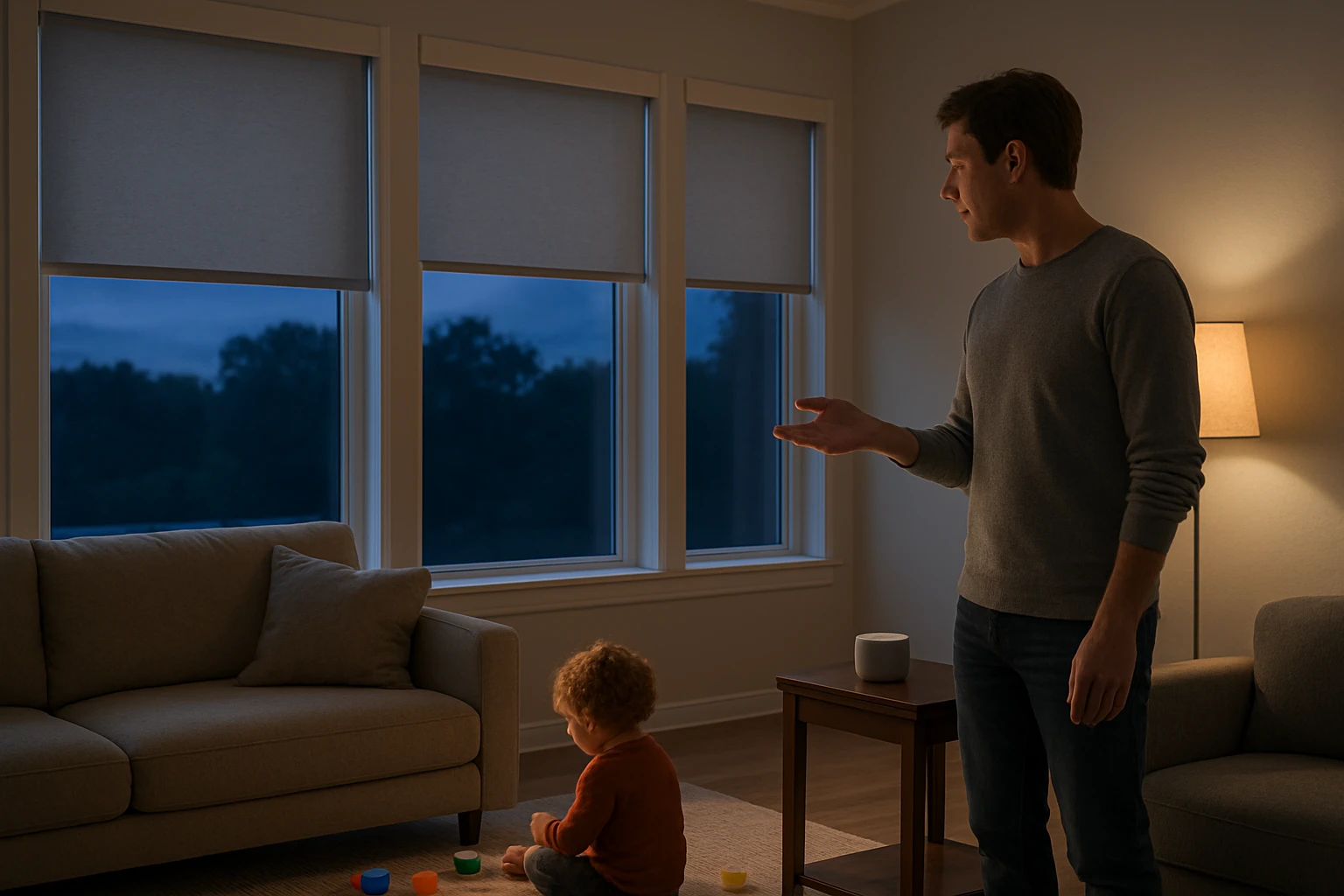
There is no single right answer. Motorized blinds are a good fit when you value convenience, have high or many windows, want smart controls, or need cordless safety for children or pets. They are less attractive when the budget is tight and you have only a few small, easy-to-reach windows.
A short checklist to decide:
- Do you have many windows or hard-to-reach windows? If yes, motorized payback comes from time saved.
- Is safety for children or pets a priority? If yes, cordless motorized systems are a strong choice.
- Do you want automation for energy control or security? If yes, those features can justify the cost.
- Is budget the main concern and the windows are few and easy to reach? If yes, manual blinds may be fine now and you can motorize later for priority areas.
Buying Tips and Questions to Ask Suppliers
Ask clear questions to compare real value, not just price.

- What motor brand and model do you use and can I see specifications? Motor quality affects noise, lifetime, and repairability.
- What power option do you recommend for these windows and why? Match power type to access and usage.
- Do you offer local service and what does the warranty cover? Check motor, controller, and installation details.
- Can the blinds integrate with my hub or do they need a specific gateway? If smart control matters verify compatibility.
- Can you show real installations similar to my windows? Seeing the product in place helps avoid surprises.
Also compare the actual blind types you like side by side. For a crisp modern look see motorized Roller Blinds and consider fabric opacity and control options. If precise glare control matters compare Venetian blinds tilt motors.
Final Thoughts
Motorized blinds are worth it when they solve a real need rather than being a luxury bought for its own sake. When chosen and installed with care they add safety, convenience, and measurable energy benefits, and they can raise the perceived value of a home. Take time to compare motor types, power options, and service terms, and pick the areas where the benefits match the cost.
Frequently Asked Questions
How Much Do Motorized Blinds Cost on Average?
Costs vary by motor type, blind size, and fabric. Expect roughly AED 800 to AED 5,500 per window as a broad range, with battery motor roller blinds at the low end and premium wired systems with smart hubs at the high end. Installation and wiring add to the total.
Are Motorized Blinds Safe for Children and Pets?
Yes. Motorized blinds eliminate exposed cords, which greatly reduces strangulation risk and makes them a safer choice around small children and pets.
Do Motorized Blinds Work During Power Outages?
That depends on the power option. Battery-operated and solar-charged motors continue running during outages. Wired systems usually need backup power unless the system includes a battery backup.
Can Motorized Blinds Connect to Smart Home Systems?
Many motorized blinds can integrate with popular smart platforms through a hub or gateway, allowing app, schedule, and voice control. Confirm compatibility before purchase and ask if integration needs the supplier’s gateway.
How Long Do the Motors Typically Last?
With normal use and correct installation, a quality motor often lasts 5 to 10 years or longer. Warranty terms vary, and occasional service may be needed for limits or controllers.
Is It Hard to Retrofit Motorized Blinds into an Existing Home?
Not always. Battery or solar motors make retrofitting easy since they avoid wiring. Wired motors require running low-voltage cable, which is more work but gives constant power and is often preferred for large installations.