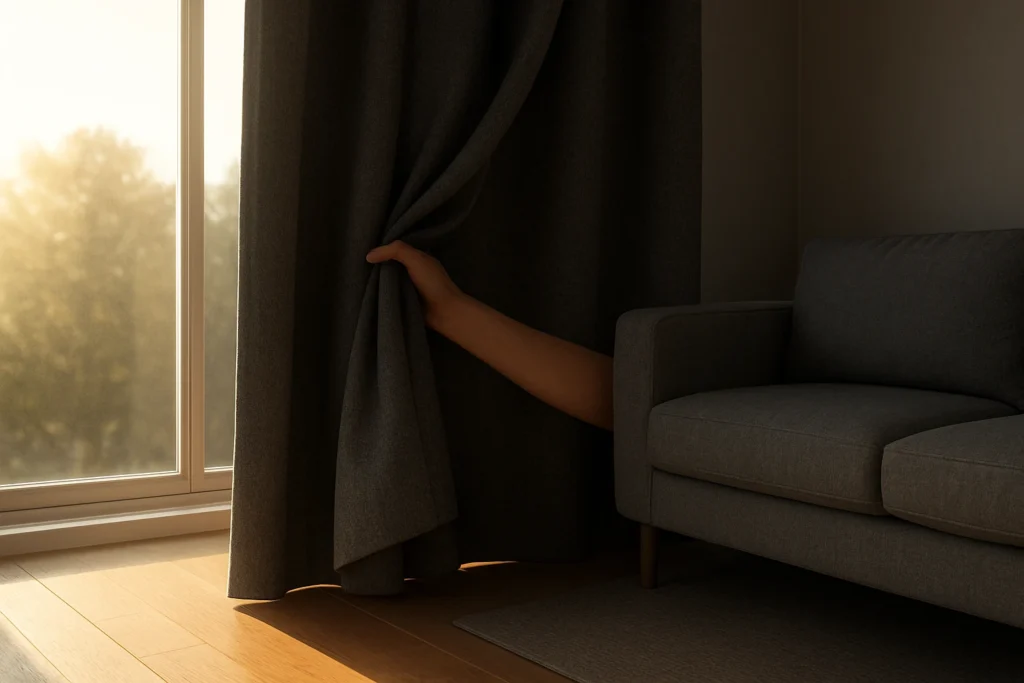
Blackout curtains can keep heat out, but how well they do it depends on the material, the lining, the color, and how tightly they fit the window. Well made blackout curtains with a dense lining and a good seal can cut direct solar heat gain and reduce room temperature rise during sunny hours, which helps lower cooling use.
In this article I cover what matters most, what to look for when you buy, and a few simple tests you can do at home to see the effect yourself. The team at Curtains and Blind also recommends matching fabric and fit to your room and climate.
How Blackout Curtains Work
Blackout curtains reduce light and, to a degree, heat by using dense fabric and one or more backing layers that reflect or block incoming solar energy. They do three jobs at once: block visible light, limit radiant heat from sunlight, and slow heat transfer through the window by creating a small insulating air gap.
Materials and Construction
Most blackout curtains use one of these approaches:
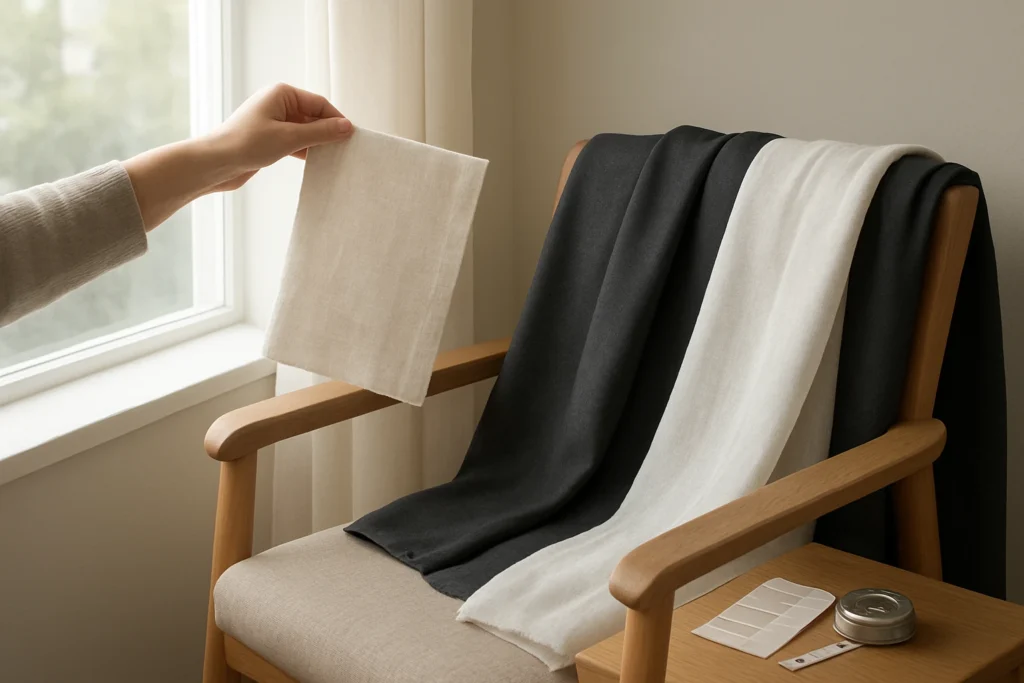
- Triple-weave polyester, which weaves a dark core into lighter face yarns so the fabric blocks light and is durable. It also resists fading.
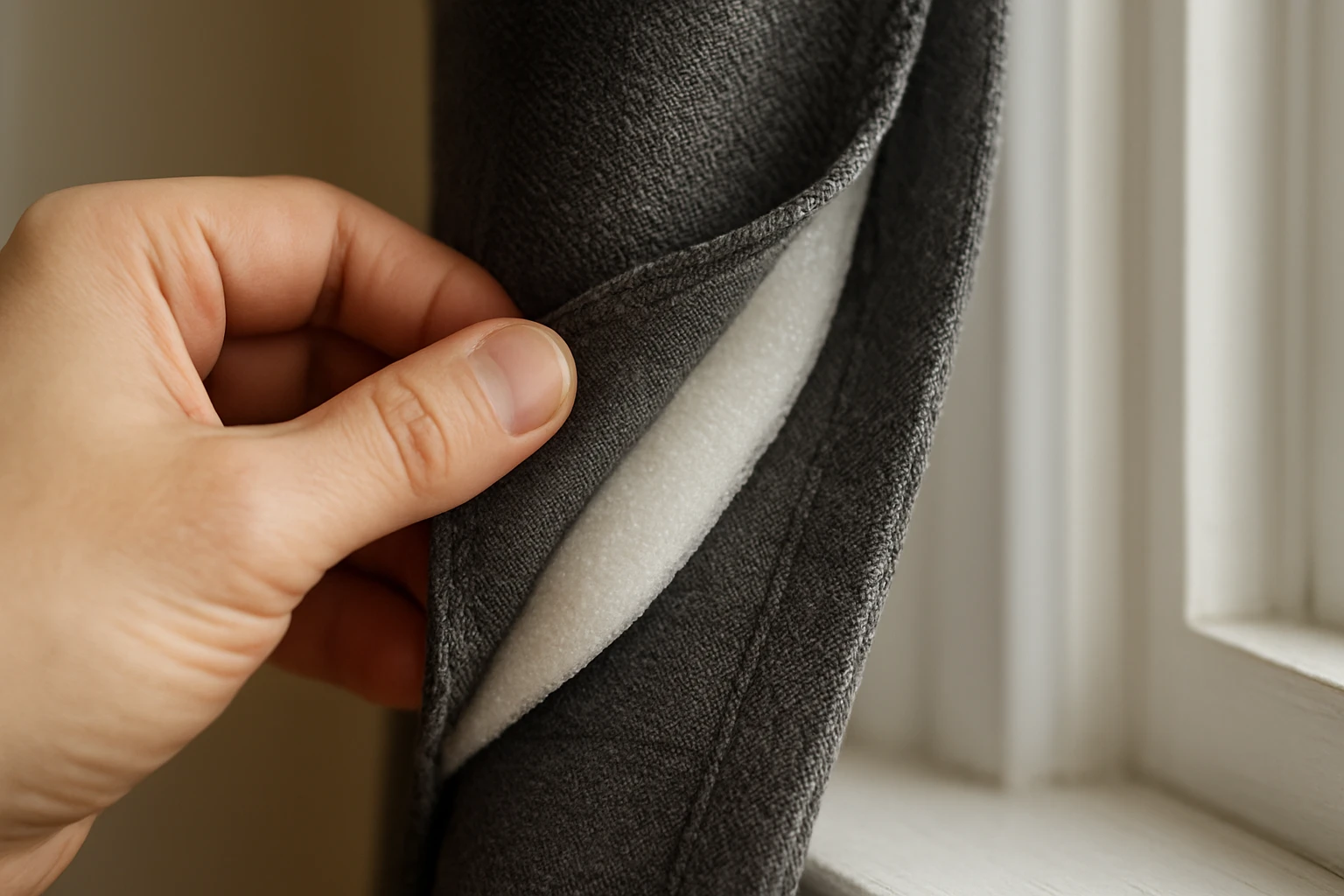
- Foam or acrylic-backed fabric, which adds a reflective or insulating layer that reduces heat transfer.
- Heavy velvet or dense woven fabrics, which block light by mass and trap a thin layer of still air next to the window.
Fabric Layer:
The visible fabric mainly controls style and surface reflectivity. Lighter colors reflect more solar radiation, while darker colors absorb it.
Thermal Backing:
A reflective backing or foam layer is where most thermal benefit comes from. This backing reduces radiant heat passing through the fabric.
Fit and Seal:
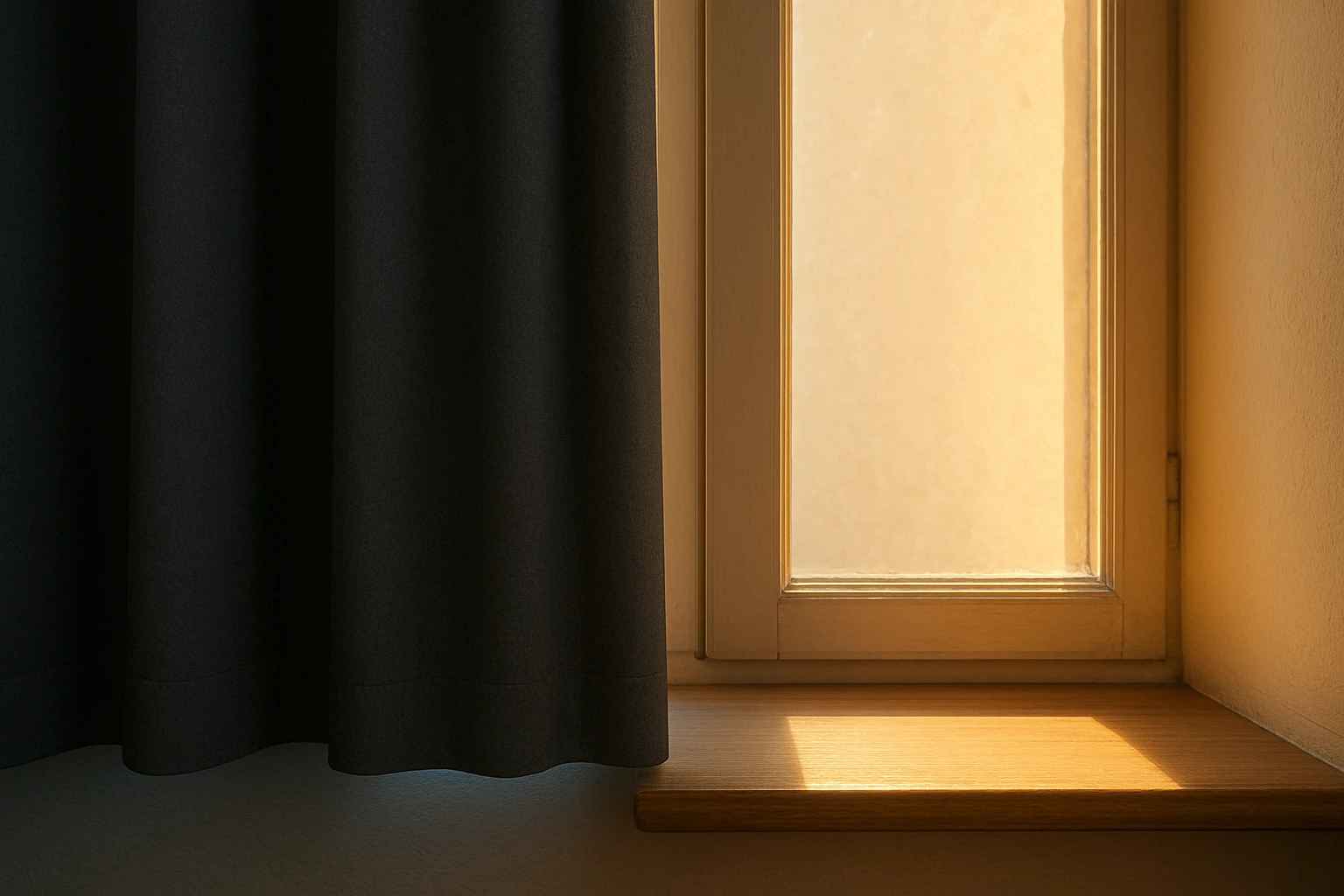
How the curtain sits matters as much as what it is made of. Curtains that are short, narrow, or hung too far from the wall let warm air flow around or under them and reduce their effectiveness.
Do Blackout Curtains Keep Heat Out Effectively
Short answer: Yes, they help, but performance varies. In rooms with large sun-facing windows, a well chosen blackout curtain reduces peak heat gain during the day and lowers indoor temperature swings. In our experience, a tightly fitted blackout curtain with a reflective backing typically reduces direct solar heat gain noticeably and can lower peak surface temperatures on a window by an amount you can feel.
Factors That Change Results
- Window orientation and size. South- or west-facing windows get the strongest afternoon sun and benefit most.
- Curtain color. White or light-backed fabrics reflect heat outward, while dark faces can absorb heat unless the backing reflects it.
- Air gap and mounting. Curtains mounted close to the window frame with minimal gaps perform best.
Comparison Table: Typical Relative Performance
| Feature | Light Blocking | Heat Blocking (Relative) | Common Use Case |
|---|---|---|---|
| Triple-Weave Polyester | Very High | Medium | Bedrooms, living rooms |
| Foam-Backed Blackout | Very High | High | Rooms with strong sun exposure |
| Heavy Velvet | Very High | Medium-High | Theatres, media rooms, where mass and drape matter |
| Sheer Layer Alone | Low | Low | Decorative layer, not thermal |
Note: “Relative” here compares typical curtain types in real homes, not absolute lab values. Actual results depend on fit and window properties.
Best Curtain Fabrics for Reducing Heat
Choose a fabric that has density and a thermal backing when heat control is the goal. Lined blackout curtains usually outperform single-layer fabrics. Velvet and heavy woven fabrics help by adding mass, but the best thermal improvement comes from a reflective or foam lining.
Practical Notes on Color and Finish
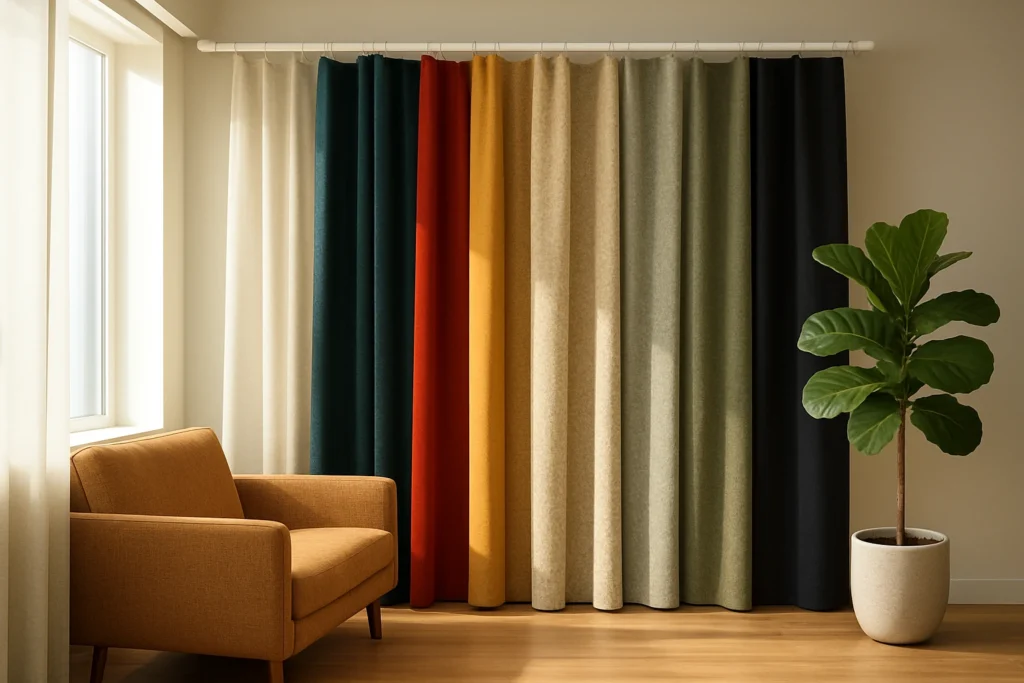
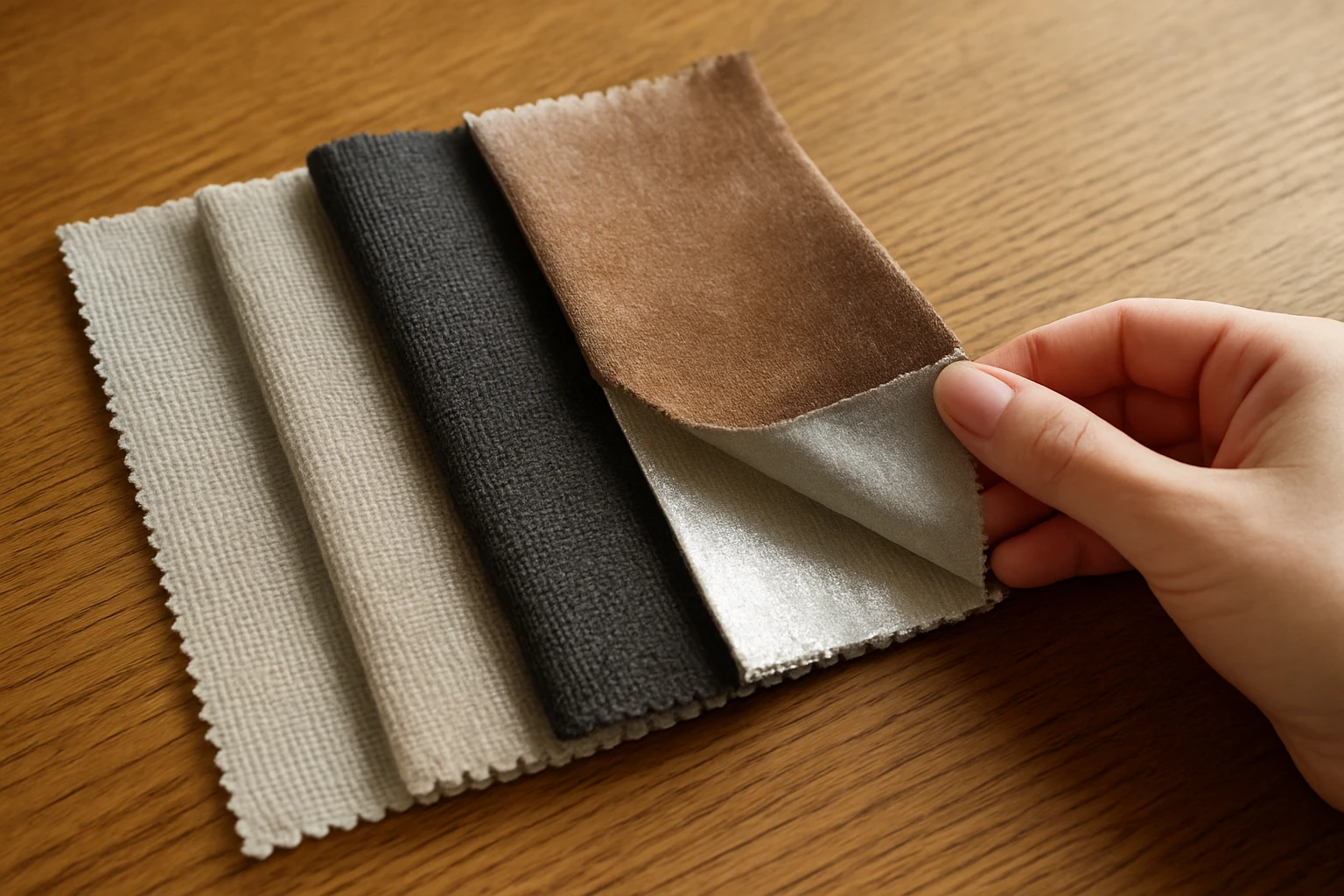
Light colors reflect heat toward the outside and keep the curtain surface cooler, which helps reduce heat transfer back into the room. A metallic or reflective backing added to a light face multiplies that benefit. A common mistake is choosing a dark fabric for style and then finding it gets hot to the touch and radiates heat inward when the backing is thin.
How Installation and Fit Affect Heat Blocking
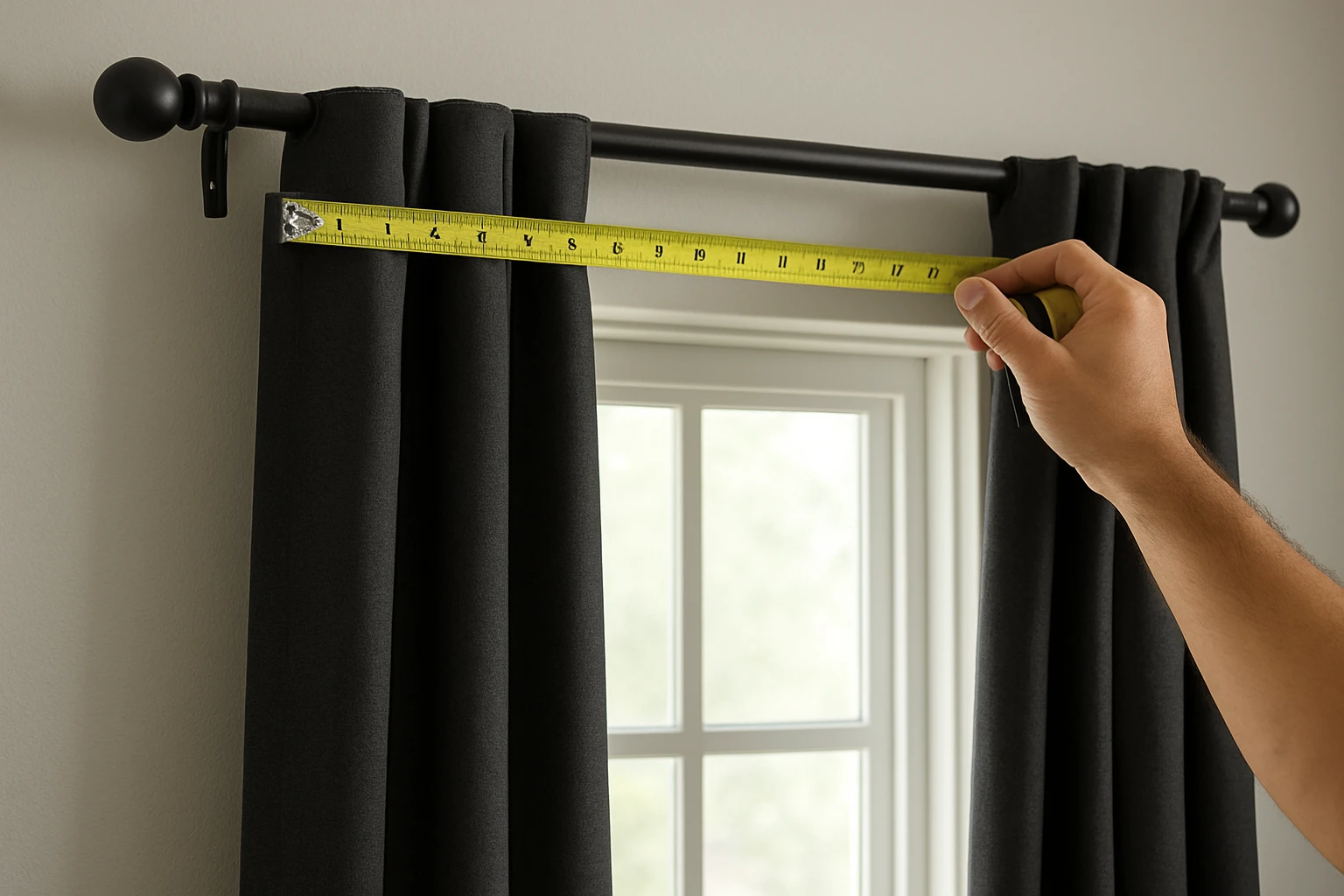
Even the best fabric loses most of its benefit if air can flow freely around the edges. A curtain that is wider than the window and long enough to reach a few inches below the sill creates a pocket of still air that adds insulation.
Mounting Tips That Work
- Mount the rod or track as close to the wall as possible and higher than the top of the window to reduce gaps.
- Choose curtain widths at least 1.5 to 2 times the window width so fabric pleats create better coverage.
- Add a pelmet or cornice if you want the best thermal seal above the curtain. A simple pelmet reduces top-edge leakage.
Seal Steps:
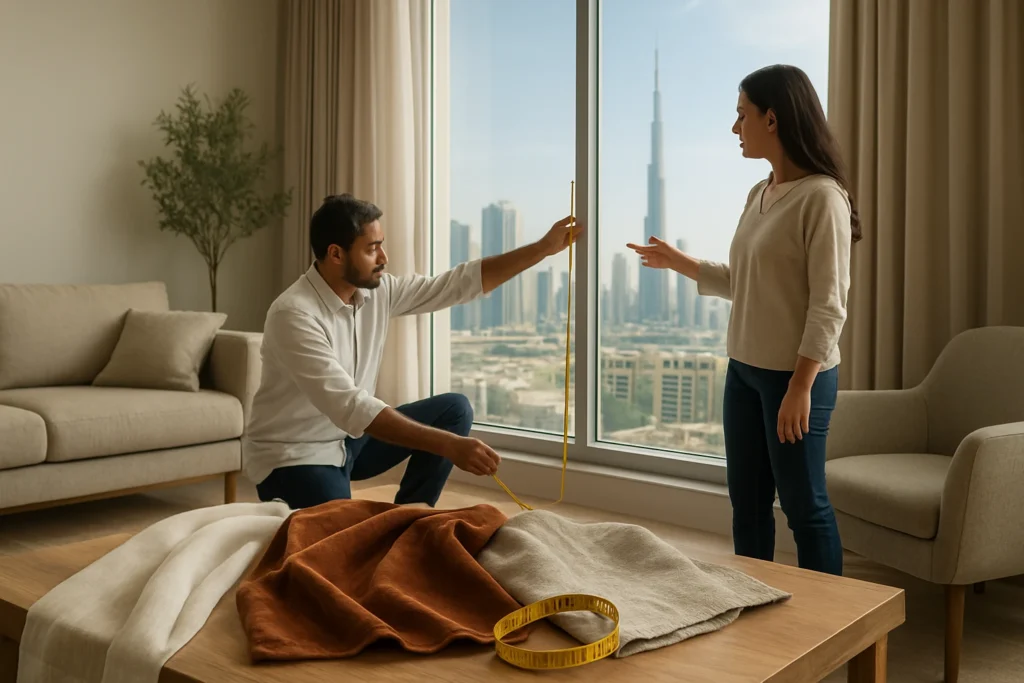
- Measure carefully and allow overlap on both sides.
- Use curtain tie-backs only when you want to admit sun; leave them closed during hot days.
Layering Curtains and Window Treatments
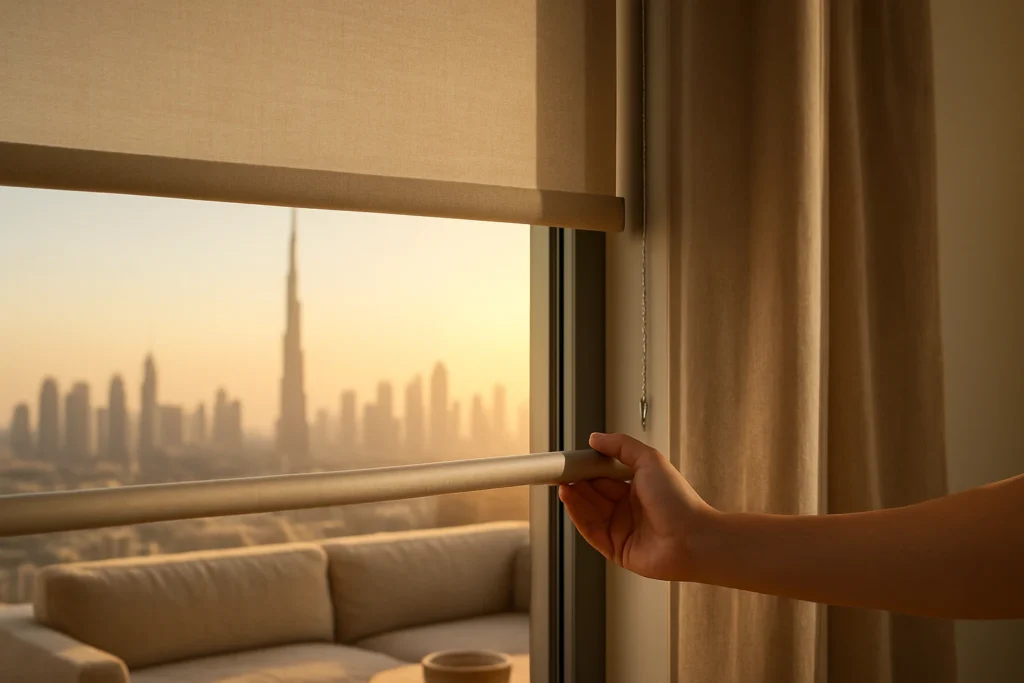
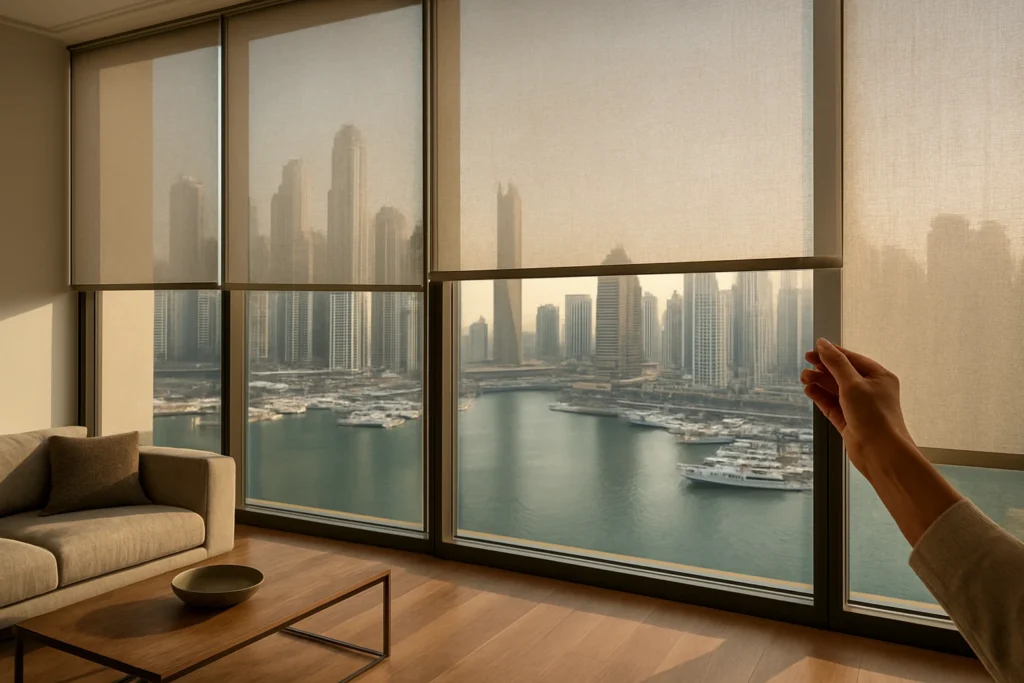
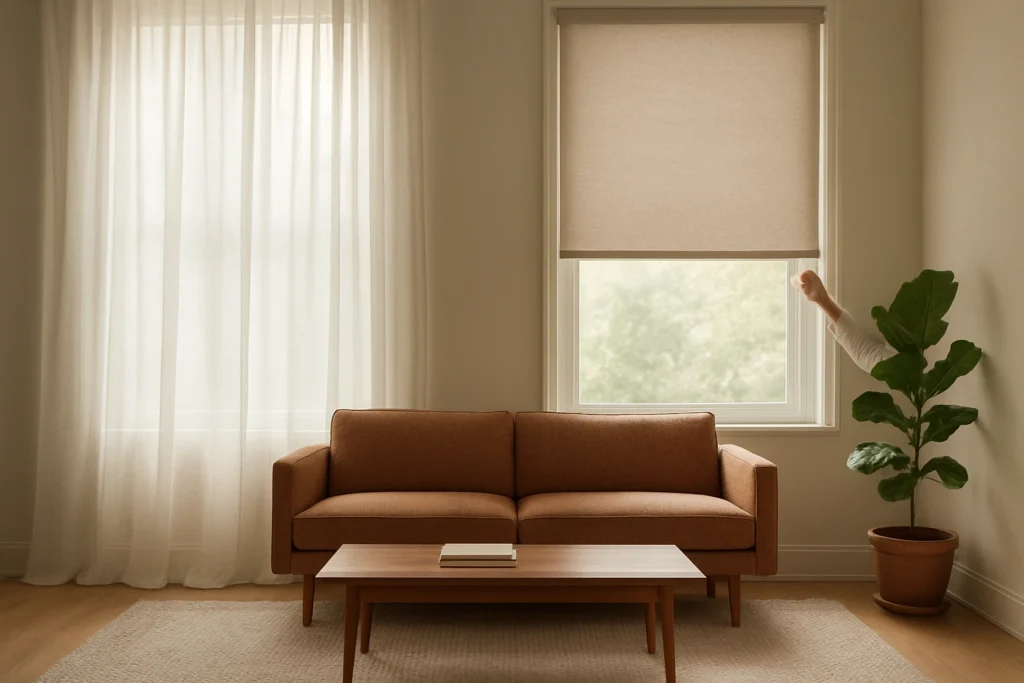
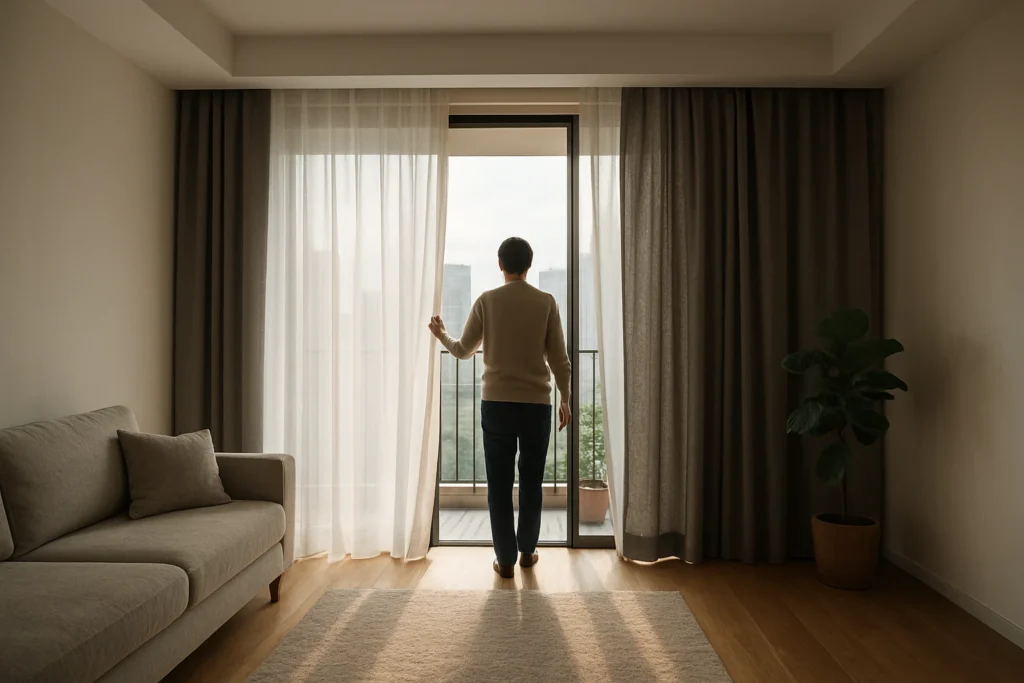
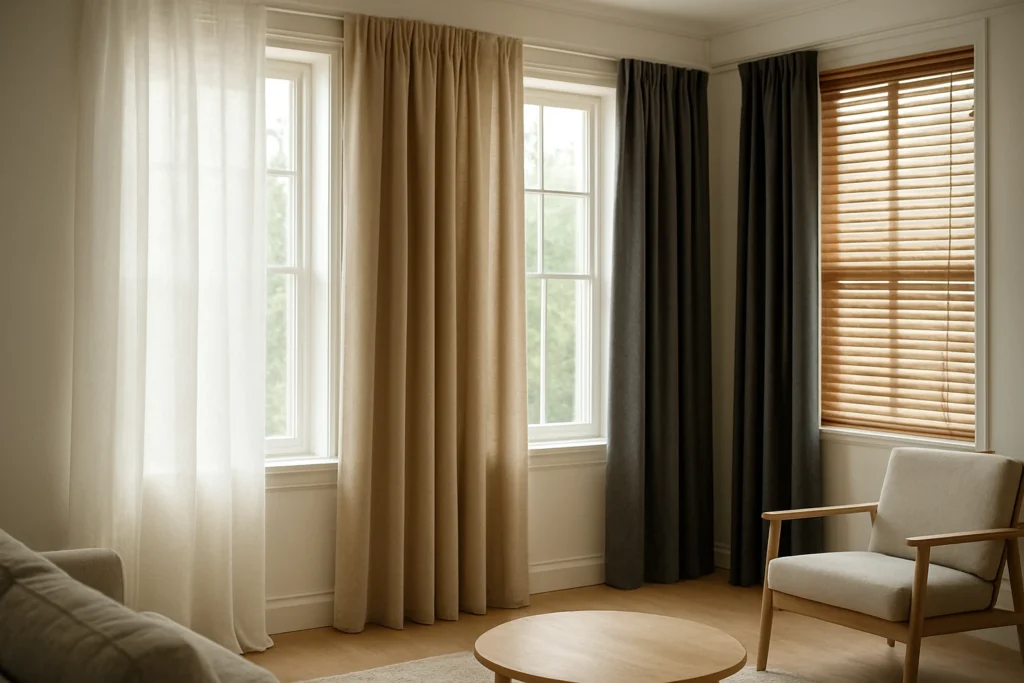
Layering blackout curtains over a sheer or cellular shade improves both comfort and flexibility. Sheer fabric lets daylight in while blackout curtains handle peak sun and privacy.
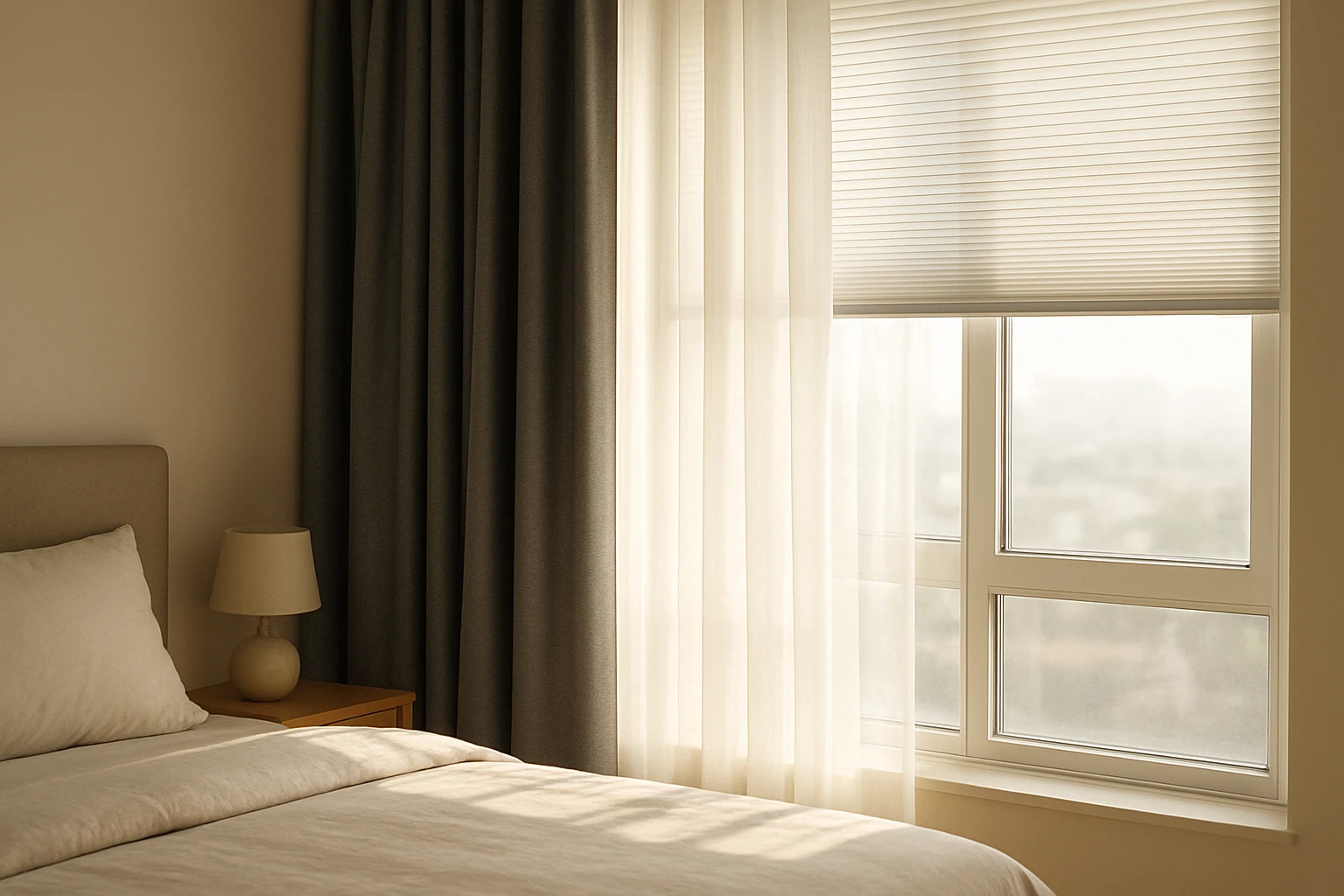
For step-by-step layering tips see How to Layer Sheer and Blackout Curtains for Better Light Control and for a view of room-darkening options see Room Darkening Curtains That Improve Sleep, Privacy, and Comfort.
Simple Tests You Can Do at Home
You do not need specialized tools to check whether your curtains are helping. Try these quick checks:
- Touch test. In midday sun, press your hand on the curtain surface and on the uncovered window glass. A cooler curtain surface means it is stopping some heat before it gets into the room.
- Thermometer test. Place two small thermometers, one near the curtain surface and one in the center of the room. Compare peak temperatures when the sun is strongest.
- Gap test. On a hot day, feel around the curtain edges for drafts or warm air leaks.
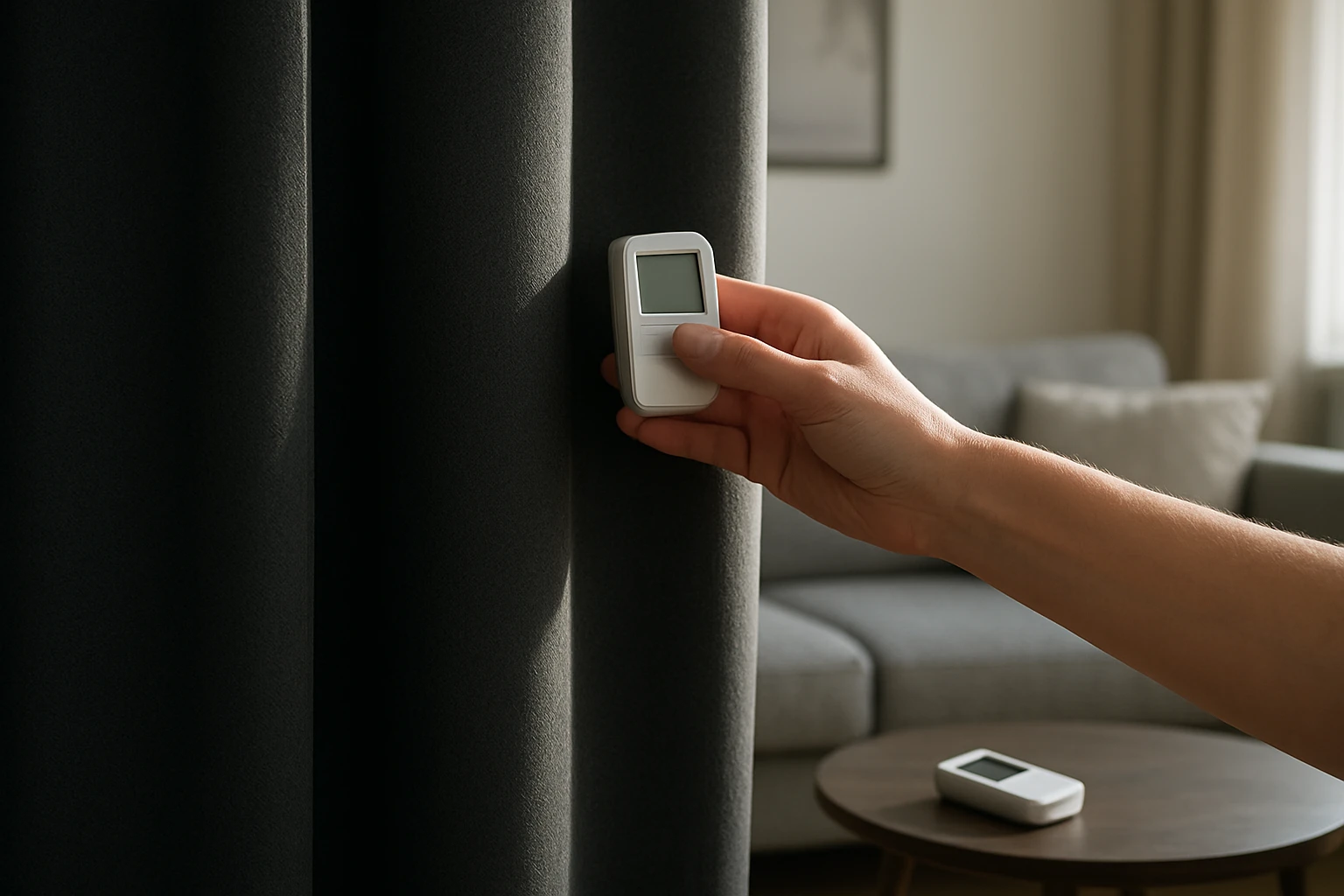
In our experience, home thermometers show the clearest differences when the curtain is closed during peak sun hours; results are smaller when windows are shaded by eaves or external structures.
Buying Guide: What to Look For
When shopping for blackout curtains, look for three main things: the curtain construction, the size and mounting method, and the returnable warranty. Also check the pleat type and how the curtain hangs, because that affects seal and style.
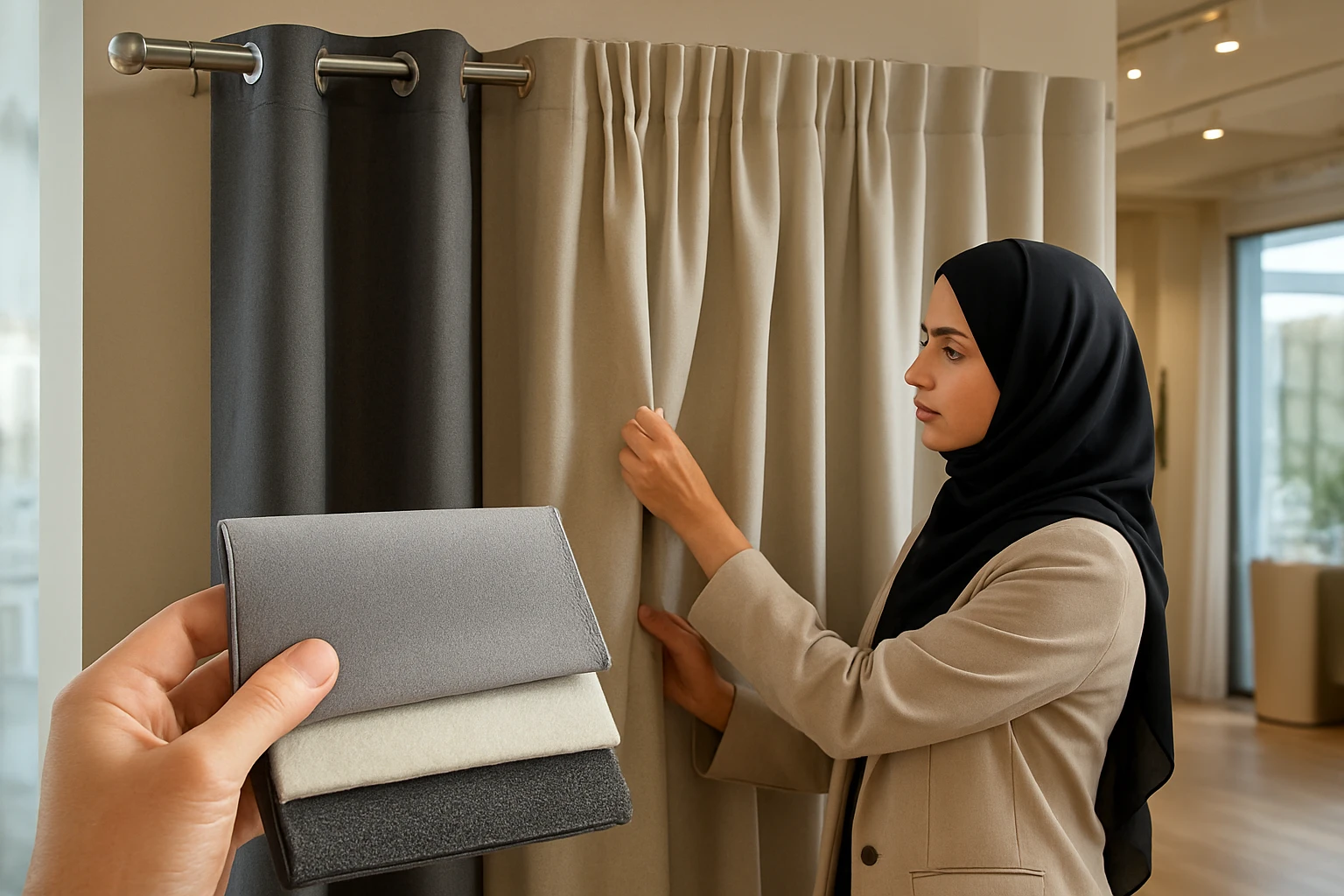
- Construction: Prefer triple-weave or foam-backed fabrics labelled as blackout. Ask whether the backing reflects heat or just blocks light.
- Size and fit: Buy custom or wide panels to avoid gaps. For a standard look, allow extra width and a floor-length hem.
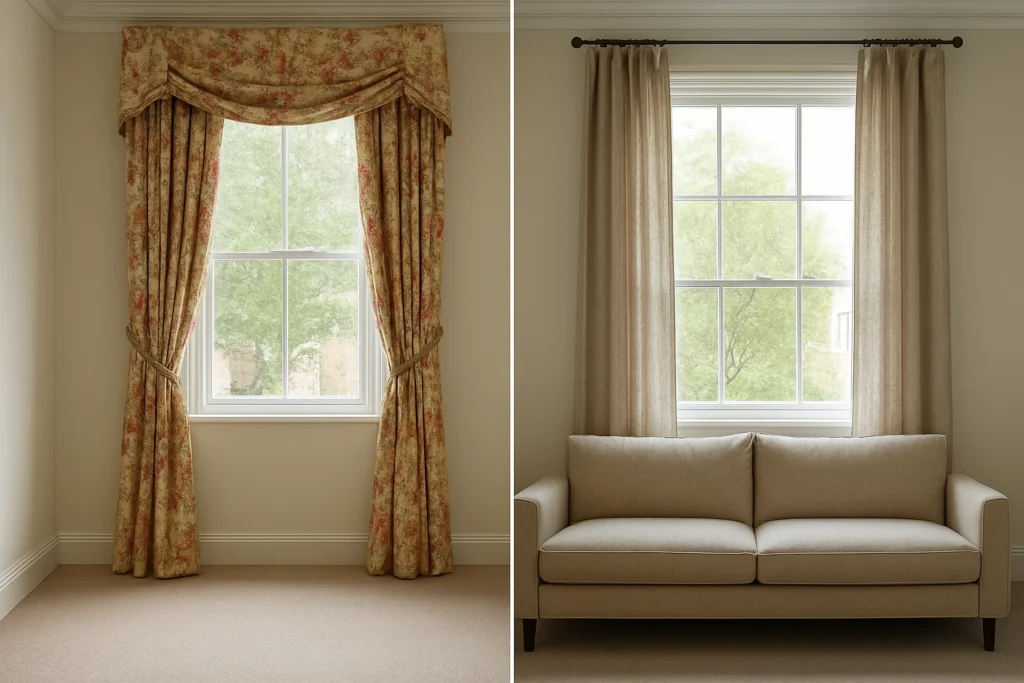
- Pleat and heading: Compare Pinch Pleat Curtains and Pencil Pleat Curtains for fullness, and Eyelet Curtains if you prefer a modern slide-on look.
Also consider these service pages when choosing a style or feature: Blackout Curtains, Velvet Curtains, Motorized Curtains, and Sheer Curtains. If sound reduction is also a goal, look at Soundproof Curtains.
Cost, Lifespan, and Value
Blackout curtains range widely in price. A basic ready-made panel can be affordable, while custom-made heavyweight curtains with pelmets and special linings are a larger investment. Think of them as energy and comfort upgrades: the right curtain will last many years and reduce temperature swings in a room.
| Budget Level | Typical Cost Range | Typical Lifespan | When To Choose |
|---|---|---|---|
| Budget Ready-Made | Low to Moderate | 3 to 7 years | For rental homes or temporary use |
| Mid-Range Custom | Moderate to High | 7 to 12 years | For good performance and style |
| High-End Bespoke | High | 10+ years | For best fabrics, fittings, and insulation |
Care and Maintenance
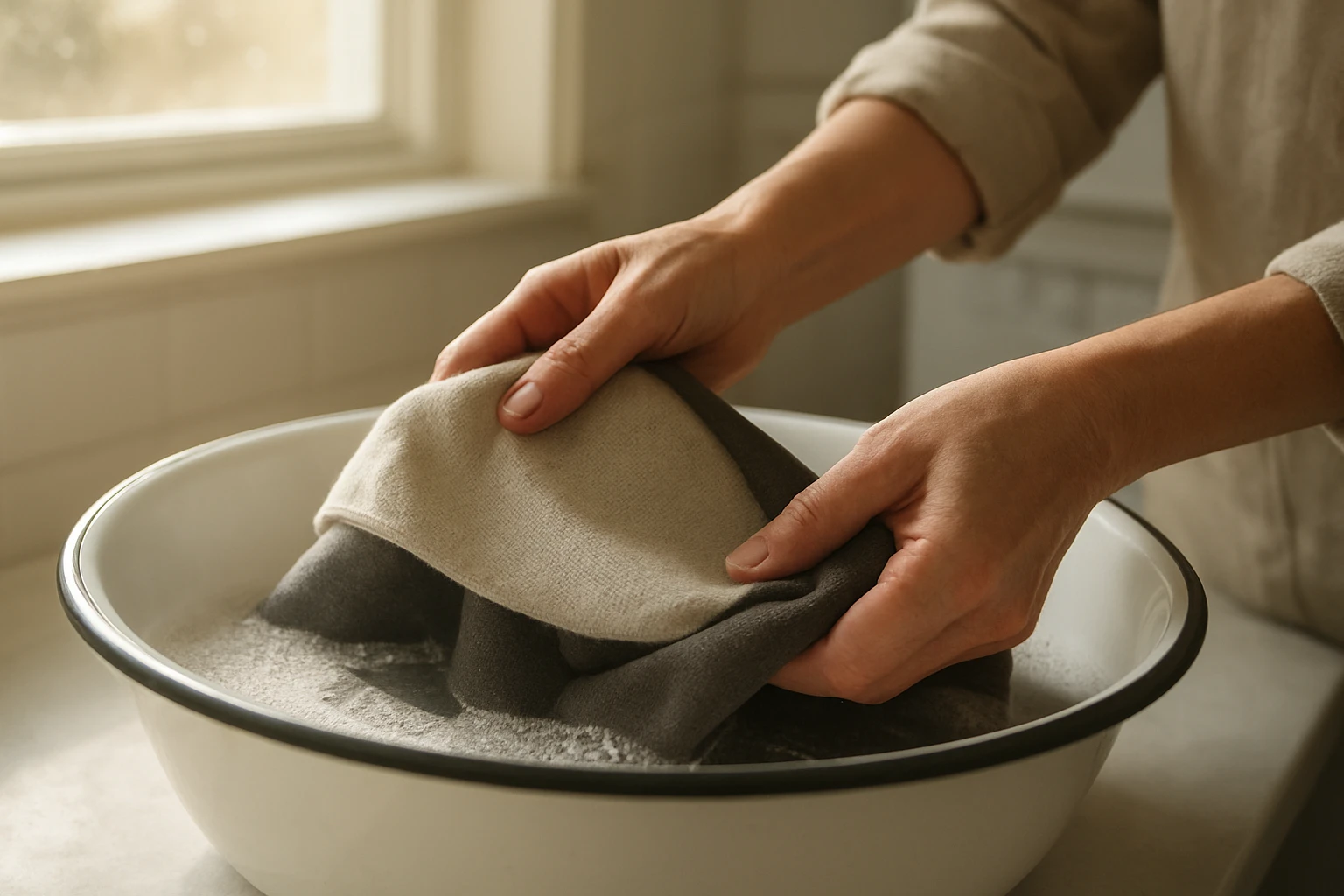
To keep thermal performance, follow the manufacturer’s care instructions. Many blackout curtains can be machine washed on a gentle cycle, but some foam-backed or special-lined curtains need spot cleaning or professional cleaning.
Regular dusting and vacuuming on low with an upholstery brush keeps the fabric effective and reduces fading.
Final Practical Tips
- If your windows get strong afternoon sun, close blackout curtains before the sun arrives to prevent heat build-up on window glass. That timing saves more than closing them after the room warms.
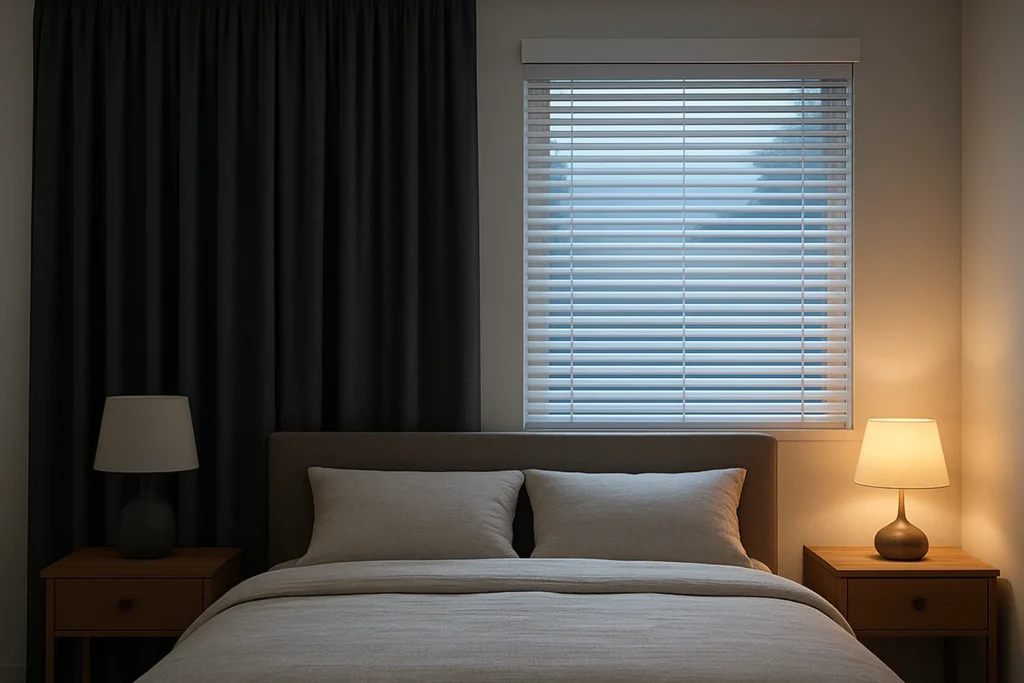
- Combine curtains with blinds or shades for best results in very hot rooms.
- Small gaps matter. In our experience, sealing the top and sides with a simple pelmet or narrow foam strips can increase overall effectiveness by a noticeable margin.
Additional Resources
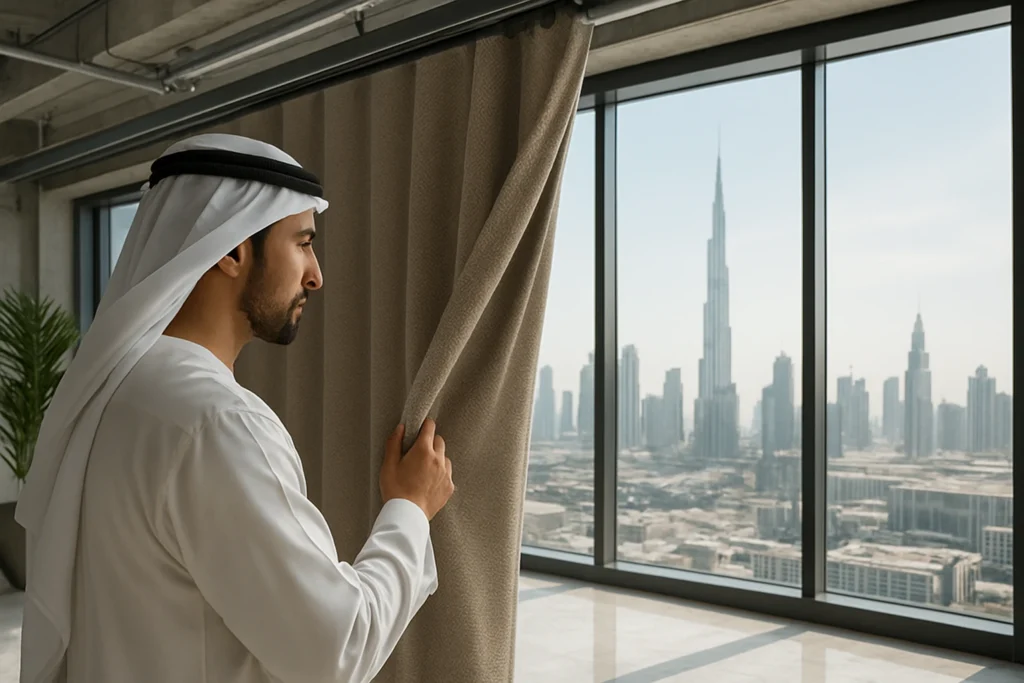
For material-specific advice see Best Material for Curtains for Every Room. For price and buying comparisons in this region see Best Curtains and Blinds in Dubai 2026: Buying Guide.
Frequently Asked Questions
Will Blackout Curtains Stop All the Heat from a Sunny Window?
No. Blackout curtains reduce a large share of direct solar heat, but they do not stop all heat transfer. Glass, air leaks, and indirect radiation still let some heat through, so the curtain is one part of a room-level approach.
Do Blackout Curtains Work Better with a Reflective Backing or with Heavy Fabric?
A reflective or foam backing usually gives the best thermal result because it reflects radiant heat away and adds insulating mass. Heavy fabric helps, but the backing is the main thermal driver.
Should I Choose Light or Dark Blackout Curtains for Heat Control?
Light-colored faces with a reflective backing are generally best because they reflect solar energy back outside. Dark faces can absorb heat and may radiate warmth toward the room unless the backing prevents it.
Are Motorized Blackout Curtains Worth the Extra Cost for Thermal Reasons?
Motorized curtains add convenience and make it easier to close curtains at the right times, which improves thermal performance. For large or hard-to-reach windows, they also help maintain a consistent schedule that saves energy.
How Can I Test If My Curtains Are Actually Cutting Heat?
Use two thermometers: one near the curtain surface and one in the room. Close the curtain during peak sun and compare peak temperatures with the curtain open. Also feel for warm air leaks at the edges.