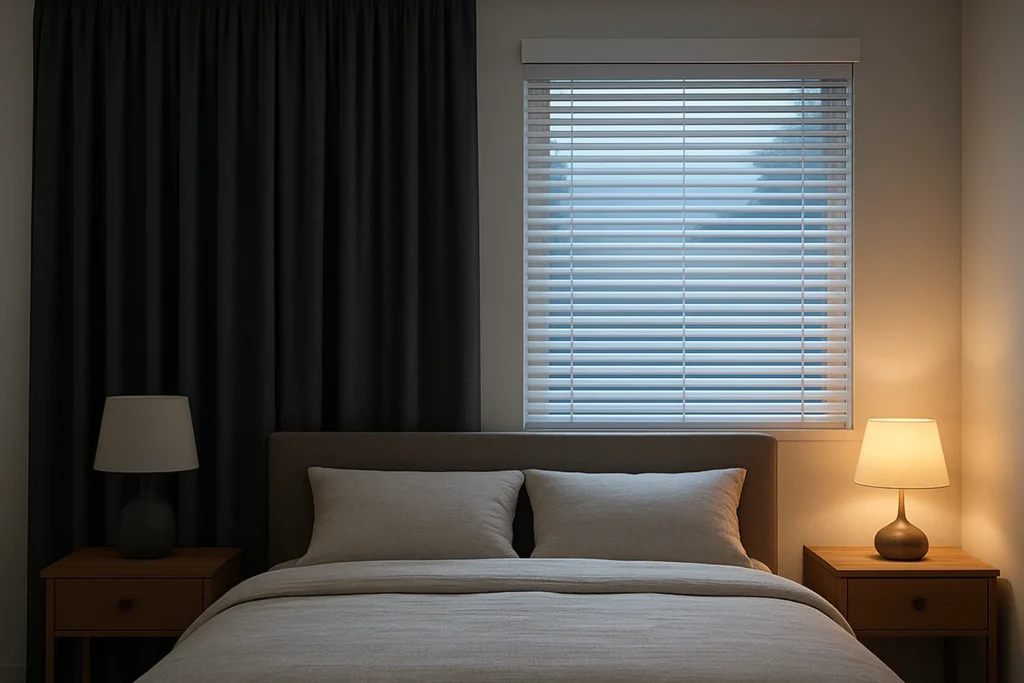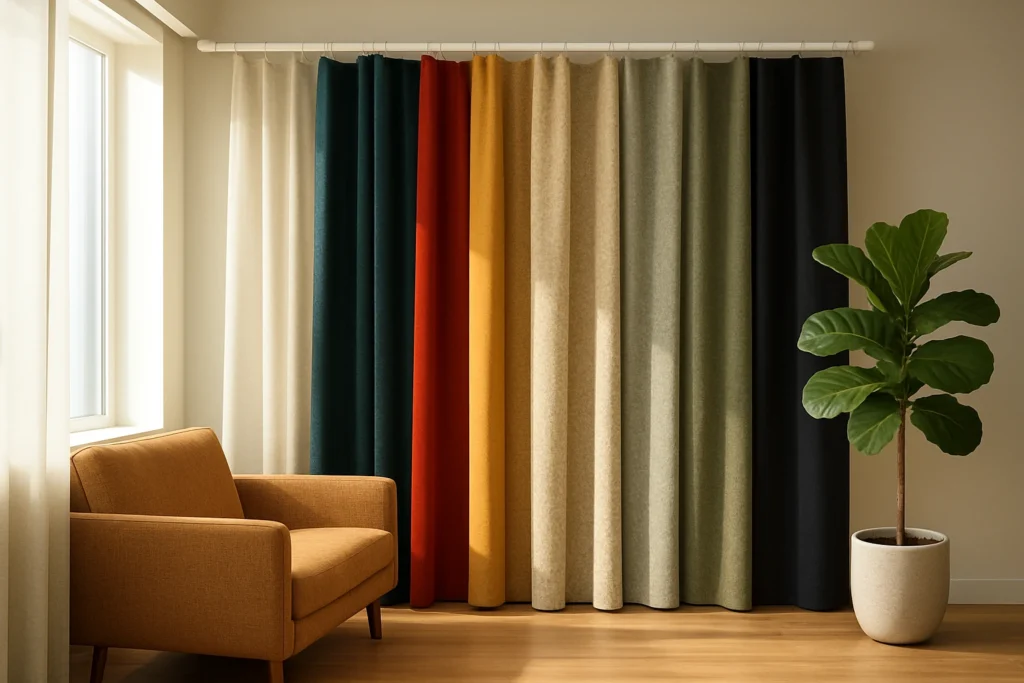
For true blackout you can buy ready-made panels from large retailers, order custom-made curtains from a local maker, or shop specialty suppliers online that list light-blocking ratings. For quick, fit-and-go shopping try big-box stores or marketplaces, and for the best fit and fabric choice get a custom or specialist supplier like Curtains and Blind for made-to-measure blackout options.
Where to Buy Blackout Curtains
Blackout curtains are sold in several places, and each option suits different needs. If you want speed and a lower price, ready-made panels from national retailers or online marketplaces are the quickest choice. If you need a precise fit, an odd window shape, or a specific fabric like heavy velvet, custom makers and specialist curtain shops offer more options and better light control. Curtains and Blind is one brand that offers both made-to-measure and ready options, along with local advice.
Local Curtain Shops
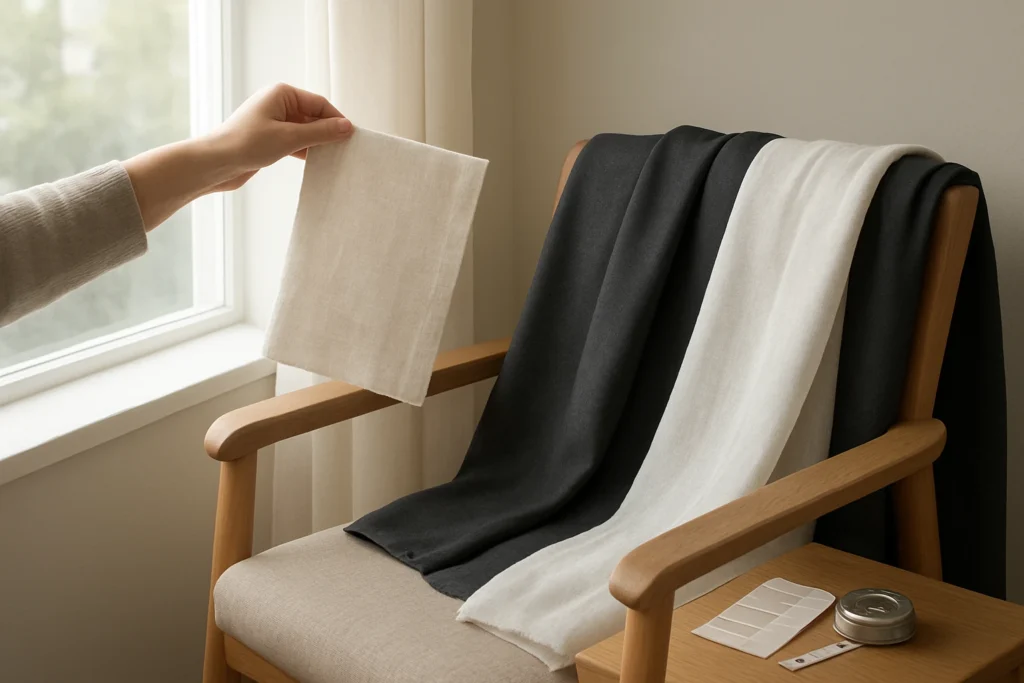
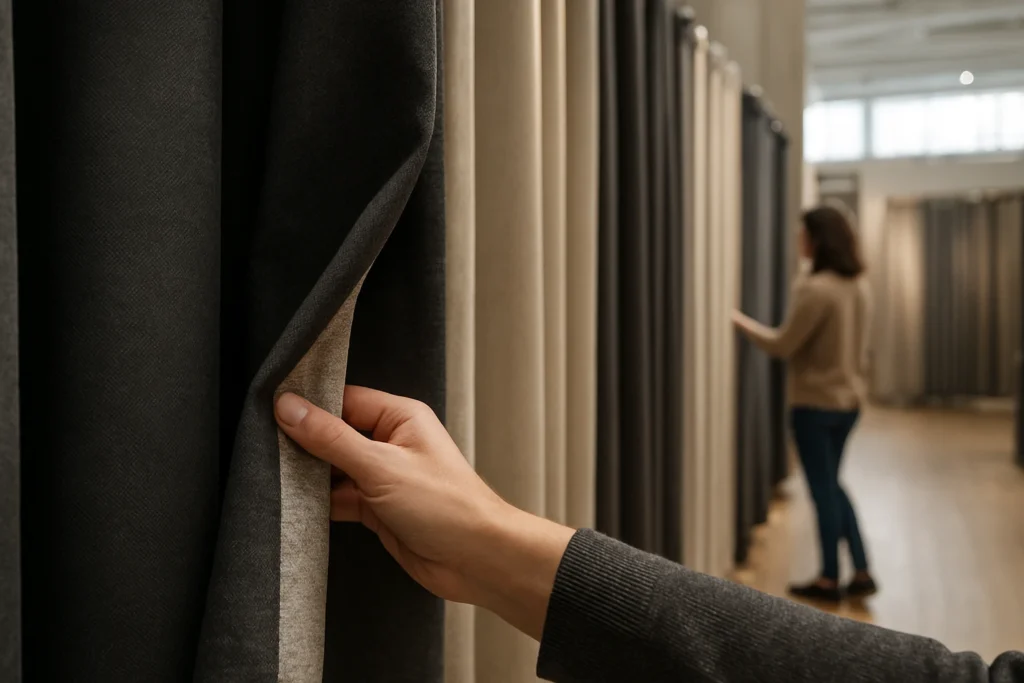
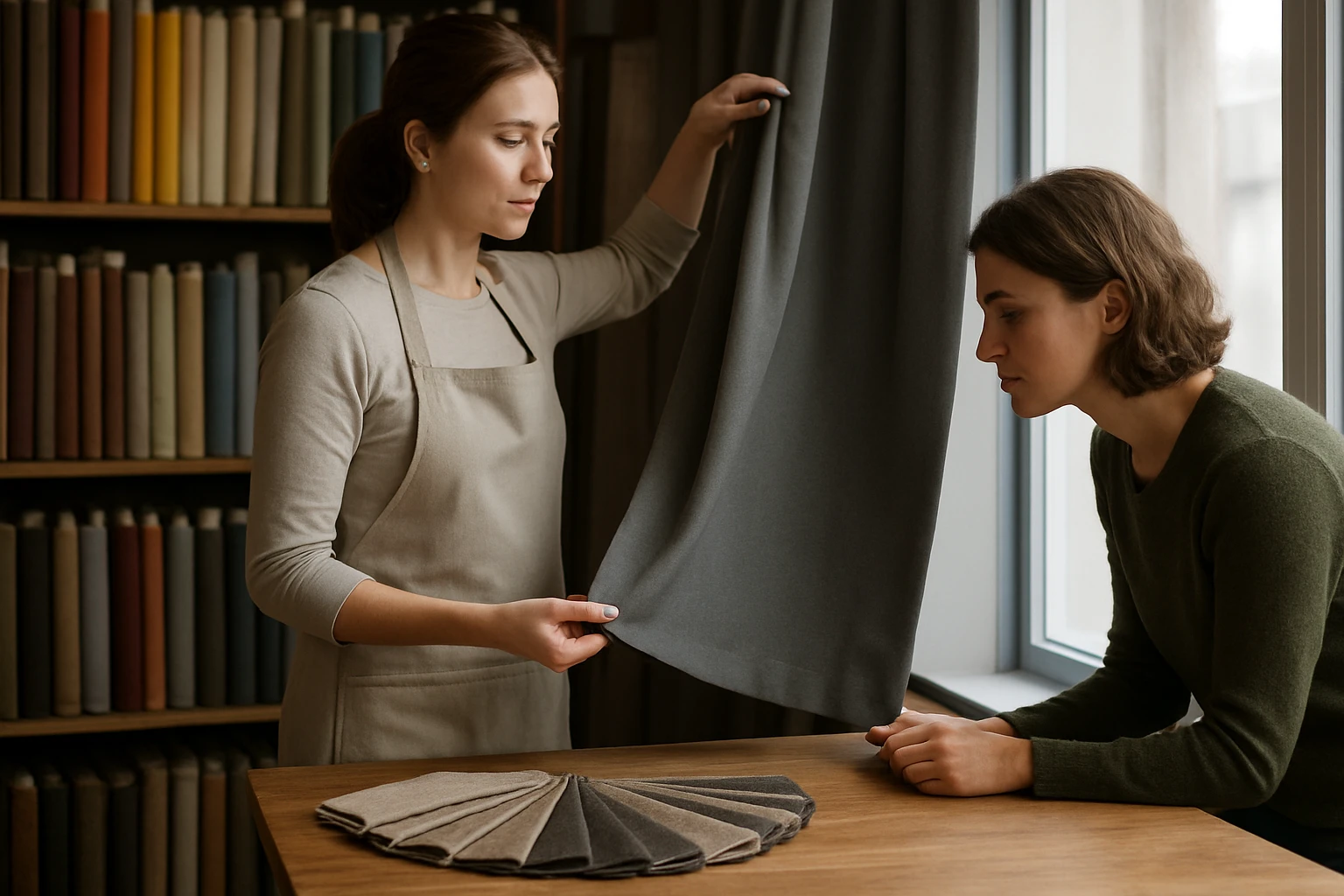
Local curtain shops give hands-on help and measured quotes, and many include fitting. They usually keep sample racks so you can check fabric thickness and backing in your own light. A common mistake is trusting a small swatch under store lights; hold samples up to your window at the time of day you need the most darkness.
Big-Box Retailers
Big-box stores and home improvement chains sell affordable ready-made blackout panels in standard widths and lengths. They are a good choice when you need a fast, low-cost option. Expect fewer fabric choices and a poor fit for nonstandard sizes.
Online Marketplaces and Retailers
Online marketplaces offer the widest range and many price points, from budget panels to premium brands. Read measurements and return policies carefully. Photos can help, but verify fabric weight, backing type, and exact light-blocking claims before you buy. For tips on shopping both near you and online, see Where to Buy Curtains Near You and Online.
Specialty Curtain Makers and Custom Workrooms
Custom makers cut curtains to exact window sizes and fit high-grade blackout linings. They offer choices of pleat styles and professional finishes. This is the best option for tall, shaped, or unusually sized windows, or when you need better sound or thermal performance. Expect longer lead times and higher cost, but a better result for tricky windows.
Department Stores and Home Decor Boutiques
Department stores carry mid-range options and sometimes stock designer blackout ranges. Home decor boutiques may sell premium velvet or silk-backed blackout curtains that look more luxurious while blocking light.
Direct to Consumer Brands
Some online brands sell direct to customers and offer long return windows, free samples, and clear product specs. These shops often list fabric weight in grams per square meter and a stated percent of light blocked, which helps when you compare options.
How to Compare Places Before You Buy
Choose the seller that matches your priorities. Use this short checklist when you compare options:
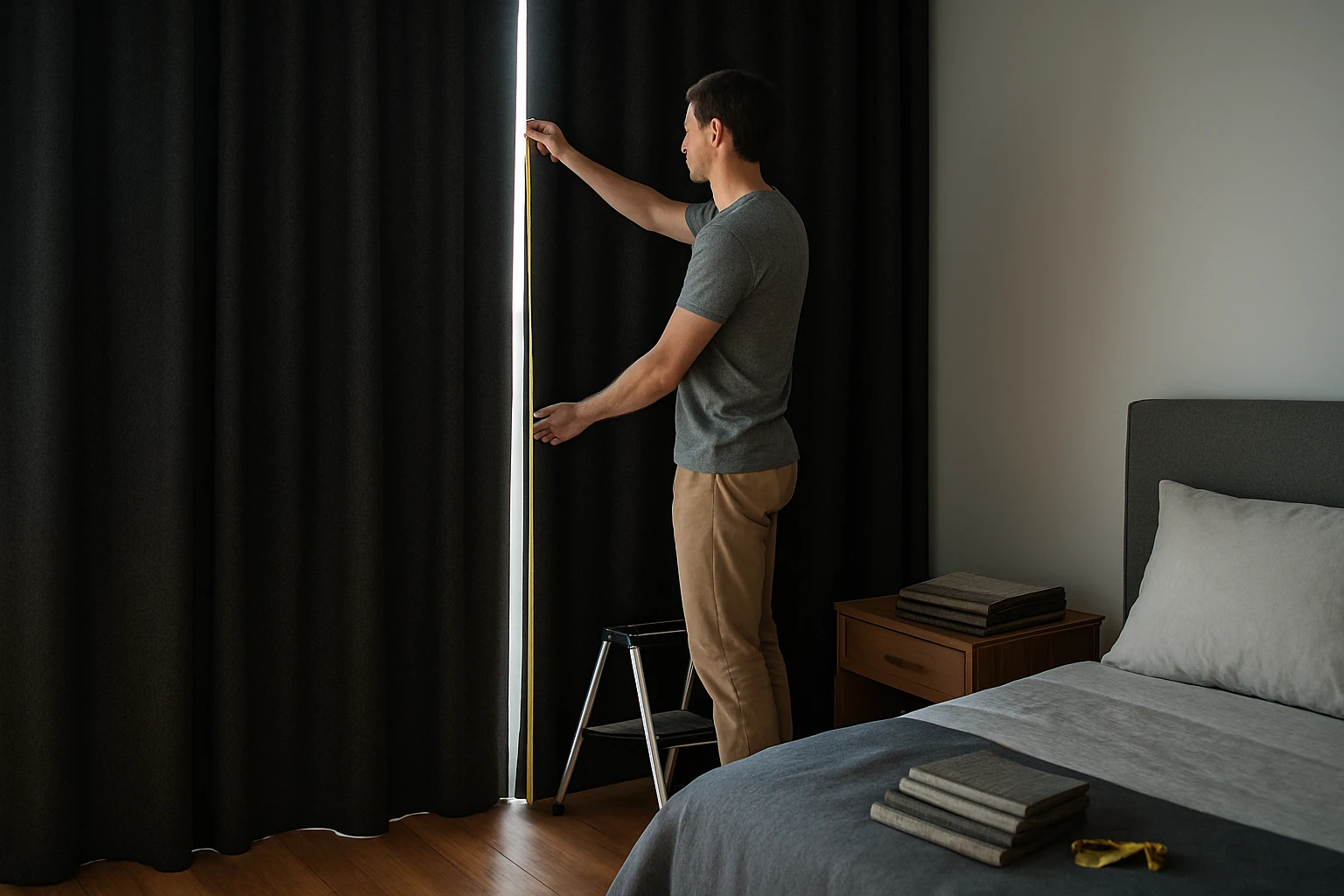
- Measure your window width and drop before you shop and bring dimensions when you visit a store. A common fit error is buying panels that are too narrow and leaving gaps at the edges.
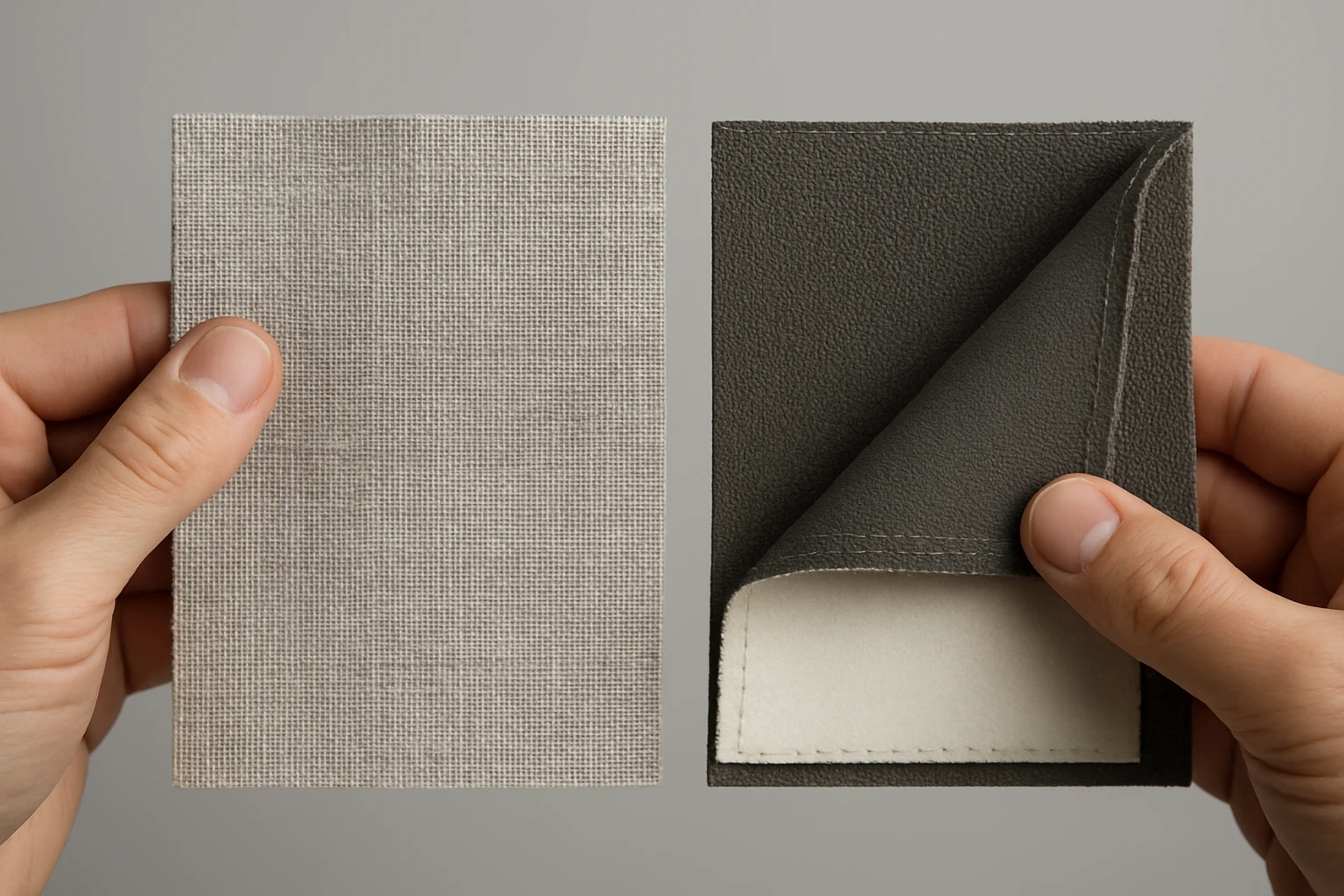
- Look for fabric details such as triple-weave, foam backing, or bonded blackout lining, and ask the seller for a light-blocking percentage if available.
- Check return and alteration policies, including whether the retailer will adapt panels or offer hemming.
- Compare lead times and fitting services if you need installation.
Quick Comparison Table
| Where To Buy | Typical Price Range Per Panel (USD) | Best For | Downsides |
|---|---|---|---|
| Big-box stores | 20 to 80 | Fast purchase, low cost | Limited sizes, fewer fabric choices |
| Online marketplaces | 15 to 200 | Wide variety, value buys | Variable returns, photos can mislead |
| Local curtain shops | 50 to 250 | Fitting, local service | Higher cost, variable stock |
| Custom makers | 150 to 600+ | Perfect fit, premium fabrics | Long lead times, highest cost |
| Direct brands | 40 to 300 | Clear specs, samples | Shipping times, sometimes limited local support |
Prices vary by region, fabric, and hardware. In our experience, about 35 percent of customers choose custom when windows are irregular and the rest choose ready-made or semi-custom options.
Price Benchmarks and What to Expect
Price depends on fabric, lining, width, length, and finish. Here are typical benchmarks to use when you compare offers:
| Item | Typical Cost Range | Notes |
|---|---|---|
| Ready-made polyester panel | 20 to 60 | Cheap, functional, light to moderate block |
| Mid-range triple-weave panel | 50 to 150 | Better block, thicker hand, often machine washable |
| Custom blackout panel (room height) | 180 to 450 | Tailored fit, thicker fabrics, can include lining and heading tape |
| Motorized blackout system | 400 to 2500+ | Motor and track add cost; measured install required |
One detail we see often: for a bedroom with a 3.0m drop, fabric and lining alone often add about 25 percent to the cost versus a standard 2.4m drop because extra fabric and a heavier liner are needed.
Materials and Features to Look For
Not all blackout curtains work the same. Ask sellers to explain these features plainly.
Fabric Types
- Triple-weave polyester: good light block and long life.
- Velvet with blackout backing: heavy and good at reducing light and sound. See Velvet Curtains for style options.
- Cotton blends with bonded backing: a natural look with solid light control.
Backing and Construction
- Bonded or foam backing adds a sealed layer that blocks light better than plain fabric.
- Room-darkening versus blackout: room-darkening cuts most light but may still let a thin rim through unless edges and header are handled. For true blackout, pick fabrics and hardware that overlap at the edges and header.
Headings and Fit Styles
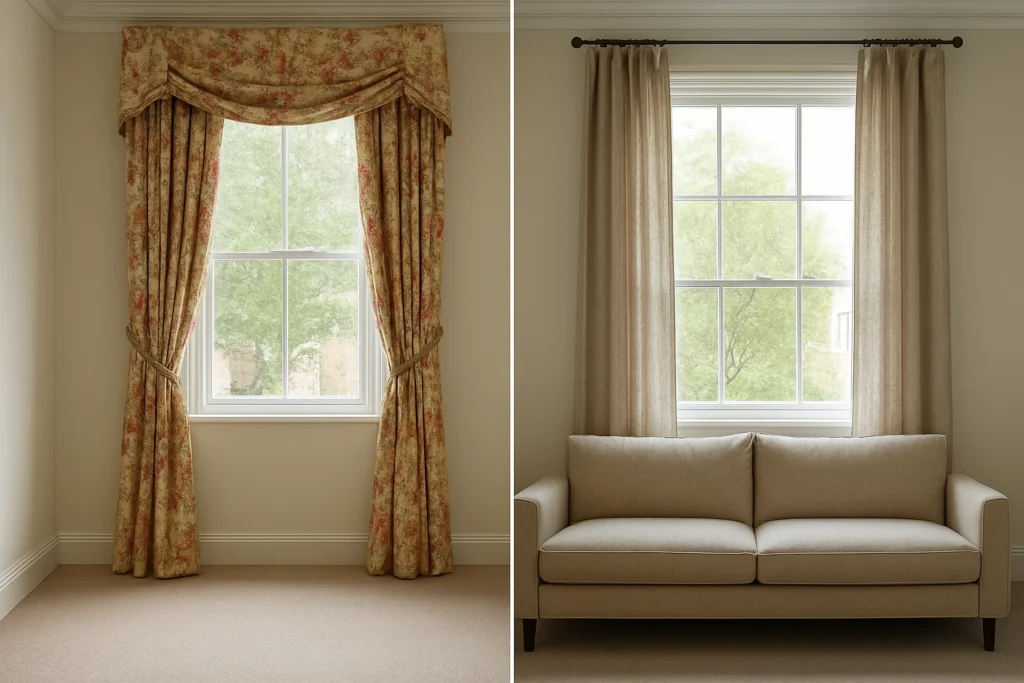
Different headings affect how the fabric hangs and how well it seals light at the top. For finish options check Pinch Pleat Curtains and Pencil Pleat Curtains. If you prefer eyelets, read about Eyelet Curtains and how they can leave gaps.
How to Shop Online Safely
Online shopping gives more choices but you need clear specs and a fair return policy. Do this before you buy:
- Confirm exact measurements and add the recommended fullness; most sellers suggest 1.5 to 2.5 times the window width for a good look.
- Ask for a fabric sample if you can; a small swatch held against your window shows how it behaves in your light.
- Check product specs for lining type, fabric weight (gsm), and any stated percent of light blocked.
- Read return and exchange terms and watch for restocking fees.
For more on combining light control and style, see How to Layer Sheer and Blackout Curtains for Better Light Control.
Installation, Measurement, and Return Policies
Good measurements and careful installation matter more than small differences in fabric. Here are practical points buyers often miss:
What to Measure:
Measure window width and drop at three points for accuracy and use the longest drop for fabric length. If you mount the rod above the frame, measure from the rod position to the floor.
Turnaround Time:
Off-the-shelf panels ship in days. Direct brands often list 1 to 2 weeks. Custom workrooms can take 3 to 8 weeks depending on workload and fabric dye times.
Returns and Alterations:
Check who pays for alterations or returns. Many custom orders are final sale, but some shops offer one free alteration for hemming after fitting.
Choosing Between Ready-Made, Semi-Custom and Custom
- Pick ready-made if budget and speed matter and your windows are standard.
- Pick semi-custom (standard panels with tailoring) if you want a better fit without a long wait.
- Pick custom when windows are tall, shaped, or when you need the best light seal and fabric quality.
If sound reduction matters, see Soundproof Curtains for denser options with proven dampening.
Tips for Getting the Best Light Block
- Add overlap at the edges and fit a pelmet or soffit to reduce top light leakage.
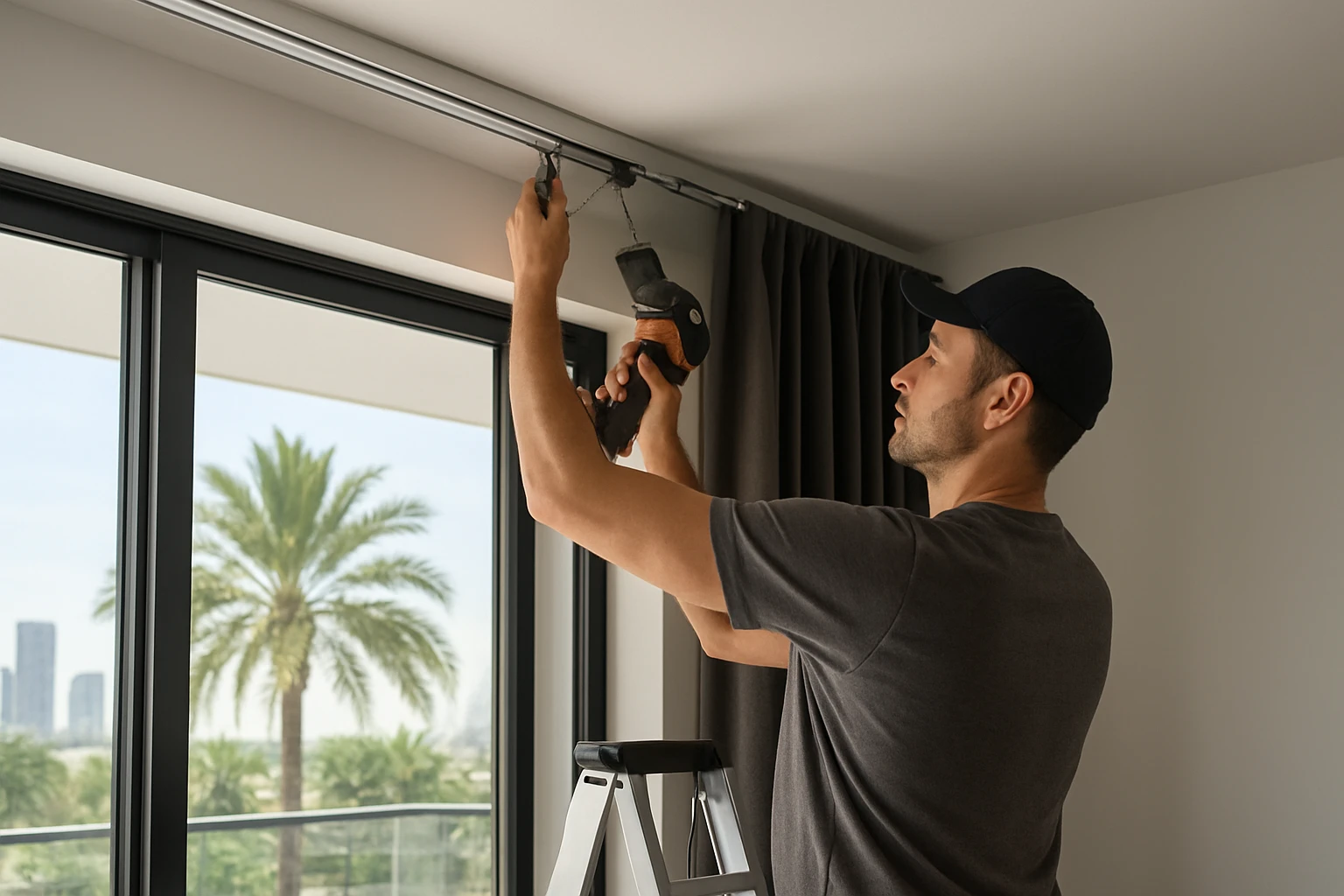
- For sliding doors use wider panels or a track system that allows overlap.
- Consider motorized options for high or hard-to-reach windows; see Motorized Curtains for examples.
Buying Checklist Before You Complete the Order
- Window measurements with mounting position noted.
- Desired heading style and fullness.
- Fabric sample for color and opacity check.
- Return, alteration, and installation terms.
- Delivery and lead time that match your schedule.
Final Recommendation
Decide first whether you value speed or a precise fit. For most standard windows you will save by shopping ready-made or direct brands. If your windows are irregular or you need a near-perfect dark room, invest in a specialist or custom maker. When unsure, get a sample and a measurement visit. If you want a local point of contact for both made-to-measure and ready options, Curtains and Blind can be a useful place to start.
Internal Links and Further Reading
For tailoring and style choices check these pages on the same site: Blackout Curtains for product-specific options, Sheer Curtains for layering ideas, and Velvet Curtains if you want heavier, more luxurious fabrics. For related reading choose Room Darkening Curtains That Improve Sleep, Privacy, and Comfort and Where to Buy Curtains Near You and Online.
Frequently Asked Questions
Are Blackout Curtains the Same as Room-darkening Curtains?
No. Room-darkening curtains reduce much of the incoming light but can still allow a rim of light at seams or the top. Blackout curtains use heavier fabrics or bonded linings and better hardware to block nearly all visible light.
Can I Get Blackout Curtains for Sliding Glass Doors and Bay Windows?
Yes. For sliding doors choose wider panels or a track system that allows overlap and smooth movement. Bay windows often need custom panels or segmented tracks so each section closes without gaps.
Is It Better to Buy Ready-made Blackout Curtains or Order Custom?
Buy ready-made when windows are standard and you want lower cost and fast delivery. Order custom for tall, shaped, or nonstandard windows where fit and full light seal matter more than price.
Do Blackout Curtains Help with Sound and Temperature Control?
They can. Heavy fabrics and dense linings dampen sound and add thermal insulation. For meaningful sound reduction choose thicker materials or curtains marketed as soundproof for proven performance.
How Should I Measure My Window for Blackout Curtains?
Measure width and drop at three points and use the largest measurement. Add recommended fullness, usually 1.5 to 2.5 times the window width, and decide if you will mount above the frame or inside it before ordering.
What Return Policy Should I Expect When Buying Blackout Curtains Online?
Look for a clear return window, free or reasonable return shipping for wrong items, and a note about custom orders being final sale. Many trustworthy shops offer fabric samples and easy exchanges within 14 to 30 days.