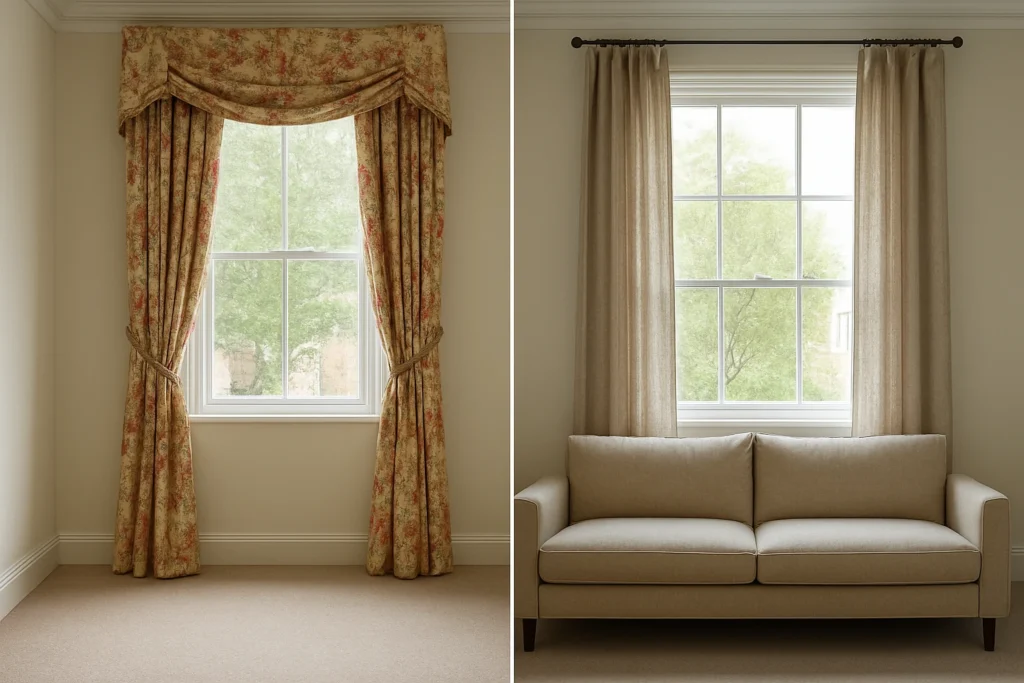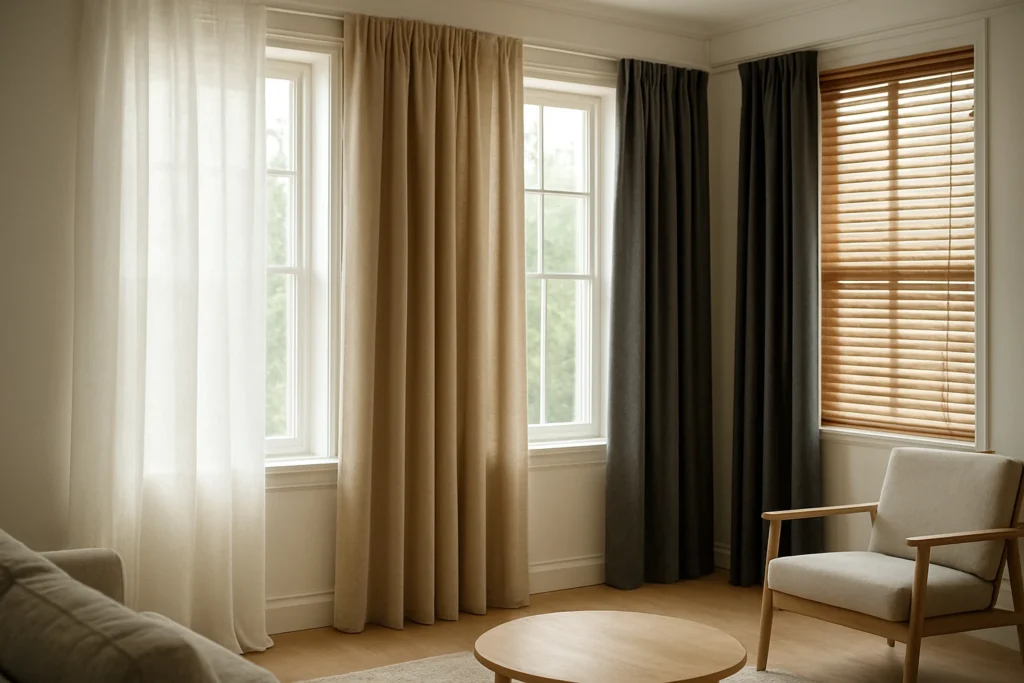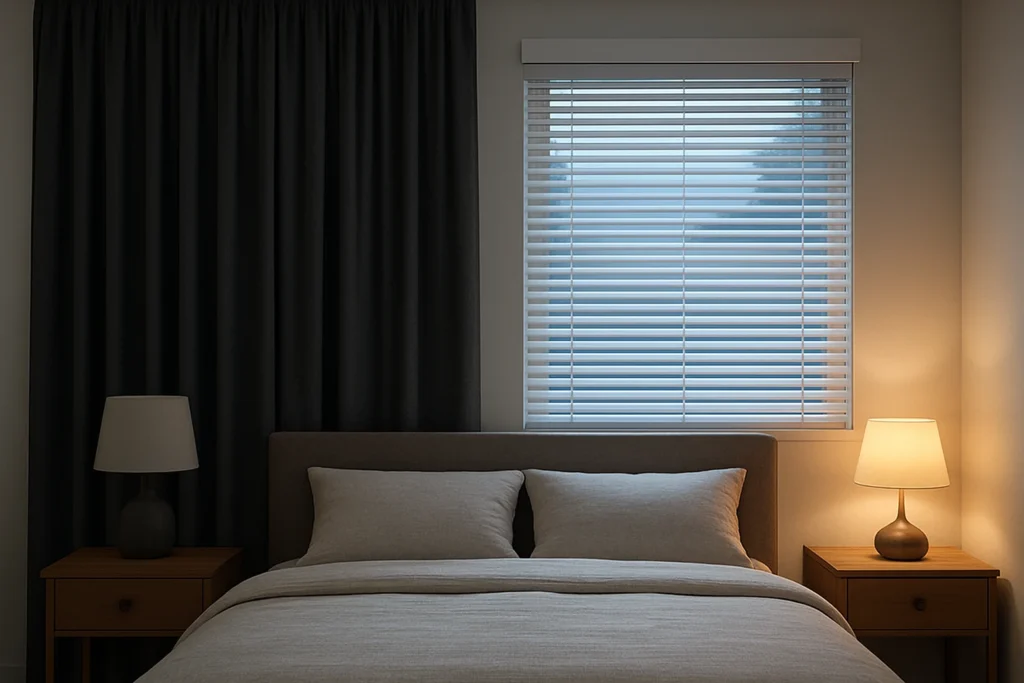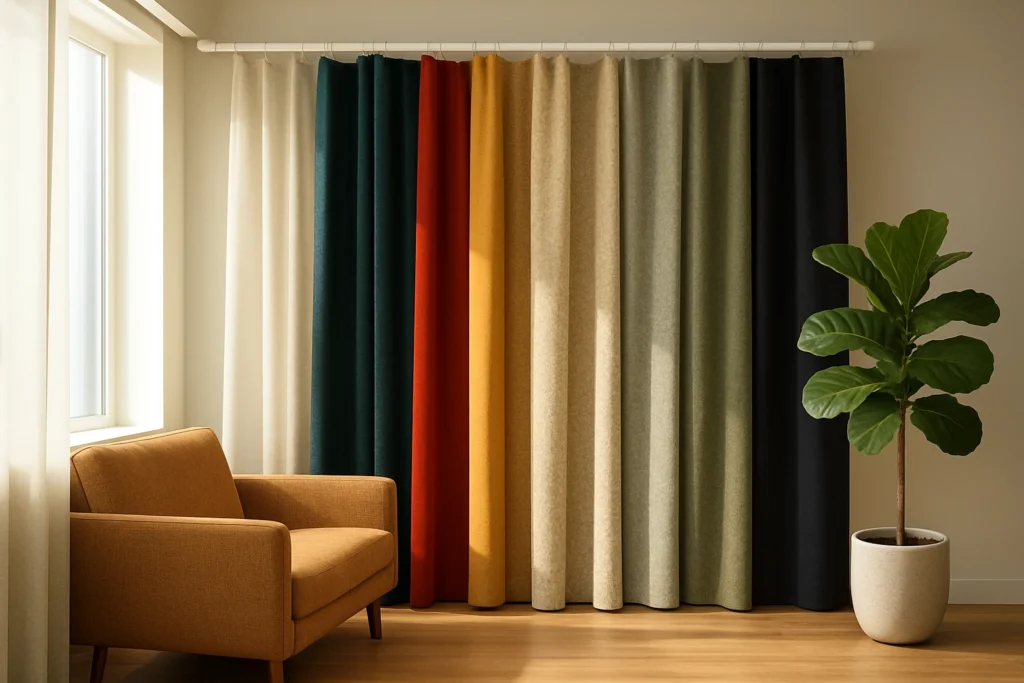

Curtains & Blinds both cover windows but work in different ways and meet different needs. Blinds give precise light control and a cleaner look. Curtains add softness and often insulate better. As Curtains and Blind explains, pick the option that matches your room, budget and how much care you want to do.
Key Statistics
- 60 to 70 percent of homeowners report light control as their main reason for replacing window coverings.
- Modeled energy savings from insulated curtains can cut heat loss by 10 to 25 percent in cooler months.
- In typical urban markets, sales split roughly 50/50 between blinds and curtains, with style choices shifting faster than technology.
How Blinds and Curtains Work
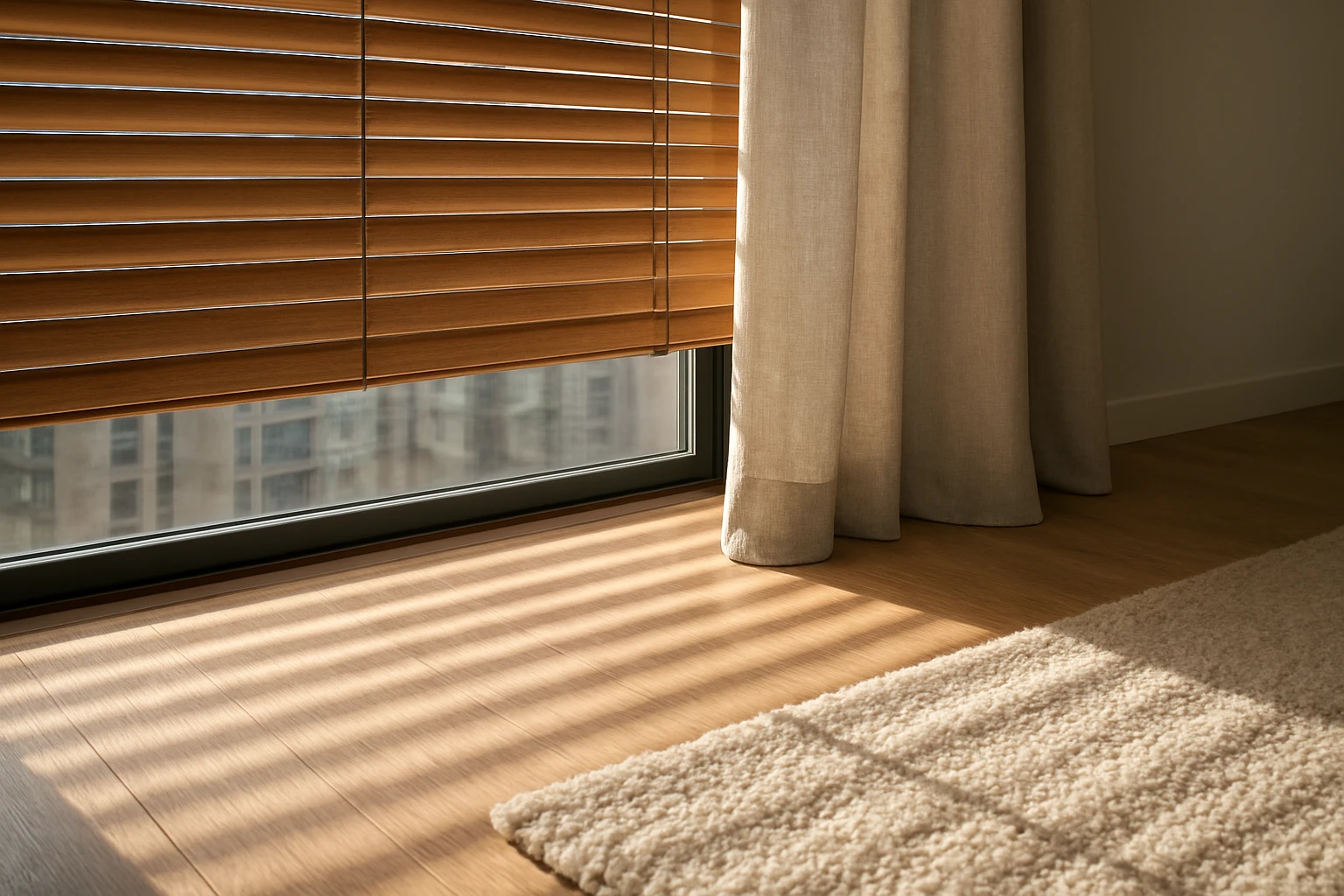
Blinds use slats or a solid screen that open and close to let light in or block it. Curtains hang from a rod and fold back to show the window. Each choice changes how light, privacy and the room feel. Knowing the basic mechanics makes it easier to pick the right one.
Light Control and Privacy
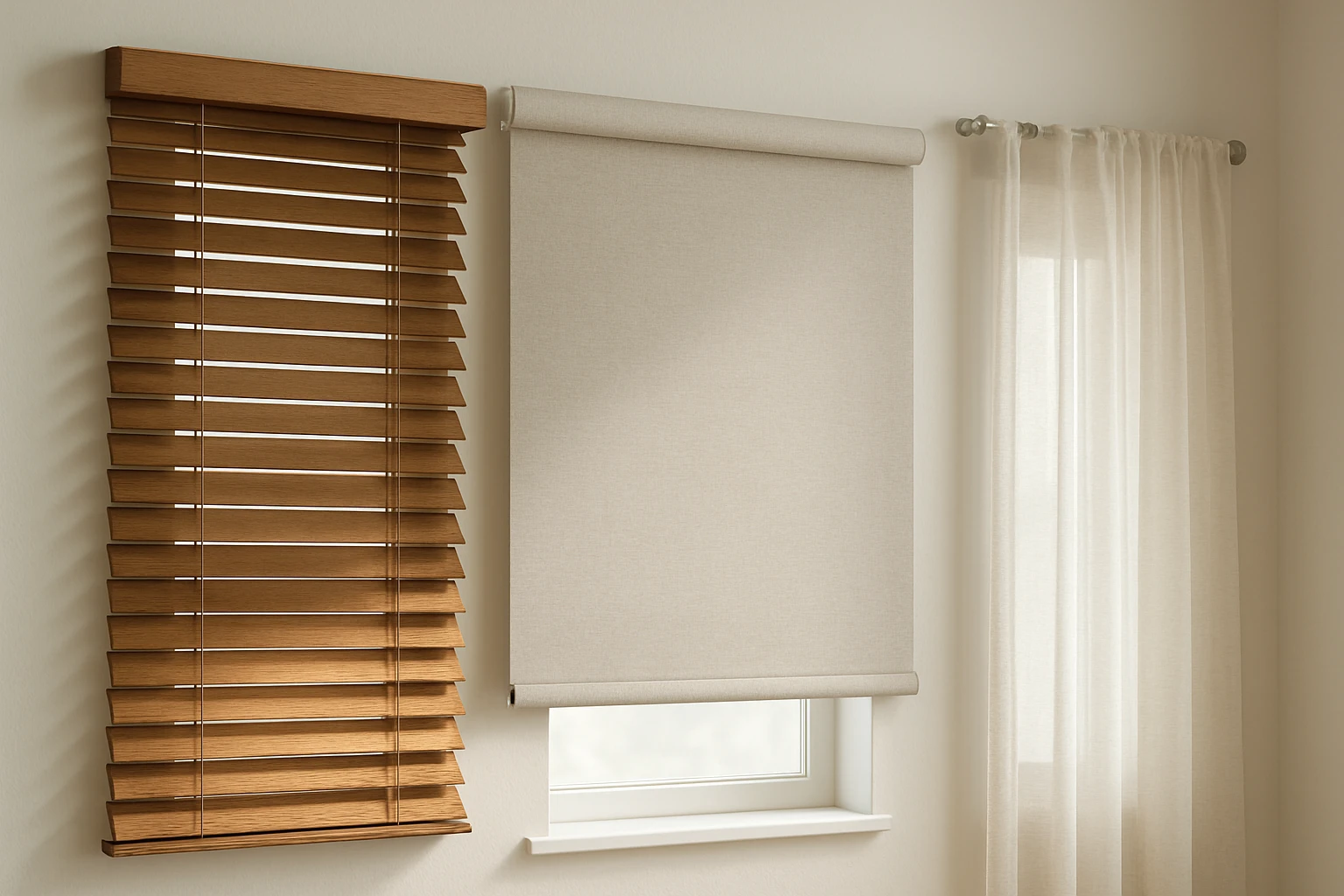
Light control is often the top factor when choosing blinds or curtains. Each has clear strengths. Blinds let you tilt slats to aim light away while keeping the room private. Many roller or Roman styles block almost all light when closed. Curtains vary by fabric and lining, so a heavy blackout curtain will darken a room while a sheer will only soften light.
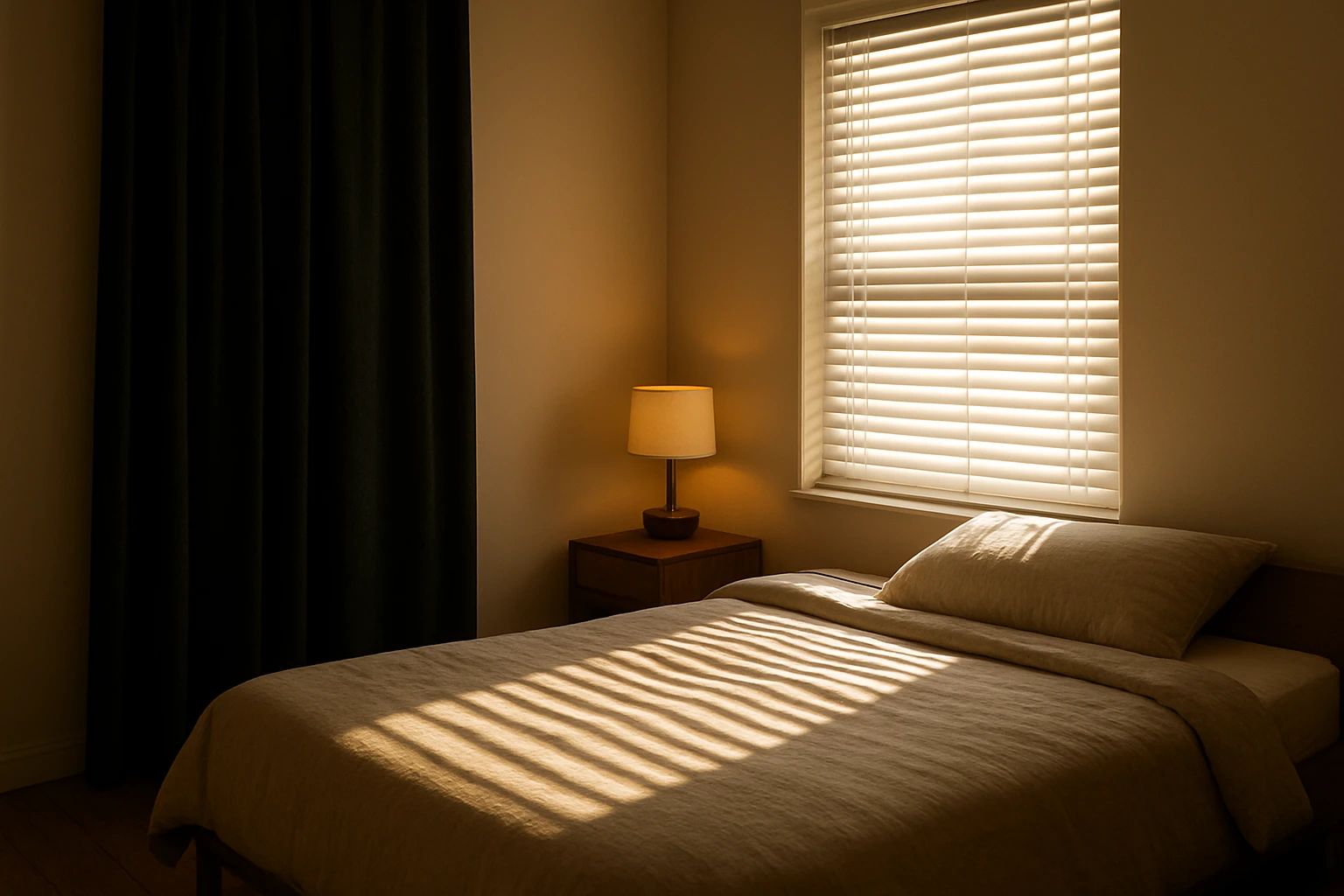
Measured Light Reduction
A quick way to judge options is by the light reduction rating:
- Sheer curtains: 10 to 30 percent light reduction
- Standard blinds (slatted): 30 to 70 percent when closed depending on gaps
- Blackout curtains and blackout roller blinds: 95 to 99 percent when fitted properly
Privacy Patterns and Use Cases
Day Use:
Use light-filtering blinds or sheers when you want daylight but less glare.
Night Use:
Choose blackout curtains or tightly sealed blinds for full privacy and to stop interior light from showing outside.
Insulation and Noise Reduction
Curtains often perform better at insulation when they are heavy and long enough to cover the window and the wall below. A lined curtain traps a layer of air and slows heat transfer, and thick fabrics also soften noise. Blinds can help too, especially layered roller types and certain cellular or honeycomb designs that have built-in air pockets.
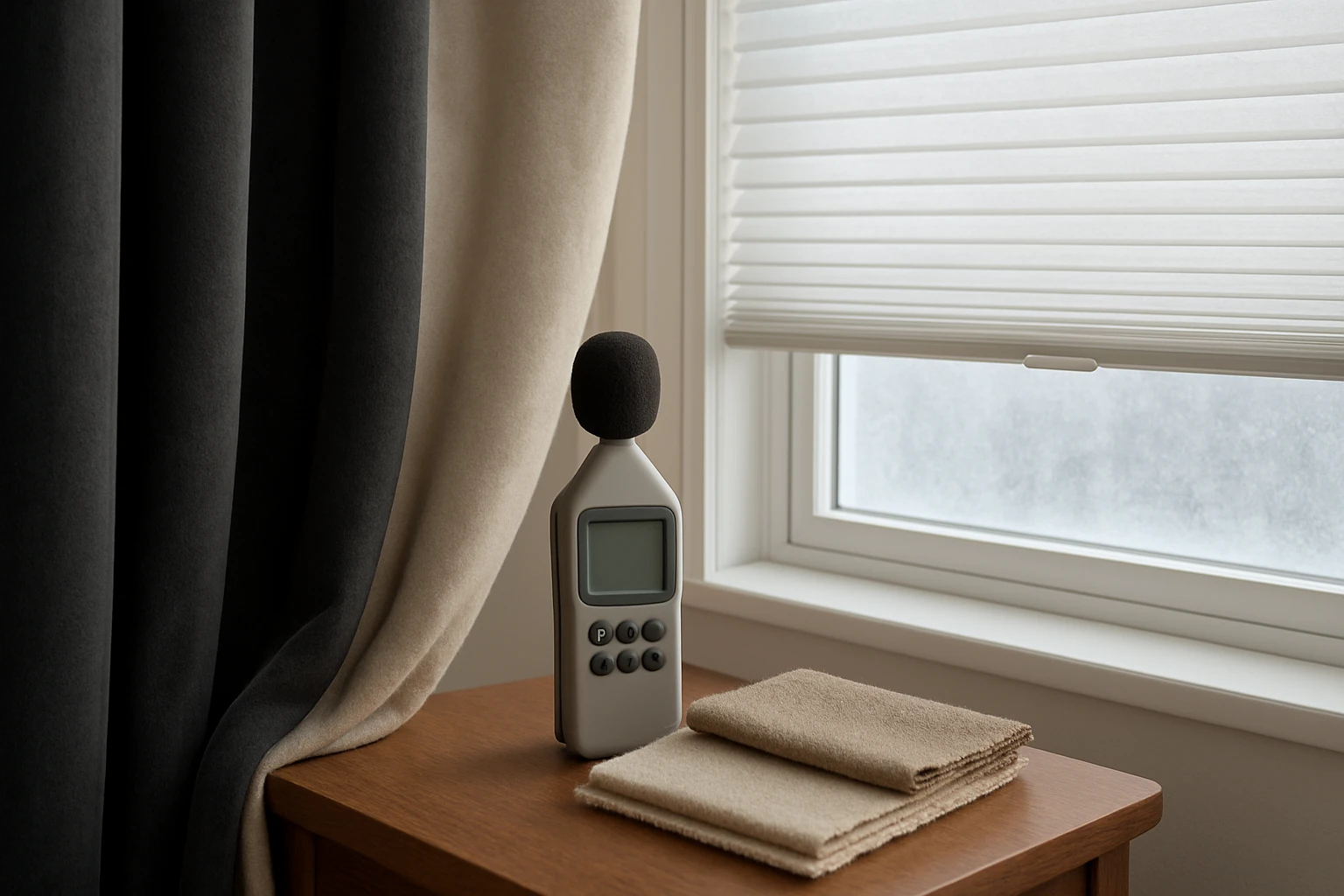
Typical Performance Numbers
| Treatment Type | Typical R-Value Improvement | Typical Noise Reduction (dB) |
|---|---|---|
| Single-layer sheer | 0.1 to 0.2 | 1 to 2 |
| Lined heavy curtain | 0.3 to 0.6 | 3 to 6 |
| Cellular blind | 0.2 to 0.5 | 2 to 4 |
In our experience, people who want clear energy gains rarely rely on an unlined single layer. Adding a lining or combining blinds and curtains gives a measurable effect.
Styles, Materials and Durability
Style matters because the window covering changes the whole room. Blinds come in wood, faux wood, aluminum, fabric and PVC. Curtains run from light sheers to heavy velvets and silks. How long they last depends on the material quality and how the window is used.
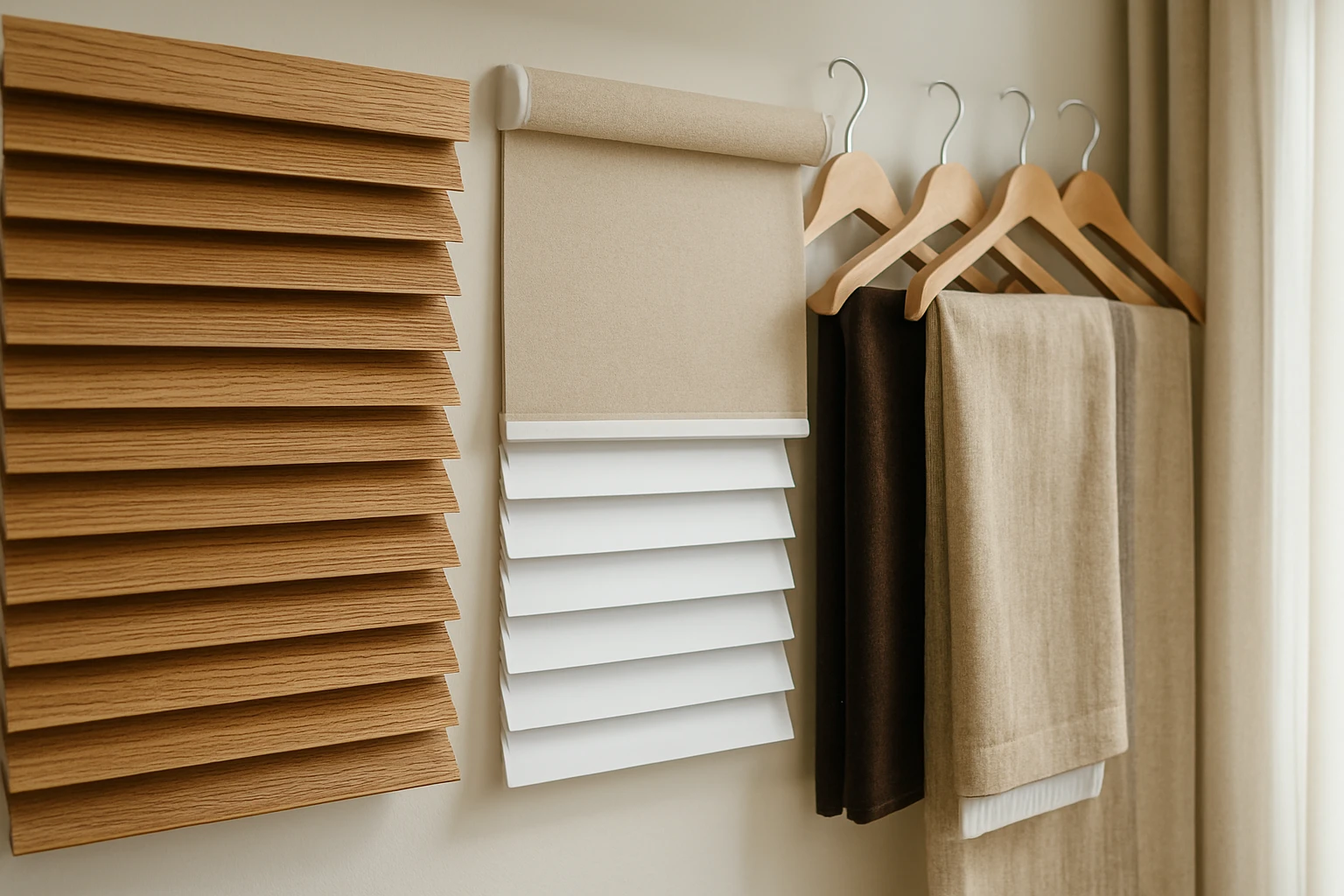
Common Blind Types
Blinds work well in many rooms because they give precise light control. Here are common types and when they fit:
- Venetian blinds for adjustable light and a classic look. See more about Venetian Blinds.
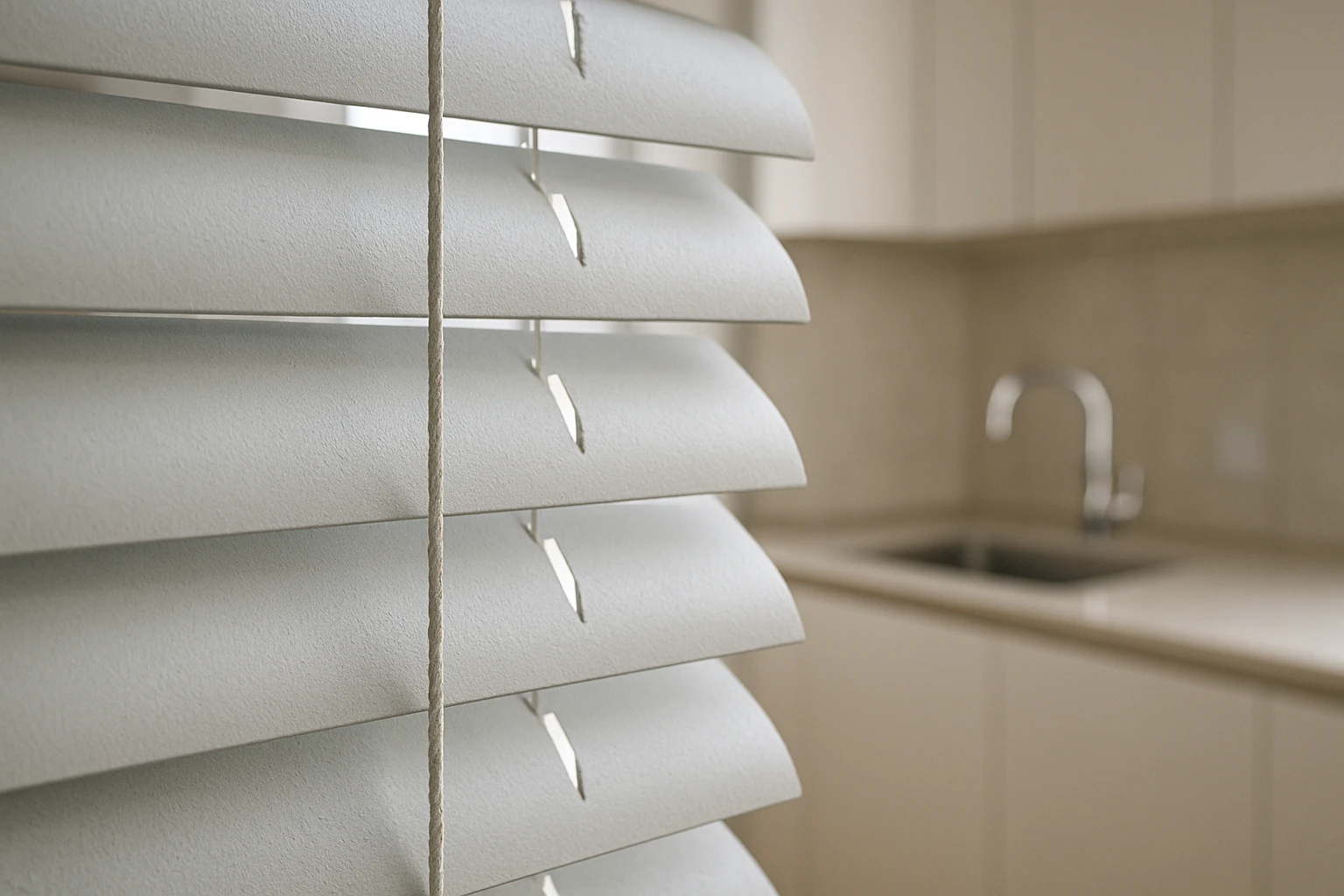
- Wooden blinds for warm texture and insulation. See Wooden Blinds.
- Roller blinds for a clean, minimal look. See Roller Blinds.
- Roman blinds for a tailored stacked look. See Roman Blinds.
- Zebra blinds when you want layered light-filtering and privacy. See Zebra Blinds.
- Vertical blinds for tall or wide windows and sliding doors. See Vertical Blinds.
- Outdoor blinds for patios and terraces where weather resistance matters. See Outdoor Blinds.
Common Curtain Types
Curtains change a room’s softness and scale. Examples below match common styles:
- Wave curtains for a modern flowing header. See Wave curtains.
- Velvet curtains for formal rooms and strong thermal performance. See Velvet Curtains.

- Silk curtains for dressy interiors. See Silk Curtains.
- Roman curtains for neat folds and a hybrid look between blinds and curtains. See Roman Curtains.
- Pinch pleat and pencil pleat for classic tailored hangs. See Pinch pleat curtains and Pencil Pleat Curtains.
- Soundproof and theatre curtains when noise or blackout are priorities. See Sound Proof Curtains and Theatre Curtains.
Installation, Cleaning and Maintenance
Many blinds and curtains are a weekend DIY, but accurate measuring and a good fit matter most. A poor fit makes even a premium product underperform. Cleaning needs depend on the material and the room.

How to Measure for Best Fit
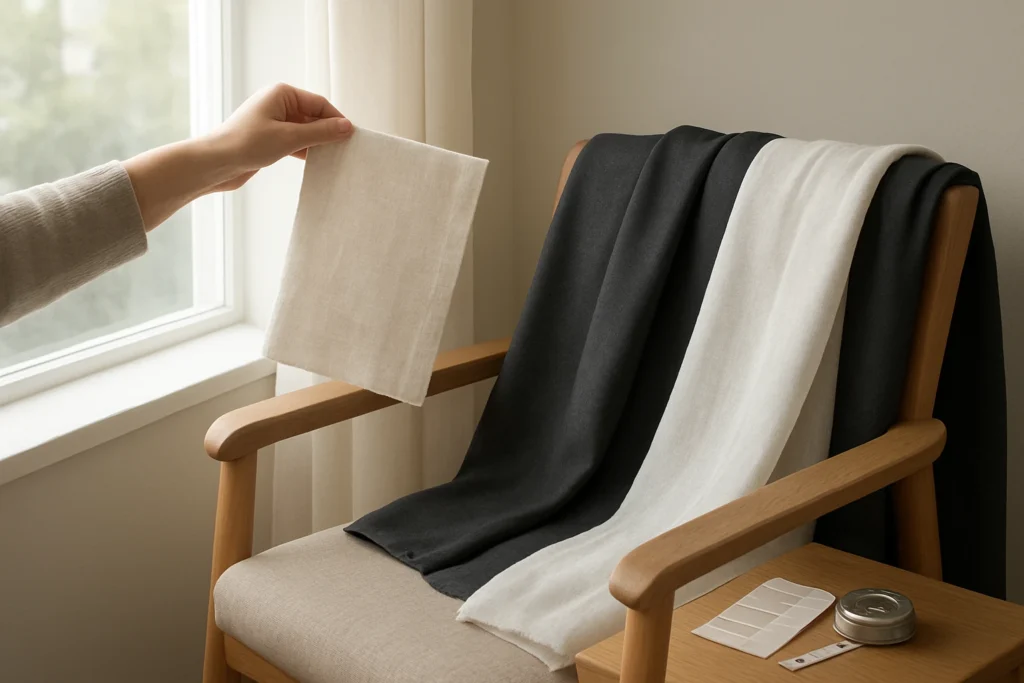
Follow clear measuring steps and add width for fullness or overlap as needed. For curtains measure width and hang height. For blinds measure the exact frame width for an inside fit or add overlap for an outside fit. See our guide on How to Measure for Curtains for Any Window Size.
Cleaning and Care
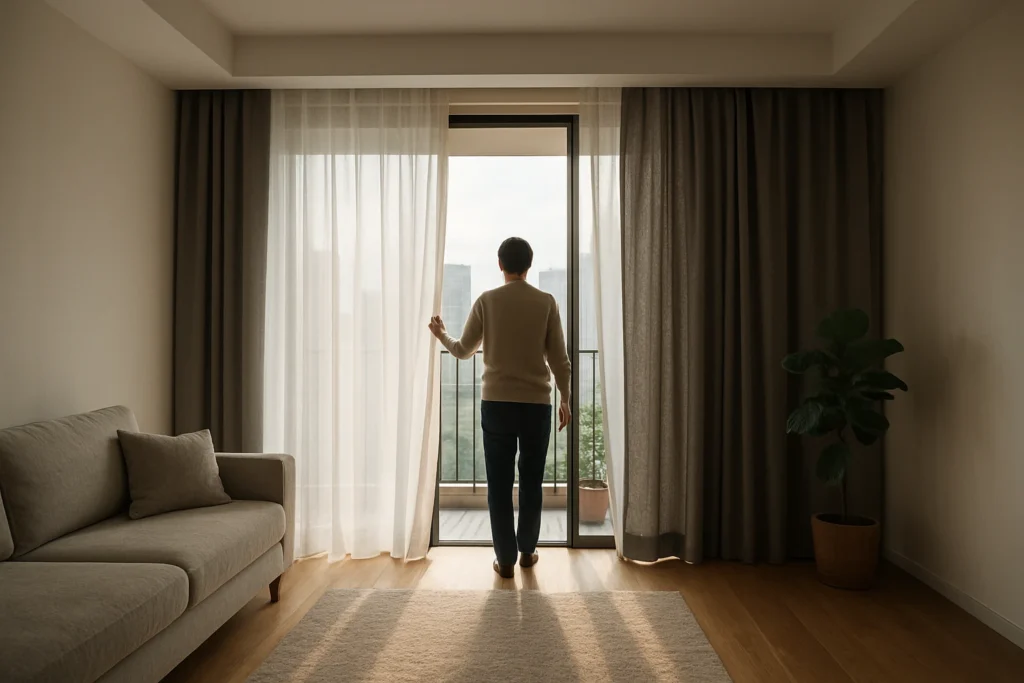
Different materials need different care. Blinds often gather dust and need regular wipe-downs. Curtains may be machine-washable, dry-clean only or need spot cleaning. For blind-specific steps see How to Clean Blinds Safely. For layered setups and blackout combos see How to Layer Sheer and Blackout Curtains for Better Light Control.
Routine Cleaning:
- Dust or vacuum weekly for curtains and blinds.
- Spot clean spills promptly.
- Deep clean annually or as the fabric recommends.
Common Maintenance Mistakes:
- Measuring a window only once instead of checking twice.
- Choosing a fabric that needs dry cleaning for a room that needs frequent washing.
Cost Comparison and Value
Cost varies with material, size and fit. For small windows, basic blinds often cost less up front. Luxury curtains or tailored tracks add price but can raise perceived value and improve insulation.

| Item | Typical Price Range (Small Window) | Lifespan (Years) |
|---|---|---|
| Basic roller blind | 100 to 200 | 5 to 10 |
| Mid-range venetian or roman blind | 200 to 350 | 7 to 12 |
| Basic curtain panel | 60 to 200 | 5 to 10 |
| Lined or bespoke curtain | 150 to 600+ | 10 to 20 |
A common mistake is to judge value by initial price alone. Often a higher-quality curtain or blind that lasts longer and lowers energy bills gives better lifetime value.
Room by Room Recommendations
Different rooms need different balances of style, control and durability.
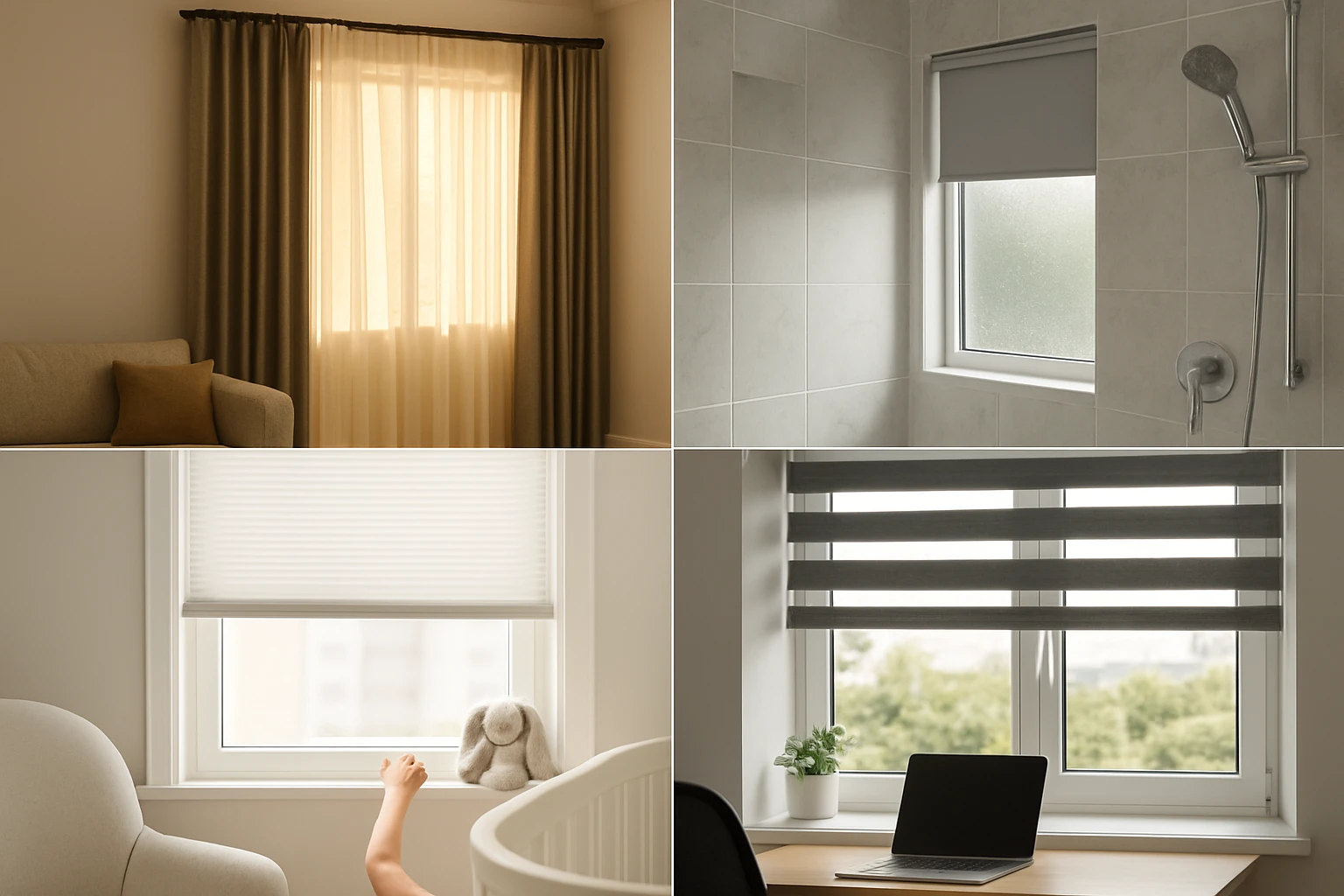
Living Room:
Curtains add warmth and scale. Layer a sheer and a heavier curtain for more options.
Bedroom:
Blackout curtains or blackout roller blinds create the best sleep conditions when light control is key. Combining a blind and a curtain helps block light at the edges.
Kitchen and Bathroom:
Pick moisture-resistant blinds or quick-dry fabrics and avoid long hems that collect grease or water.
Home Office:
Blinds that cut glare work best with screens. A fabric curtain can help calm sound if needed.
How to Choose a Quick Checklist
Use this checklist to narrow choices fast.

- Define priority: light control, insulation, style or budget.
- Measure twice and note inside or outside mount.
- Pick a material suited for the room environment.
- Decide on automation or manual control for larger or high windows.
- Consider layering blinds and curtains for best results.
Side by Side Comparison Table
A clear table helps compare the most common factors between blinds and curtains.
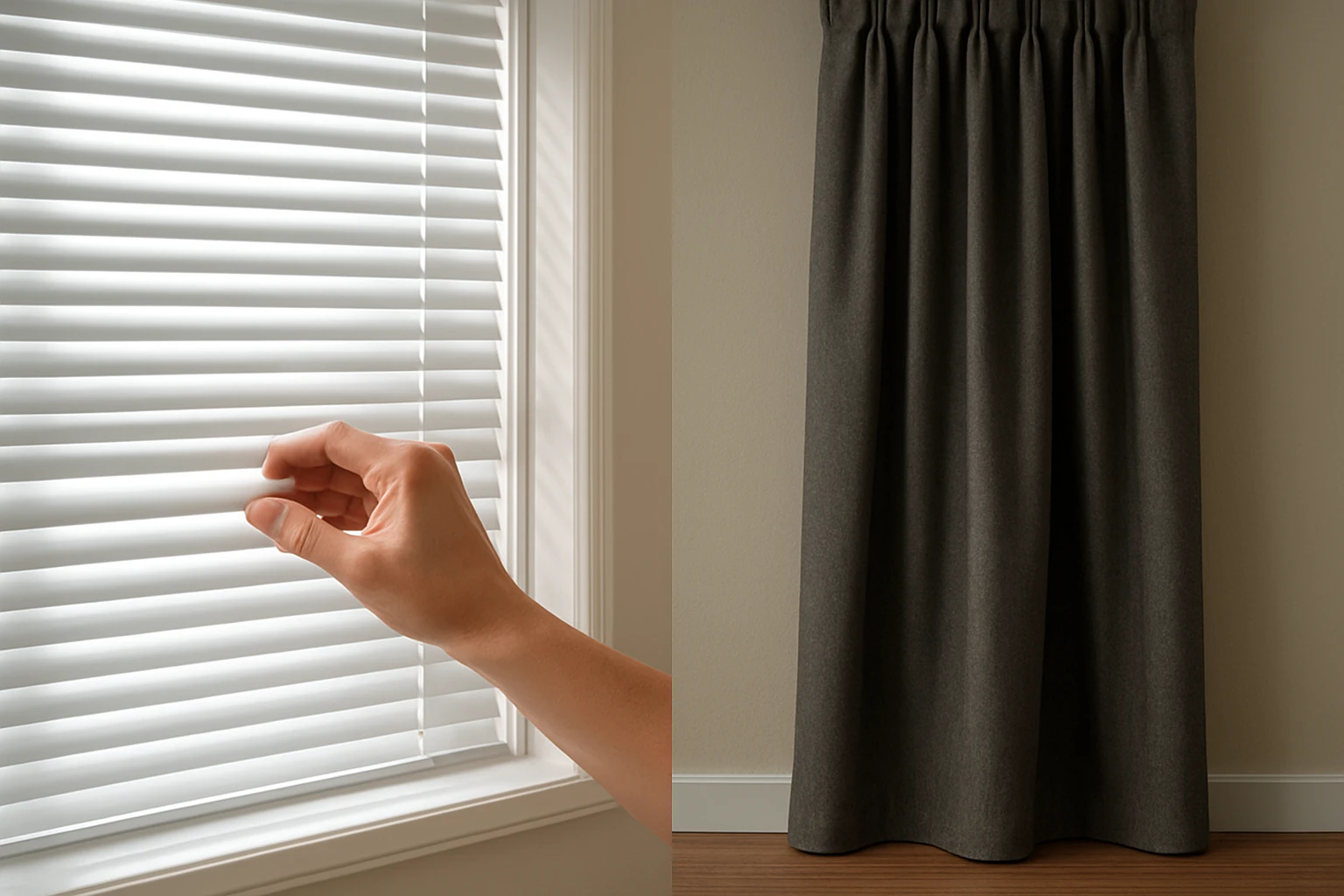
| Feature | Blinds | Curtains |
|---|---|---|
| Light Control | Precise with slats or full with roller | Depends on fabric and lining |
| Privacy | High with closed slats | High with blackout or lining |
| Insulation | Moderate; better with cellular designs | Often better if heavy and full length |
| Noise Reduction | Moderate | Better with heavy fabrics |
| Style Flexibility | Clean, modern, tailored | Wide range of textures and formality |
| Ease Of Cleaning | Generally easy | Depends on fabric, some need dry clean |
| Cost Range | Low to high | Low to high, bespoke higher |
Final Recommendation
Choose blinds when you want exact light control, a modern look or a compact fit inside the window frame. Choose curtains when you want softness, better insulation and a wider style choice. For many rooms the best answer is a mix: a blind for daily light control and a curtain for style and insulation.
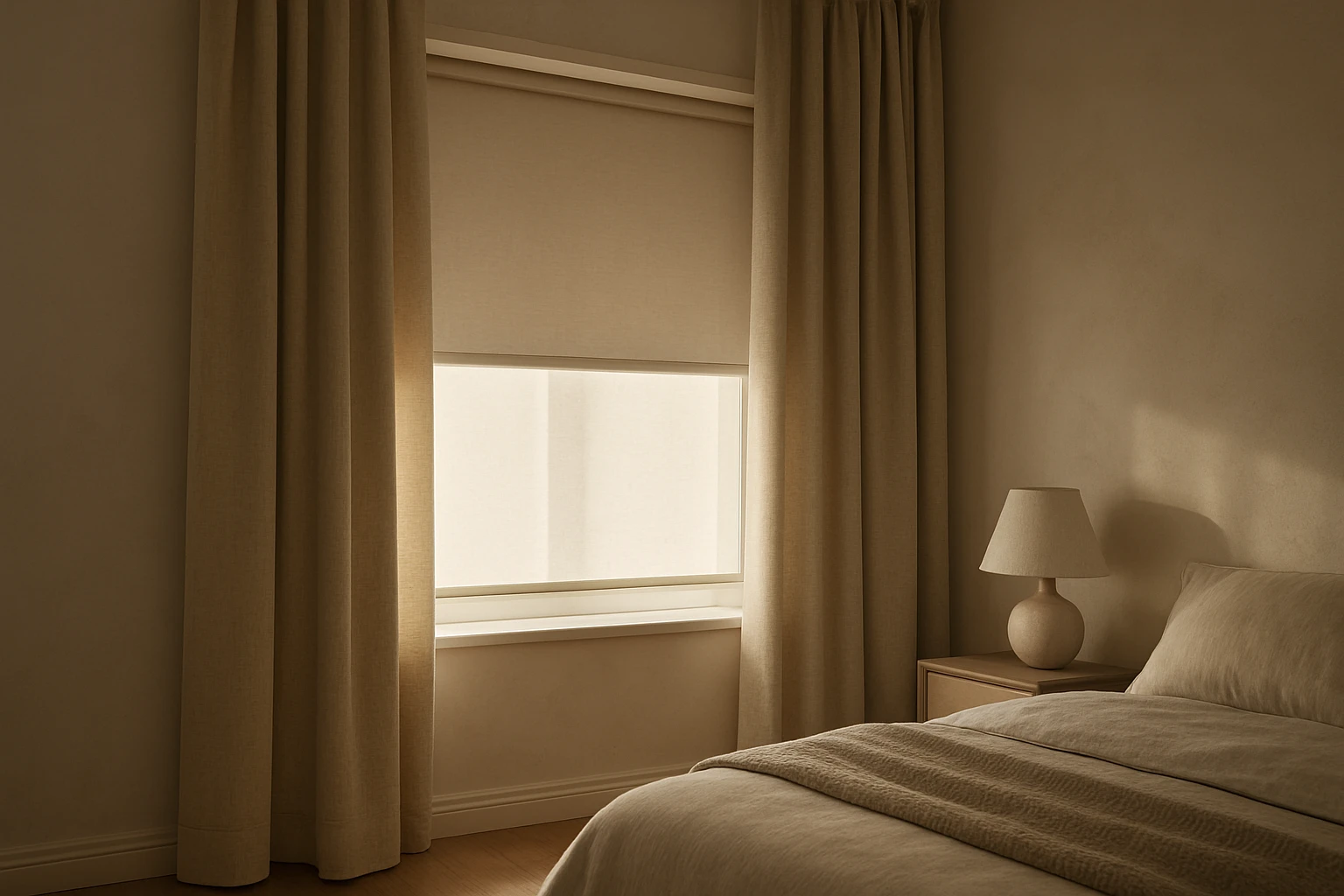
If you want a quick starting rule, pick blinds for tight light control and busy spaces, and pick curtains when warmth, noise reduction or drama matter. When in doubt, layer both for the widest benefits.
For local product options and professional fitting in your area, consult the team at Curtains and Blind for bespoke advice and installation support.
Frequently Asked Questions
Which Is Better for Insulation, Blinds or Curtains?
Curtains typically insulate better when they are heavy, lined and long enough to cover the wall. Certain blinds, like cellular honeycomb designs, also help by trapping air. For the best result combine a fitted blind with a lined curtain.
Can Blinds Provide Full Blackout Like Curtains?
Yes, some blinds such as blackout roller blinds or well-fitted Roman styles can block nearly all light. Curtains with proper blackout lining and edge overlap also reach very high levels of darkening.
Are Blinds Easier to Clean Than Curtains?
Many blinds are easier to dust and wipe clean, while curtains often need machine washing or dry cleaning depending on the fabric. Choose materials that match the room and how often you can clean.
What Is the Best Choice for a Living Room?
For living rooms, curtains often give the best balance of style and scale. If you want precise control of glare for screens, combine curtains with a blind for the most flexible solution.
How Do I Measure for Blinds or Curtains?
Measure the window width and height carefully for inside or outside mount. For curtains add extra width for fullness and hang height above the frame for a taller look. See the site guide on measuring for detailed steps.