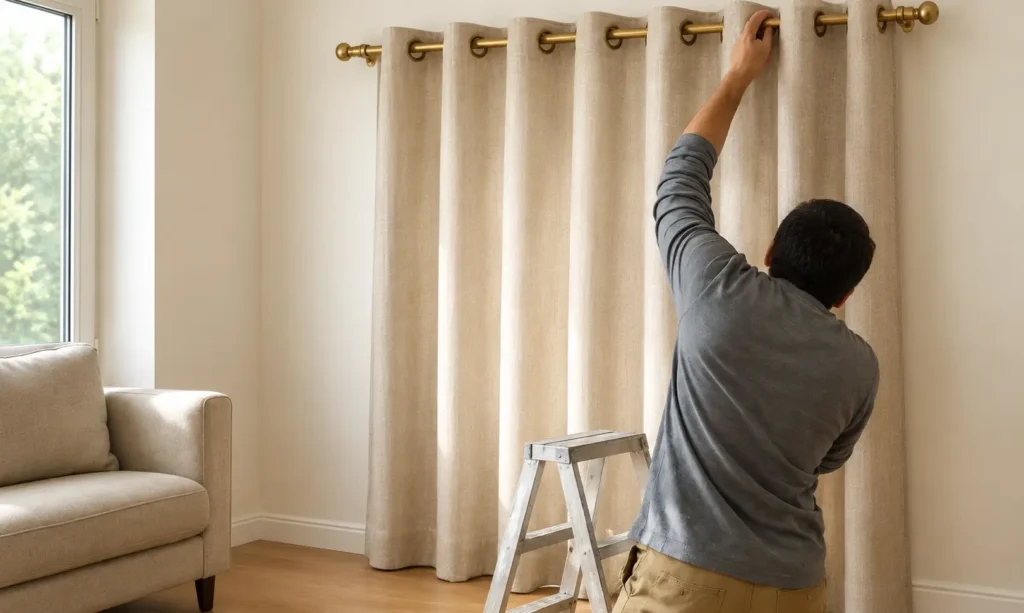
Hang curtains by measuring the window, picking the right rod and heading, mounting sturdy brackets, and hanging panels so they overlap and reach the correct length. If you measure carefully and follow the steps below, one person can finish a single window in under two hours with basic tools.
Key Statistics
- Most people place the rod 4 to 6 inches above the window frame to make windows look taller and to reduce light gaps.
- Standard side clearance is 3 to 6 inches beyond the window frame on each side to allow the full width of the window when curtains are open.
- Common fullness for a good look is 1.5 to 2 times the window width depending on fabric and style.
- Average DIY install time is 45 to 90 minutes per window for a single person using a basic rod system.
In this guide, Curtains and Blind walks you through every step so you can hang curtains that look polished and perform well.
Choose the Right Curtains and Rod
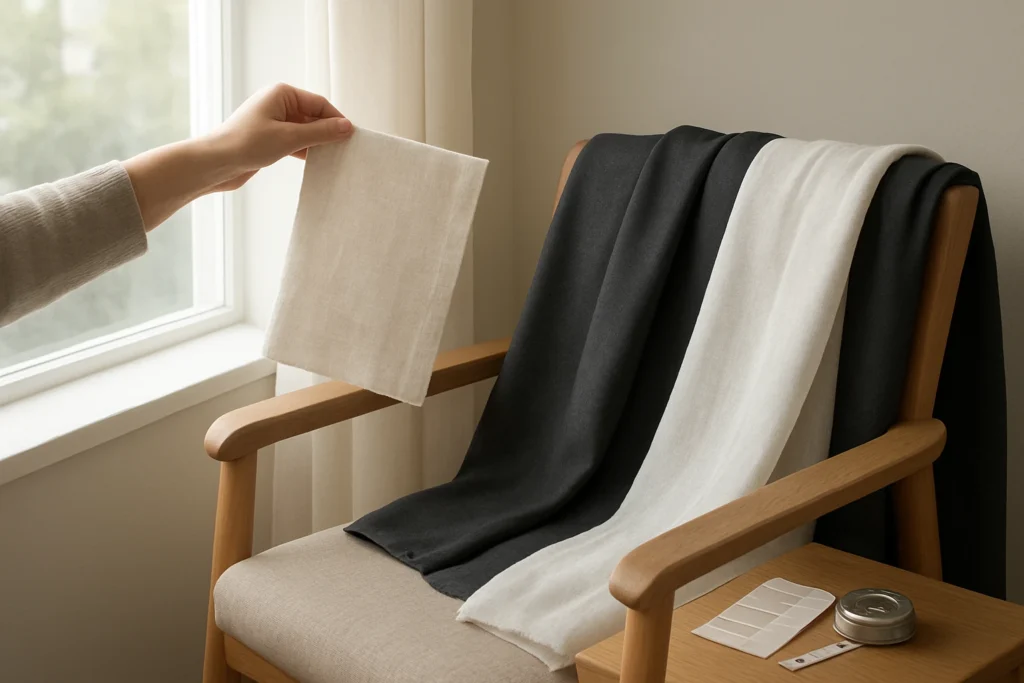
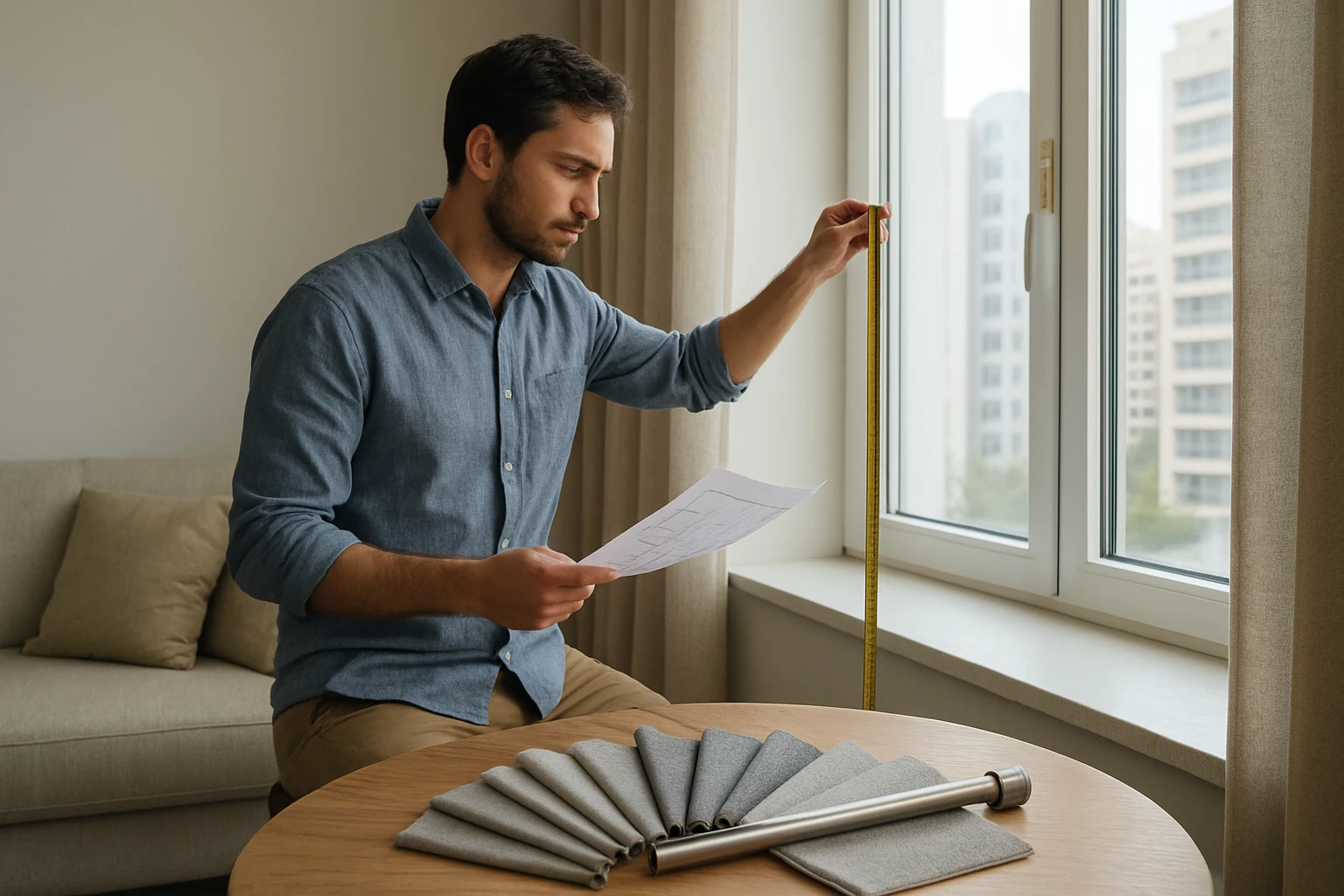
Start by deciding what you want the curtains to do and which style fits the room. Think about light control, privacy, insulation, and the look that matches the space. Match the fabric and heading to the function and you will save time later.

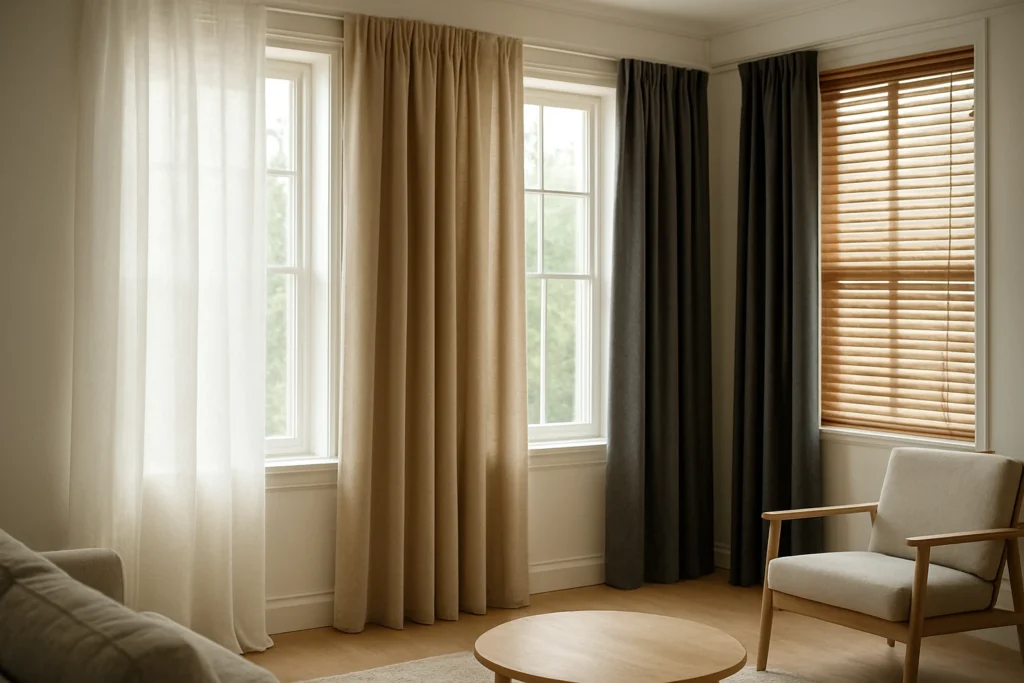
Fabric tips and common uses
- Heavy fabrics like velvet and thick weaves block more light and help with sound and insulation. See options under Velvet Curtains.
- Lightweight or translucent fabrics like chiffon suit soft daylighted rooms and layered looks. See Chiffon Curtains.
- Silk and silk blends give a formal look but need careful care. See Silk Curtains.
- For bedrooms or media rooms choose room darkening or blackout lining for sleep and screen viewing. See more on room darkening in the blog post Room Darkening Curtains That Improve Sleep, Privacy, and Comfort.
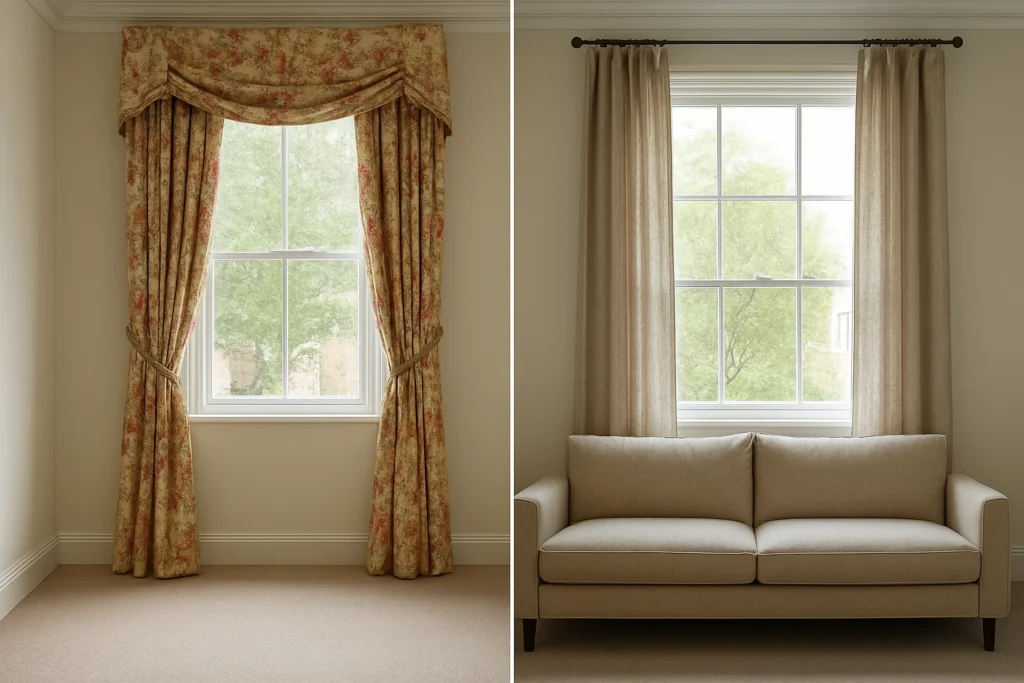
Pick a heading type that matches the rod and your preference
- Eyelet works well on a metal pole for a modern clean look. See Eyelet Curtains.
- Pencil pleat and pinch pleat suit traditional looks and work with track or rod systems. See Pencil Pleat Curtains and Pinch Pleat Curtains.
- Wave curtains give a consistent soft ripple and pair with special tracks. See Wave curtains.
- Roman curtains fold neatly and need a track or a dedicated headrail. See Roman Curtains.
- For offices, hospitals, or theaters choose specialist solutions listed under Office Curtains, Hospital Curtains, and Theatre Curtains.
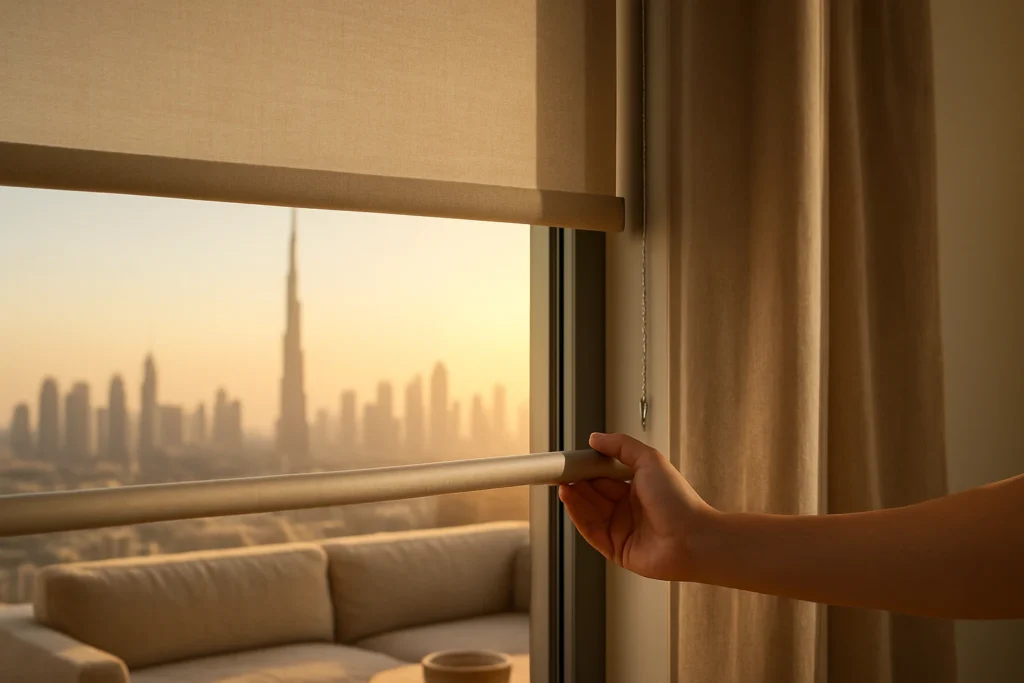
When you want convenience, consider motorized systems for large or high windows. See Motorized Curtains. For sound control, look at Soundproof Curtains.
Measure Windows the Right Way
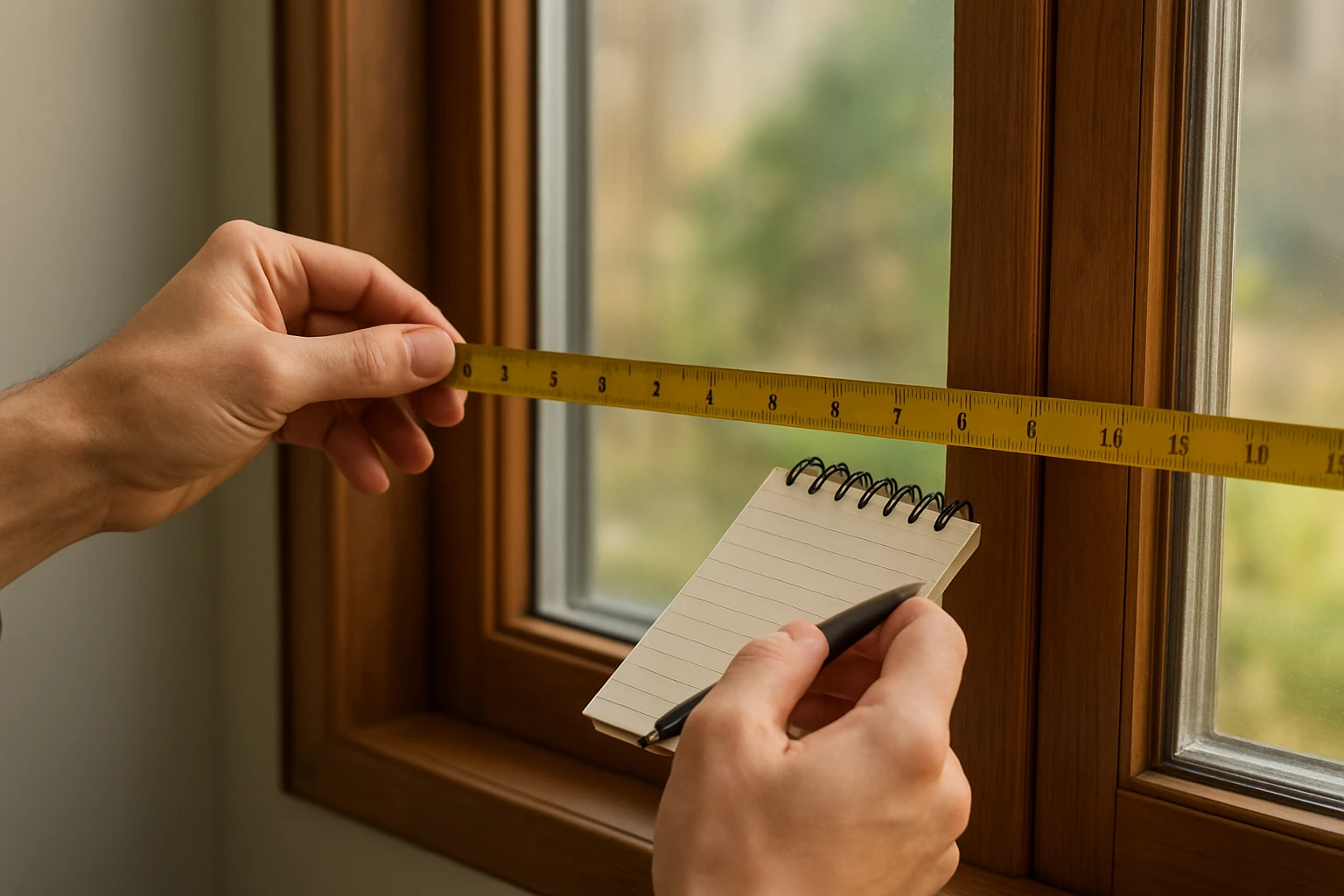
Accurate measuring is the single most important step and prevents rework. Measure twice and write down width and height for each window. If you plan to use standard sizes, confirm them before you buy.
Common measurement rules you can rely on
| Type | How To Measure | Typical Note |
|---|---|---|
| Width for rod | Measure from outside edge of trim to outside edge of trim then add 6 to 12 inches total so curtains clear the glass when open | Add 3 to 6 inches each side |
| Height for rod placement | Measure from the top of the window frame up to where you want the rod then add rod projection | Commonly 4 to 6 inches above the frame |
| Sill length | Measure from top of rod to sill and allow 1 inch above sill | For casual look |
| Floor length | Measure from top of rod to floor then subtract 1/2 inch | Standard neat look |
| Puddle length | Measure as for floor then add 3 to 6 inches | For formal rooms |
For step by step measurement guidance, see the article How to Measure for Curtains for Any Window Size.
Tools and Measurements
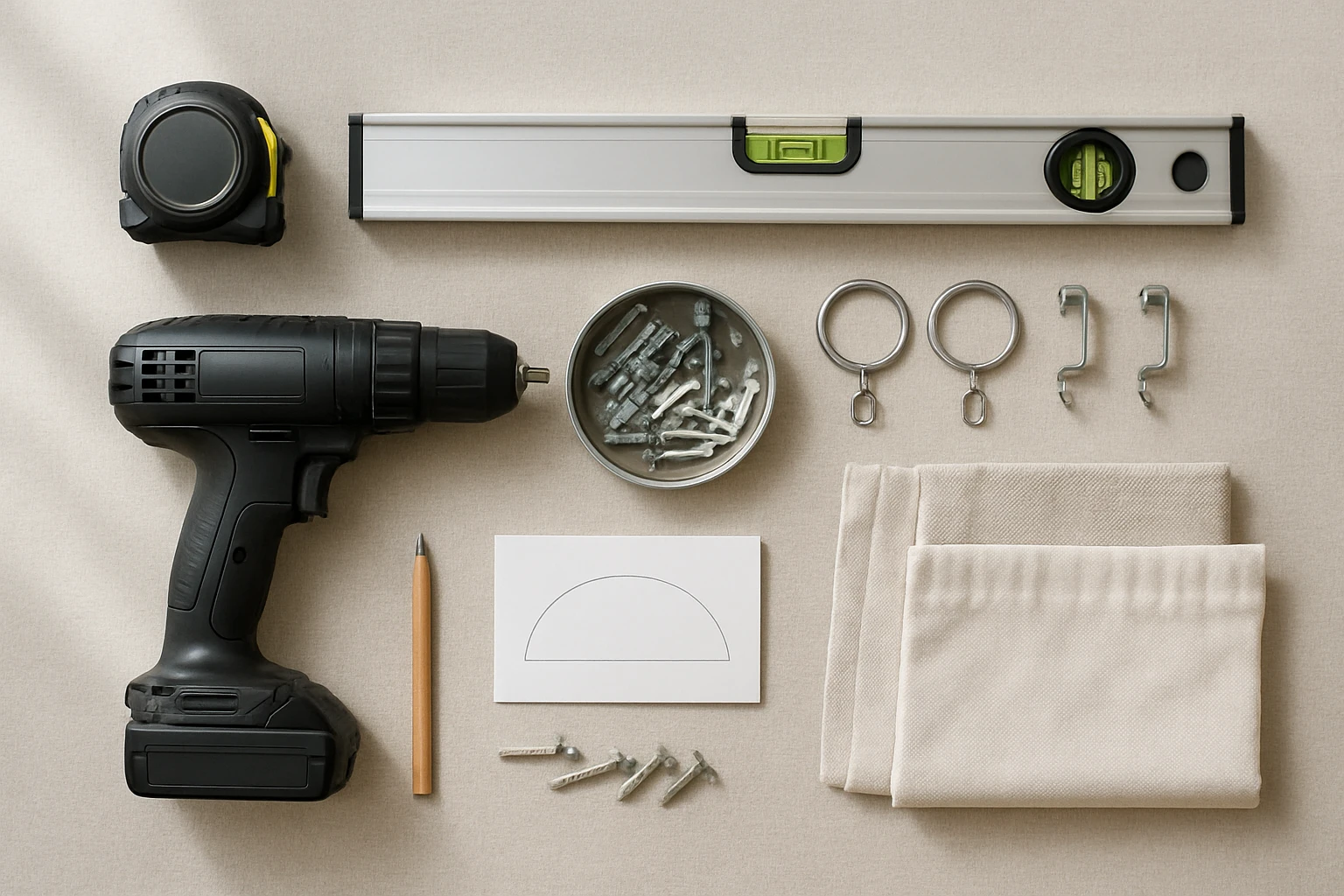
Tool Checklist:
- Tape measure with clear markings
- Pencil and paper or phone notes
- Spirit level or small laser level
- Drill with appropriate bits
- Stud finder or wall anchor set
- Ladder or step stool
- Masking tape for marking
Measurement Steps:
- Measure the window width at the top middle and write it down.
- Decide rod overhang and add 3 to 6 inches to each side.
- Choose the rod height and measure from that point to the floor or sill.
- Decide curtain fullness and multiply the window width by 1.5 to 2 for the total panel width.
Install the Curtain Rod or Track
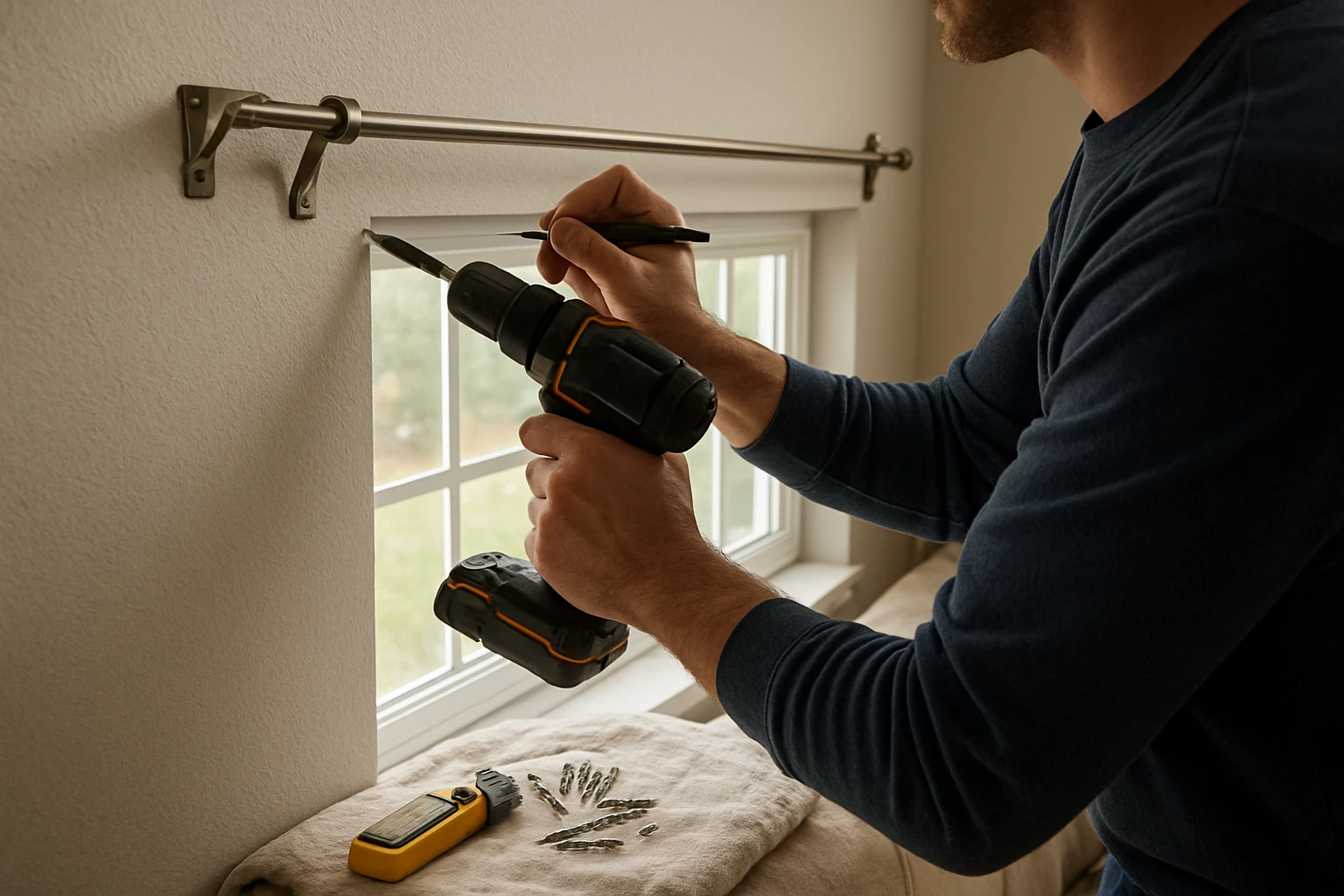
Choose strong brackets and the right fixings for your wall type. Mark the bracket holes carefully. Use anchors for hollow walls. A properly installed rod will hold the curtain weight and move smoothly.
Step by Step Rod Installation
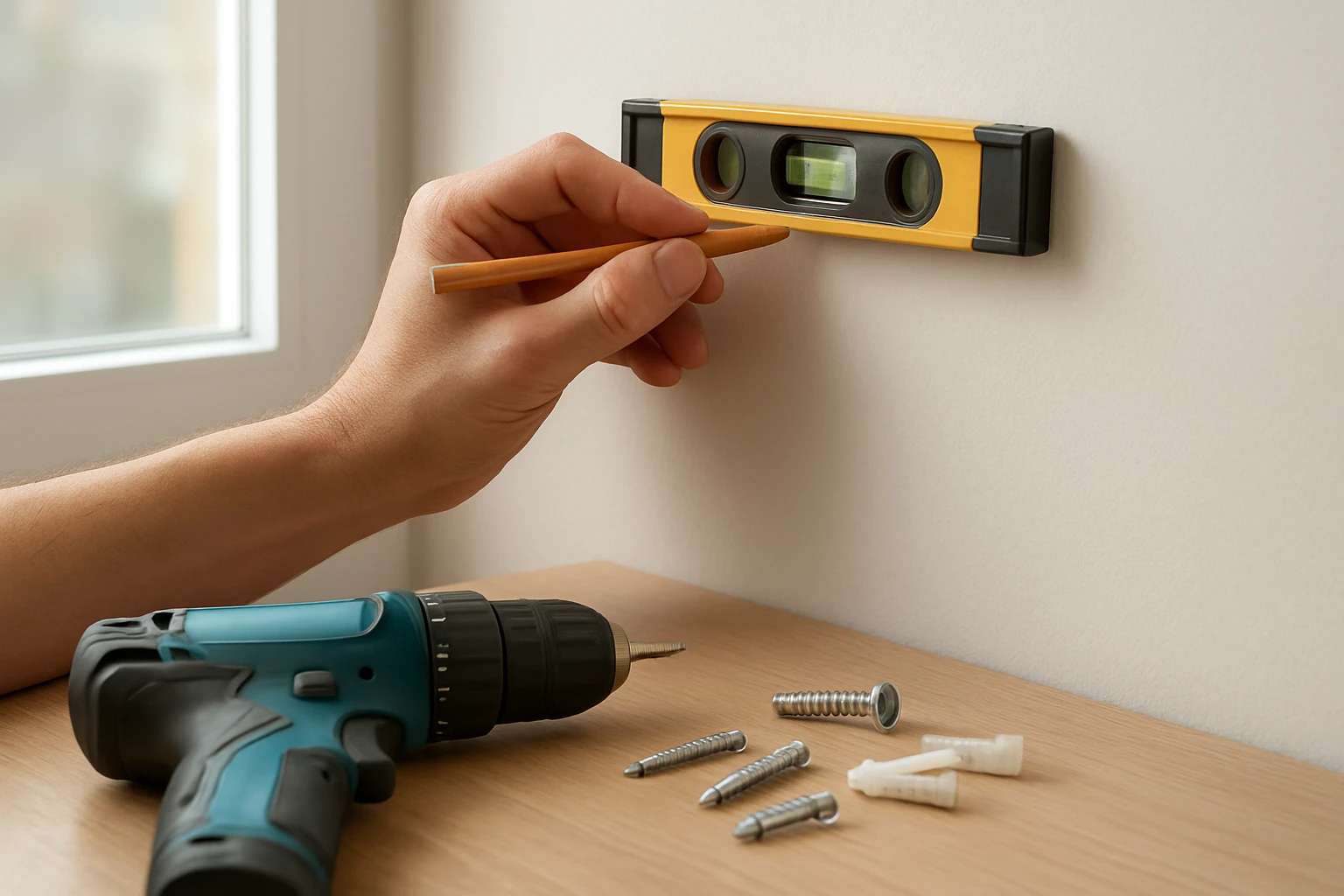
Prepare the Space:
Move furniture away and put a blanket under the window to catch debris. Use a stud finder to locate supports in the wall.
Mark the Brackets:
Hold the bracket at the marked rod height, use a spirit level to ensure alignment, and mark the holes with a pencil.
Drill and Fix:
Drill pilot holes for the correct anchor or wood screw. Fit wall anchors for plaster or drywall and secure the brackets firmly.
Mount the Rod or Track:
Place the rod or track into the brackets and tighten according to the system. Test the movement with empty rings or gliders before adding curtains.
Hang the Curtains and Adjust Fit
Follow the heading type for the correct hanging method. Work on a flat surface if you need to add hooks or tape headings in place first. Smooth panels as you go so they hang evenly.
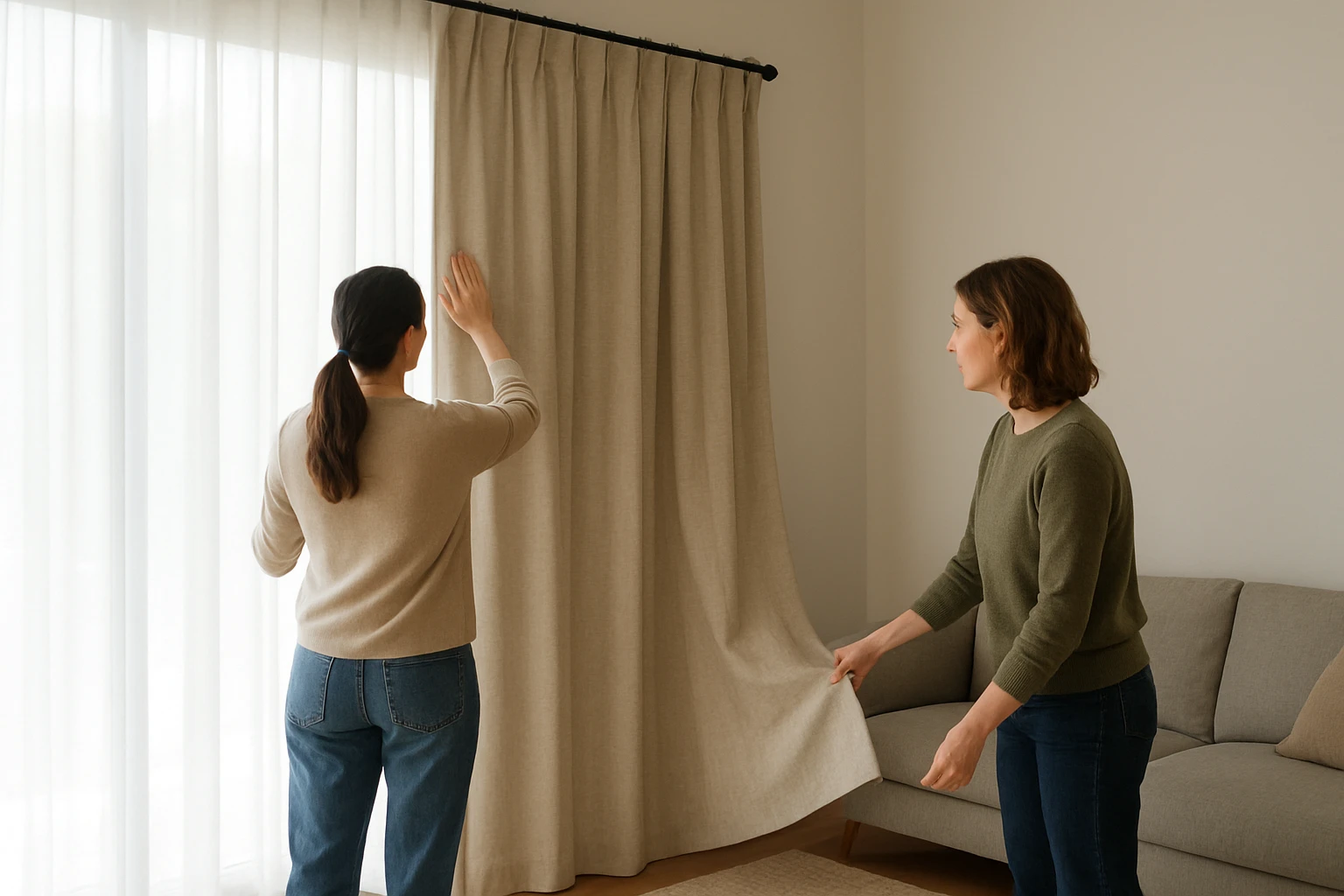
How to hang common heading types
| Heading Type | How To Hang | Notes |
|---|---|---|
| Eyelet | Slide panels directly onto the rod through metal eyelets | Easy to open and close, works with a round pole |
| Pencil pleat | Use curtain hooks into the heading tape then place hooks onto rings or a rod | Flexible fullness adjustment |
| Pinch pleat | Attach hooks to the sewn pleats and hang on pole rings or gliders | Formal look with regular pleat spacing |
| Wave | Use special gliders on compatible tracks for even waves | Requires compatible track or rod system |
| Roman | Attach to a headrail or track with cord and rings | Needs precise fitting for neat folds |
Space panels evenly and let the fabric settle for a day before you make final tweaks. One common mistake is hanging the rod too close to the glass, which makes the window look shorter.
Common Mistakes and How to Fix Them
Knowing the usual problems saves time and effort.
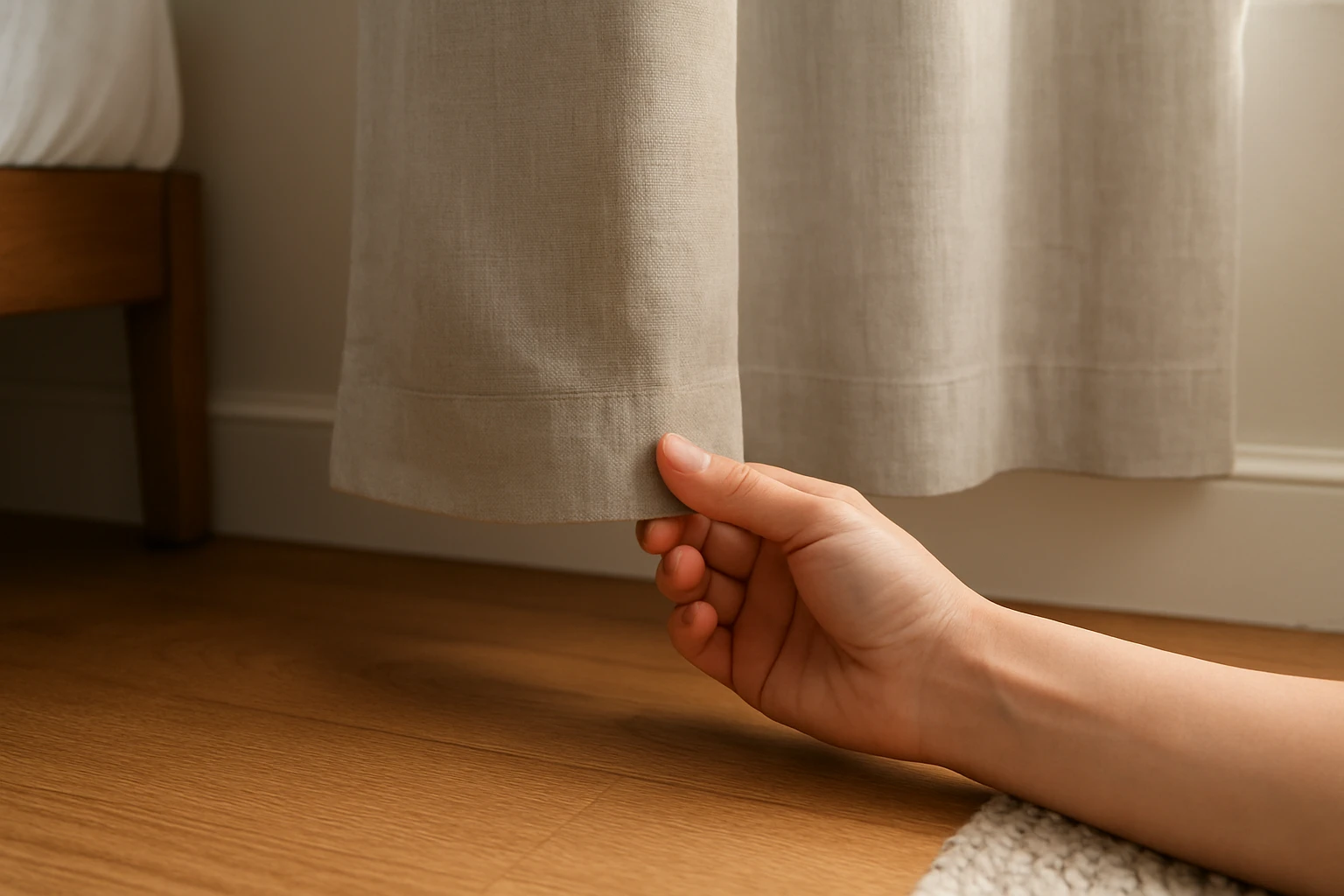
Problems and fixes
- Rod placed too low leaves the window looking small. Raise the rod 4 to 6 inches above the frame.
- Curtains too narrow look thin. Add extra panels or choose a greater fullness factor.
- Gaps at the sides cause light leaks. Extend the rod 3 to 6 inches beyond the frame.
- Uneven hems show after hanging. Measure and adjust each panel on the rod before final fixing.
Maintenance and Care
Regular care helps curtains last and keeps them looking fresh. Dust and spot clean, and follow the fabric care labels for washing or dry cleaning.
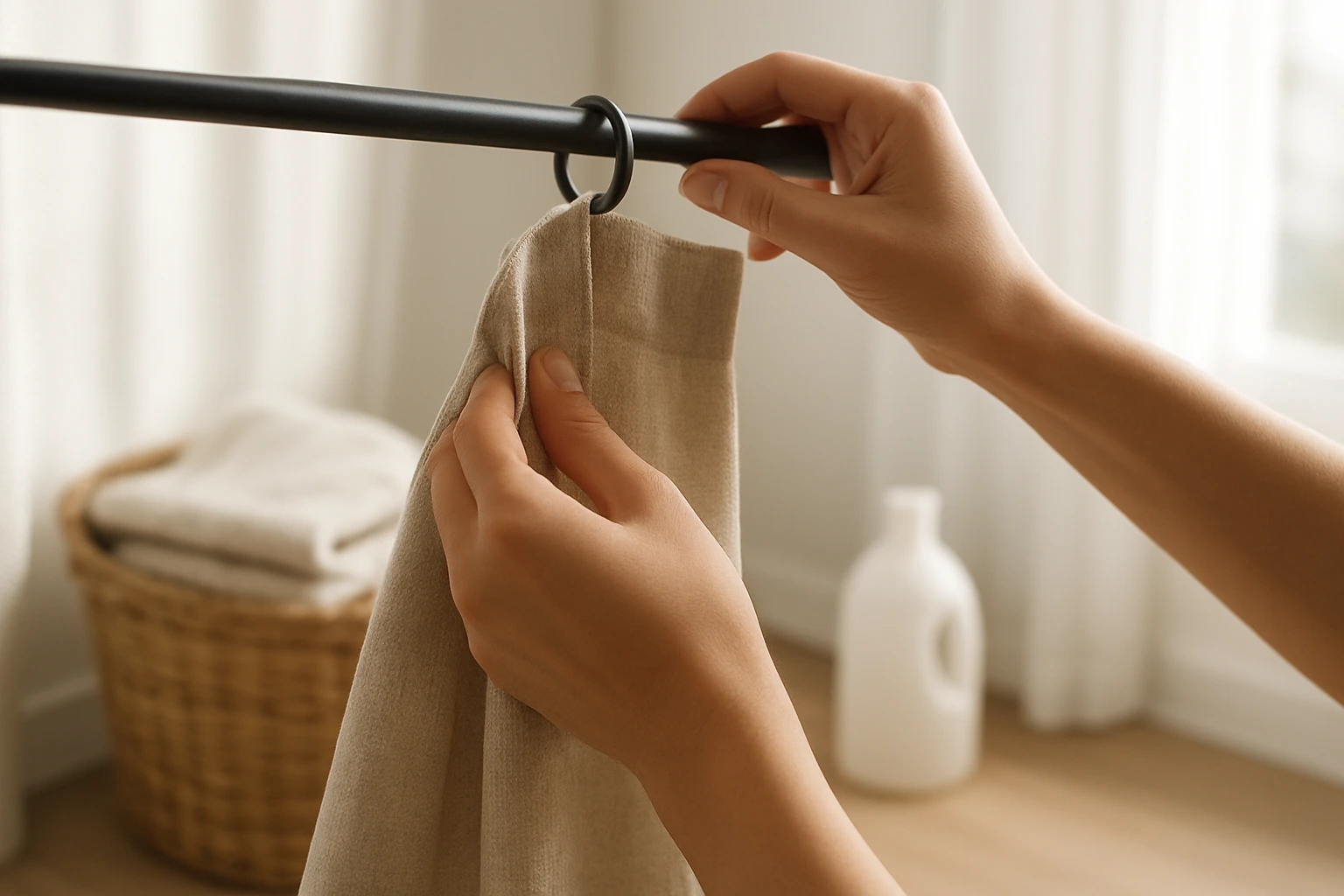
Simple maintenance tips
- Vacuum with a soft brush attachment on low suction to remove dust.
- For light fabrics, use a cold wash on a gentle cycle if the care label allows.
- Dry clean heavy or structured fabrics like velvet and silk.
- Iron or steam on low heat after washing to restore the hang and remove creases.
When to Hire a Professional
Hire a fitter when you have very wide spans, high ceilings, motorized systems, or when you need precise pleating and matching. A pro saves time and can prevent damage to walls or windows.
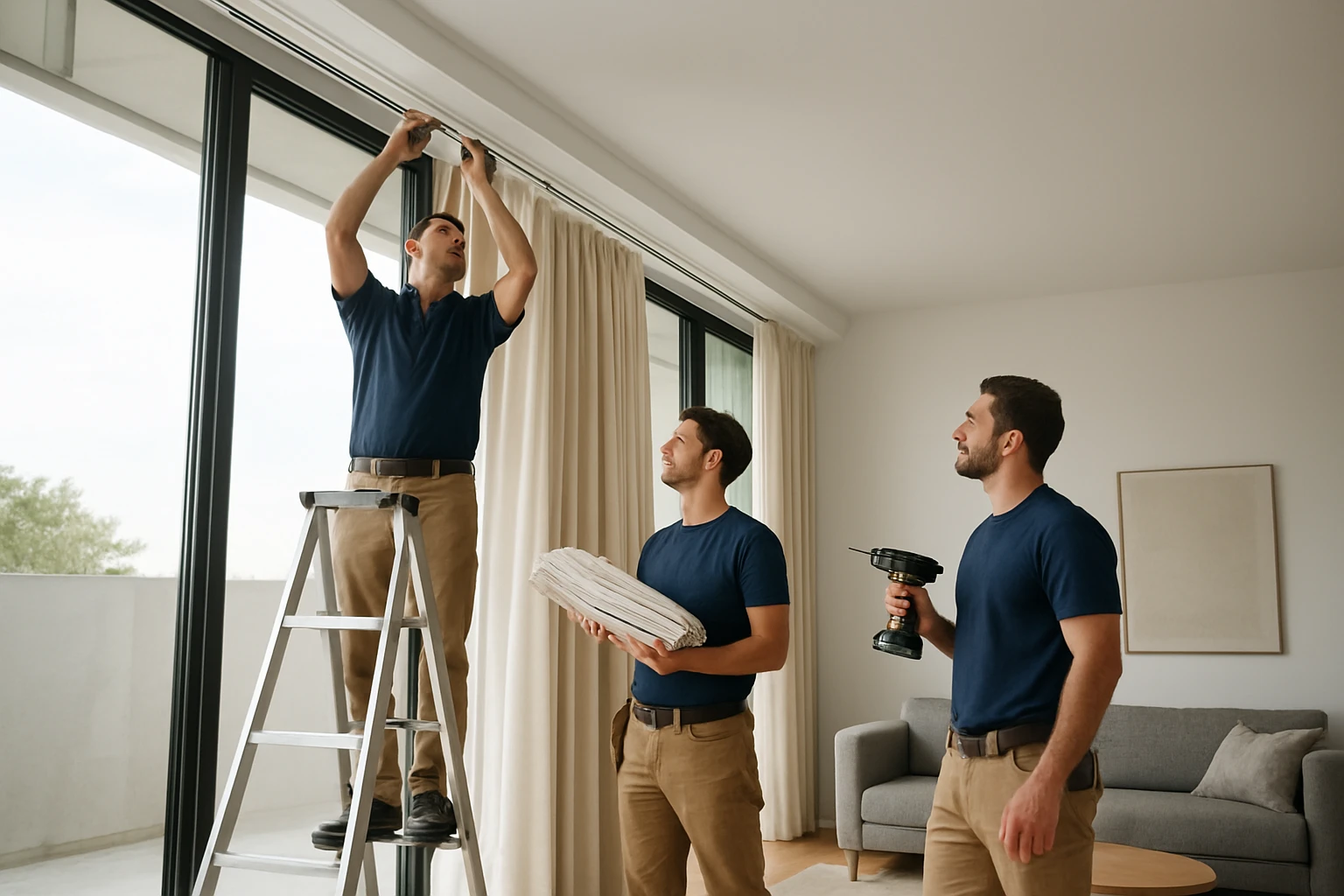
Signs you should call a pro
- Windows wider than 10 feet where multiple brackets are needed
- Structural walls or unusual mounting surfaces
- Motorized or integrated smart home systems
- Custom sewn treatments with exact pleat measurements
Quick Checklist Before You Start
- Measure width and height twice and record them
- Choose a heading type that matches rod or track
- Confirm rod length and projection from the wall
- Check wall type and select anchors as needed
- Lay panels flat and check hems before hanging
- Test the rod movement before fitting full weight
Further reading and related topics
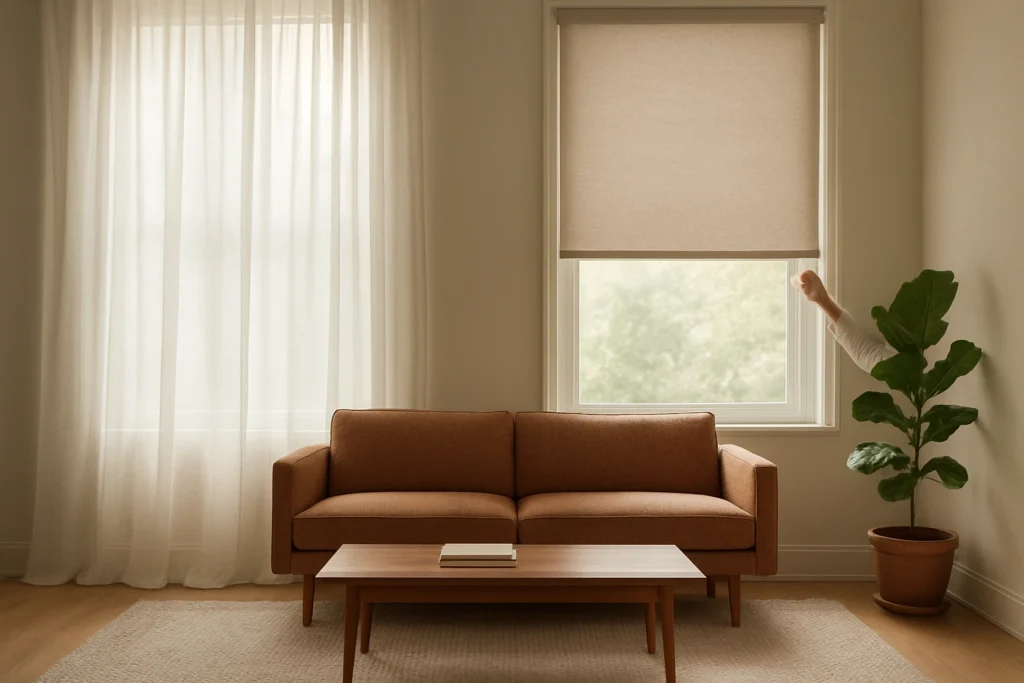
For fabric and fit choices see the article Window Curtains for Home: Practical Choices for Fabrics, Styles, and Fit. For layering tips use How to Layer Sheer and Blackout Curtains for Better Light Control. If you are curious about motorized options and costs see Motorized & Smart Curtains Dubai: Cost, Installation and Best Options.
If you follow the measuring, mounting, and hanging steps above you will have curtains that look balanced, move well, and meet your needs. Take your time measuring and choose hardware that matches the curtain weight and the wall type.
Frequently Asked Questions
How High Above the Window Should I Hang the Curtain Rod
Hang the rod 4 to 6 inches above the window frame to make windows look taller and reduce light gaps. For very tall ceilings move the rod closer to the ceiling to emphasize height.
How Wide Should the Rod Be Compared with the Window
Extend the rod 3 to 6 inches beyond each side of the window so curtains clear the glass when open. For wide windows use multiple panels to keep fullness correct.
What Is the Right Curtain Fullness
Aim for curtain fullness of 1.5 to 2 times the window width. Lighter fabrics often look better at 1.5 times and heavier fabrics at 2 times for a rich appearance.
Can I Hang Heavy Curtains on Drywall Without Hitting a Stud
Yes if you use the correct wall anchors rated for the curtain weight. For very heavy curtains it is safer to mount into studs or use multiple strong anchors and brackets.
Should I Wash Curtains Before Hanging Them
If the fabric care label allows, washing before hanging removes factory folds and sizing. For delicate fabrics or structured headings like silk or velvet, arrange professional cleaning or hang first and steam afterward.