Choosing the right curtain fabric affects light, privacy, insulation, and the way a room looks. In this article we compare common materials, give clear buying advice, and show how to pick a fabric that lasts and fits your space. For local options and installations, Curtains and Blind can help with samples and measuring.
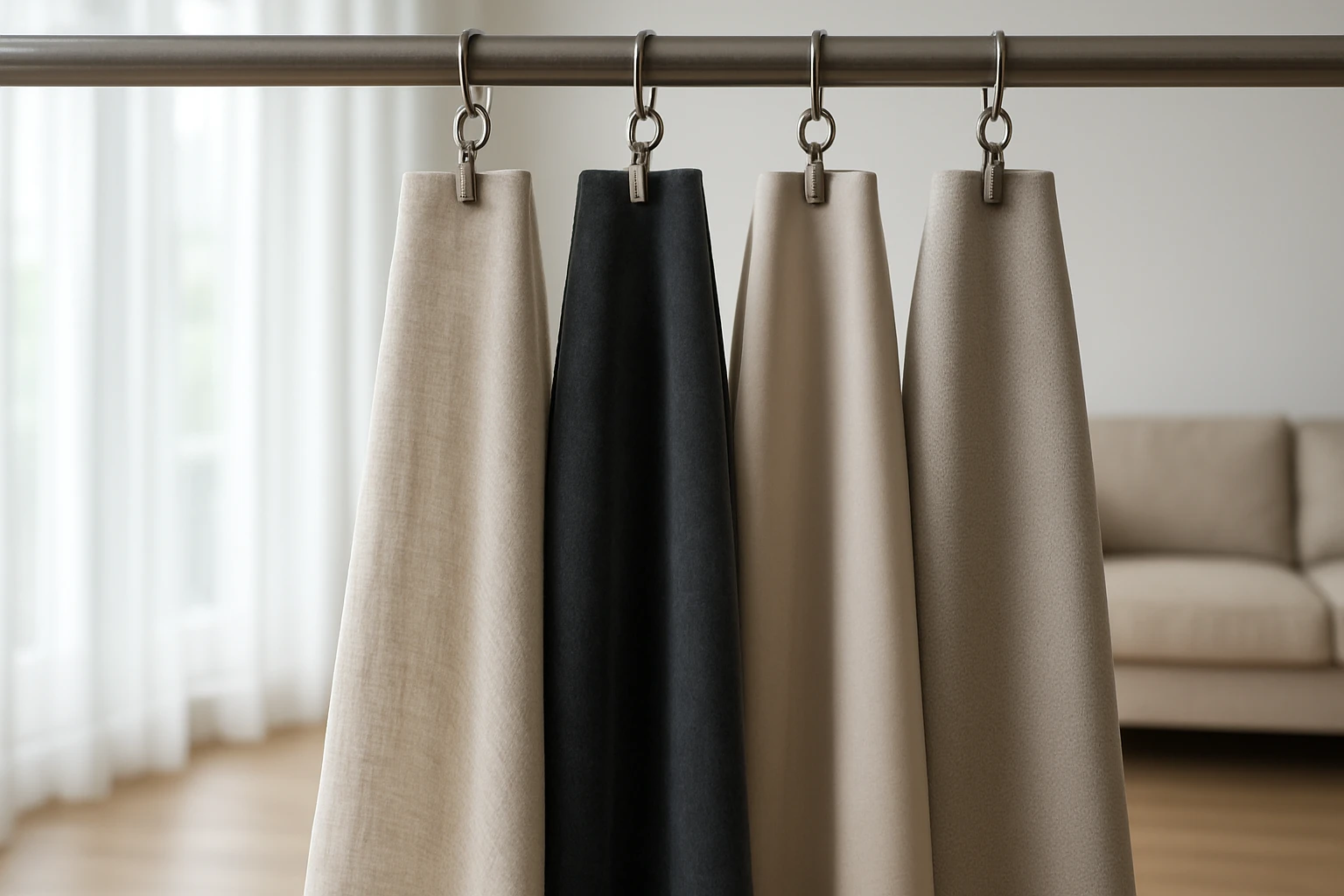
The best material for curtains depends on the room and your goal: pick blackout or velvet when you need full light block and better insulation, linen or cotton mixes for a natural look and fresh air, and polyester or blended fabrics for low cost and easy care. Match fabric weight to the window and the function you need, and always test a sample in the room before you buy.
How to Choose Curtain Fabric
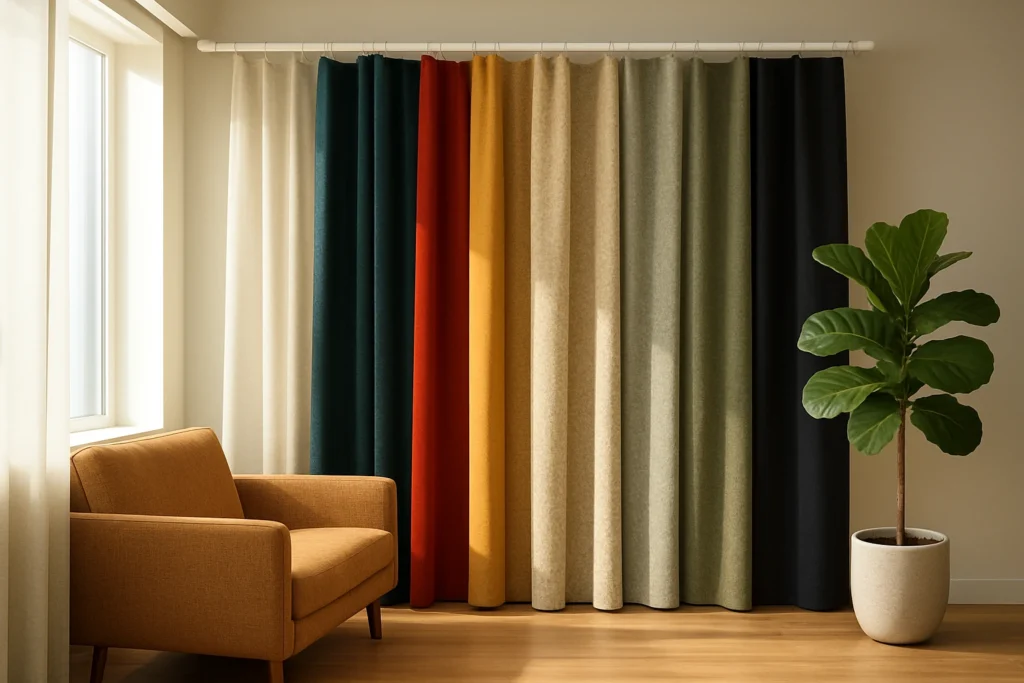
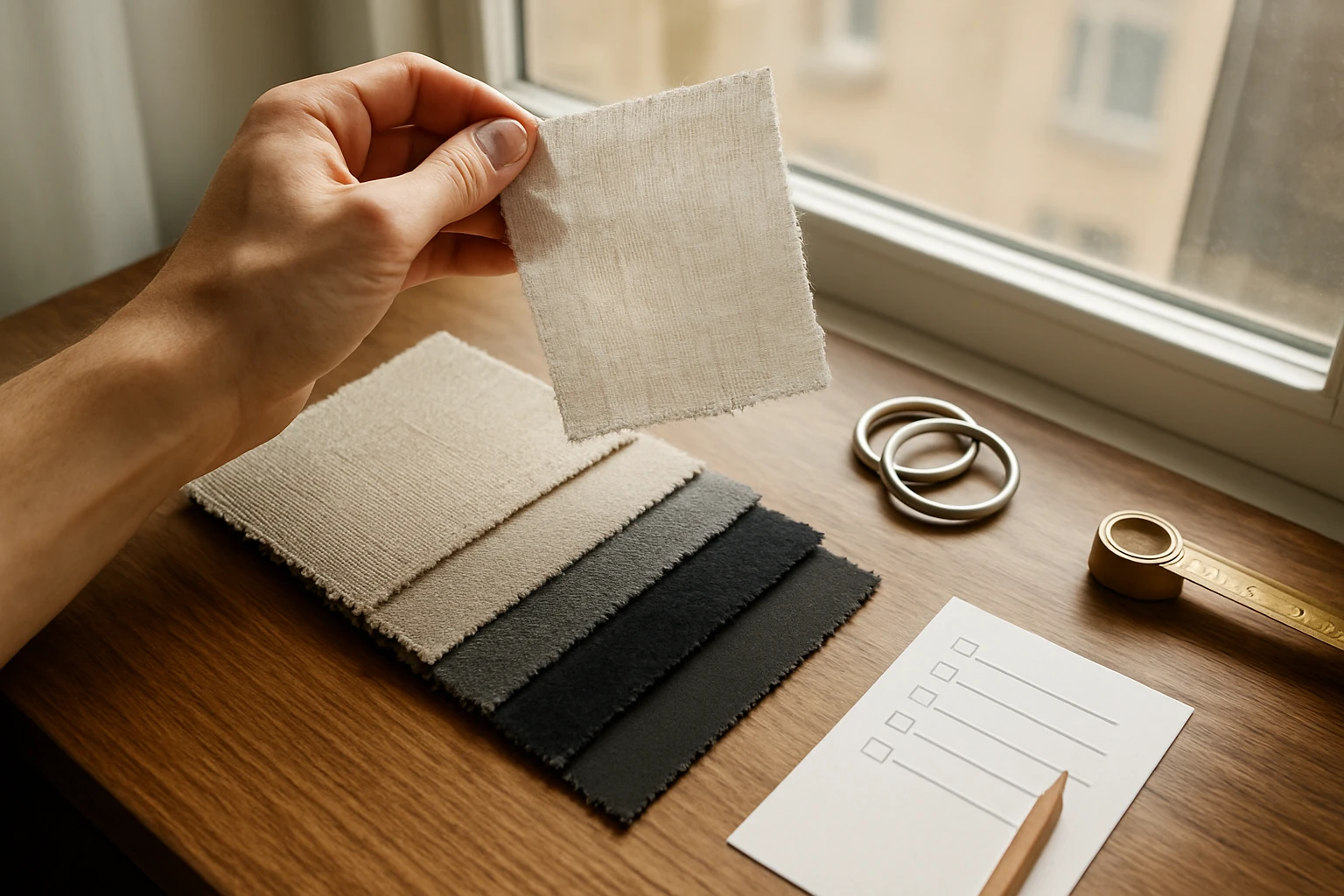
Start by listing what you need most from a curtain: light control, privacy, insulation, style, or easy care. Those priorities make the material choice simple, and testing a swatch against your window and light is one of the most reliable steps.
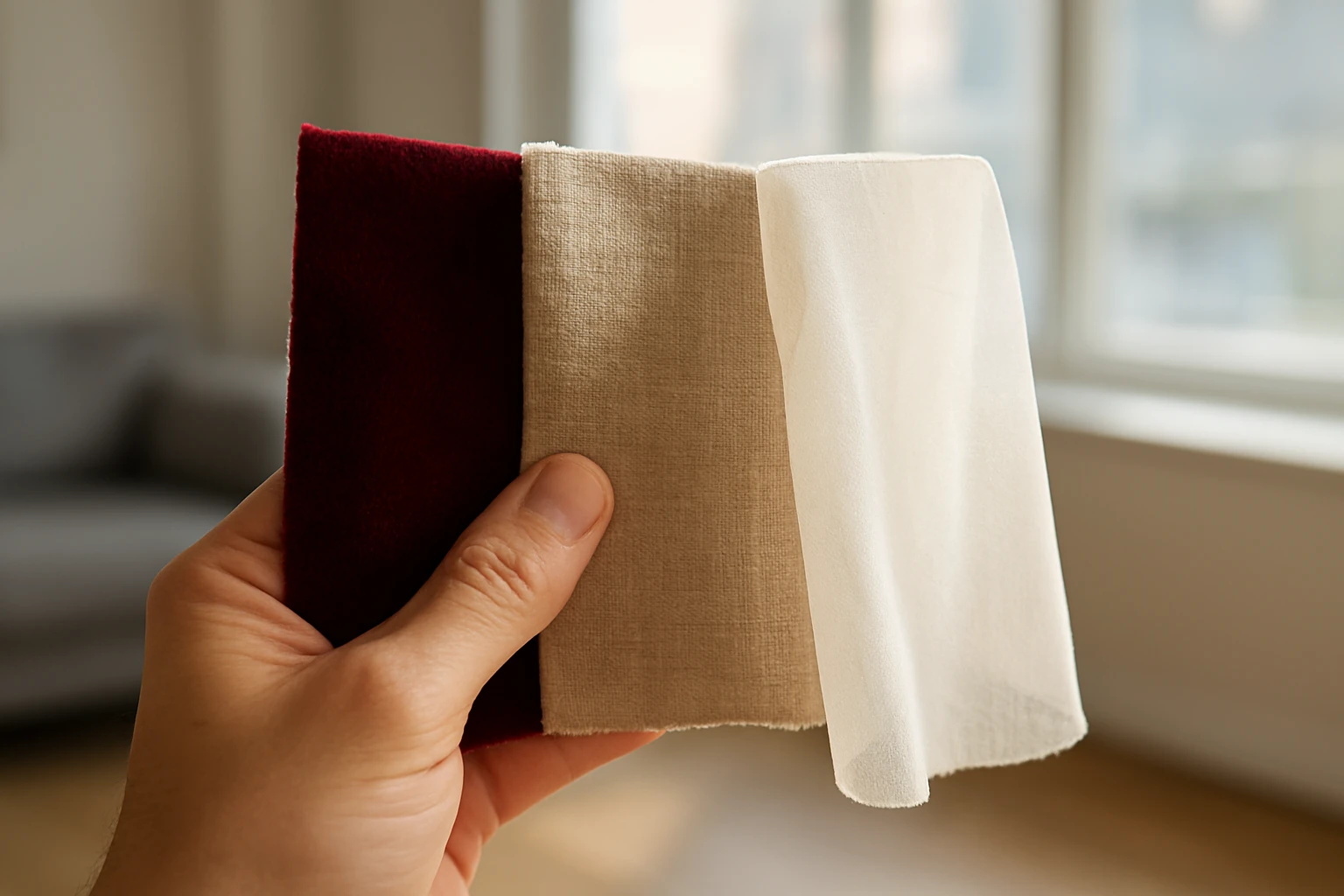
Key decisions to set first:
- Light control and privacy needed during the day and night
- How much insulation or sound dampening you want
- How often the curtains will be handled or washed
- The hanging style and hardware you plan to use
- Your budget and expected lifespan
A common mistake is choosing by look alone and not seeing how the fabric behaves in the room light. Samples often look different on the bolt than when they hang.
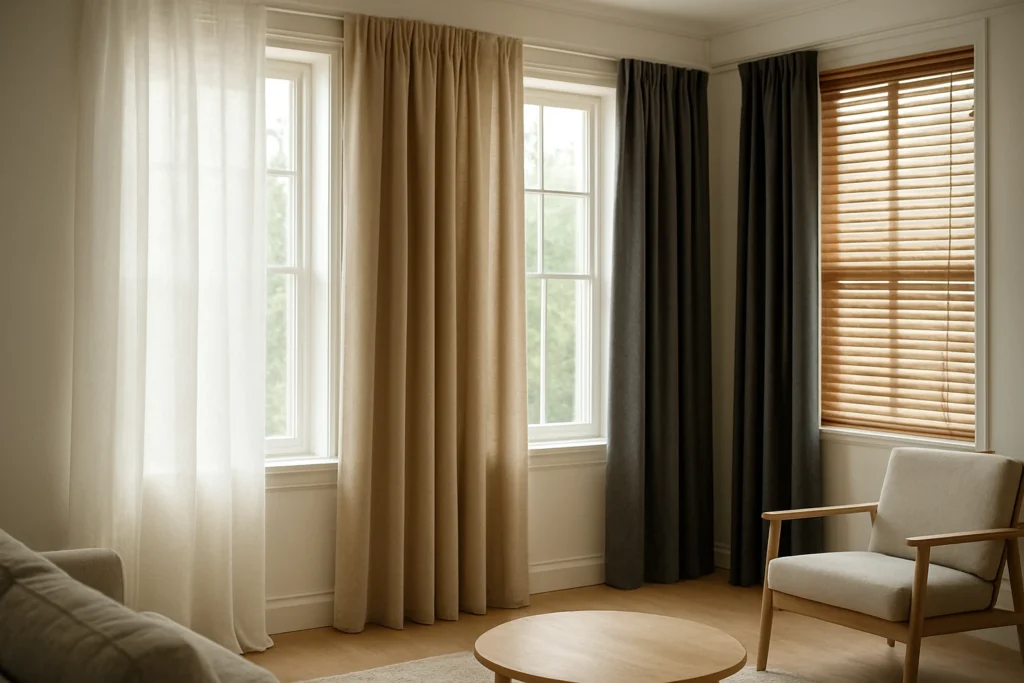
Compare Common Curtain Materials
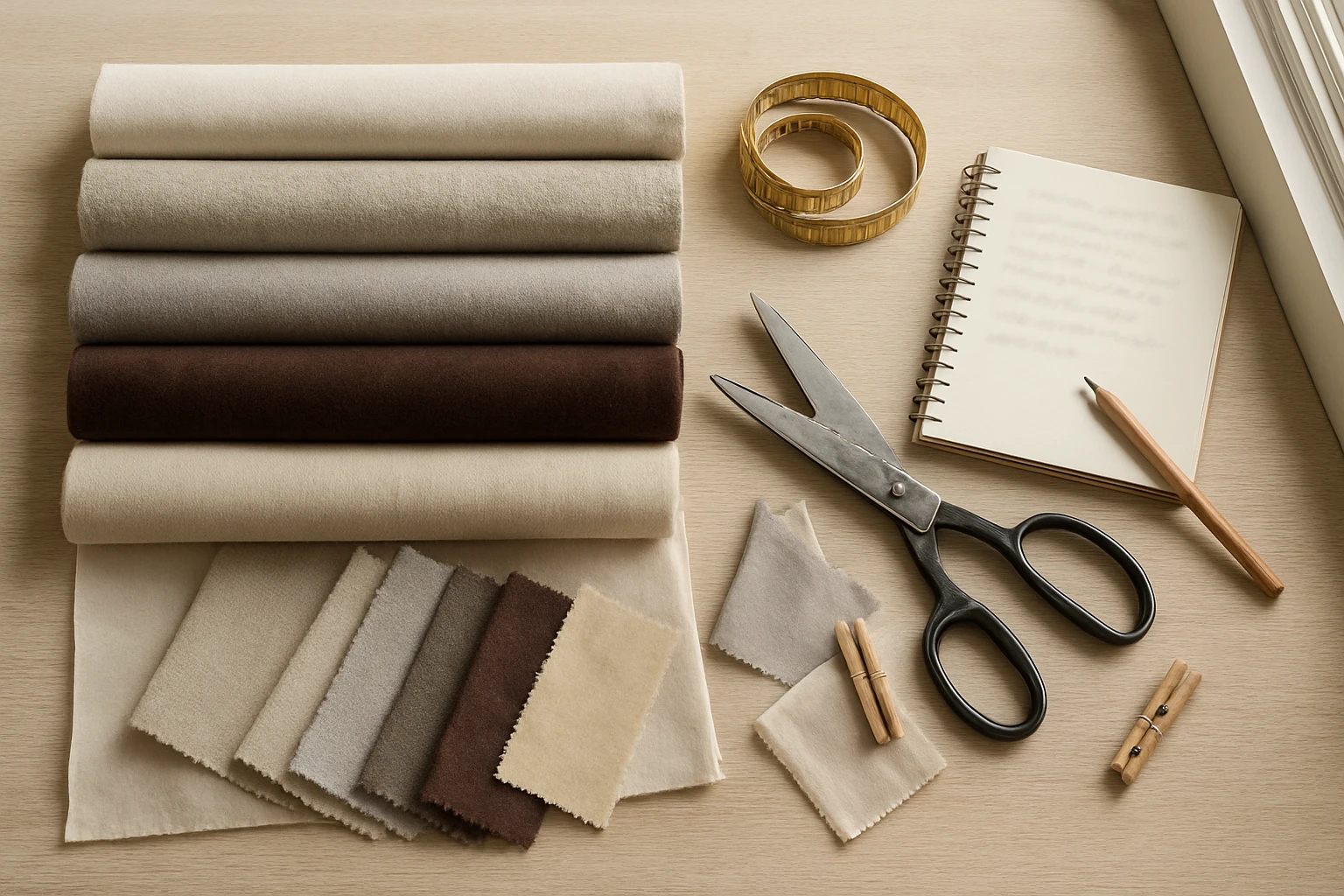
This section compares the fabrics most people choose and shows their practical strengths and limits. Use the table below as a quick reference, then read the notes that follow for real-world tips.
| Material | Best For | Light Control | Durability | Care | Typical Price Range (Estimate) |
|---|---|---|---|---|---|
| Polyester | High-traffic rooms, budget projects | Low to medium | High | Machine wash often | AED 40–80 per meter |
| Cotton | Casual living areas, layered looks | Medium | Medium | Machine wash or dry clean | AED 50–140 per meter |
| Linen or Linen Blend | Natural look, airy light | Low to medium | Medium | Gentle wash, can wrinkle | AED 80–200/+ per meter |
| Velvet | Bedrooms, theatre, insulation | High | High | Dry clean recommended | AED 90–150+ per meter |
| Silk | Formal rooms, luxury drape | Low to medium | Low to medium | Dry clean only | AED 120–250+ per meter |
| Chiffon / Sheer | Light filtering, layering | Very low | Low | Hand wash or gentle cycle | AED 80–150+ per meter |
| Blackout Polyester | Rooms needing darkness | Very high | High | Wipe or machine wash | AED 60 –200+ per meter |
| Thermal / Insulated Fabrics | Energy savings, insulation | High | High | Usually dry clean | AED 100–250+ per meter |
Notes on the materials above:
- Polyester and polyester blends are the easiest to care for and resist fading, which makes them a safe choice for busy rooms or rental properties. They often mimic the look of pricier fabrics at a lower cost.
- Cotton and linen have a natural feel and breathe well, which suits living rooms and kitchens, but pure linen wrinkles more easily and may need pressing.
- Velvet gives excellent drape and blocks light and sound when heavy, which is why it is common for bedrooms and theatre curtains. See Velvet Curtains for examples and finishes.
- Silk looks elegant but needs careful care and is sensitive to sunlight. If you like the silk look with easier care, consider silk blends or polyester that mimics silk. For authentic silk options see Silk Curtains.
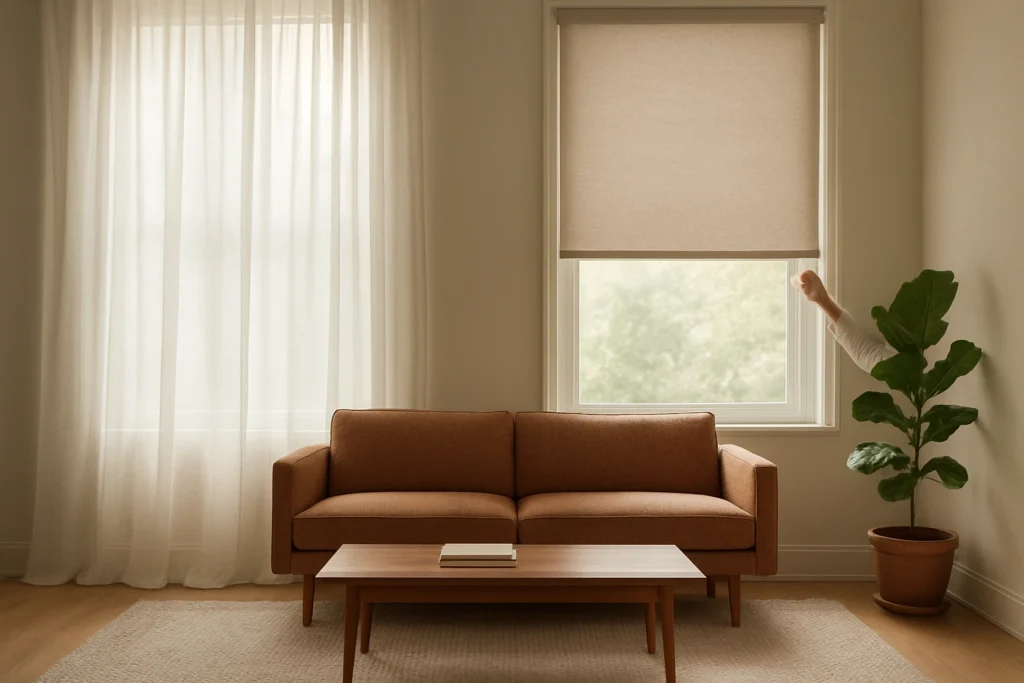
- Sheer fabrics like chiffon work well as a soft light filter and pair nicely under heavier curtains; learn layering techniques in How to Layer Sheer and Blackout Curtains for Better Light Control.
- For rooms that need darkness for sleep, choose blackout or room-darkening fabrics; more on that in our Room Darkening Curtains resource.
Best Fabrics by Room
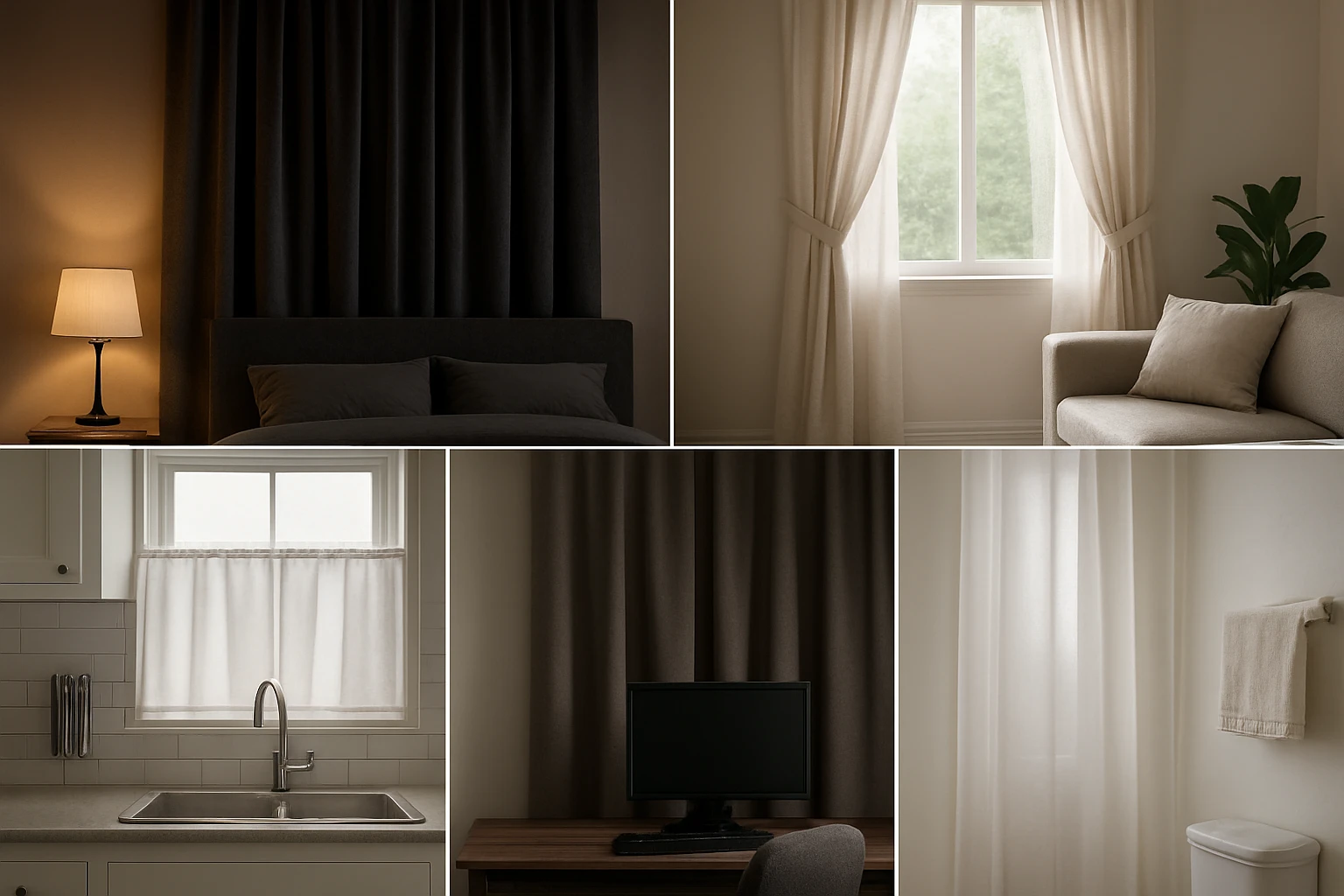
Choosing material by room helps match function to fabric. Here are practical choices and why they work.
Bedroom
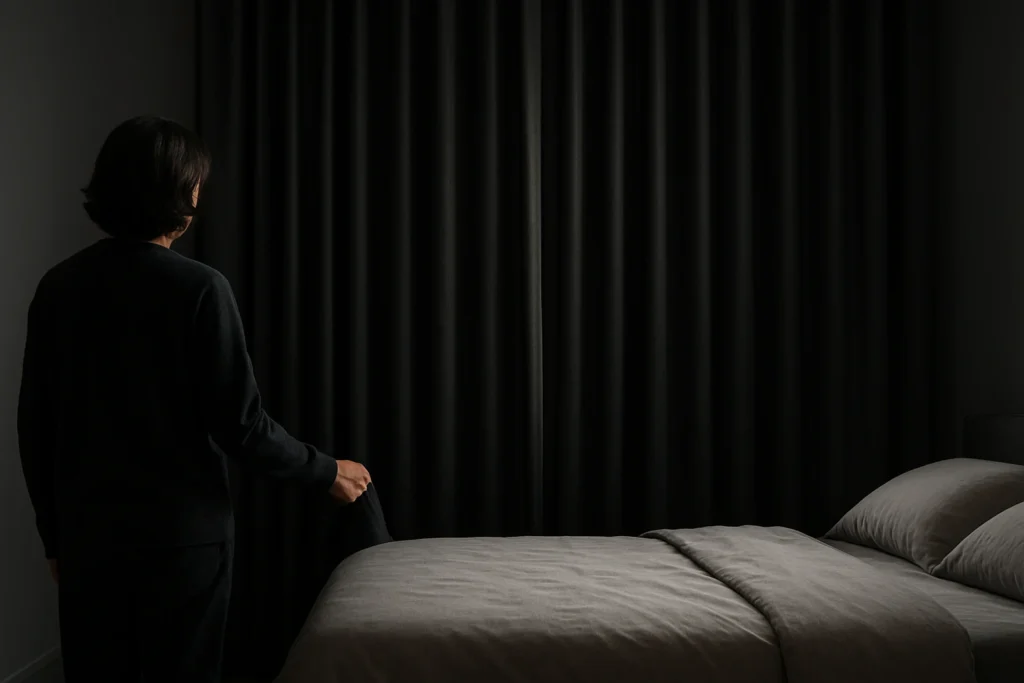
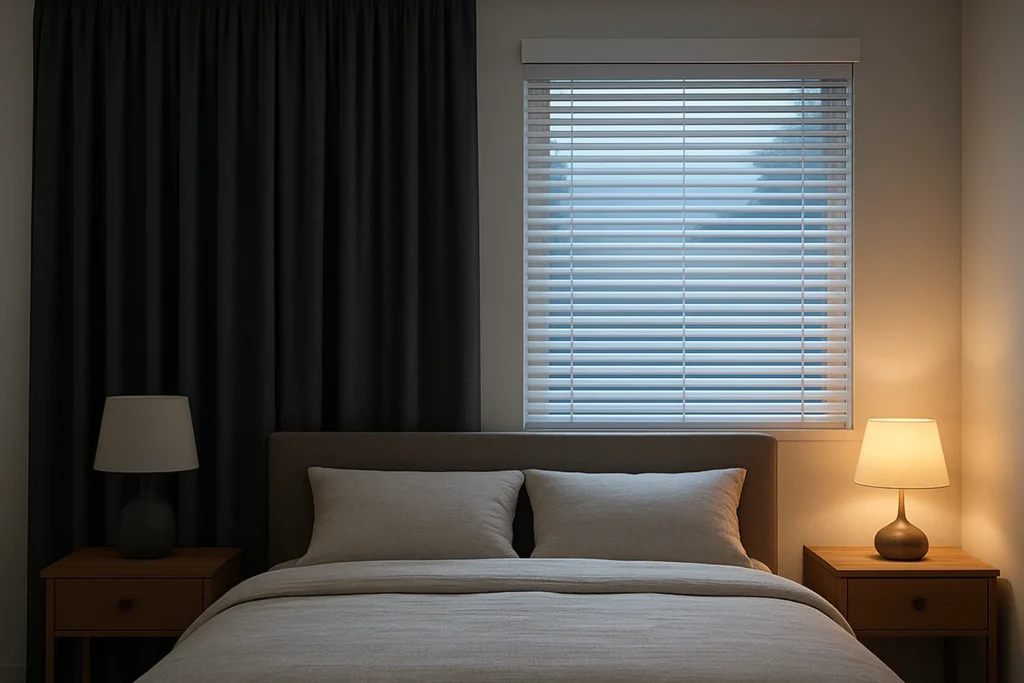
Bedrooms often need darkness, privacy, and quieter rooms. Heavy velvet or a lined blackout fabric gives the best results for sleep and insulation. Homeowners who switch to lined velvet or good blackout fabric often notice better sleep and a quieter room.
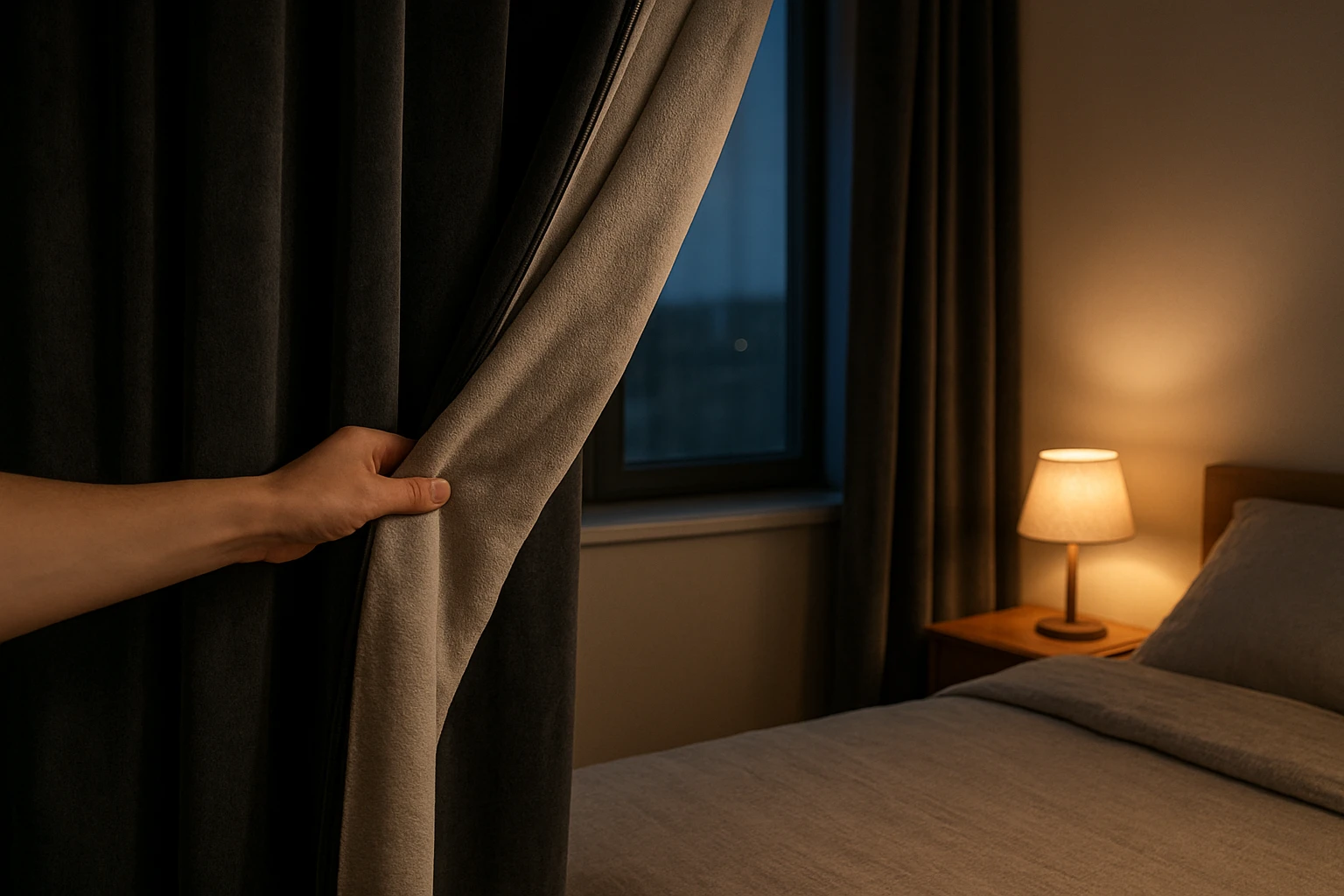
When to Use Blackout Fabrics:
- Shift workers who need daytime sleep
- Rooms facing bright streets or strong afternoon sun
- To improve energy efficiency in cold climates
Living Room
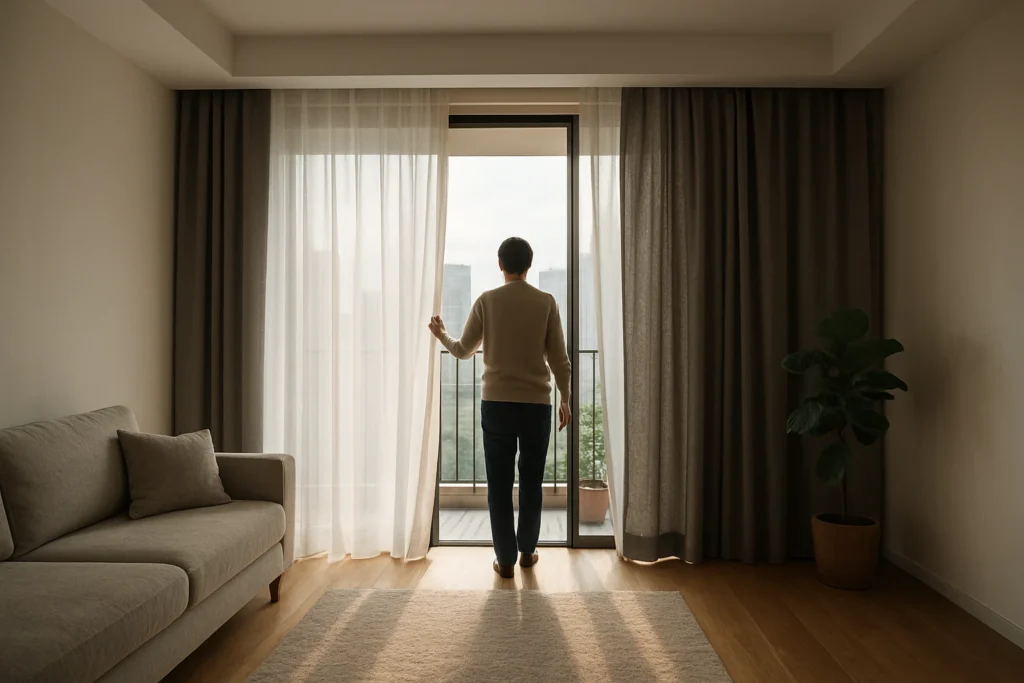
For living rooms pick fabrics that show texture and drape well, like linen blends, cotton, or heavier polyester blends. These hang nicely and can be layered with sheers for soft light control. See Window Curtains for Home for more style ideas.
Kitchen
Kitchens need fabrics that resist cooking smells and can be washed. Cotton-polyester blends or treated linens are practical choices. Avoid delicate silks or heavy velvets here.
Bathroom
Bathrooms need moisture resistance. Use treated polyester or vinyl-coated fabrics made for humid spaces. If you want privacy and style, pair a moisture-resistant lining with a sheer outside panel.
Home Office
Balance light control with a professional look. Medium-weight polyester, thermal-lined curtains, or tailored fabric panels work well. For sound control, see Soundproof Curtains for high-density options.
Blackout, Thermal, and Acoustic Fabrics
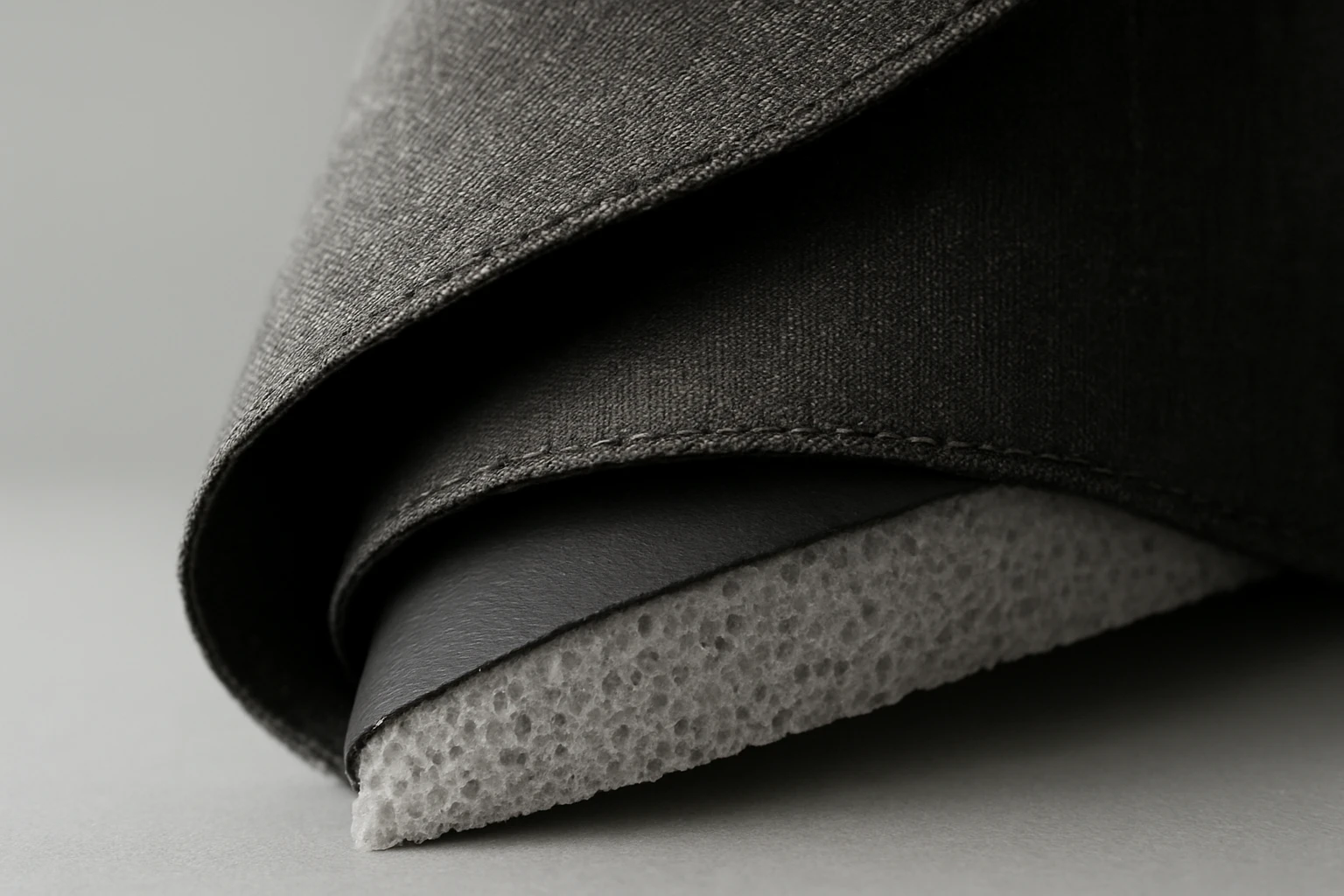
If your priority is darkness, temperature control, or sound reduction, special fabrics give clear benefits. Blackout liners and thermal weaves are the most common solutions for homes.
Blackout Fabrics
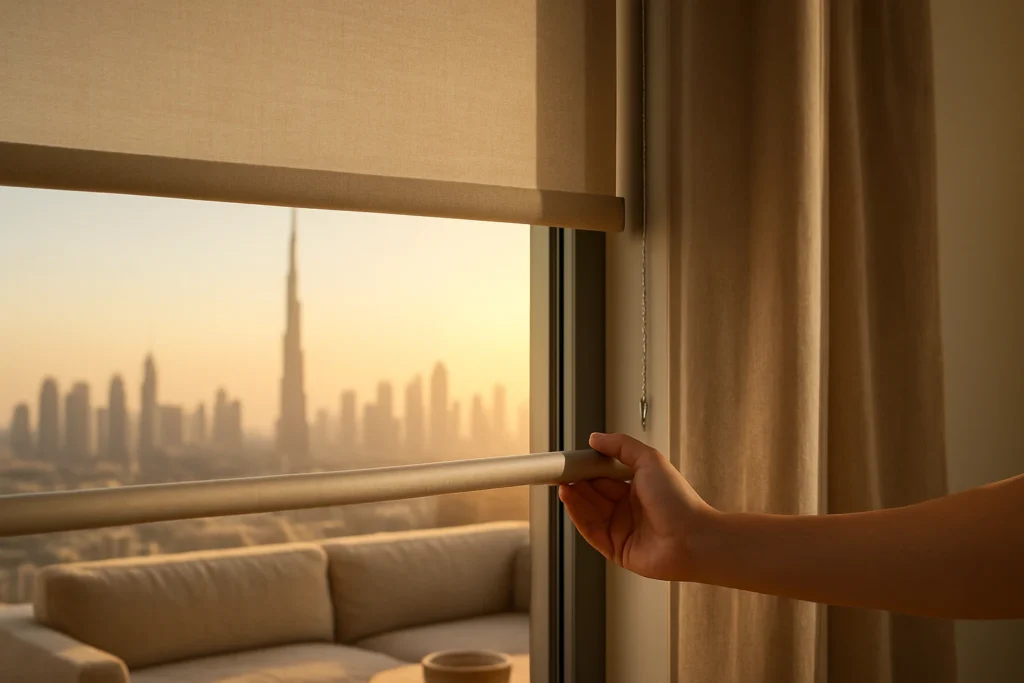
Blackout fabrics block nearly all daylight and provide full privacy. They are a top choice for bedrooms, media rooms, and nurseries. Blackout may be built into the face fabric or added as a separate lining.
Thermal Curtains
Thermal curtains have insulating layers that reduce heat loss in winter and heat gain in summer. They can lower heating and cooling needs by reducing window drafts and solar heat transfer.
Acoustic Curtains
Heavier, dense fabrics like thick velvet or specially woven acoustic curtains help reduce echoes and street noise. They do not replace professional soundproofing but make noticeable improvements for living spaces and small home studios. For purpose-built options, check Theatre Curtains and Soundproof Curtains.
How to Select Fabric for Style and Hardware
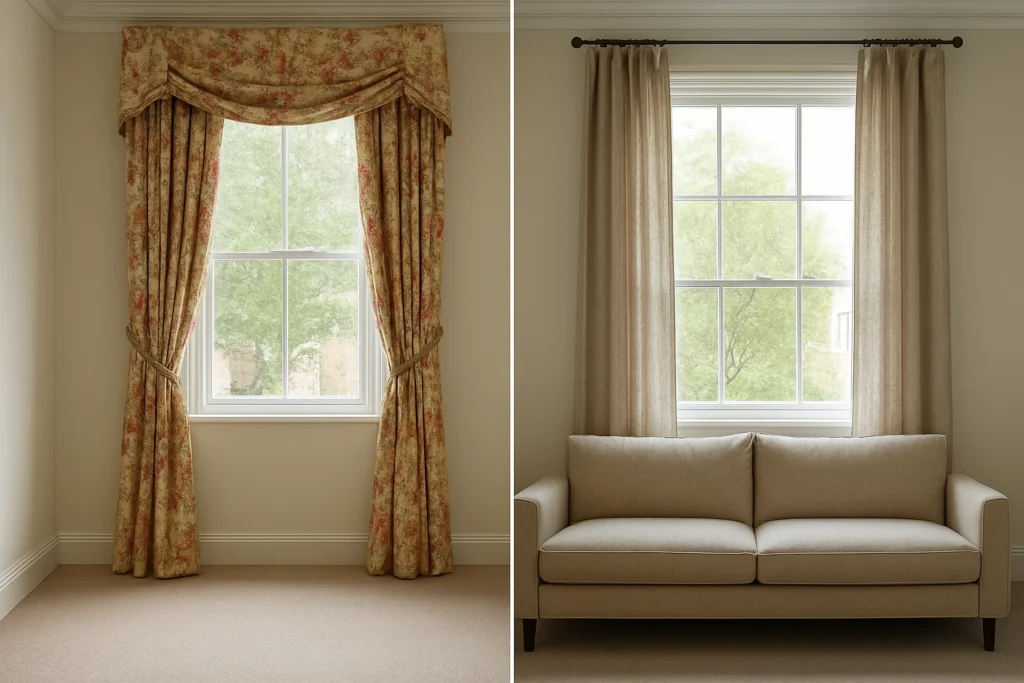
Fabric choice affects how curtains hang and how the chosen header looks. Match fabric weight to the hanging style and hardware for a neat result.
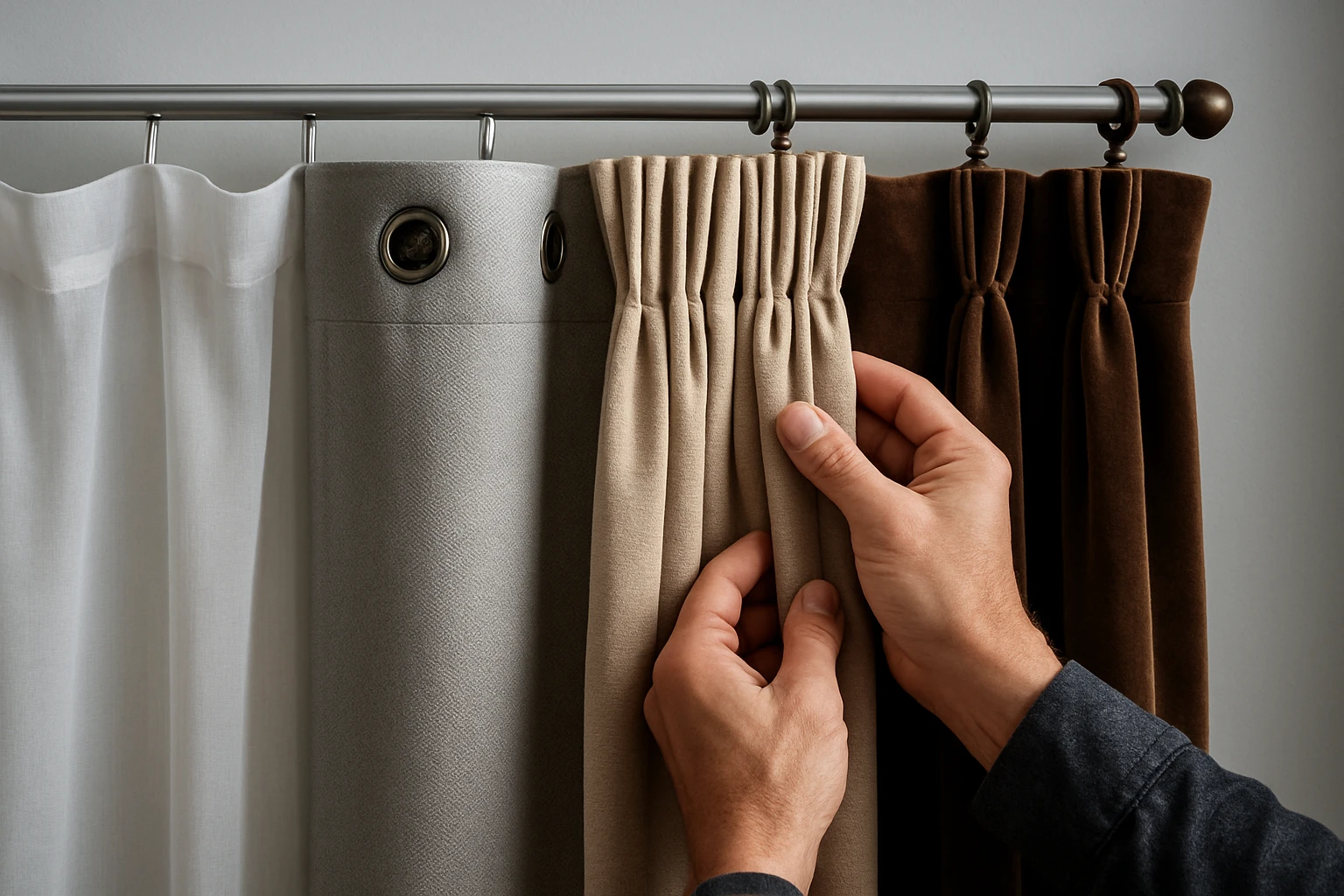
- Lightweight sheers look best on simple rings or soft wave tracks.
- Medium-weight fabrics suit eyelet and pencil pleat headings, which create regular folds.
- Heavy fabrics need strong rods and pinch pleat or pencil pleat headings to support the weight.
Link to relevant hanging styles when you decide on fabric: Eyelet Curtains, Pinch pleat curtains, Pencil Pleat Curtains, and for a modern track system consider Wave curtains. If you plan on automating curtains, read about compatible systems at Motorized Curtains.
Fabric and Rod Width Recommendations:
- Lightweight fabrics: use a rod rated for lower weight, allow 1.5 to 2 times fullness for gathers.
- Medium fabrics: use stronger brackets, 2 to 2.5 times fullness gives a fuller look.
- Heavy fabrics: use heavy-duty rods and brackets, 2.5 to 3 times fullness recommended for good drape.
A practical tip is to install a support bracket in the middle of wide spans to prevent sag and to try a test hang before final sewing.
Care, Maintenance, and Lifespan of Fabrics
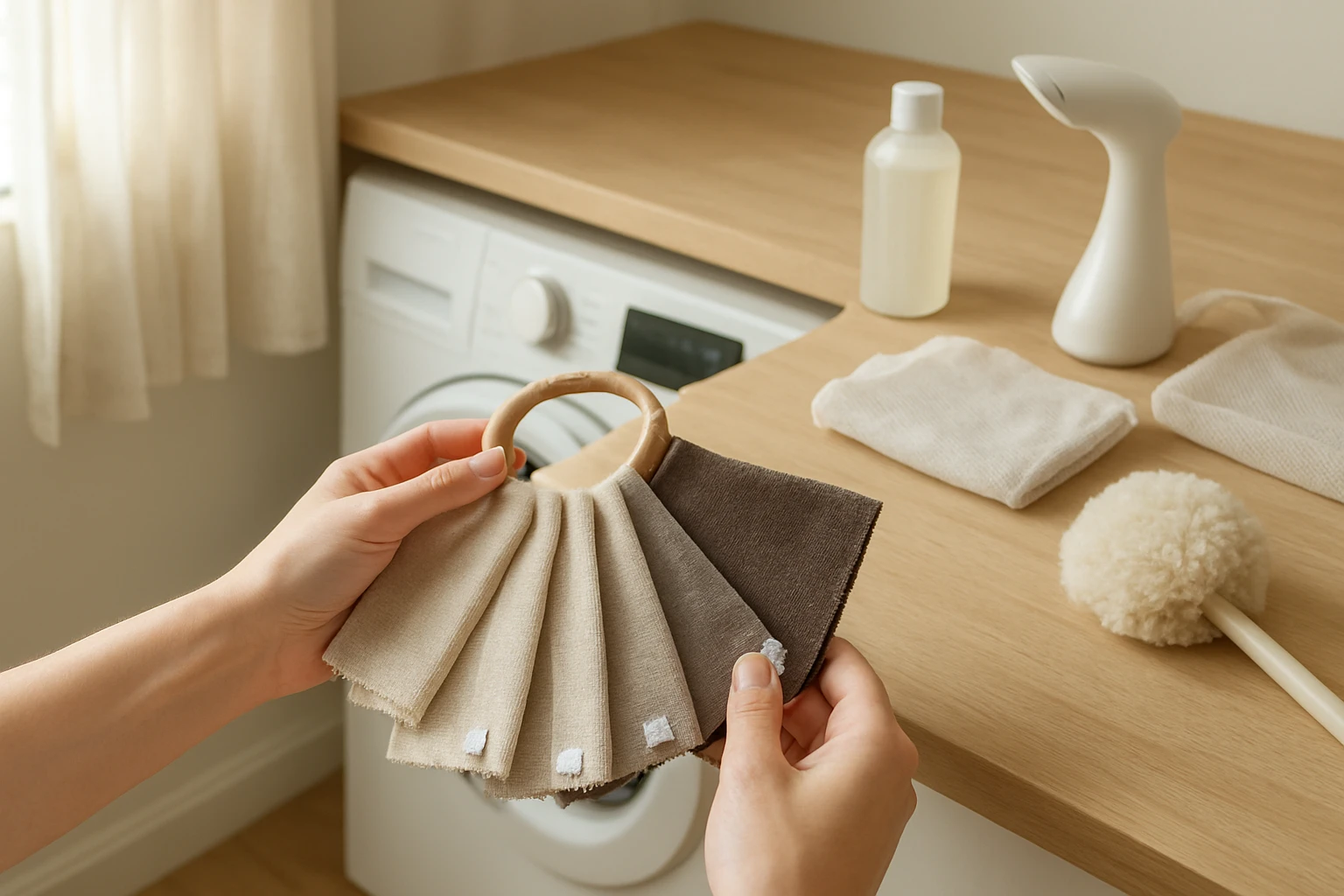
Care needs vary, and simple maintenance will extend fabric life. Know the cleaning code before you buy and plan for regular dusting and occasional deep cleaning.
General care rules:
- Polyester and blends: usually machine wash cold, tumble low or line dry.
- Cotton and linen: gentle cycle, remove promptly to avoid deep wrinkles; iron if needed.
- Velvet and silk: dry clean unless the product label permits hand wash.
- Blackout and thermal curtains: follow manufacturer instructions; some linings require dry cleaning.
Lifespan estimates in typical home use:
- Polyester blends: 5 to 10 years
- Cotton and linen: 5 to 8 years
- Velvet and silk: 8 to 15 years with careful care
- Blackout and thermal: 7 to 12 years depending on sun exposure
Avoid hanging delicate fabrics in direct sunlight for long periods without a protective lining, because UV light weakens fibers over time.
Costs, Samples, and Where to Buy
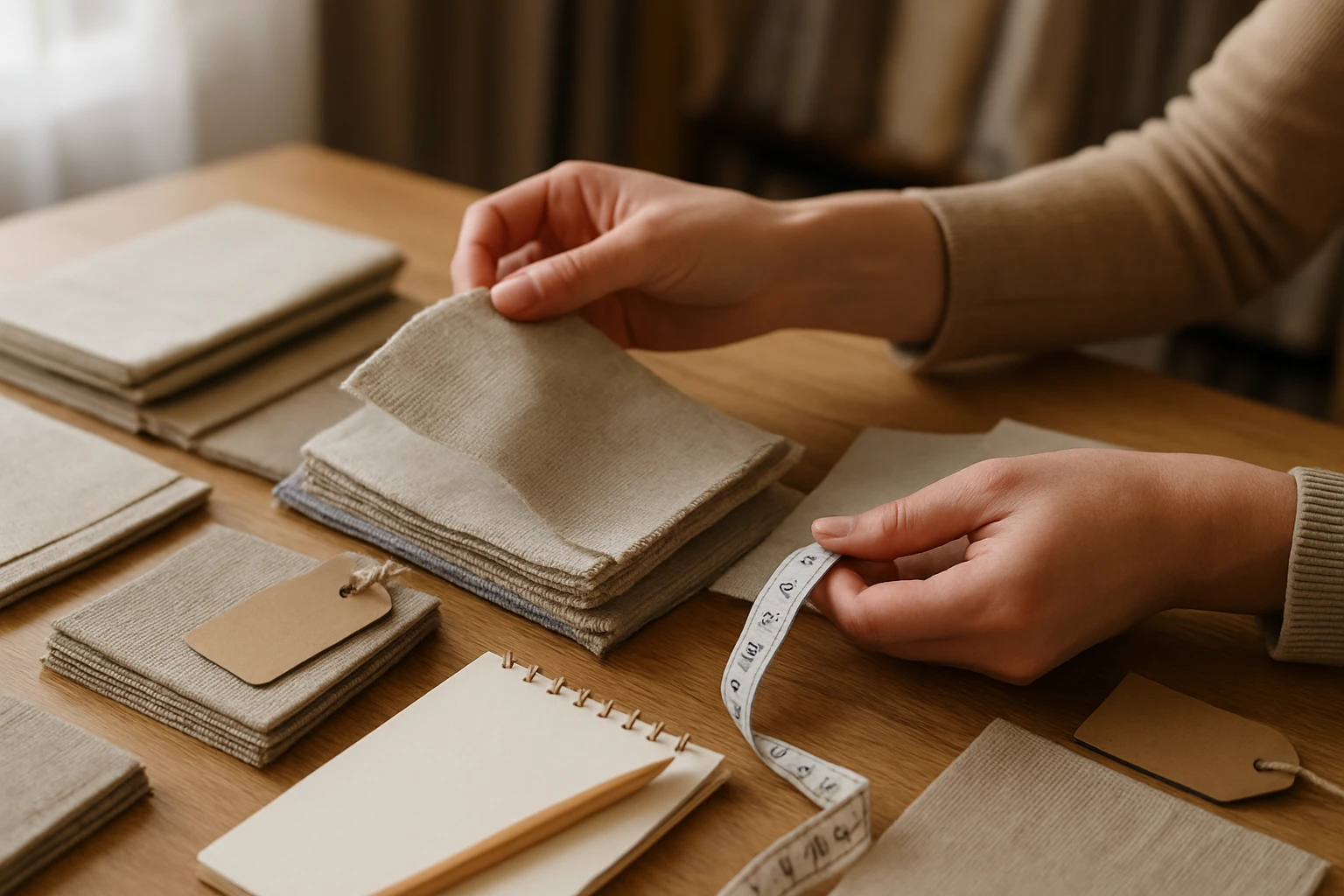
Fabric cost varies with fiber, weave, finish, and whether the fabric is pre-lined. Always order samples and measure accurately before you buy.
Estimated retail cost factors:
- Plain polyester and blends are the most affordable.
- Natural fibers and designer weaves cost more.
- Lining, blackout backing, and special finishes add to the final price.
If you need local service or fitted curtains, contacting a specialist is helpful. Curtains and Blind offers samples and measuring services to match fabric and style to your room.
For related buying guides and installation tips, see these helpful posts:
- Best Curtains and Blinds in Dubai 2026: Buying Guide
- How to Layer Sheer and Blackout Curtains for Better Light Control
- Room Darkening Curtains That Improve Sleep, Privacy, and Comfort
- How to Measure for Curtains for Any Window Size
Practical Recommendations and Final Checklist
Match material to the primary need and test samples in the room before you buy. Here is a short checklist to help decide quickly.
- Do you need darkness or light filtering? Choose blackout for darkness, sheers for light.
- Is easy care important? Favor polyester or blends.
- Want a natural look? Choose linen or cotton blends and expect some wrinkling.
- Need sound reduction or insulation? Pick heavy velvet, thermal, or acoustic fabrics.
- Will curtains be opened and closed often? Use sturdier fabrics and strong hardware.
If you follow these steps and test a hanging sample, you will avoid common errors and get curtains that look right, work well, and last.
Frequently Asked Questions
What Is the Most Durable Curtain Material for Daily Use?
Polyester or polyester blends are usually the most durable for daily use because they resist fading, wash well, and handle frequent opening and closing without losing shape.
Which Fabric Blocks the Most Light and Reduces Noise?
Heavy velvet and dedicated blackout fabrics block the most light and, when layered with a lining, help reduce echo and some outside noise, though they do not replace structural soundproofing.
Can I Wash Linen Curtains in a Machine?
Many linen curtains can be machine washed on a gentle cycle, but pure linen wrinkles easily and may need gentle handling or professional pressing. Check the product care label first.
Is Silk a Good Choice for Kitchen Curtains?
No. Silk is delicate and sensitive to moisture and cooking fumes, so it is not recommended for kitchens where fabrics are exposed to humidity and stains.
How Do I Test a Fabric Before Buying Curtains?
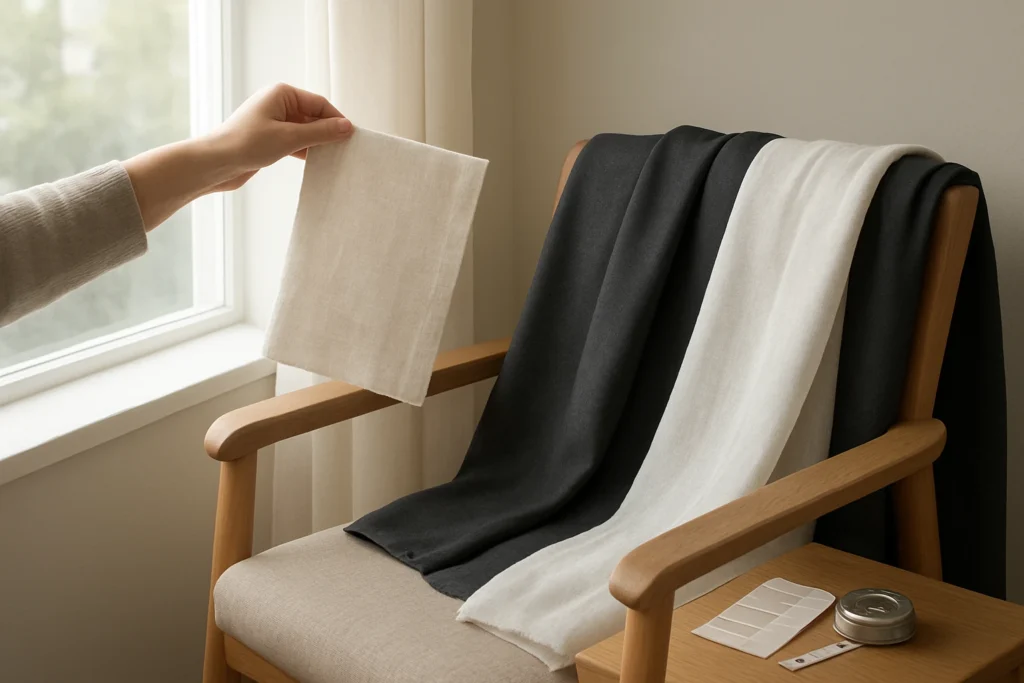
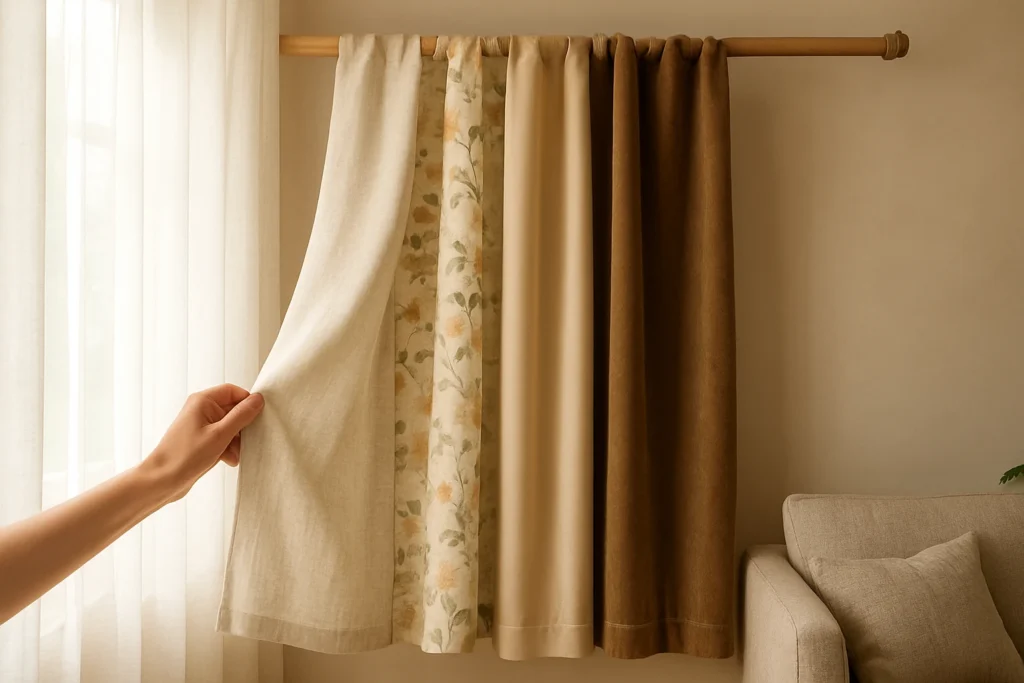
Order a swatch, hold it up against the window at different times of day to see how it handles sunlight, and hang a larger sample on a temporary rod to check drape, fullness, and privacy.