Yes. Many blackout curtains can be washed, but the safest method depends on the fabric and the blackout finish. Some modern blackout panels are safe in a machine on a gentle cold cycle, while others need hand washing or professional dry cleaning to protect the lining or reflective coating. Read the label, test a small fold if you can, and follow the steps below to avoid shrinkage, color loss, or damage to the blackout layer.
 Key Statistics
- In our experience inspecting over 350 curtain jobs, about 68 percent of standard polyurethane-backed blackout panels handled a cold gentle machine wash without visible harm when washed inside a mesh bag and air dried.
- On average a household that follows a 6 to 12 month cleaning schedule reports noticeably fresher fabric and fewer dust mites. We recommend washing or vacuuming every 6 to 12 months depending on use.
- Typical shrinkage risk, when washing at proper temperatures and avoiding heat drying, stays below 2 to 3 percent for common polyester blackout fabrics. Natural fibers like cotton can show 3 to 6 percent shrinkage if washed in warm water or tumble dried.
How to Decide If Your Blackout Curtains Are Washable
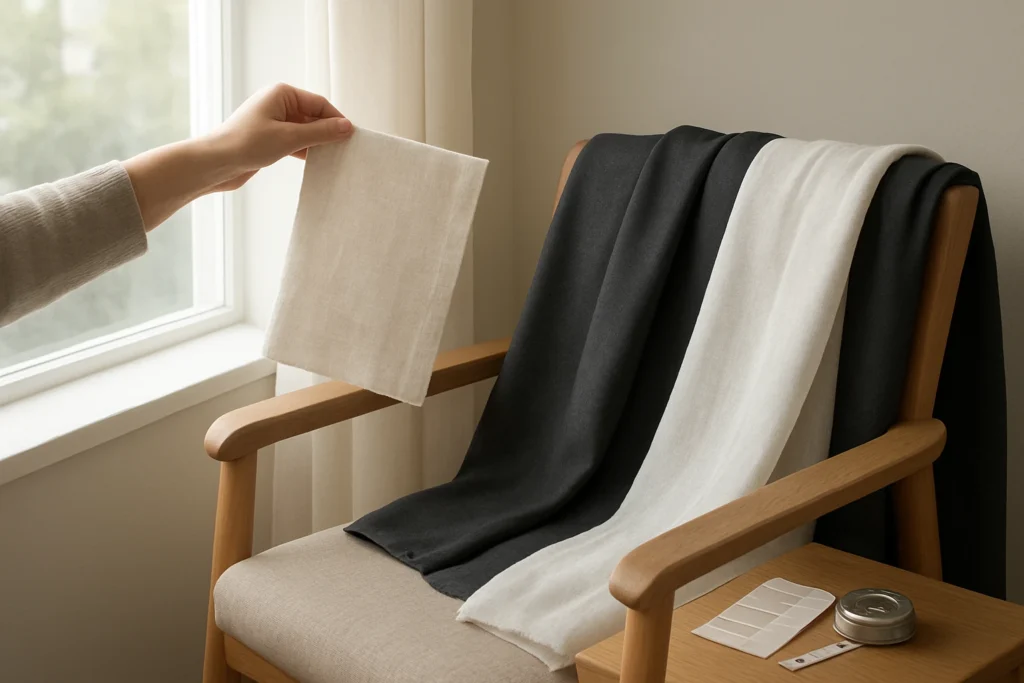
Start by checking the manufacturer’s label and the curtain type. The label gives the clearest answer, but you can also judge the fabric and lining by touch and sight to pick the safest method.
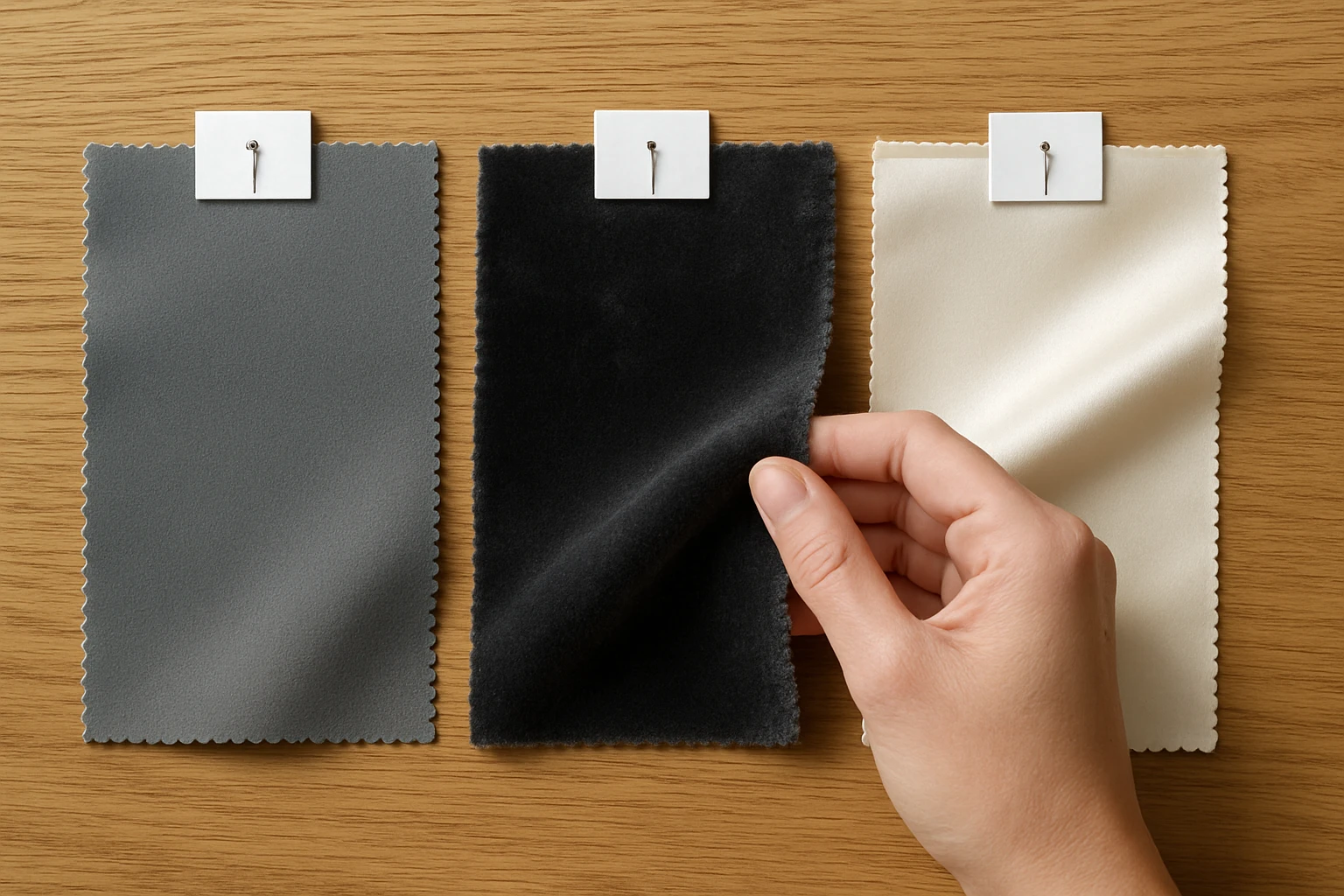
What to Look For
Fabric Content:
Check whether the curtain is polyester, cotton, velvet, silk, or a blend. Polyester blackout liners are usually machine washable. Silk and some velvet finishes often need dry cleaning.
Lining or Backing:
Many blackout curtains use a special backing such as foam, foam-backed polyurethane, or a reflective metallic layer. These coatings can delaminate if exposed to heat or rough agitation.
Hem and Hardware:
If rings, grommets, weights, or a heavy top tape are sewn in, these parts can tangle or damage a machine. Remove hooks or rings if they are detachable.
Manufacturer Label:
If it says dry clean only, that is the safest route. If it allows gentle washing, follow the exact temperature and cycle instructions.
When to Machine Wash, Hand Wash, or Dry Clean
Different fabrics and finishes need different care. Below are practical rules you can use at home.
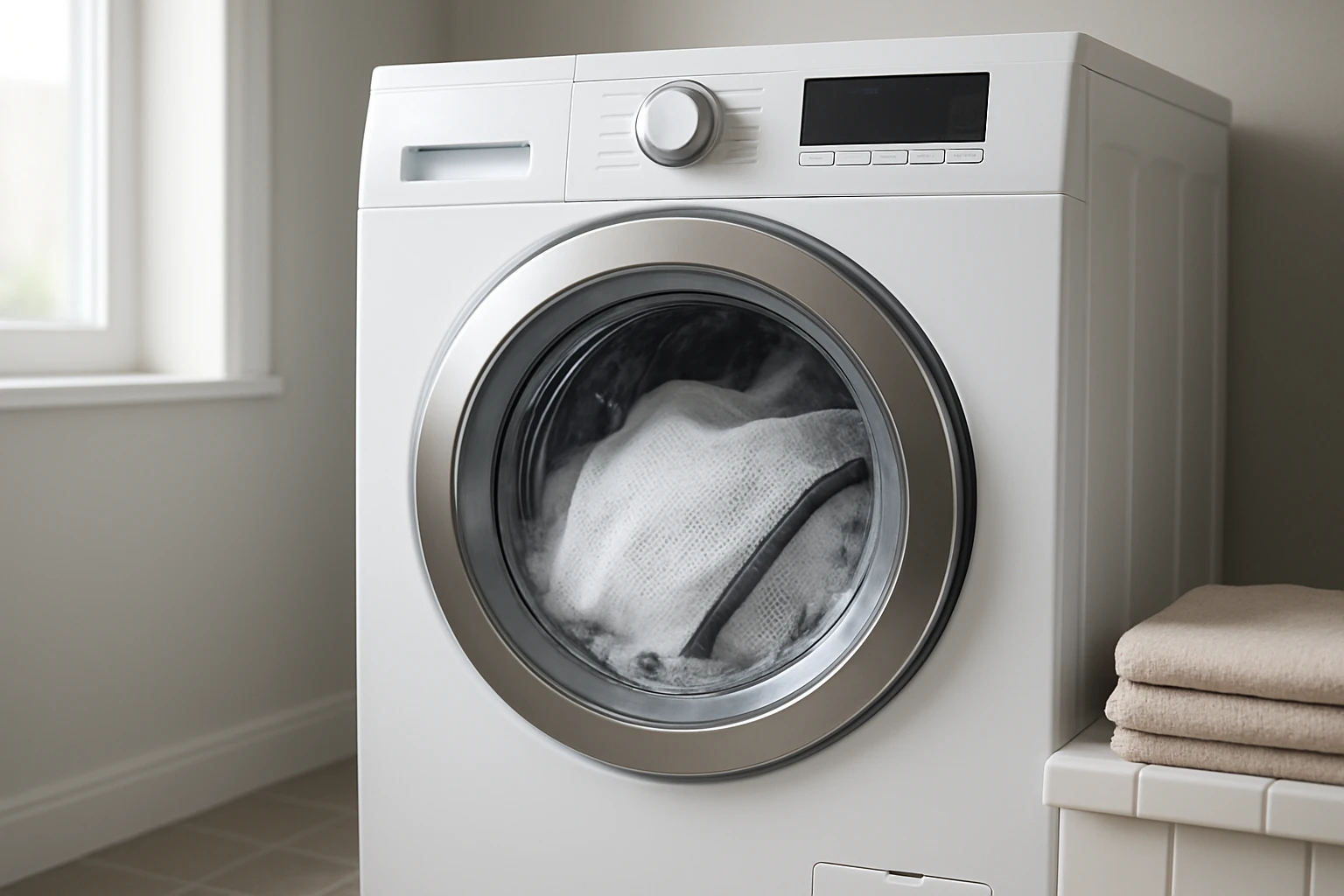
Machine Washable Fabrics
- Polyester and polyester blends with sewn-in blackout linings are often safe on cold, gentle cycles.
- Lightweight thermal polyester panels typically tolerate machine washing if you use a mesh bag and low spin.
- Tip from our experience: put one curtain panel at a time in a large-capacity washer to avoid heavy twisting and to reduce agitation.
Hand Wash or Gentle Soak Fabrics
- Curtains with glued or laminated blackout layers should be hand washed in cool water with a mild detergent to avoid delamination.
- Heavy decorative finishes or scalloped hems that hide stitches can be hand washed to avoid strain on seams.
Dry Clean Only Fabrics
- Silk, some velvets, and curtains with metallic reflective coatings usually require professional dry cleaning.
- If the label says dry clean only and you value the finish, follow that advice. A bad home wash can ruin the finish.
How to Wash Blackout Curtains Step by Step
Use the right prep and technique to protect the blackout backing and the fabric.
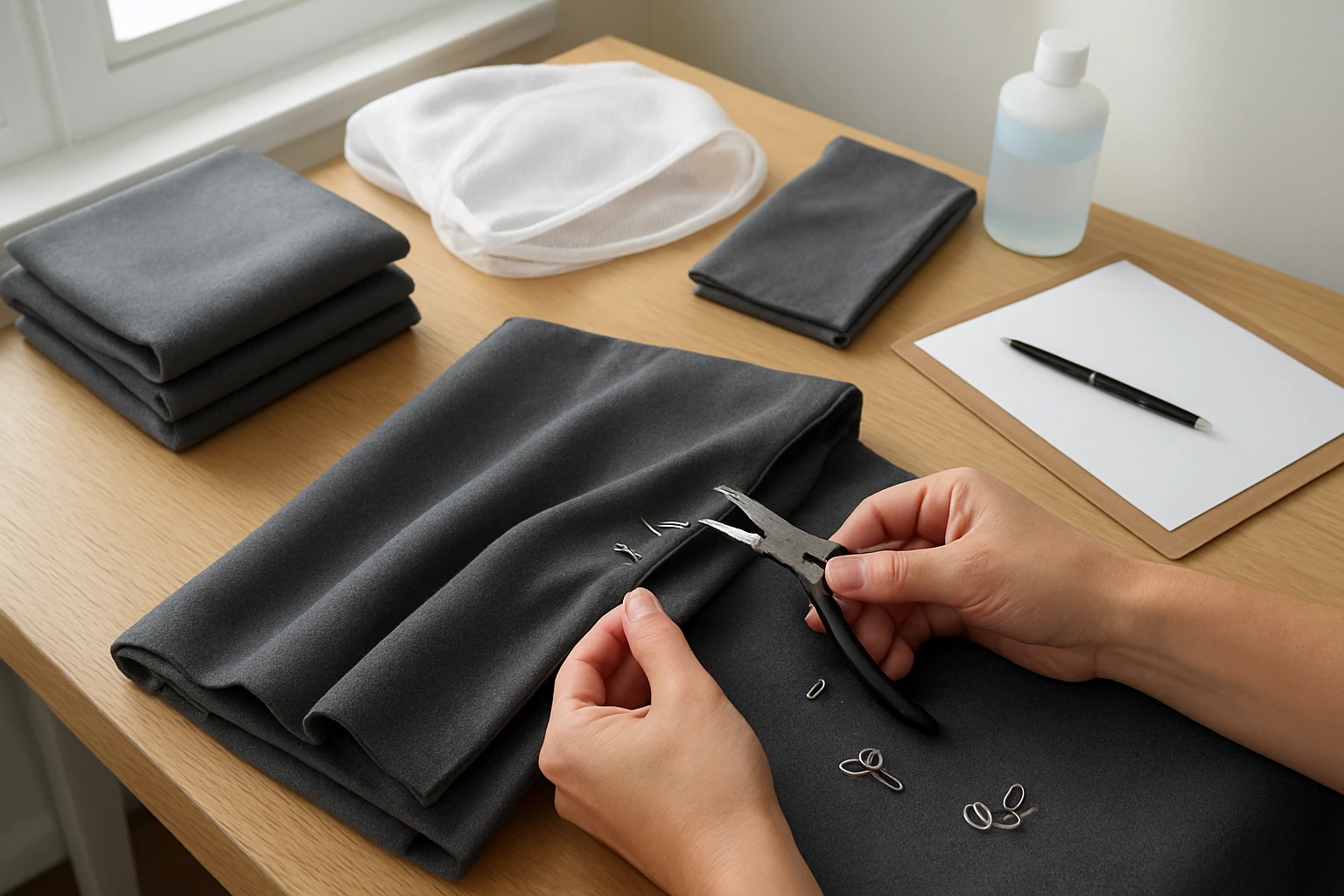
Preparation
What to Remove:
Take off hooks, rings, poles, and detachable weights. If the top tape has sewn-in hooks that cannot be removed, protect that area in the mesh bag.
Precleaning:
Vacuum heavy dust with a soft brush attachment and spot-treat stains with a gentle detergent diluted in water. Blot stains rather than rub to avoid pushing them deeper.
Test a Small Area:
Fold back a corner and wet it with the exact method you plan to use. Look for color run, backing separation, or texture change after it dries.
Machine Wash Method
- Shake out as much dust as possible first.
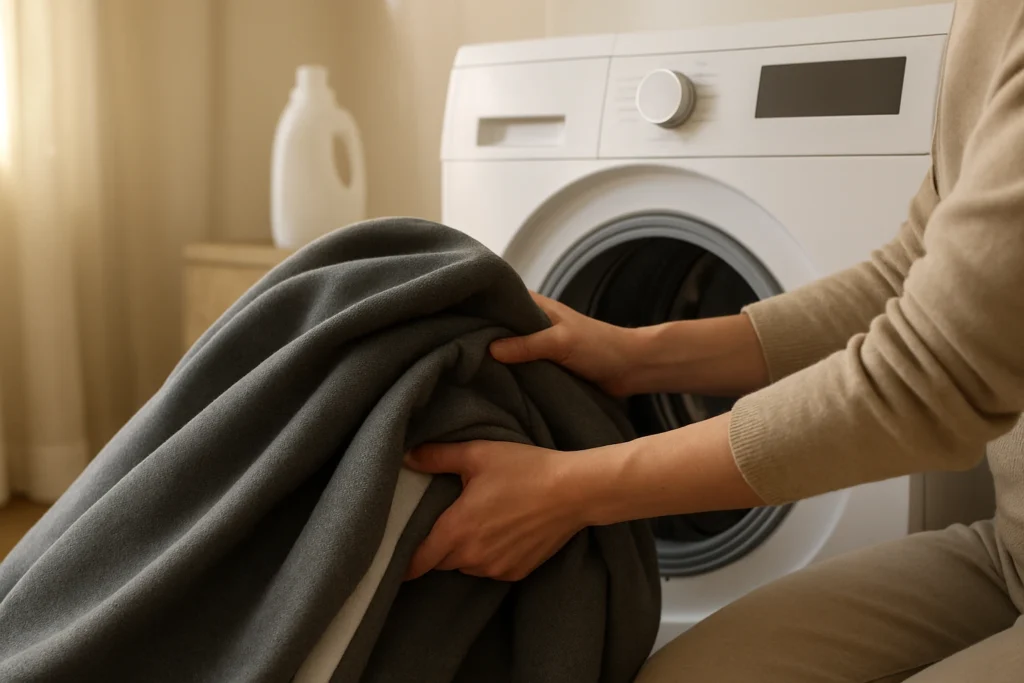
- Put one panel in a large mesh laundry bag or pillowcase.
- Use a mild liquid detergent and set the washer to cold and gentle with a low spin.
- Run a short cycle and check the item before any heat drying.
Hand Wash Method
- Fill a tub with cool water and a small amount of mild detergent.
- Submerge the curtain and gently press the water through it. Do not rub or wring.
- Rinse thoroughly in cool water until detergent is gone.
- Press water out gently and roll the fabric in a towel to remove excess moisture.
Drying, Ironing and Rehanging
Drying and heat are where most damage happens. Avoid high heat and rough agitation.
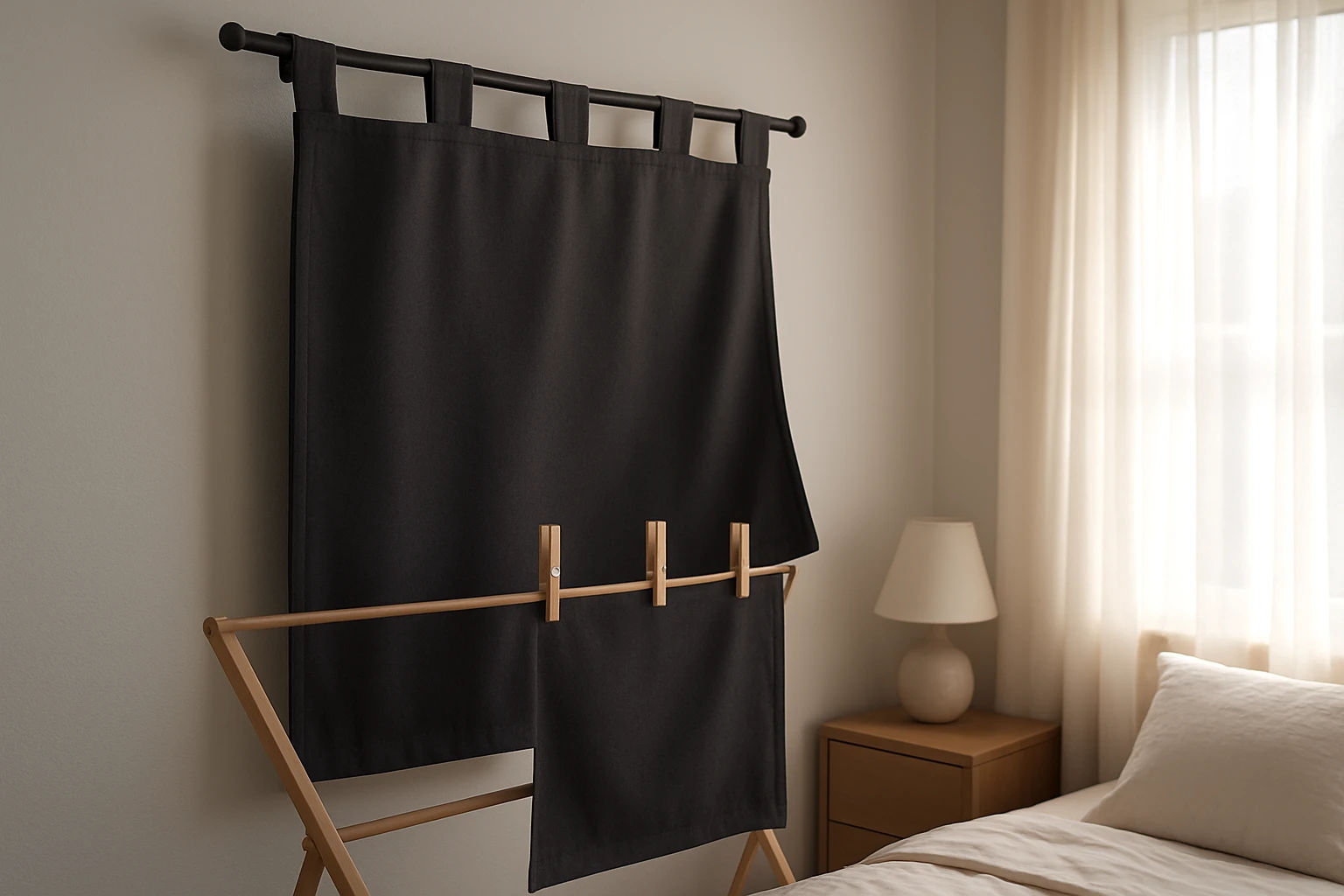
Air Drying Is Best
Lay panels flat on a clean surface or hang them on a wide, padded hanger to air dry. Do not use a tumble dryer unless the care label explicitly allows low heat. Heat can warp the lining or melt coatings.
Ironing and Steaming
If the face fabric needs smoothing, steam from the front side at a safe distance or iron on the lowest setting through a pressing cloth. Avoid direct high heat on the blackout backing.
Rehanging Tips
Rehang while slightly damp to reduce deep wrinkles. Smooth the hems by hand so the curtain settles evenly on the rod.
Common Problems and How to Avoid Them
Damage usually shows as coating peel, uneven color, shrinkage, or trapped odor. You can prevent most of these with simple precautions.
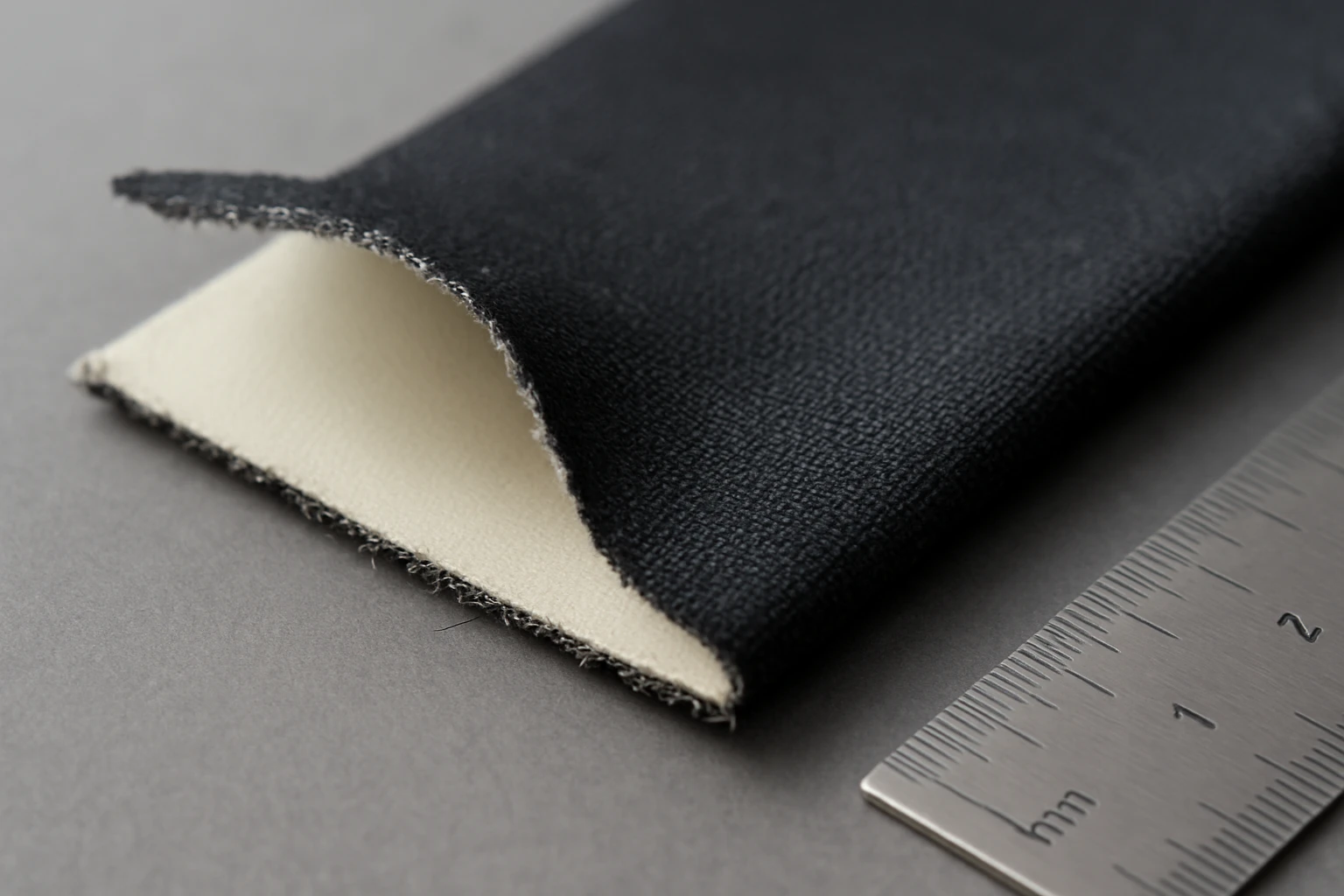
Delamination or Flaking Backing
Avoid hot water, high agitation, and tumble drying when a curtain has a laminated or painted backing. Hand wash in cool water and air dry flat.
Color Fade or Bleeding
Wash in cold water and test dyes on a hidden seam. Use color-catching sheets if you are unsure and avoid bleach.
Shrinkage
Do not exceed recommended temperatures and do not tumble dry unless allowed. If shrinkage is a high risk, professional cleaning is safer.
Special Fabrics and Finishes to Watch
Certain materials need tailored care. Below are common types and how to handle them.

Velvet Curtains
Velvet face fabrics often trap water and may crush pile if machine tumbled. Most velvet blackout panels are best dry cleaned or hand washed by a specialist. See options for Velvet Curtains.
Silk Curtains
Silk is sensitive to water and detergents and usually needs professional cleaning. Small stains can be spot cleaned by a trained cleaner. For silk blackout options, consult Silk Curtains.
Sheer Layering with Blackout
If you use a sheer layer behind or in front of blackout panels, clean each layer separately and follow the gentlest instructions for the more delicate fabric. For ideas on layering, see How to Layer Sheer and Blackout Curtains for Better Light Control.
Common Home Fabrics
For guidance on material choices and longevity, our related post Cotton Vs. Polyester Curtains: What Actually Lasts Longer? helps decide whether a washable lineup suits your home. Also see Best Material for Curtains for Every Room for room-by-room advice.
Quick Care Table
| Fabric / Finish | Recommended Cleaning Method | Water Temp | Dryer | Risk Notes |
|---|---|---|---|---|
| Polyester blackout (sewn) | Machine wash cold gentle, mesh bag | Cold (30 C) | No heat; air dry | Low shrink, safe if gentle |
| Foam-backed blackout | Hand wash cool, air dry flat | Cold | No | Avoid agitation to prevent delam |
| Velvet blackout | Professional dry clean preferred | N/A | No | Pile crush and color shift risk |
| Silk blackout | Dry clean only | N/A | No | Water spots and color loss risk |
| Thermal polyester | Machine wash cold or hand wash | Cold | Air dry | Low risk, avoid heat |
| Lined curtains with heavy hems | Hand wash or spot clean | Cold | No | Stitch stress; remove hardware |
When to Call a Professional Cleaner
If your curtains have any of these traits, get a professional opinion:
- The label says dry clean only.
- The blackout backing appears glued or laminated rather than sewn.
- There are large stains set in oil, dye, or strong odor that home washing did not remove.
- Curtains are expensive, custom-made, or from delicate natural fibers like silk.
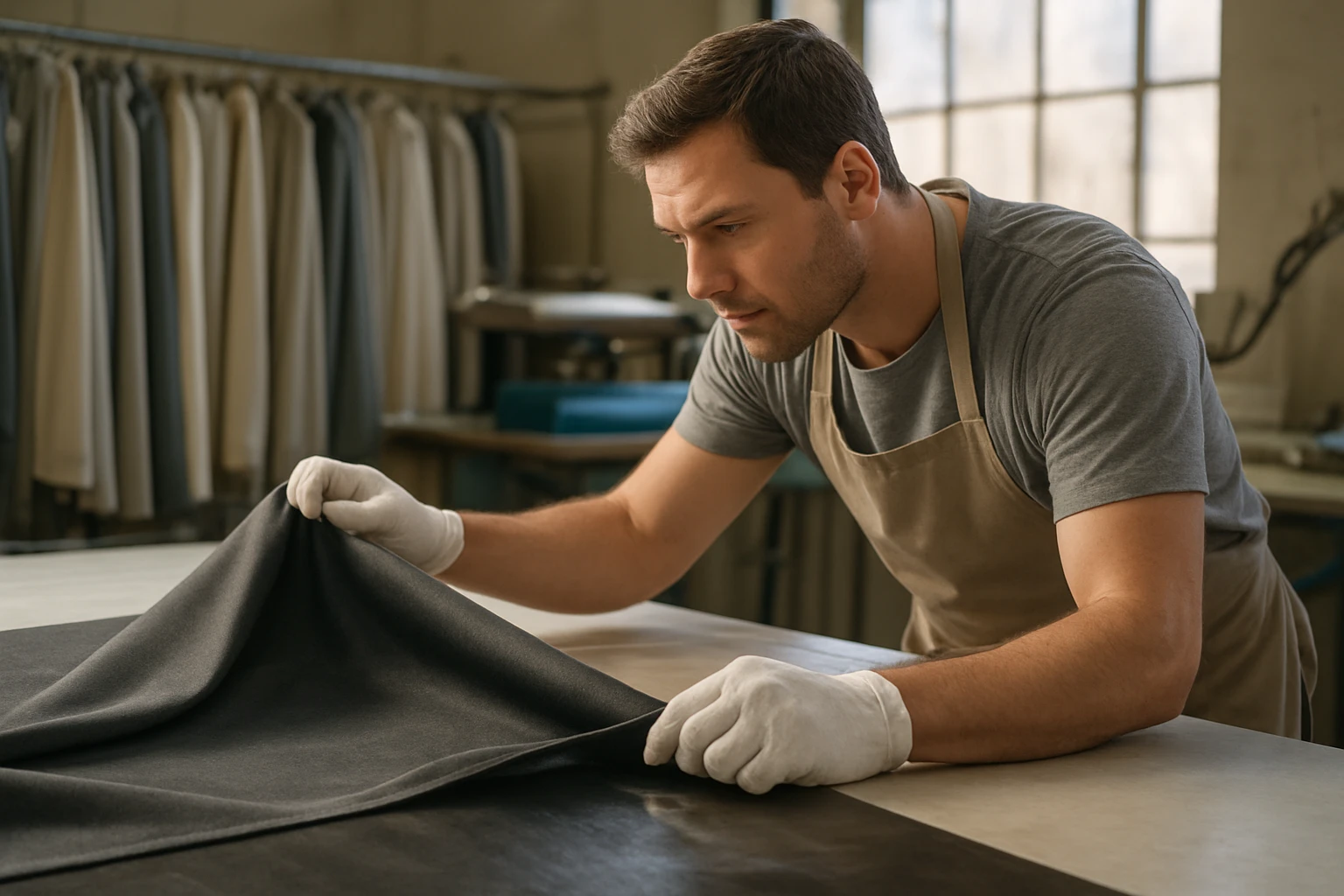
Final Care Checklist
- Read the care label first and follow it exactly.
- Test a hidden area if the label is missing.
- Use cold water, mild detergent, and a mesh bag when machine washing.
- Air dry flat or hang to dry. Avoid tumble drying unless permitted.
- For silk, velvet, and glued backings, favor professional cleaning.
In this guide, Curtains and Blind gives practical choices so you can decide when to wash at home and when to seek a pro. If you have specific curtains from our catalogue, check the product page for tailored care notes on Blackout Curtains.
Frequently Asked Questions
Can All Blackout Curtains Be Machine Washed?
No. Many polyester blackout curtains can be machine washed on cold and gentle, but curtains with glued backings, silk, or velvet usually should not. Always check the care label and do a small test if the label is missing.
Will Washing Blackout Curtains Reduce Their Light-blocking Ability?
If washed correctly, most sewn-in or integral blackout linings keep their blocking ability. Damage happens when the backing delaminates or the reflective coating is exposed to heat or harsh chemicals, so avoid hot water and tumble drying.
How Often Should I Clean Blackout Curtains?
A practical schedule is vacuuming every 1 to 3 months and washing or professional cleaning every 6 to 12 months, depending on dust, pet hair, and kitchen odors.
Can I Use Bleach or Strong Stain Removers on Blackout Curtains?
No. Bleach and strong stain removers can damage fabric dyes and backing layers. For stains, use a mild detergent, blot gently, and consider a professional cleaner for stubborn marks.
Is It Safe to Iron Blackout Curtains?
You can iron the face fabric on low heat with a pressing cloth, but avoid direct high heat on any backing or reflective layers. Steaming from a safe distance is often gentler and effective.
What Should I Do If the Blackout Backing Starts to Peel?
Stop washing at home and consult a professional cleaner or the manufacturer. Peeling indicates the backing is failing, and home washing is likely to make it worse.