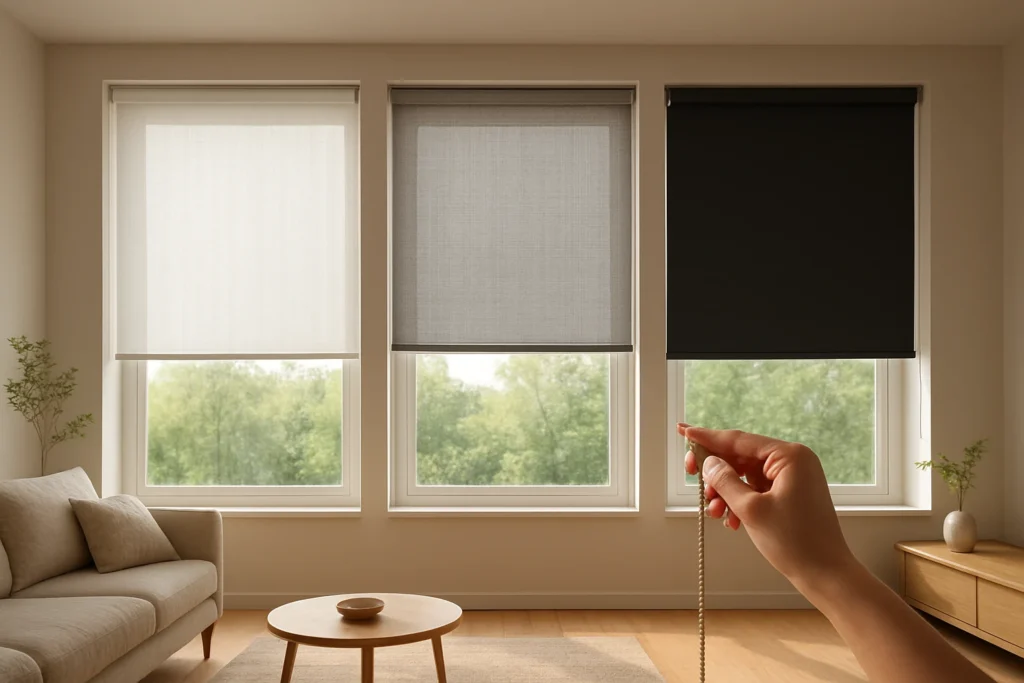
Roller blinds are a simple, space-saving window covering that suit most rooms, and the right fabric and fit make the biggest difference in comfort and performance. Choose fabric based on light control, privacy and moisture resistance, measure carefully for inside or outside mounts, and avoid common errors like poor measurement and low-quality fittings.
In this guide, Curtains and Blind explains how to pick fabrics, measure and avoid mistakes so you get roller blinds that look and work well for years.
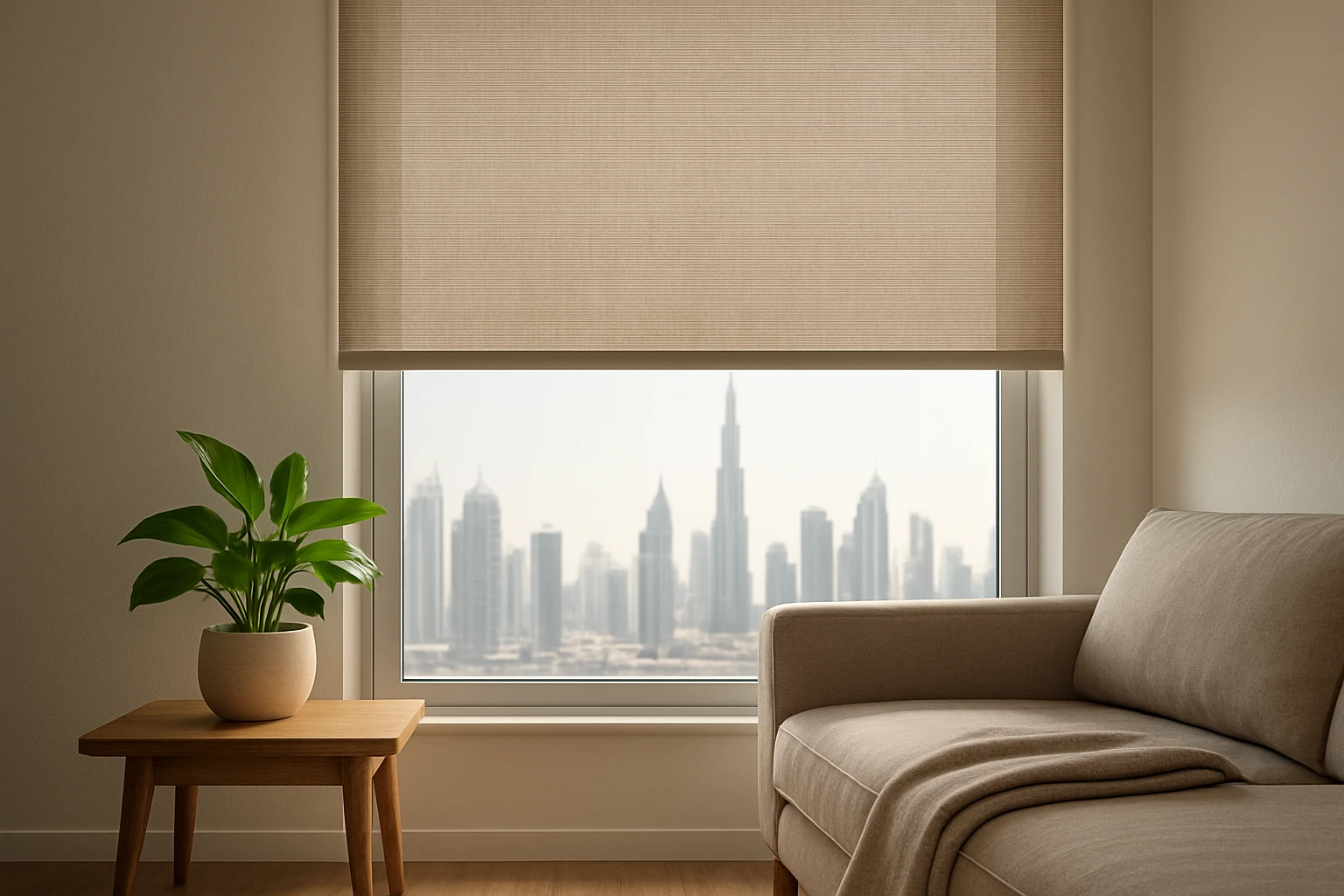
Why Choose Roller Blinds?
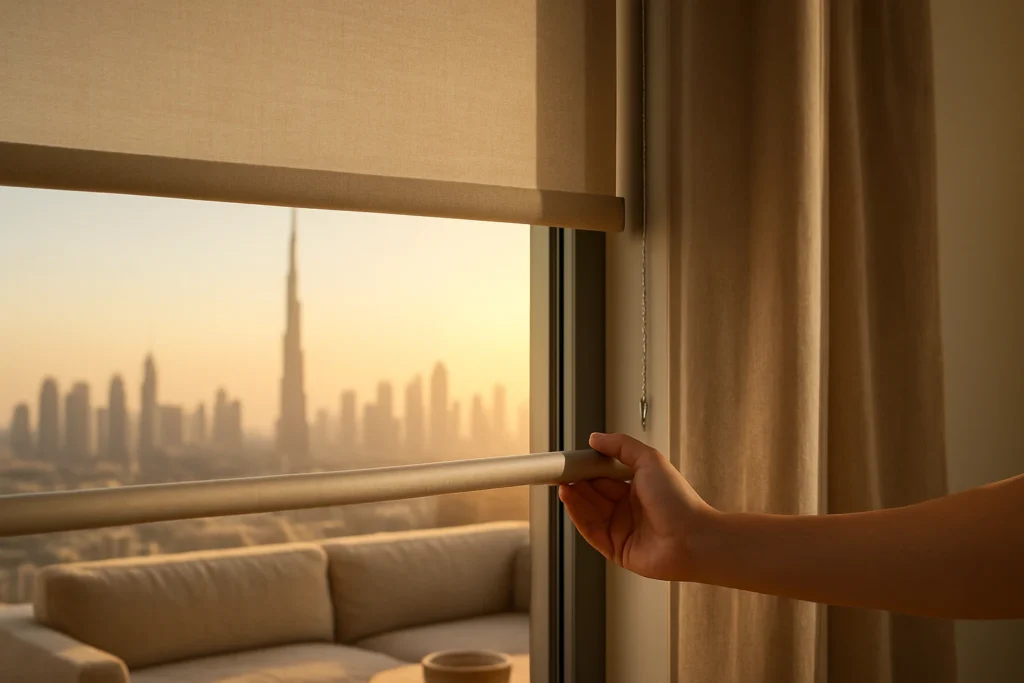
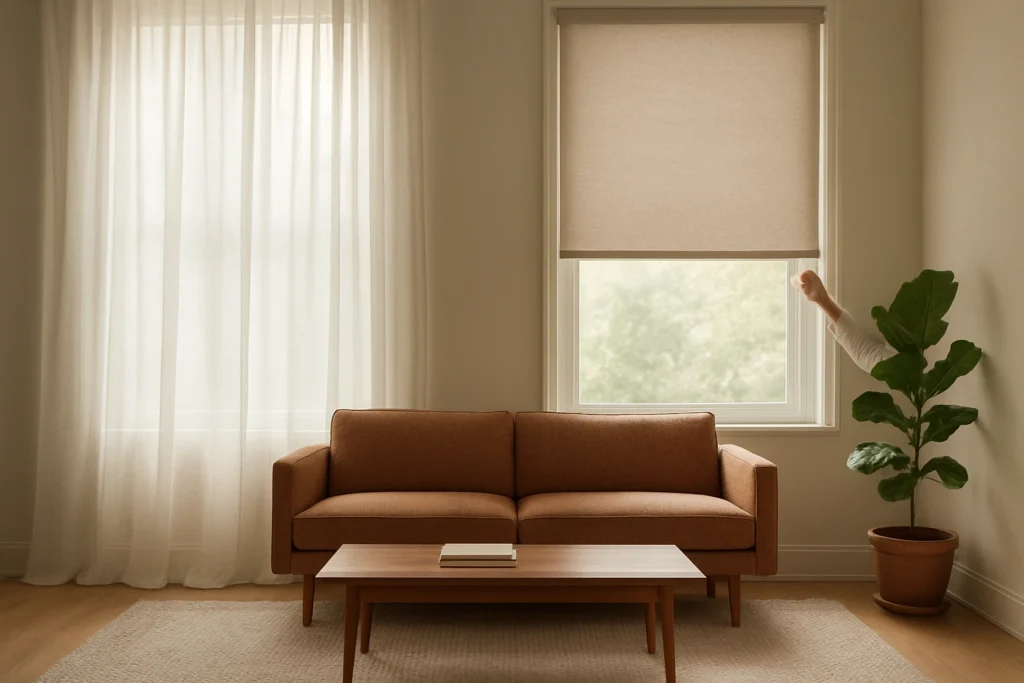
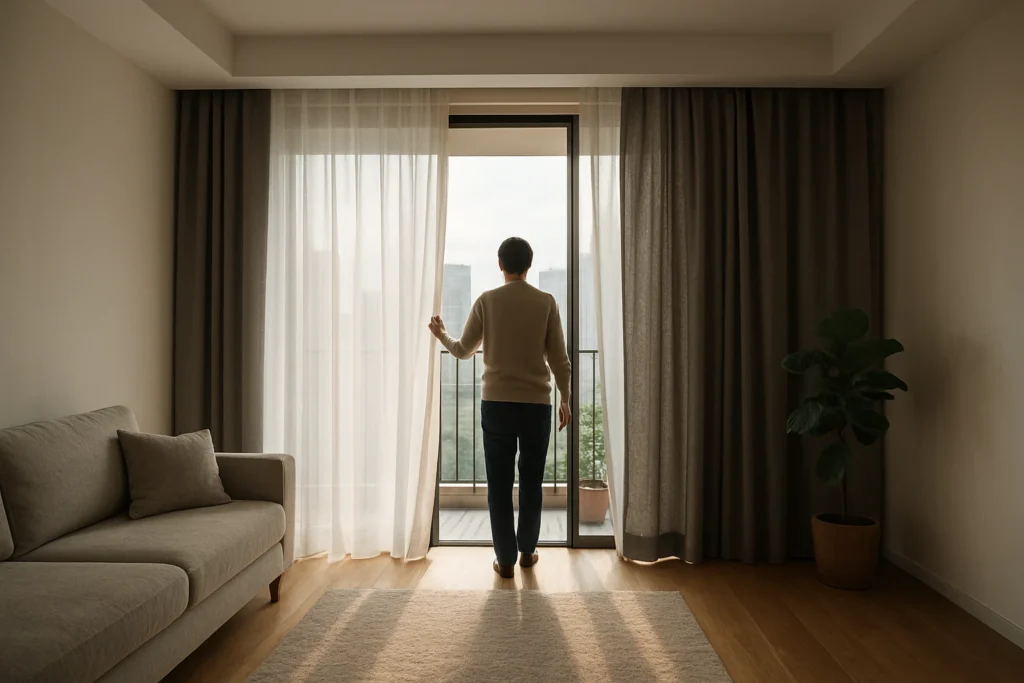
Roller blinds fit close to the window and keep a clean, simple look that suits modern and classic interiors, and they work well alone or under curtains. They are low profile, simple to operate and often cheaper to buy and fit than many other blind types.
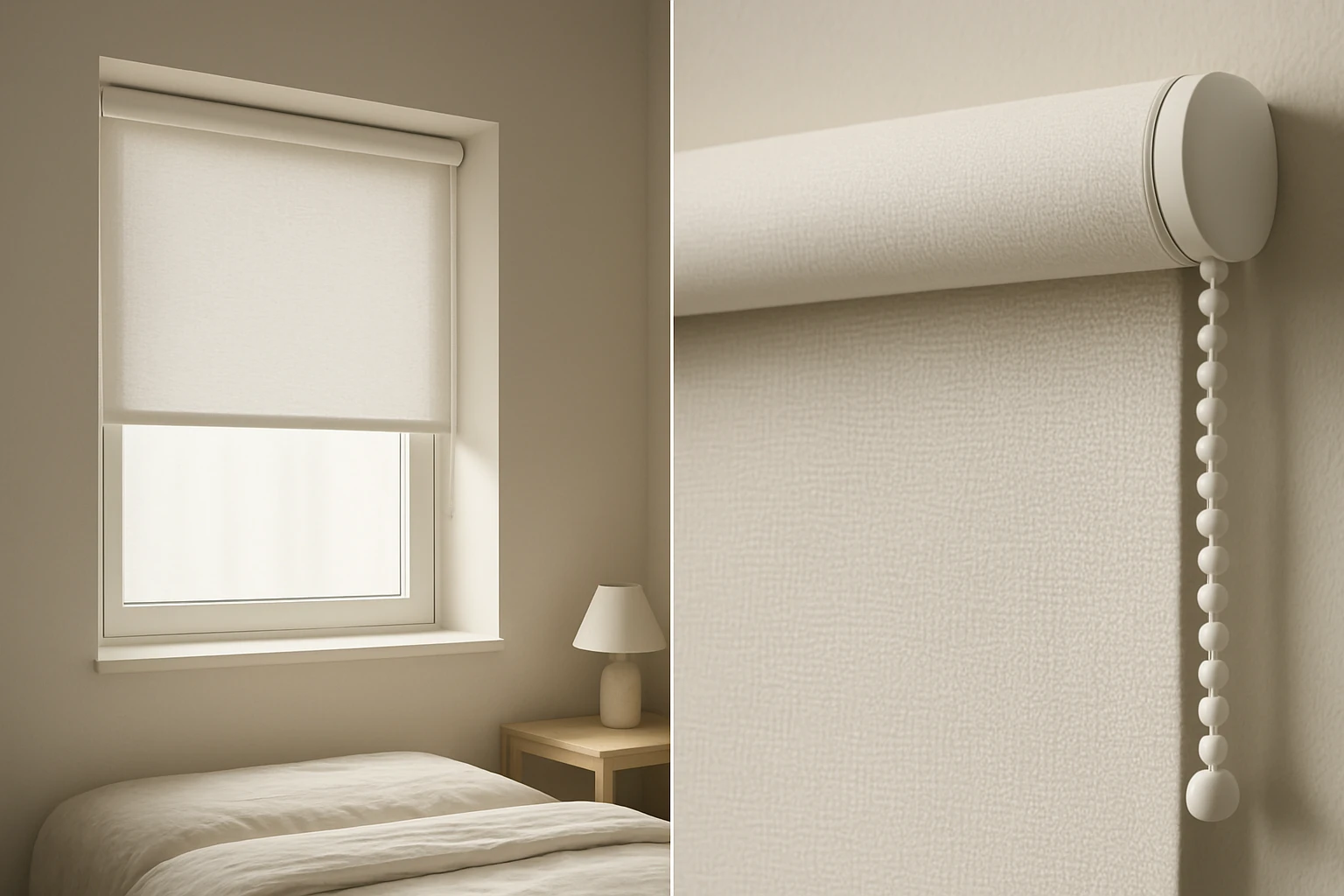
Key Benefits
- Clean, Minimal Look: A flat fabric that sits close to glass for a tidy appearance.
- Easy Operation: Chain, spring or motorized options make use simple.
- Wide Fabric Choices: Options for light filtering, blackout and sun control.
- Space Efficient: Good for shallow windows and modern rooms.
Types of Roller Blind Fabrics
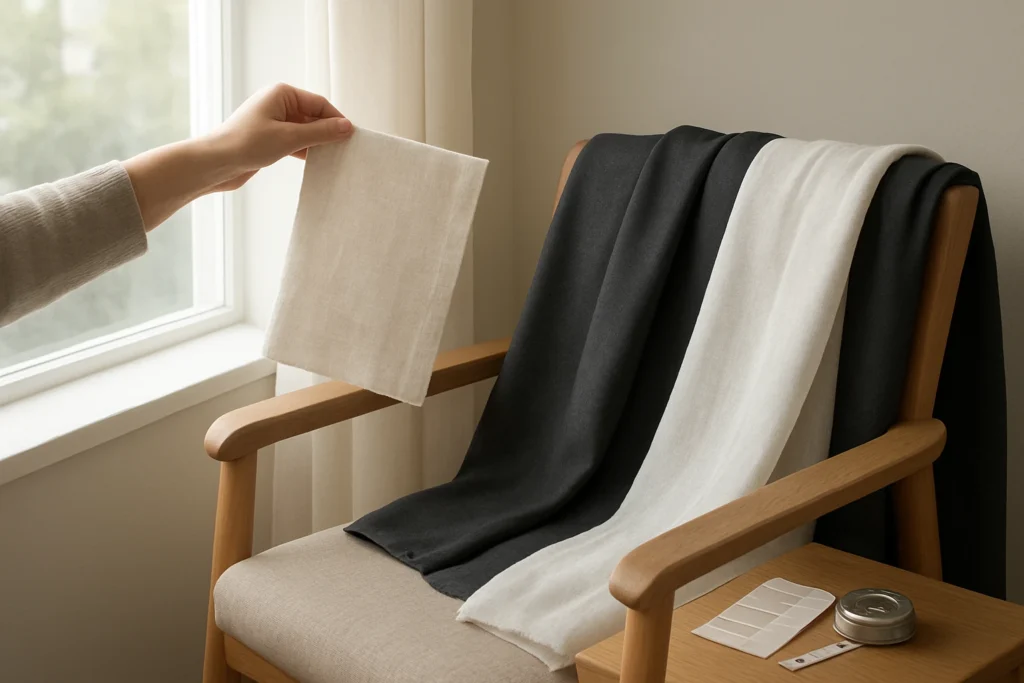
Choosing fabric is the most important decision. Fabric controls light, privacy, heat gain and how easy the blind is to clean. Match the fabric to the room and to how you want light to behave.

Common Fabric Types and Where to Use Them
Sunscreen Fabrics:
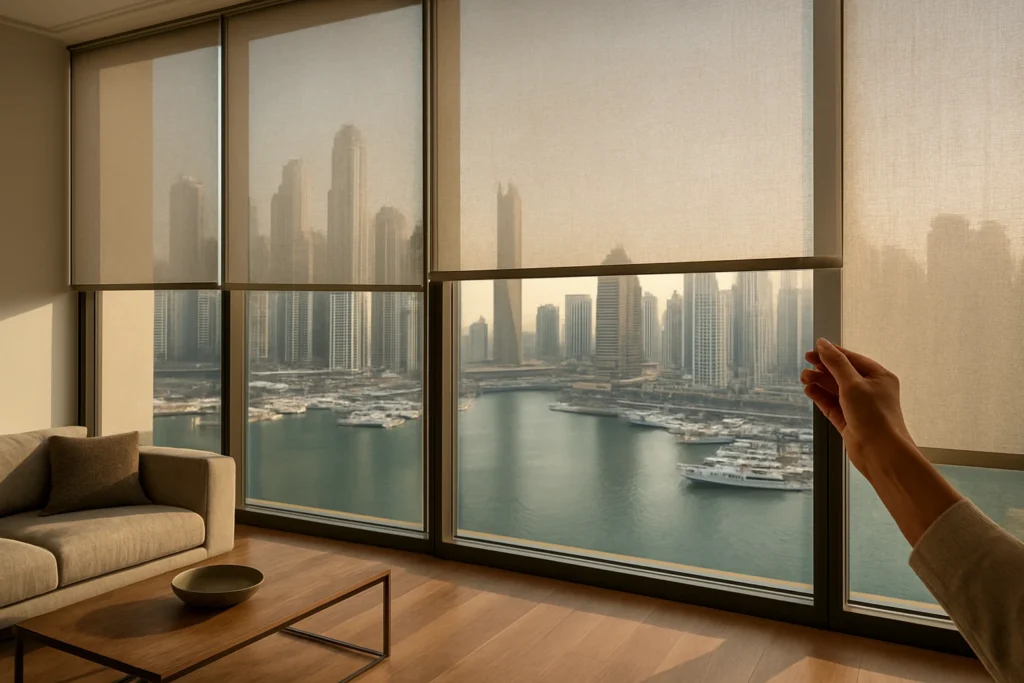
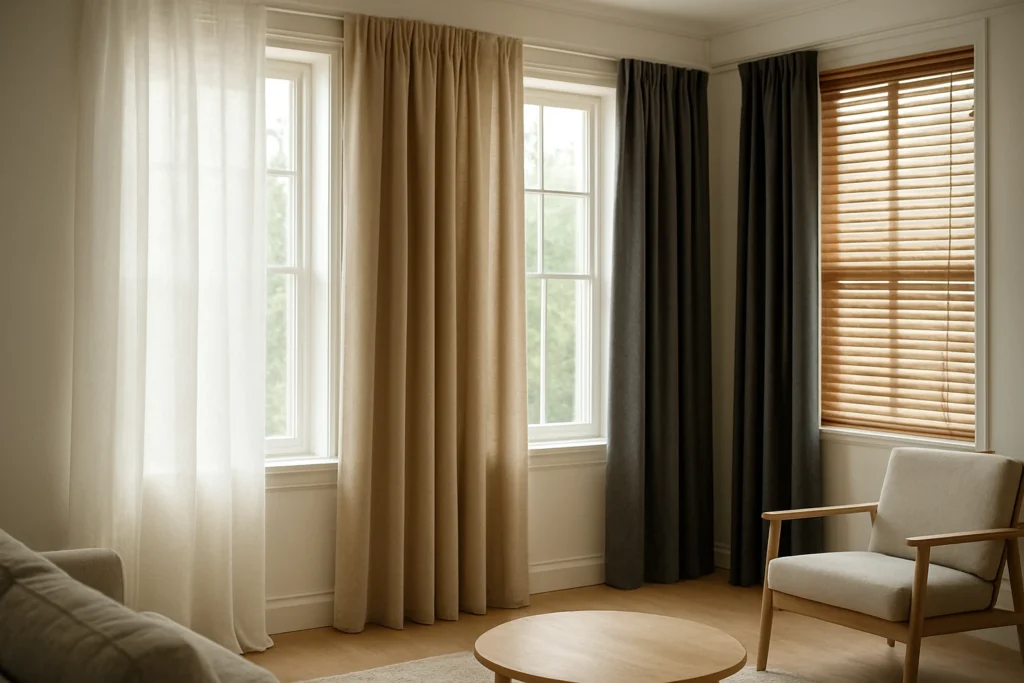
Sunscreen fabrics are woven to let light in while blocking glare and UV. They protect furniture and reduce heat but do not give full privacy at night when lights are on. Use these for living rooms and offices that need daylight with less glare.
Blackout Fabrics:
Blackout fabrics have a backing or a dense weave that stops light almost completely. They are best for bedrooms, nurseries and media rooms. They also help reduce heat and improve sleep quality.
Dimout Fabrics:
Dimout sits between sunscreen and blackout. It reduces light well and gives good privacy during the day, though a small gap at the edges may let light through.
PVC and Waterproof Fabrics:
PVC-coated and waterproof fabrics are ideal for bathrooms, kitchens and covered outdoor spaces because they resist moisture and mold. They are easy to wipe clean but feel less soft than textile fabrics.
Natural and Textured Fabrics:
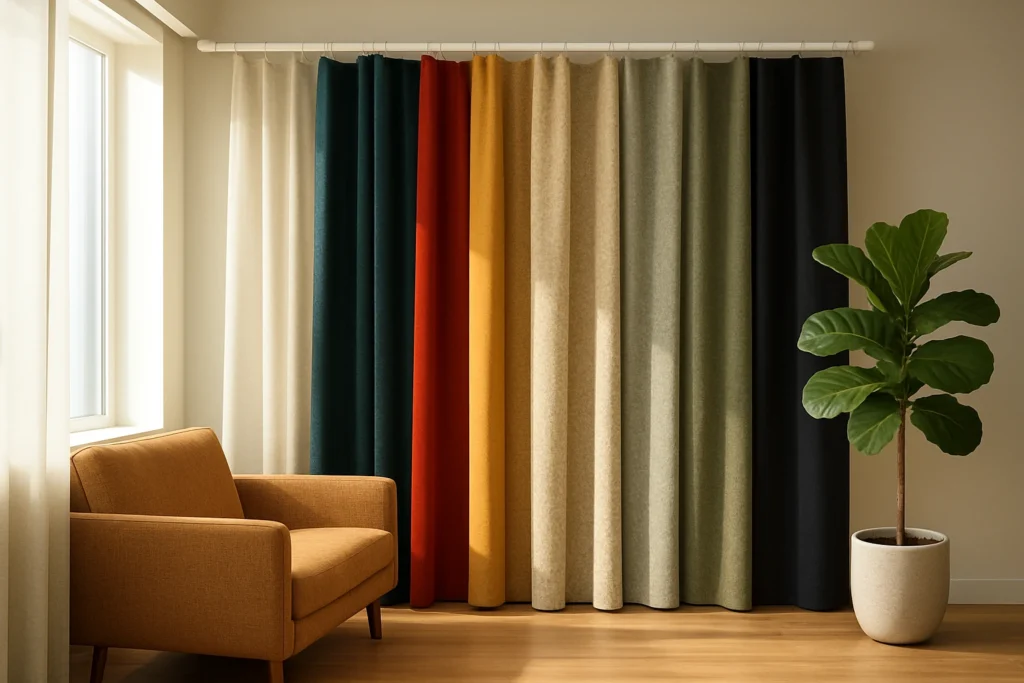
Linen-look and cotton blends add a soft, warm feel and work well with curtains. They suit living rooms and bedrooms where a softer look matters, but they may need more careful cleaning.
How to Measure for Roller Blinds
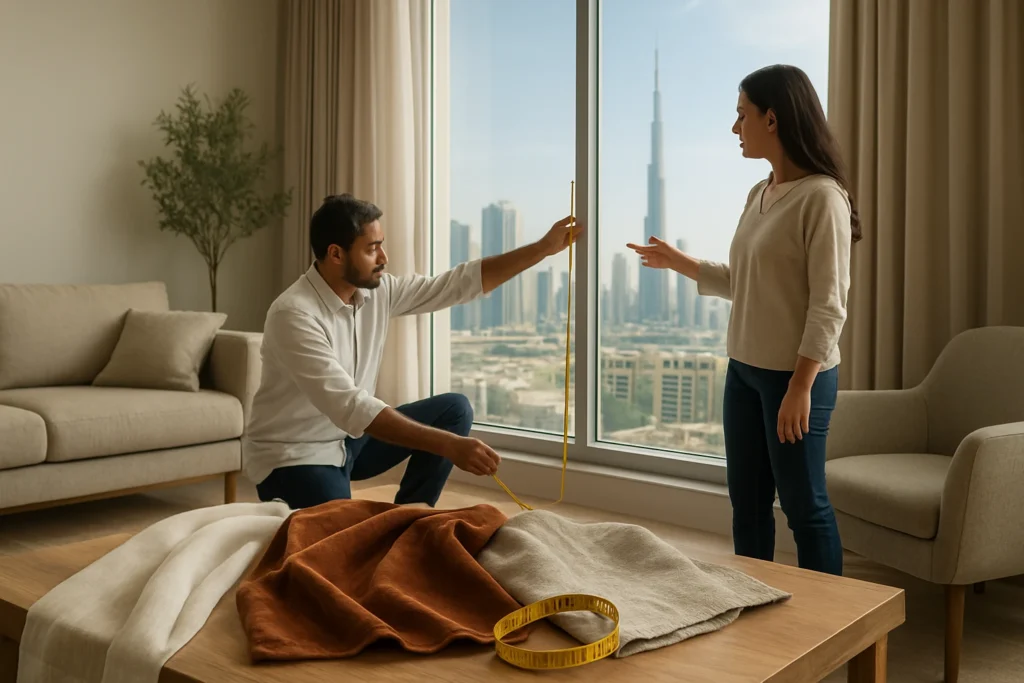
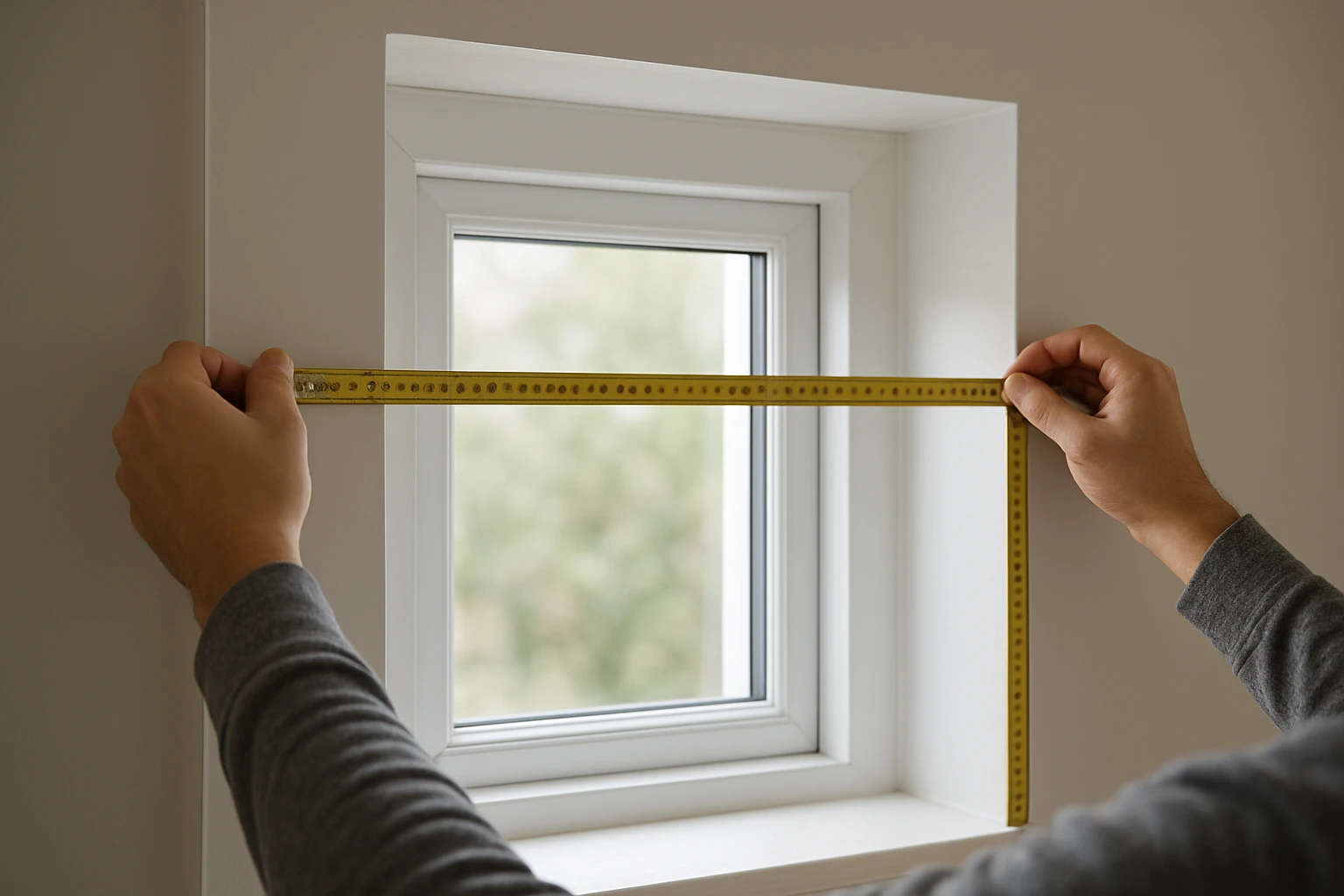
Measuring correctly avoids costly returns and poor fit. Decide first whether you want an inside mount, which fits inside the window frame, or an outside mount, which covers the frame and can block more light.
Inside Mount Versus Outside Mount
Inside Mount:
An inside mount sits within the window recess for a neat look. It needs a minimum recess depth for the headrail; measure width at three points and use the smallest measurement so the blind fits.
Outside Mount:
An outside mount covers the frame and can block light better. Measure the full area you want covered, and add overlap on each side and top to reduce light gaps.
Measuring Steps
- Measure Width: For inside mount, measure at top, middle and bottom and record the smallest. For outside mount, measure the total area and add recommended overlap (usually 50 to 100 mm each side).
- Measure Drop: Measure from the top of the recess to the sill for inside mount, or from where the top of the blind will sit to the desired bottom point for outside mount.
- Check Recess Depth: Measure how deep the window frame is so the headrail will clear the glass when rolled up.
Link for detailed measuring steps: How to Measure for Curtains for Any Window Size
Choosing Fabrics Room by Room
Different rooms need different priorities. Match fabric to function and moisture levels so the blind lasts and performs well.

Room Guidelines
Bedroom:
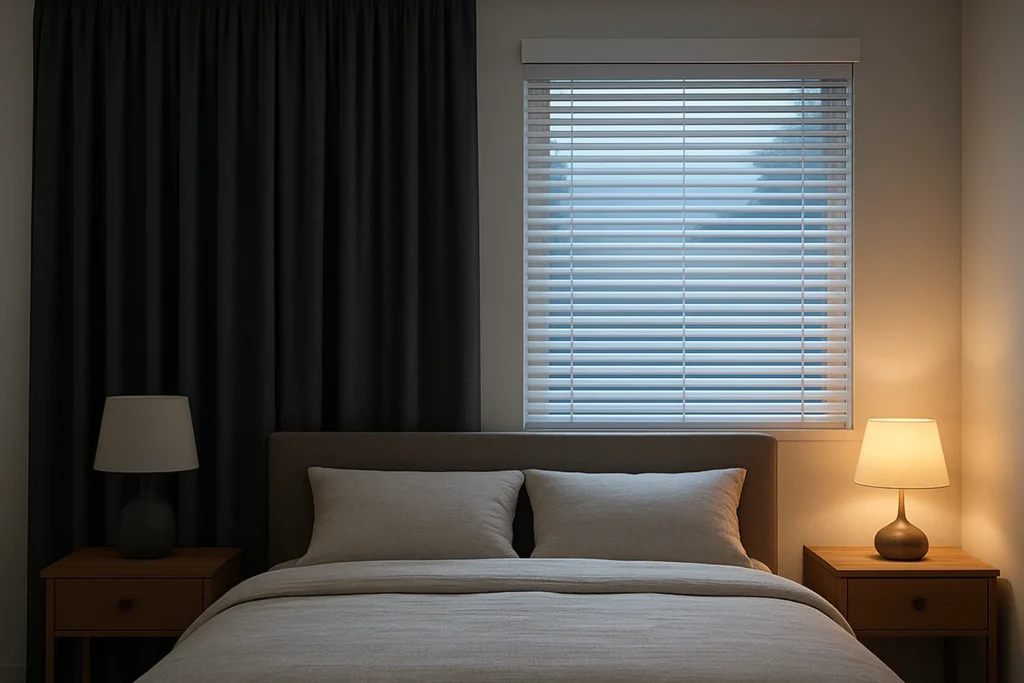
Choose blackout fabrics for full darkness and better sleep, and check that the headrail and side gaps are tight to reduce light leaks.
Living Room:
Sunscreen fabrics reduce glare while keeping a view and daylight. Use dimout if you want more privacy without full darkness.
Kitchen and Bathroom:
Pick PVC or waterproof fabrics that wipe clean and resist mold. Avoid textiles that absorb grease or moisture in these rooms.
Outdoor and Covered Patios:
Outdoor blinds need weather-resistant fabrics and fittings rated for sun and humidity. For covered areas choose UV-stable woven screens that allow airflow while shading.
Link for outdoor options: Outdoor Blinds
Common Buying and Installation Mistakes to Avoid
Many problems come from rushing measurement, choosing the wrong fabric or buying a blind that is too cheap for the window. Avoid these frequent errors.
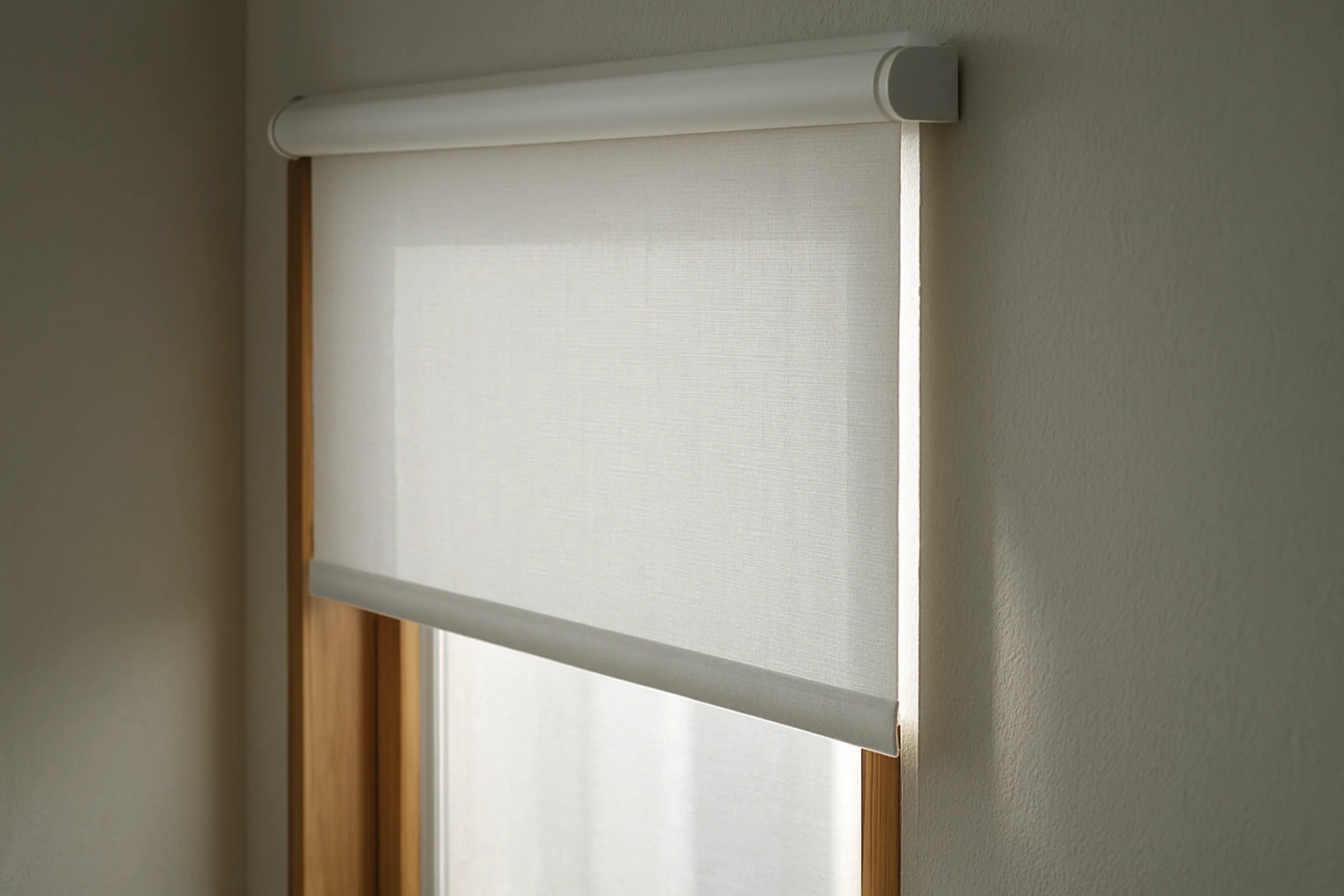
Typical Mistakes and Fixes
Poor Measurement:
A common mistake is using a single measurement or rounding up without checking depth. Always measure width in three places and use the smallest measurement for inside mounts.
Choosing Wrong Fabric for the Room:
People buy pretty fabrics without thinking of moisture or light control. Match fabric to the room. For bedrooms pick blackout, for living rooms choose sunscreen or dimout.
Low-Quality Hardware:
Cheap brackets and mechanisms fail early. In our experience, spending a bit more on a quality headrail, smoother chain and better brackets pays off with fewer repairs.
Ignoring Cord Safety:
Loose cords are a hazard for children and pets. Choose cord cleats, child-safe breakaway chains or motorized blinds to remove the risk.
Link for safety and options: Motorized Blinds
Motorized Blinds and Controls
Motorized roller blinds add convenience and safety, and many systems now work with smart home setups. They cost more up front but can be worth it for high or awkward windows and for homes with young children.
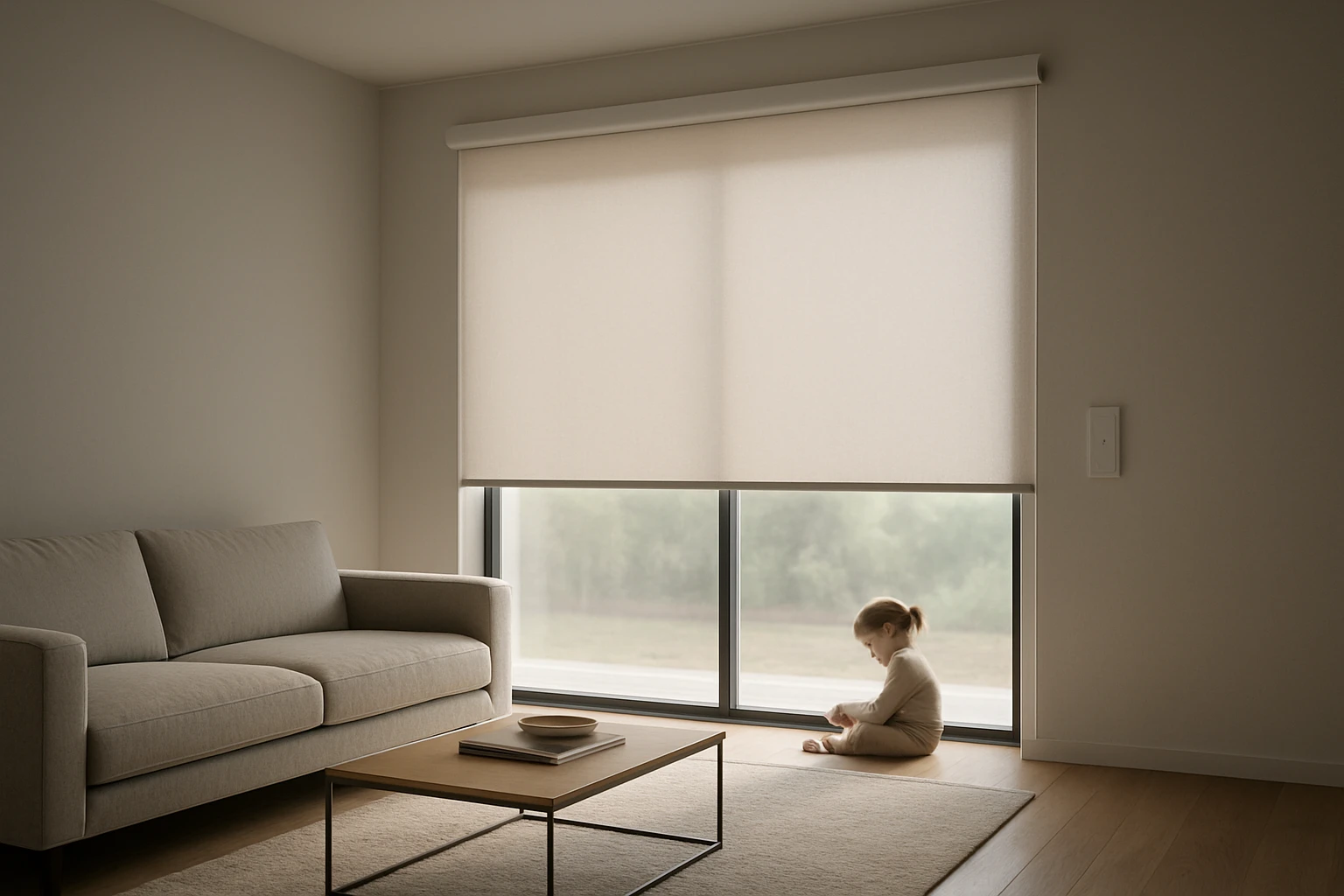
Pros and Cons
- Pros: Easy operation, child safety, can be scheduled, neat look with no visible cords.
- Cons: Higher initial cost, need for power or batteries, some systems require professional installation.
Care and Maintenance
A simple care routine extends life. Dust regularly and follow specific cleaning instructions for the fabric type. Avoid soaking textile fabrics unless the manufacturer allows it.
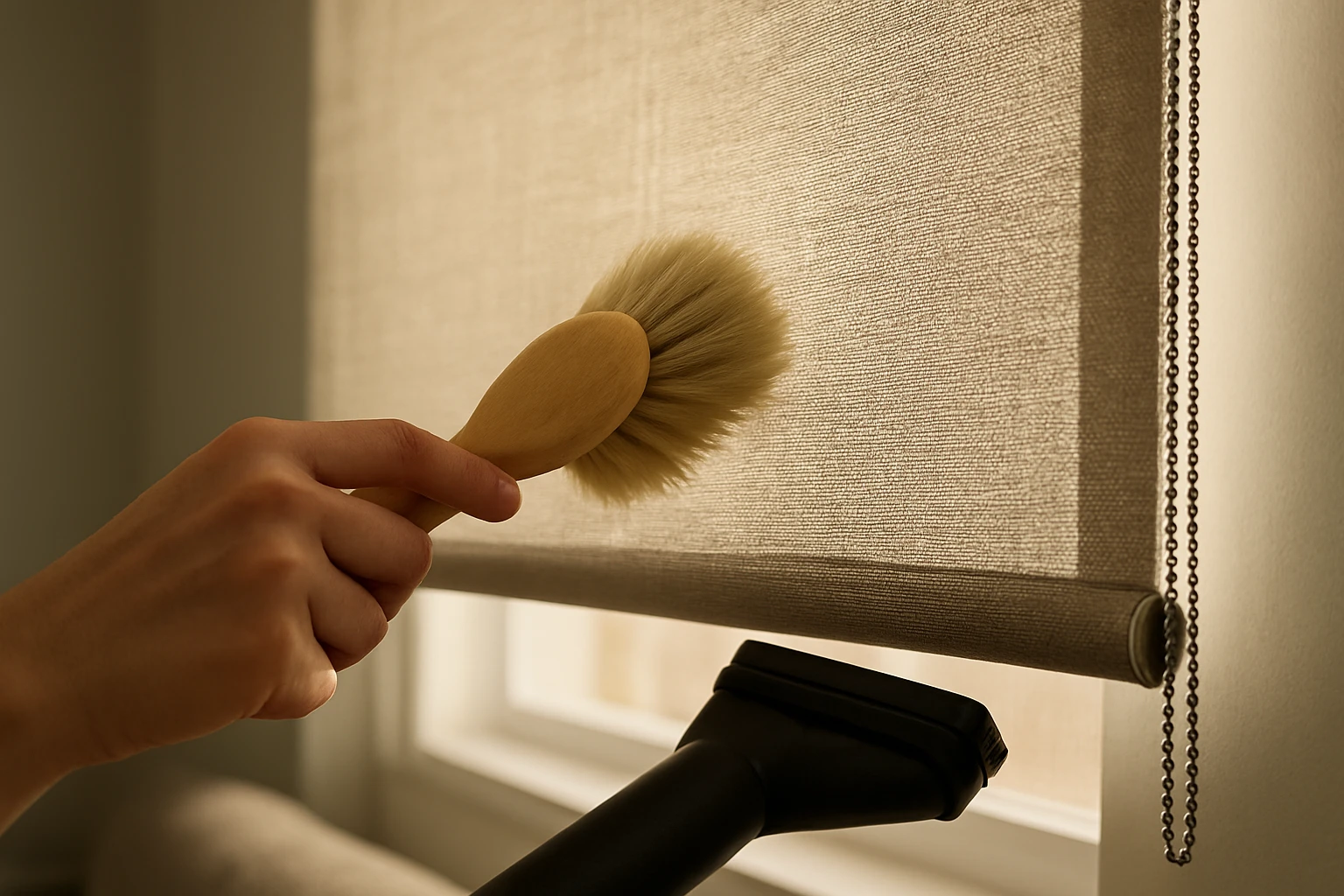
Cleaning Tips
- Dust Weekly: Use a soft brush or a low-suction vacuum tool to remove loose dust.
- Spot Clean: For stains use a mild soap solution on a soft cloth and rinse lightly. Test on a hidden area first.
- PVC And Waterproof Fabrics: Wipe with a damp cloth and mild detergent, then dry fully.
For a full cleaning guide see: How to Clean Blinds Safely
Cost Comparison and Typical Price Ranges
Price depends on fabric, size, control type and additional features like side channels or blackout linings. The table below offers typical retail ranges so you can plan a budget. Prices are approximate and vary by size, region and extras.
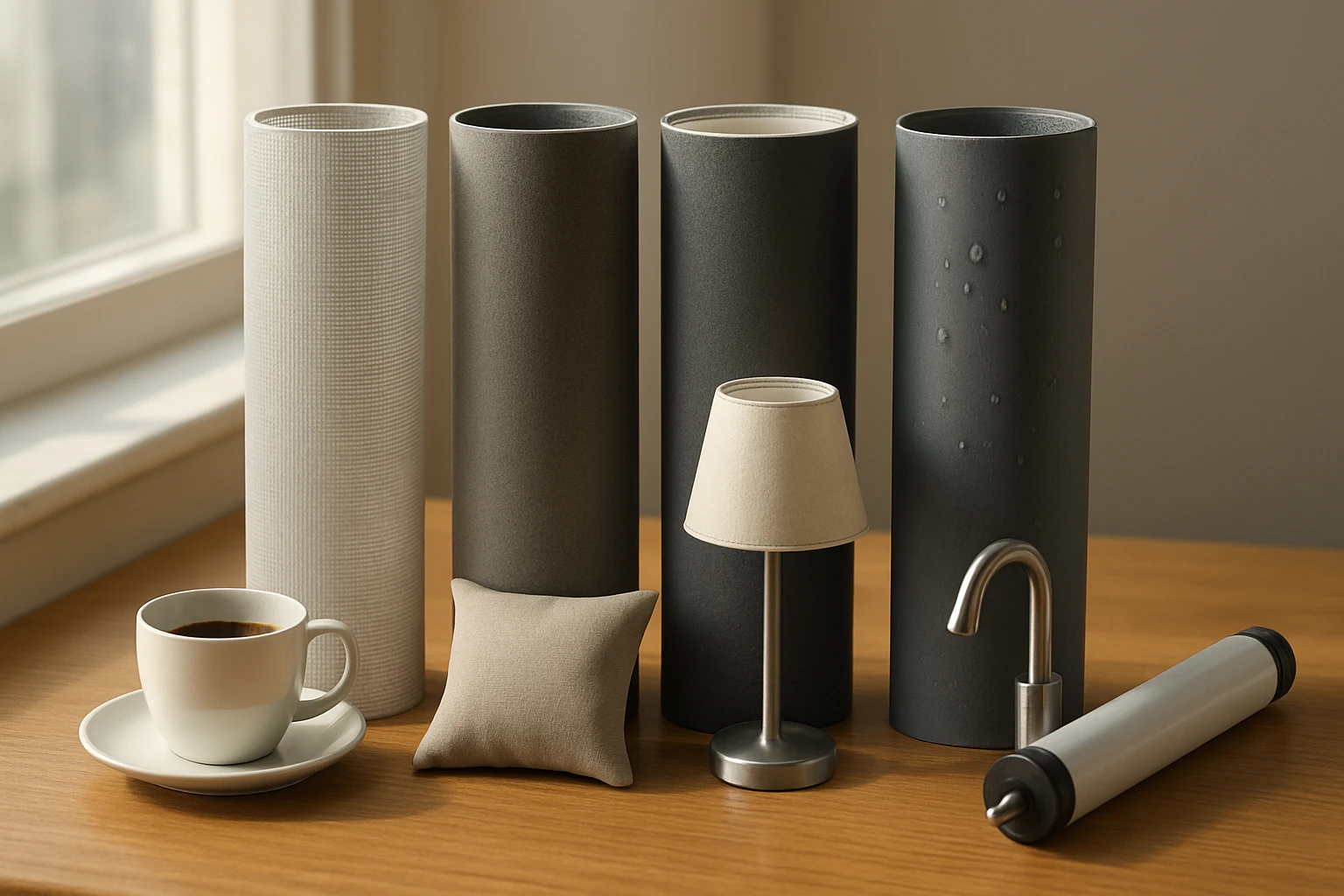
| Fabric Type | Typical Cost Range (AED per m2) | Best For |
|---|---|---|
| Sunscreen / Solar | 80 – 200 | Living rooms, offices with glare |
| Dimout Polyester | 90 – 250 | Lounges, dining rooms where privacy matters |
| Blackout Fabric | 120 – 350 | Bedrooms, media rooms |
| PVC / Waterproof | 100 – 300 | Bathrooms, kitchens, covered outdoor areas |
| Motorization Add-on | 600 – 1,800 per blind | High windows, child safety, smart homes |
Note: These ranges include standard headrail and basic installation. Extras like side channels, cassette housings, bespoke prints and heavy-duty outdoor fittings add to the price.
Roller Blinds Compared to Other Blind Types
A clear comparison helps when you are unsure which blind fits your needs. The table highlights typical differences.
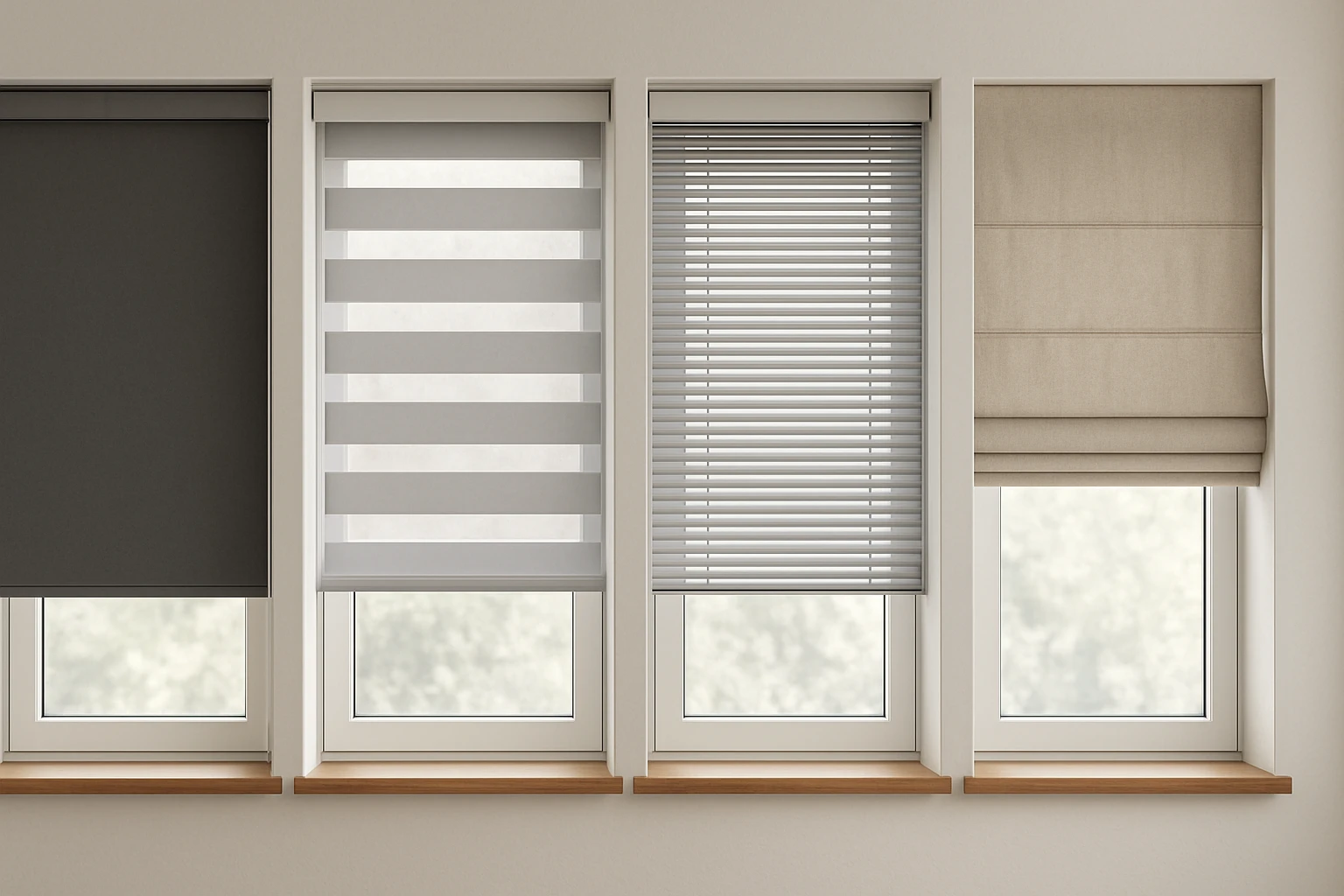
| Feature | Roller Blinds | Venetian Blinds | Roman Blinds | Zebra Blinds |
|---|---|---|---|---|
| Profile | Low | Medium | Medium-High | Low-Medium |
| Light Control | Depends on fabric | Accurate slat control | Soft folds, less precise | Variable with stripes |
| Privacy | High with blackout | High when closed | High | Good when closed |
| Cleaning | Easy | Dust-prone | Needs gentle care | Easy to wipe |
| Best Use | Modern rooms, tight spaces | Offices, adjustable light | Formal rooms, soft look | Living rooms, media rooms |
Link to related pages: Zebra Blinds, Venetian Blinds, Roman Blinds
Final Checklist Before You Buy
Make sure you have the following in writing or on your measurement sheet. Doing this saves time and returns later.
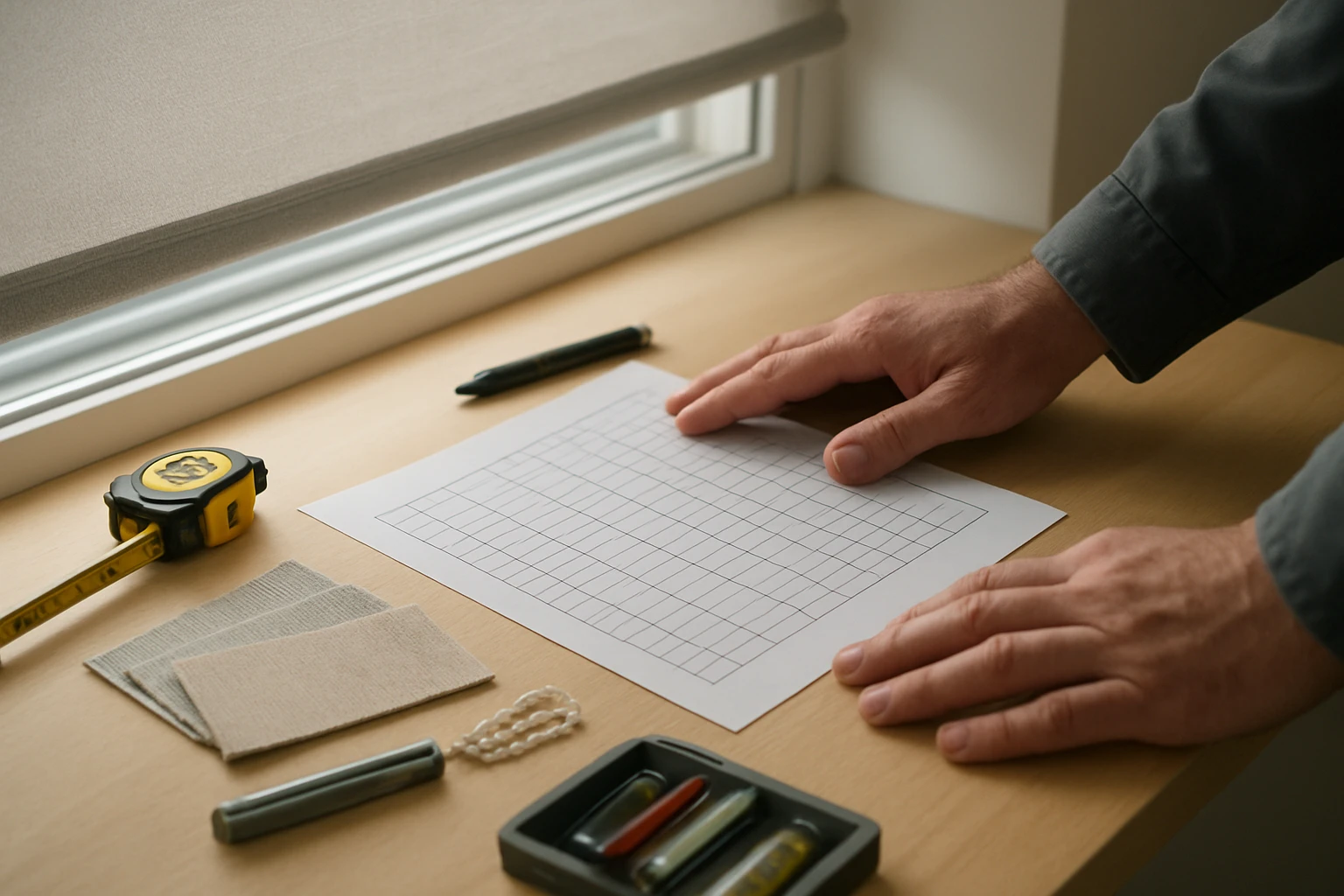
- Confirm Inside or Outside Mount choice and record exact measurements.
- Choose fabric with the right light control and moisture resistance for the room.
- Decide on controls: chain, cordless or motorized, and plan for power if needed.
- Ask for sample swatches in the room light before final ordering.
- Check warranty and service options for the headrail and motor.
If you want detailed step-by-step fitting and care for roller blinds, this practical article can help: Roller Blinds: Choose, Measure, Install and Care for Lasting Results
Quick Reference Table: Best Fabrics by Room
| Room | Recommended Fabric | Why |
|---|---|---|
| Bedroom | Blackout | Full darkness and privacy |
| Living Room | Sunscreen or Dimout | Daylight with glare control |
| Bathroom | PVC / Waterproof | Resists moisture and mold |
| Kitchen | Dimout or PVC | Easier to clean, less stain-prone |
| Patio | Outdoor Solar Fabric | UV-stable and allows airflow |
Where to Get Help
If you prefer professional advice, a supplier can measure, fit and show swatches in your room so you see how fabrics behave in your natural light. For a broad set of blind types and services, check the specialist pages such as Roller Blinds, Blackout Blinds and Motorized Blinds.
Frequently Asked Questions
What Is the Difference Between Sunscreen and Blackout Roller Blinds?
Sunscreen fabrics let daylight in while reducing glare and UV. They do not give full privacy at night when interior lights are on. Blackout fabrics block nearly all light and give full privacy, so they are best for bedrooms and media rooms.
Can I Install Roller Blinds Myself or Should I Get a Professional?
You can install many roller blinds yourself if you are confident with accurate measuring and basic drilling. For large windows, high or awkward placements, or motorized systems, a professional fitter is safer and often faster.
How Do I Measure for Inside Mount Roller Blinds?
Measure the window width at three points across the recess and use the smallest measurement so the blind fits. Measure the drop from the top of the recess to the sill. Also check the recess depth so the headrail clears the glass when rolled up.
Are Motorized Roller Blinds Worth the Extra Cost?
Motorized blinds cost more up front but add safety by removing cords, and they are convenient for high or hard-to-reach windows. They are often worth it for busy households, homes with children, or smart home setups.
Which Roller Blind Fabric Is Best for Bathrooms and Kitchens?
Choose PVC-coated or waterproof fabrics that resist moisture and wipe clean easily. These fabrics avoid mold and staining in humid or greasy environments and are easier to maintain than natural textiles.