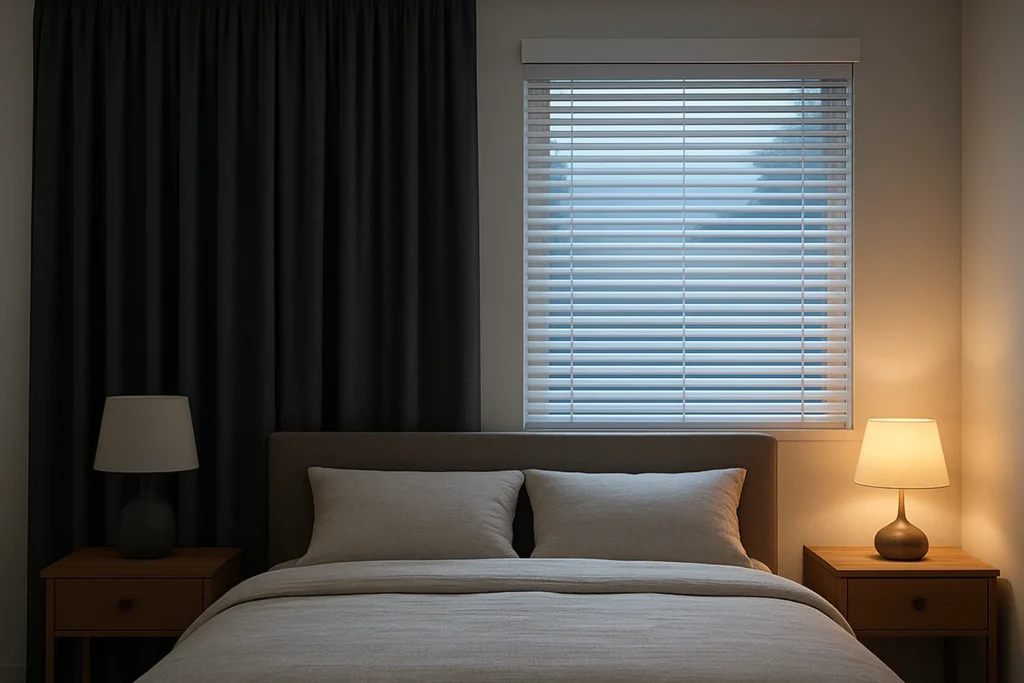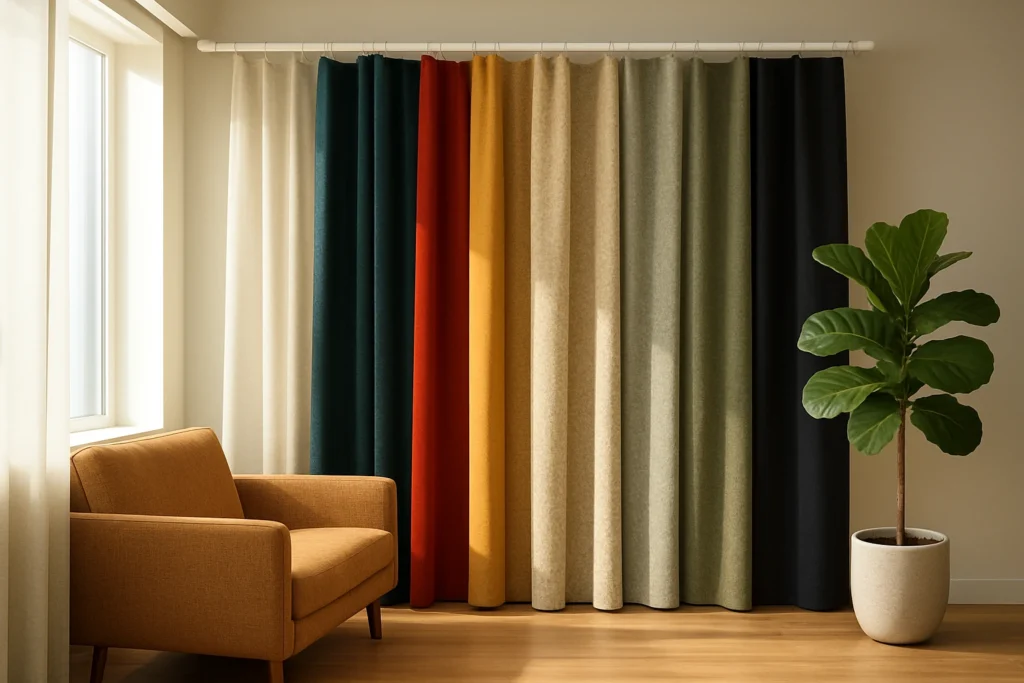
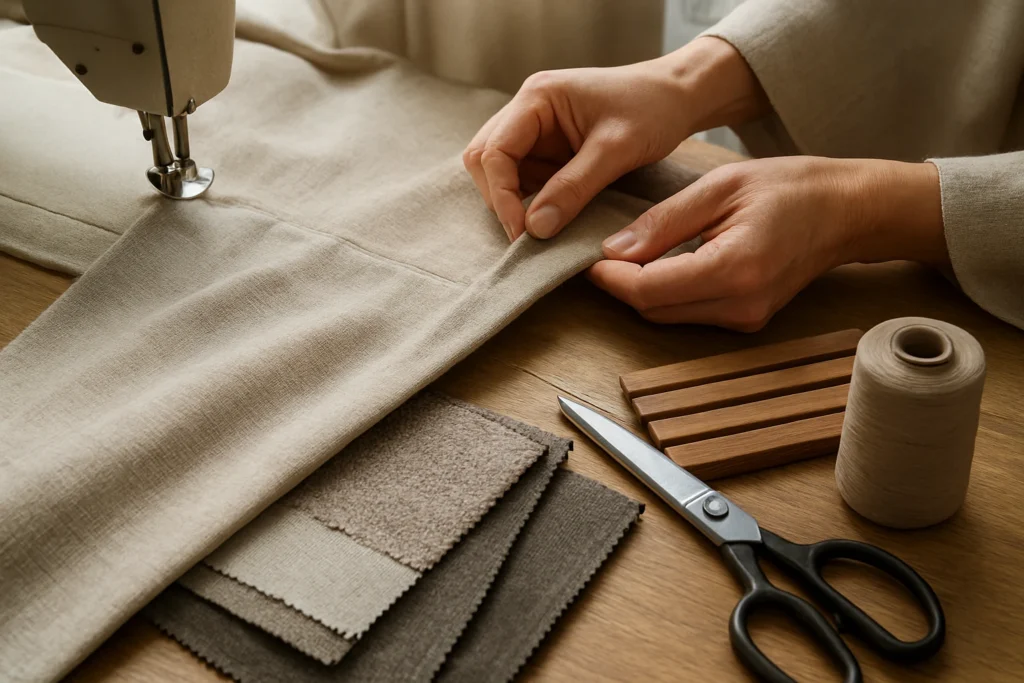
Curtains and blinds cost more than many people expect because several separate factors add up. Fabric and hardware prices, custom measuring and sewing, skilled installation, transport and showroom overhead all add to the bill. High end fabrics, automated controls and made to measure orders push the price up, and retailer markups plus warranty support add further margin.
Key Statistics
- Typical retail price ranges per window: ready-made curtains AED 50 to 350, custom curtains AED 350 to 1,500+, simple blinds AED 150 to 500.
- Typical cost breakdown for custom window treatments: materials 35 to 50 percent, manufacturing and labour 20 to 35 percent, retailer margin and overhead 20 to 40 percent.
In this article, Curtains and Blind explains the real reasons prices rise and how to make smart choices when you shop. I show the main cost drivers, provide comparison tables, and share practical ways to cut cost without losing quality.
Main Cost Drivers for Curtains and Blinds
The final price combines many parts that add up quickly. The retail price is not just for the fabric or slat. It also covers measuring, cutting, hemming, hardware, installation, warranty and the seller’s overhead. Many customers focus on the fabric and miss the hidden costs that follow.
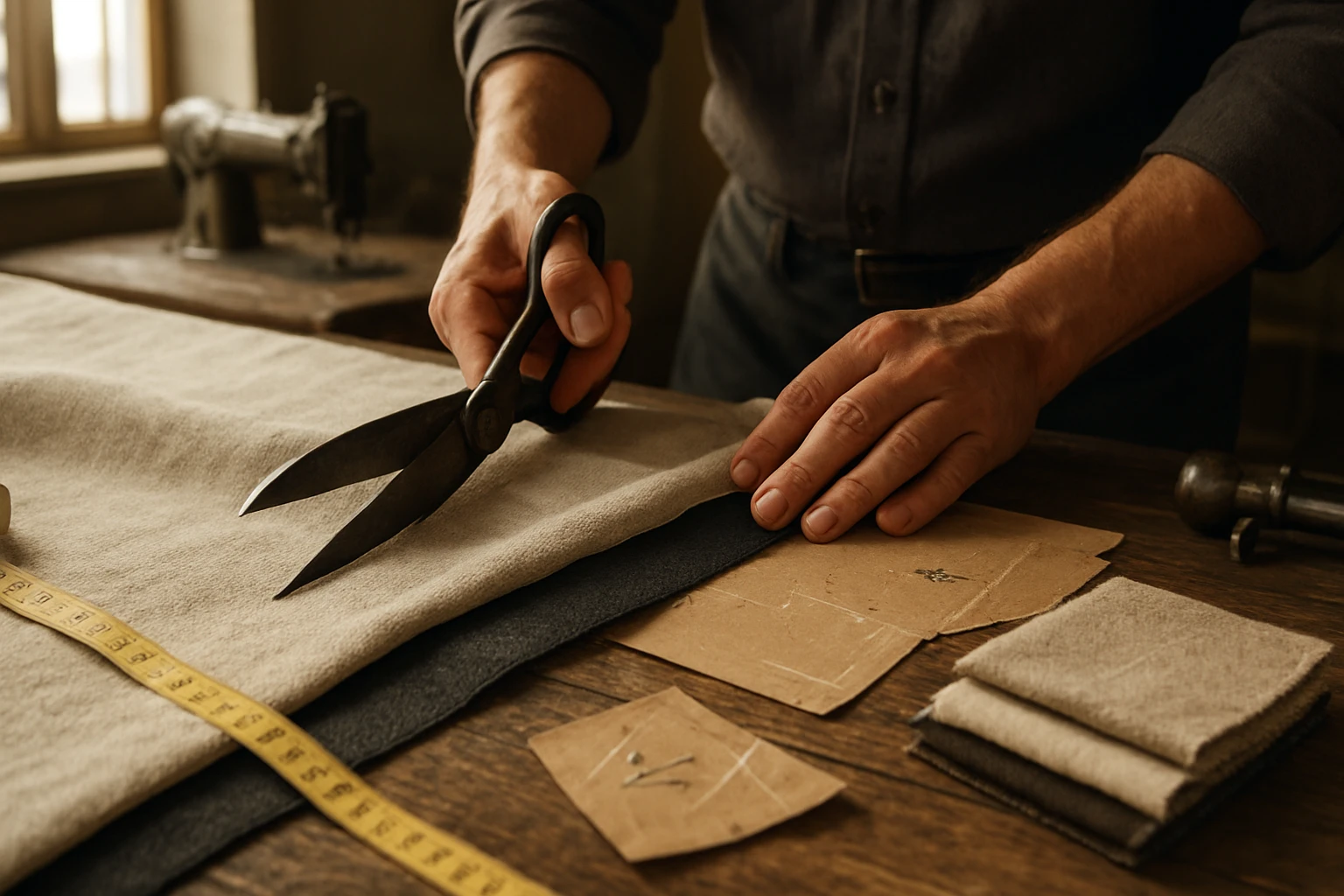
Materials and Fabric Costs
Choice of material is often the single biggest variable. Natural fibres like silk and linen cost more than polyester blends. Dense blackout linings add weight and expense because they use more fabric and need specialised stitching.

Natural Fabrics:
Silk and heavy linen look luxurious and last well when cared for, but they cost more per metre and need gentle handling.
Synthetic Fabrics:
Polyester and acrylic blends are cheaper and easier to clean, which lowers long-term cost though they may wear differently.
Lining and Interlining:
Blackout or thermal linings add material and sewing time. They raise the price but improve light control and insulation.
| Fabric Type | Typical Price Per Metre (Approx) | Benefits |
|---|---|---|
| Polyester Blend | AED 30 to 90 | Affordable, easy care |
| Linen | AED 150 to 300 | Breathable, natural look |
| Velvet | AED 40 to 200+ | Heavy drape, sound dampening |
| Silk | AED 100 to 150+ | High sheen, luxury feel |
| Blackout Lining | AED 50 to 120 | Blocks light, adds insulation |
Hardware and Track Systems
Good tracks, rails and brackets add visible cost. Motorised tracks are pricier because they include a motor, wiring or battery systems and a remote or smart controls.
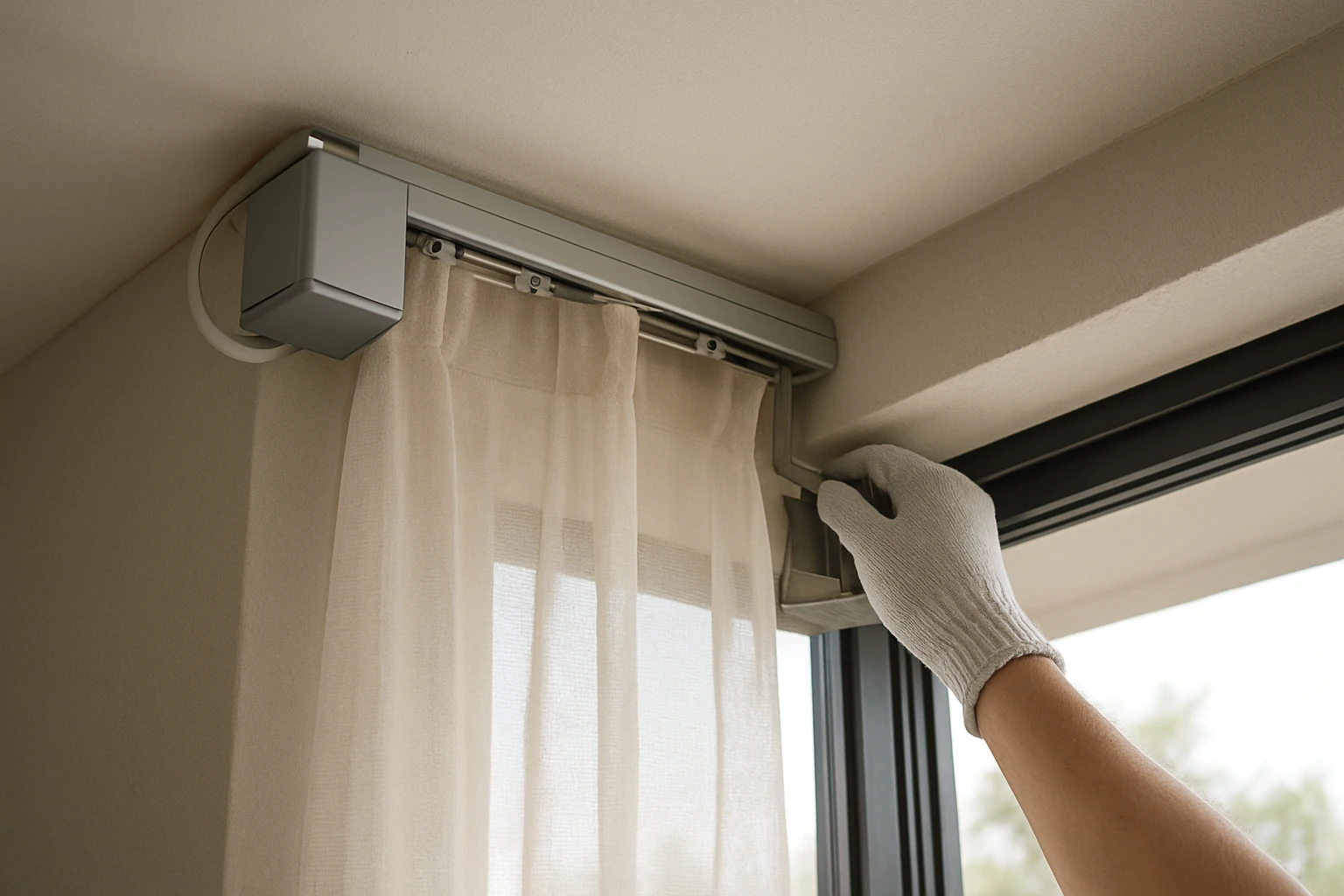
Headrail and Brackets:
Metal headrails and hidden carriers give smooth operation but cost more than simple poles.
Motorization:
Adding motors raises both product and fitting costs, and it often requires an electrician for hardwired systems.
Why Customization Raises Prices
Made to measure items demand more time and skill than off the shelf options. Every window is different and small errors in measurement or pattern matching can waste costly fabric.

Made-To-Measure Steps That Add Cost
Custom orders require precise measuring, cutting, sewing and often pattern alignment for stripes or florals. That work is done by skilled staff and can take days for a single order. That is why prices are higher than mass produced ready made options.
Measuring:
A professional measure reduces errors but adds a trip charge or a time cost.
Pattern Matching:
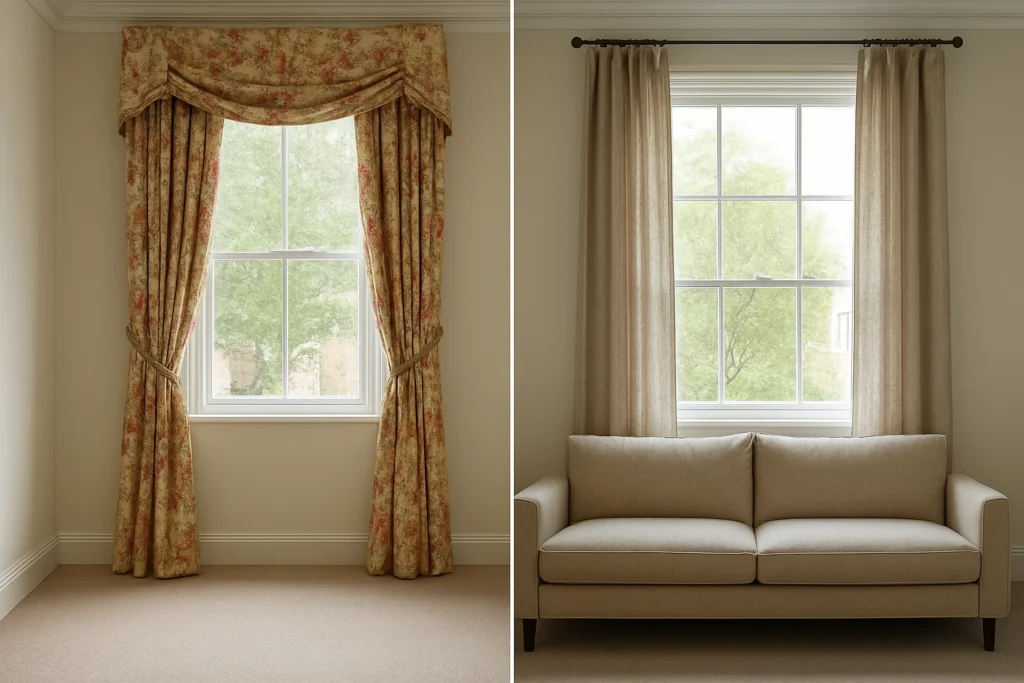
Matching patterns across panels uses more fabric and more time to sew, and sellers charge for that care.
Labour, Installation and Aftercare Costs
Labour covers tailoring, finishing and installing the product. Installation can be easy for a basic curtain rod, or complex when brackets go into dense brick, metal or plaster.
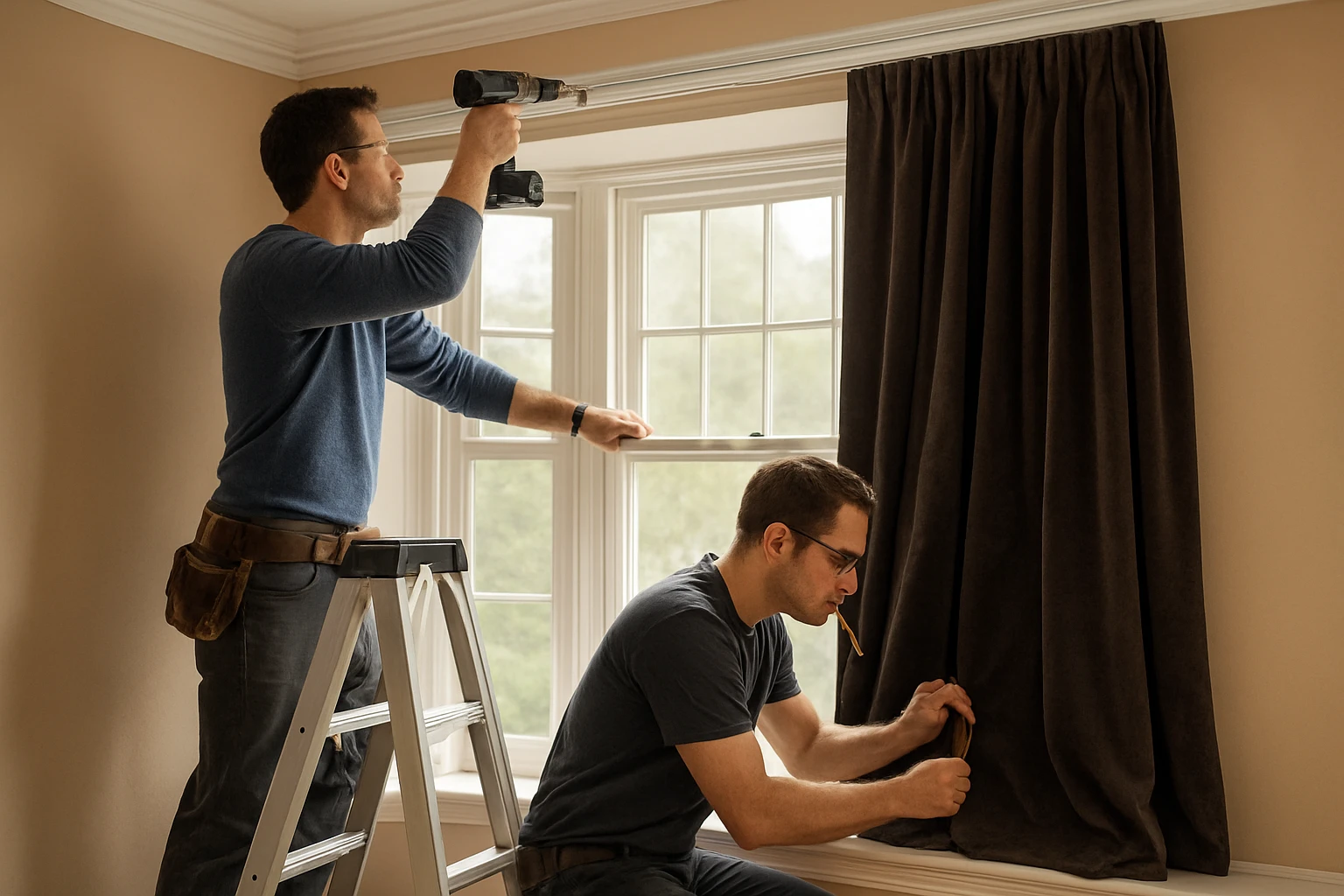
Installation Types and Typical Time
Simple rod hang: 30 to 60 minutes.
Complex track and motorised fit: 2 to 5 hours and may need an electrician.
Simple Install:
A standard rod and pre made curtain is the least expensive fit.
Complex Install:
Multiple panels, pelmets, or hard to reach windows require more time and safety gear and cost more.
Hardware, Mechanisms and Motorization
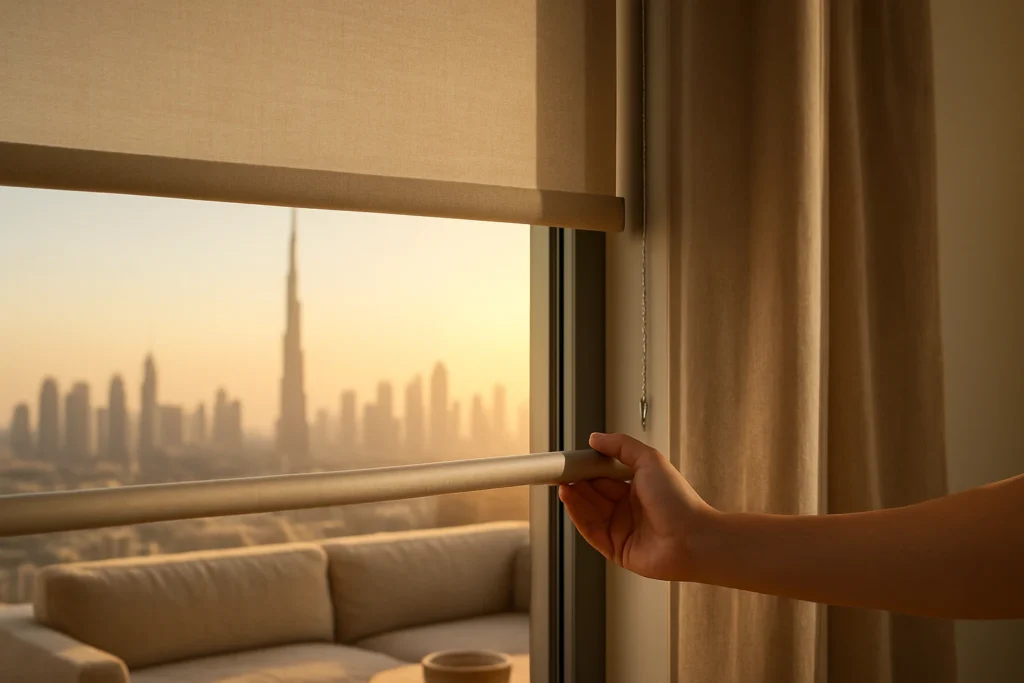
Mechanisms add function but also raise cost. Cordless and motorised blinds are safer and neater, and they come with a higher price tag.
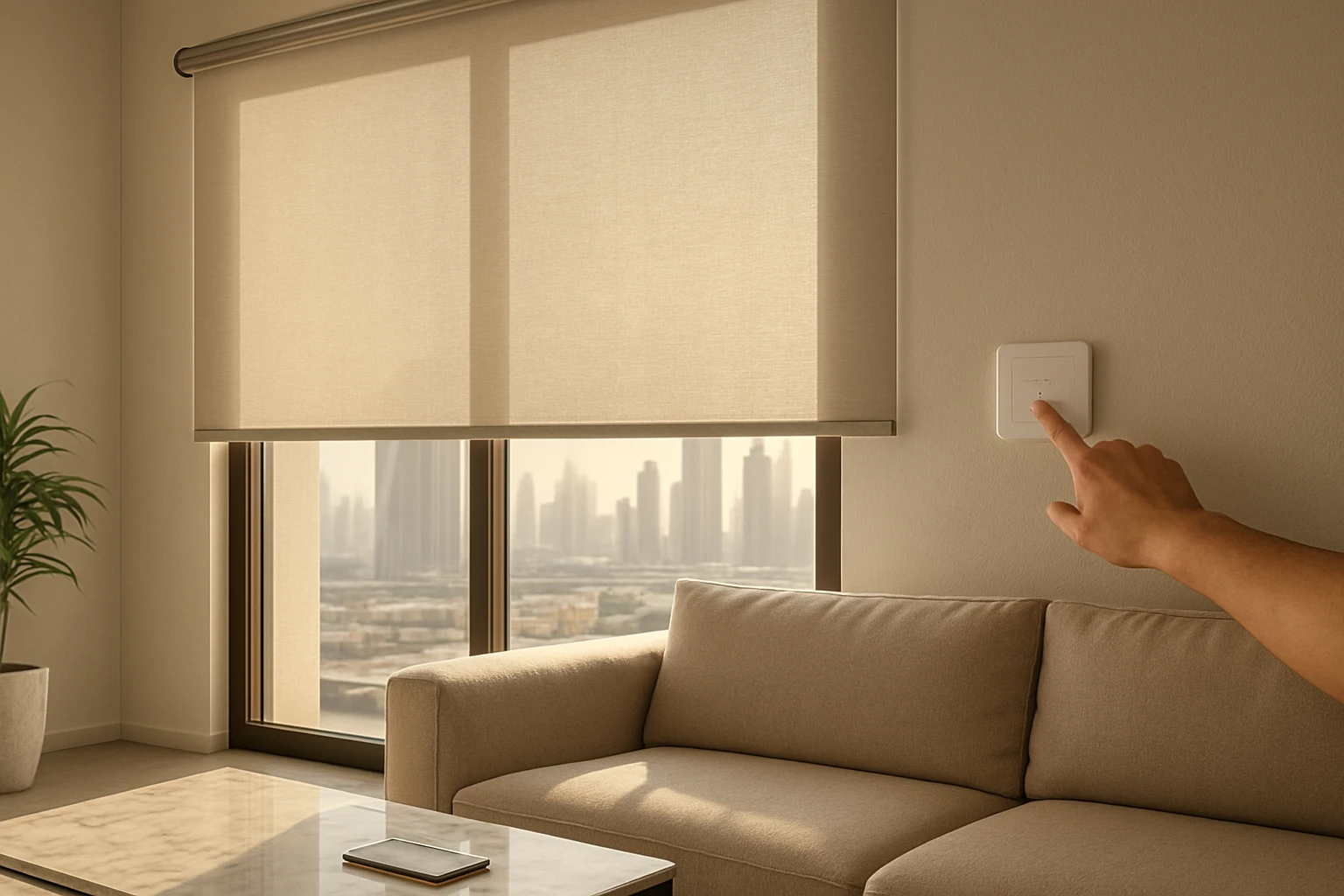
Motorized Systems and Long Term Value
Motorised blinds let you control light and privacy with a remote or phone, and they can fit into home automation. The upfront cost is higher, but they can add convenience, safety and sometimes property appeal. For more on motorised options see Are Motorized Blinds Worth It for Your Home.
Motor Control Types:
Battery, wired, or solar options change both convenience and installation cost.
Retail Markup, Showroom Costs and Warranty
Retailers set prices to cover showroom rent, staff, delivery fleet and warranty commitments. A physical shop costs money to run and stock safely, so those costs are passed to the buyer.

Why Retail Prices Look Higher
A showroom lets you see texture, colour and operation before you buy. That service and the risk a retailer takes with custom orders are part of the price.
Cost Comparison by Type
Different styles come with different price profiles. The table below shows broad retail ranges and quick notes so you can compare at a glance. Specific quotes depend on size, fabric and region.
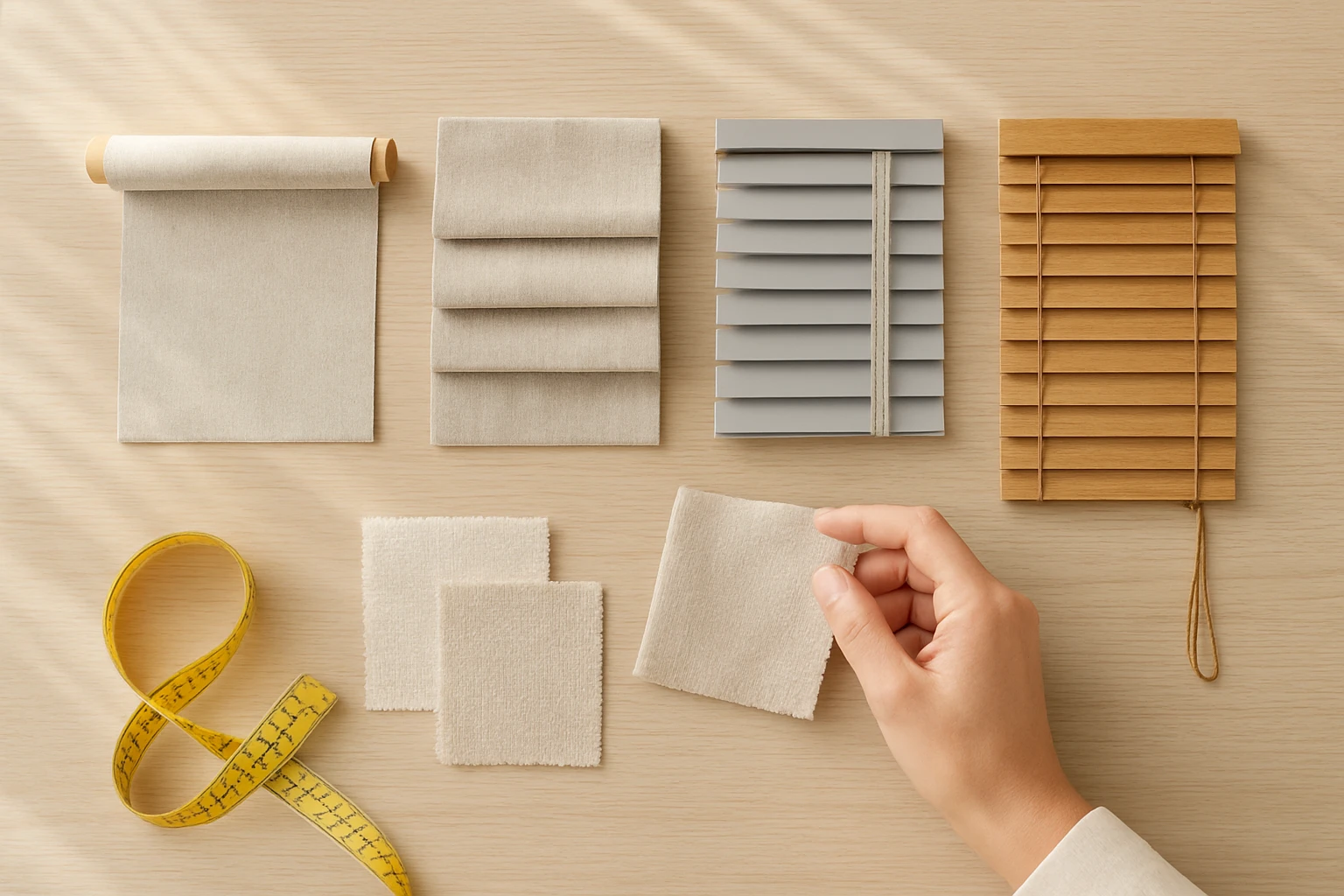
| Type | Typical Retail Range Per Window | Quick Notes |
|---|---|---|
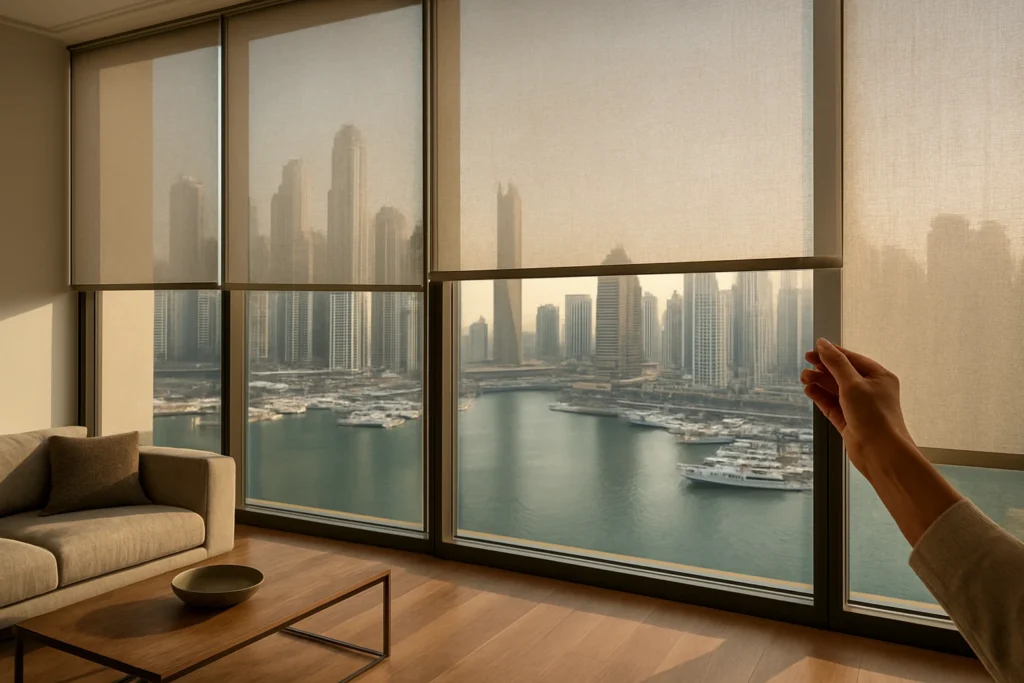
| Roller Blinds | AED 100 – 150 | Simple and cost effective, see Roller Blinds |
| Roman Blinds | AED 90 – 160 | Soft fold look, tailored, see Roman Blinds |
| Venetian Blinds | AED 200 – 350 | Metal or wood slats, see Venetian Blinds |
| Wooden Blinds | AED 250 – 350+ | Warm finish but pricier, see Wooden Blinds |
| Zebra Blinds | AED 220 – 400 | Layered shading, see Zebra Blinds |
| Vertical Blinds | AED 90 – 150 | Good for wide doors, see Vertical Blinds |
| Velvet Curtains | AED 40 – 200+ | Heavy, sound-dampening, see Velvet Curtains |
| Silk Curtains | AED 100 to 150+ | Luxury option, see Silk Curtains |
| Wave Curtains | AED 80 – 200 | Modern drape, see Wave curtains |
| Pinch Pleat Curtains | AED 50 – 200 | Custom hand pleats, see Pinch pleat curtains |
| Pencil Pleat Curtains | AED 80 – 170 | Classic look, see Pencil Pleat Curtains |
| Outdoor Blinds | AED 200 – 400 | Weather-rated options, see Outdoor Blinds |
| Theatre Curtains | AED 100 – 300 | Heavy stage-grade fabric, see Theatre Curtains |
| Soundproof Curtains | AED 150 – 280 | For noise reduction, see Soundproof Curtains |
For help choosing between curtains and blinds, see Blinds Vs Curtains: How to Choose the Right Window Covering.
Ways to Lower the Price Without Losing Quality
There are practical steps to reduce cost while keeping the look and function you want. Pick the right place in the process to save money so you do not cut where it matters.
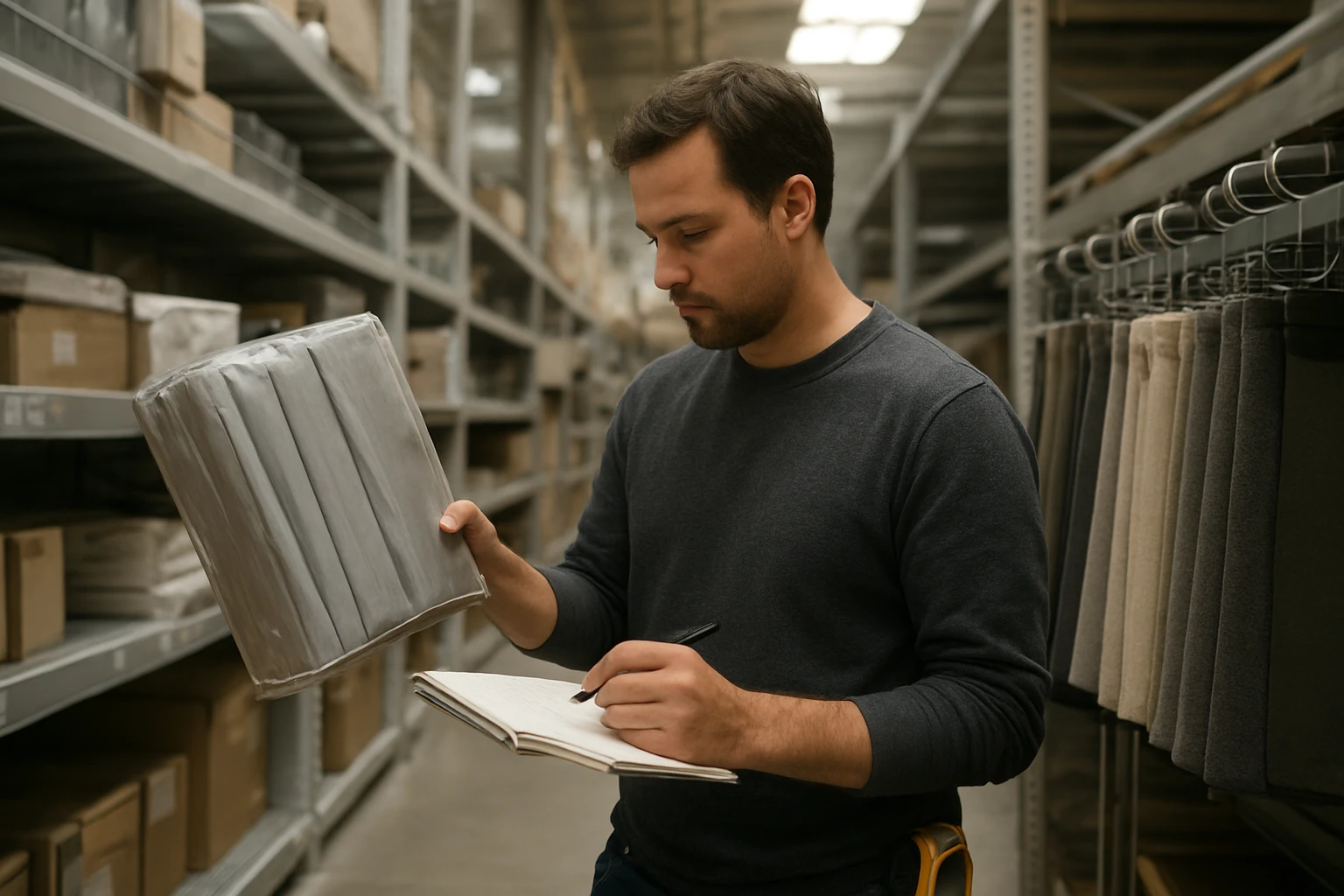
- Buy standard sizes when possible to avoid custom labour.
- Choose durable but lower cost fabrics like polyester blends for everyday rooms.
- Skip motorisation unless you need it, or choose battery options to avoid wiring costs.
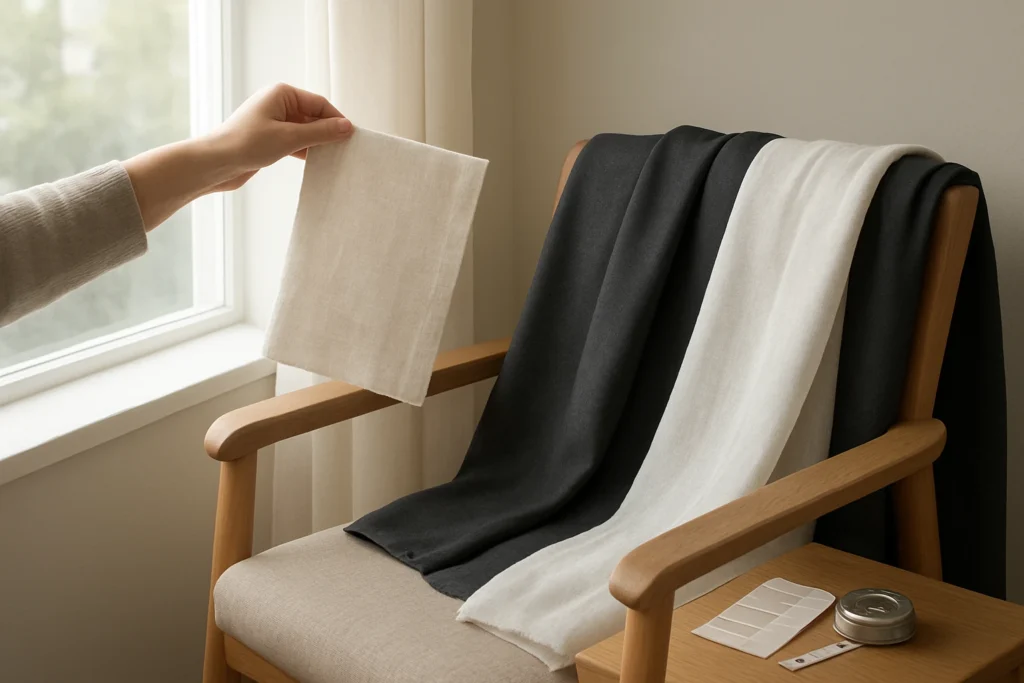
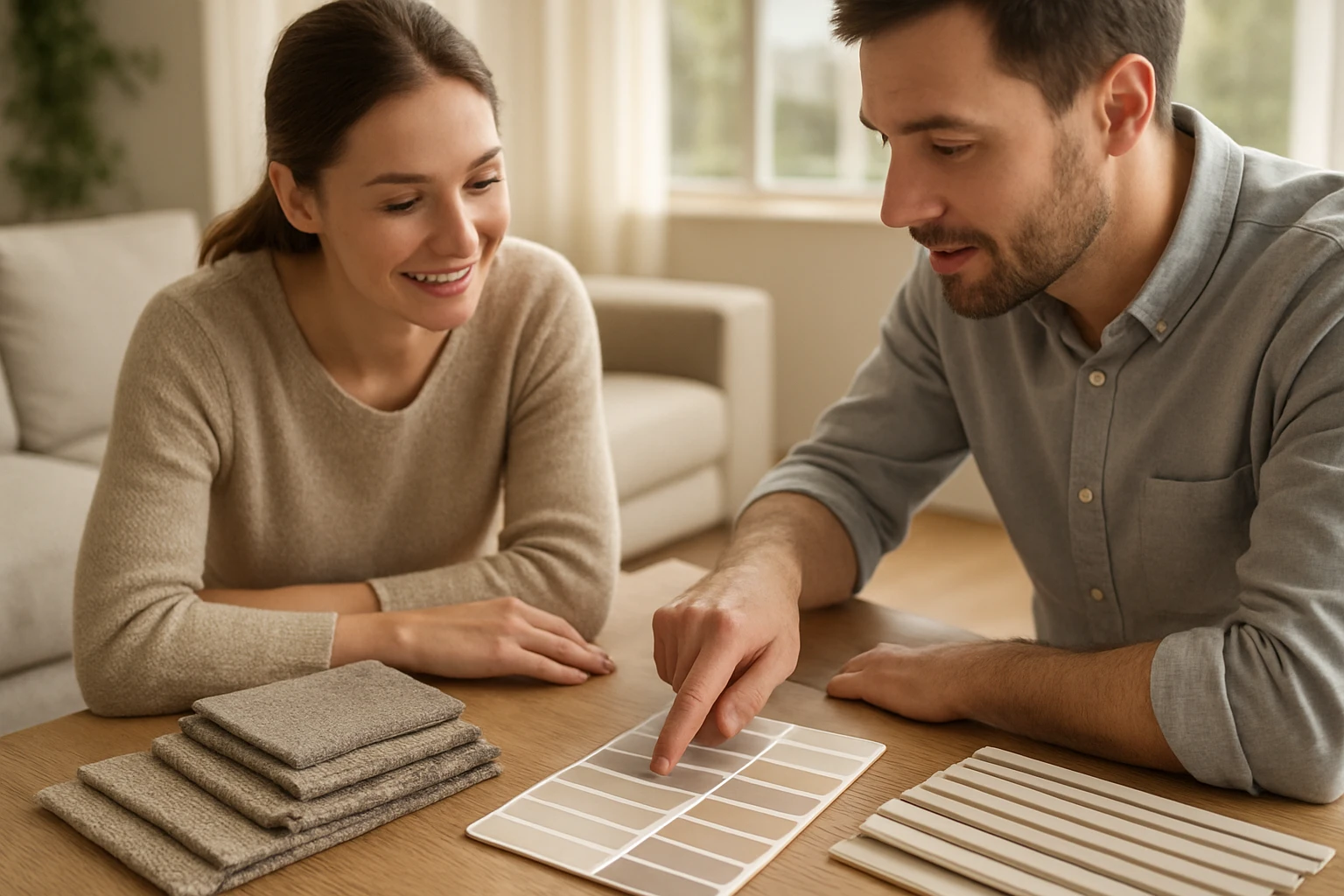
- Order samples first to avoid returns that cost both time and money.
For local and online buying tips, read Where to Buy Curtains Near You and Online.
When Higher Cost Is Worth It
Some investments pay off over time. Heavy fabrics and good hardware last longer, reduce noise and improve insulation, and custom solutions fit better and look more refined.
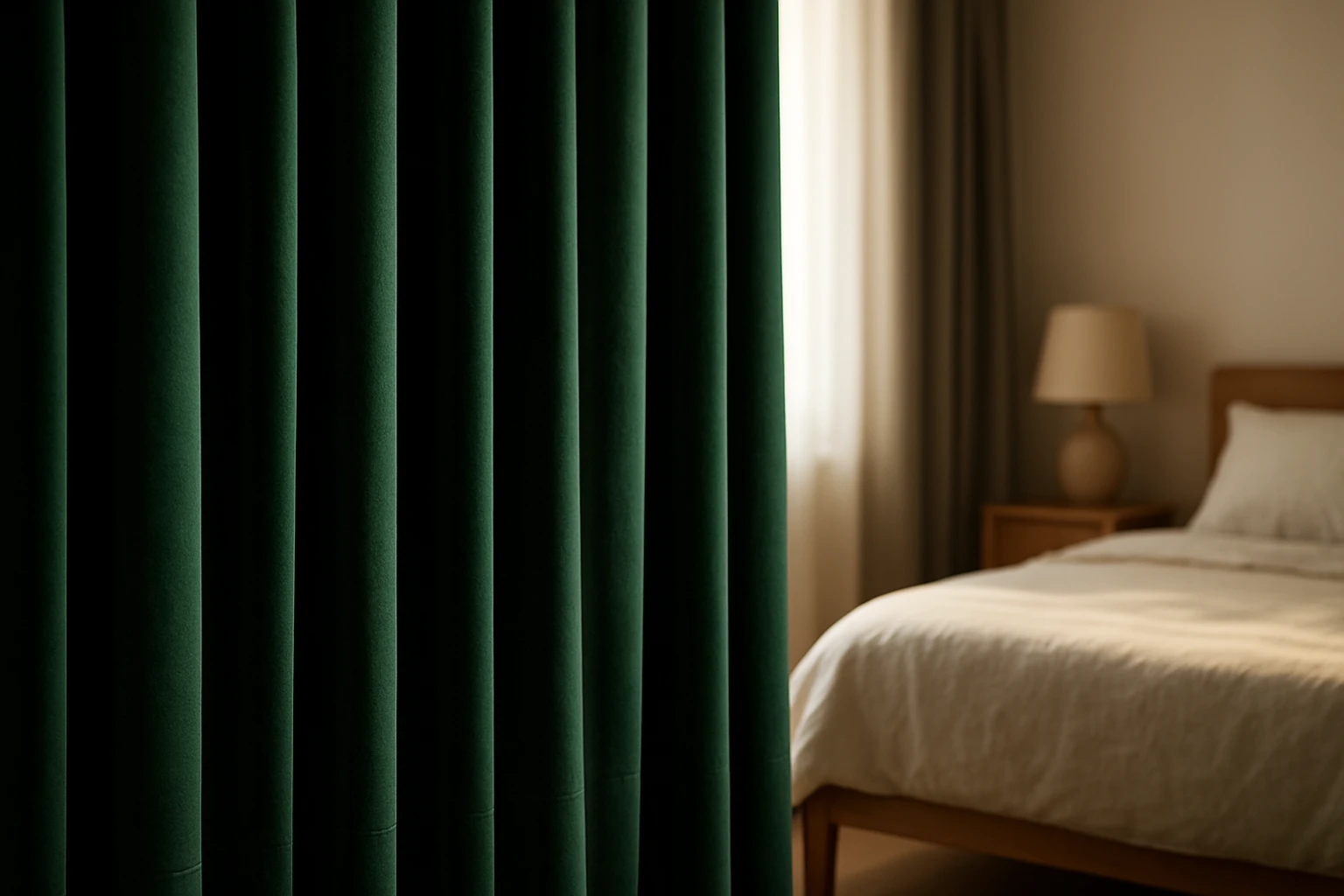
Consider spending more when you want improved sleep, better sound control or a statement look. Options like Soundproof Curtains, Velvet Curtains, Theatre Curtains or Silk Curtains are investments if those goals matter to you.
Common Pricing Mistakes and How to Avoid Them
A common mistake is choosing the cheapest item and then paying more later for repairs or replacement. Another is relying on poor measurements that cause reorders. From experience, a careful measure and a small extra spend on quality save time and money later.
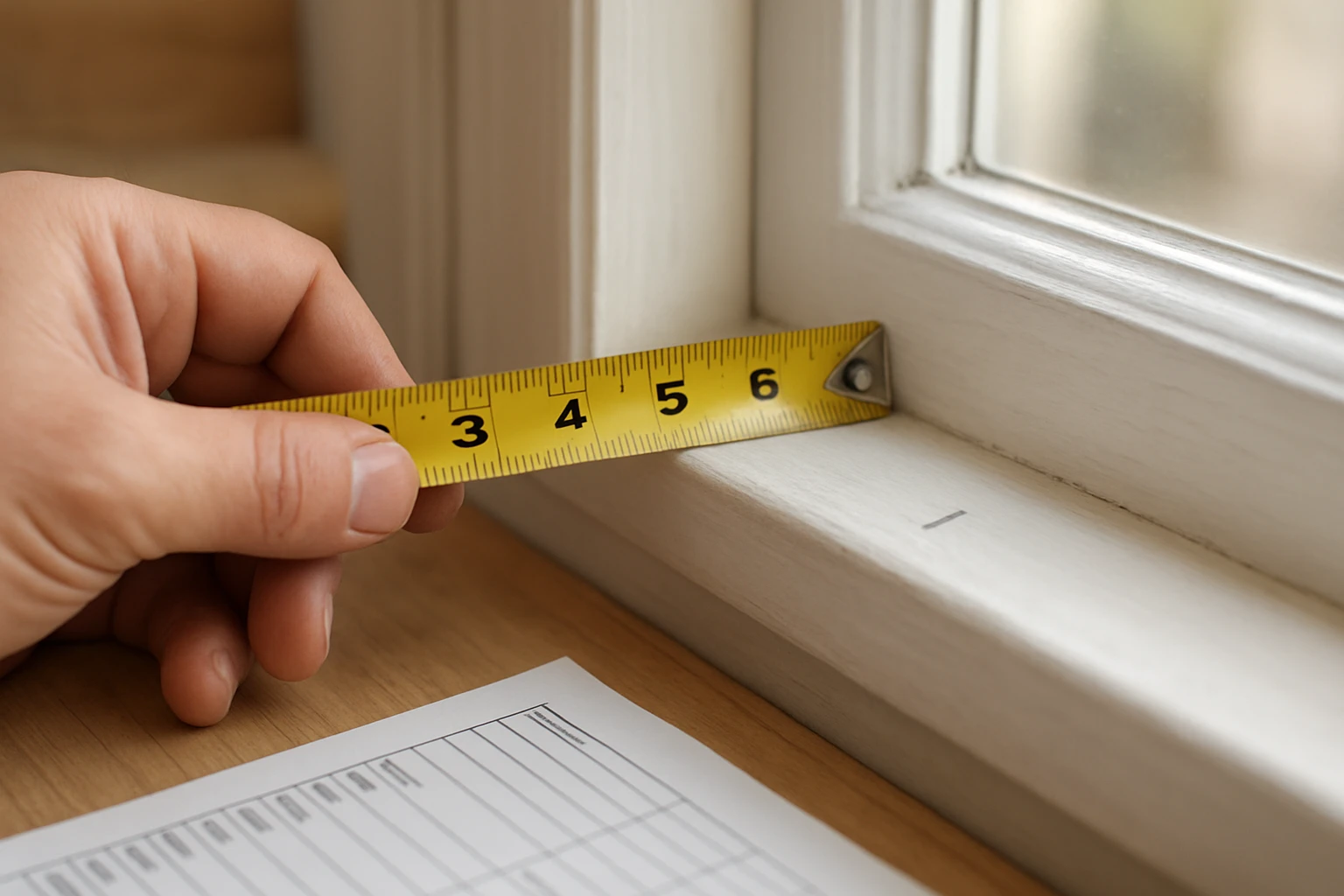
- Always get a professional measure for large or complex windows.
- Ask about warranty and what it covers.
- Compare total installed price, not just product price.
Final Buying Checklist
Use this short checklist when you shop or get quotes. It keeps cost factors clear and helps you compare quotes fairly.

| Item | Yes/No | Notes |
|---|---|---|
| Professional measure included | ||
| Installation included | ||
| Warranty length and cover | ||
| Motorization included | ||
| Fabric samples viewed in room light |
If you plan to hang curtains yourself, the guide How to Hang Curtains: Measure, Mount, and Perfect the Fit explains safe measuring and fitting steps.
Thank you for reading. With a clear view of cost drivers you can choose the option that fits your budget and needs while avoiding surprise charges.
Frequently Asked Questions
Why Do Custom Curtains Cost So Much More Than Ready-made Ones?
Custom curtains need a professional measure, pattern cutting and skilled sewing. That labour takes time and can use more fabric for pattern matching, so the maker charges more than mass-produced ready-made items.
Are Motorized Blinds Worth the Extra Cost?
Motorized blinds add convenience, safety and a clean look, and they often last well. They are worth the cost if you use hard-to-reach windows, want smart-home control, or value the convenience. For a detailed look see the linked article on motorized blinds.
How Much Can I Expect to Save by Choosing Synthetic Fabrics?
Switching to polyester blends typically lowers fabric cost and care expenses. Savings vary, but choosing blends over silk or velvet can reduce fabric cost by a wide margin while keeping a good look.
Will Buying from a Showroom Always Cost More Than Online?
Showrooms have higher overhead, which affects price. But a showroom lets you see colour and texture in real light and often includes measure and fit services. Online can be cheaper for standard sizes, but custom work still usually needs a local fitter.
What Is the Cheapest Way to Cover Large Patio Doors?
Vertical blinds or simple roller blinds are usually the most cost effective for wide openings, and they offer good light control with lower hardware and installation cost than heavy tailored curtains.