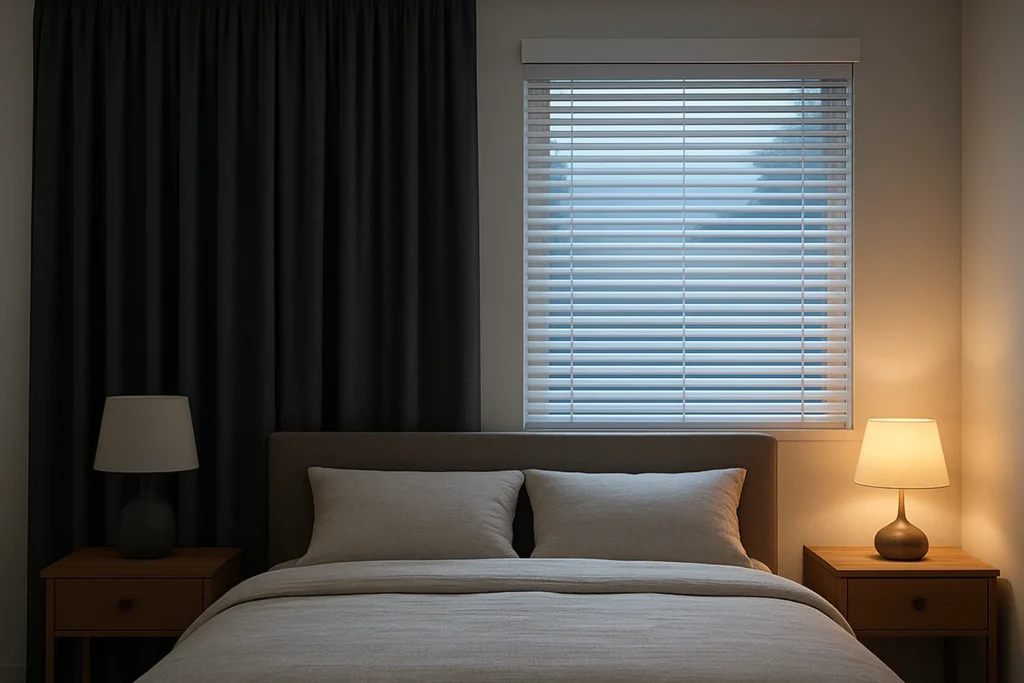
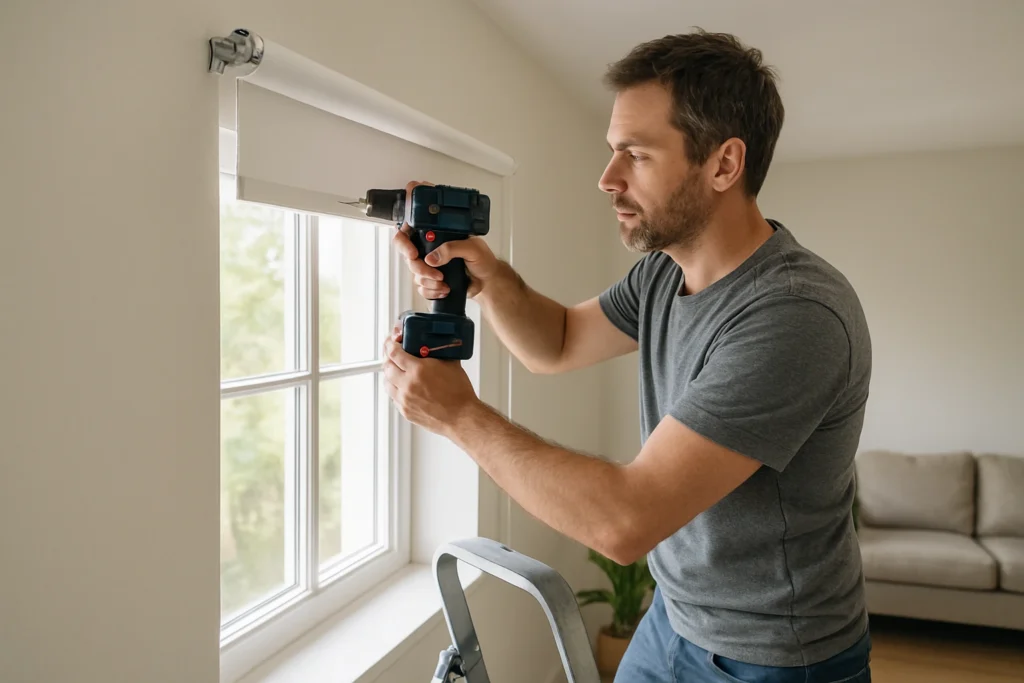
You can fit most standard blinds yourself in under 20 minutes if you have the right tools, take accurate measurements, and follow a simple order: choose an inside or outside mount, mark and drill the brackets, snap the blind into place, and test it. With steady work and the checklist below, a single window install is quick and safe.

Why You Can Finish a Blind Install in Under 20 Minutes
Installing one blind is a short job when you have the right tools, clear measurements, and a simple plan. A common mistake is starting without checking the window type and bracket fit. That wastes time and often causes rework. A steady DIYer can usually fit a single roller or Venetian blind in under 20 minutes once measurements are done and the parts match the window.

Tools and Materials You Need
Before you start, lay out everything so you do not run back and forth. A simple checklist helps keep the job under 20 minutes and avoids surprises.
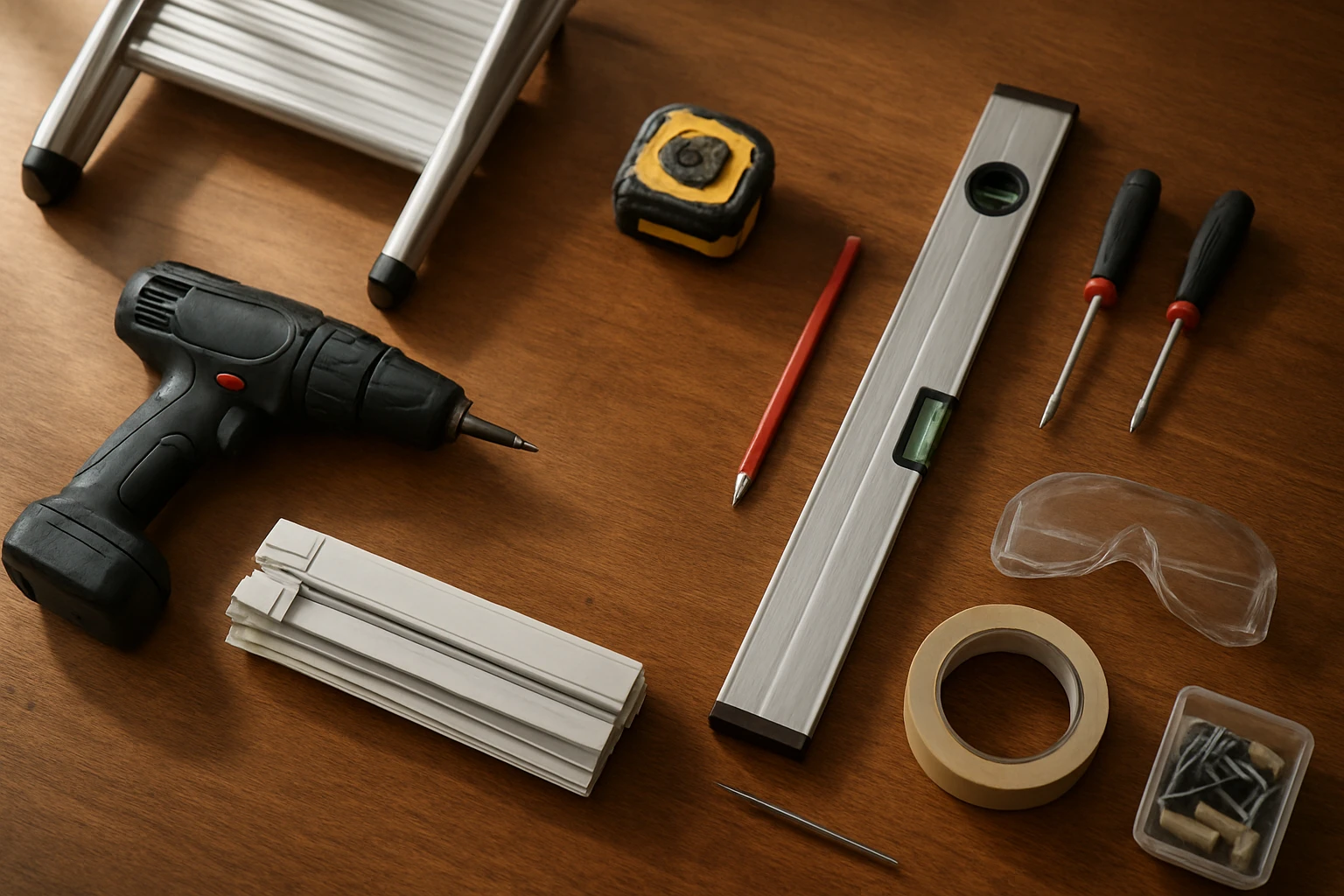
Tool Checklist:
- Cordless drill with screw bits
- Tape measure and pencil
- Spirit level or laser level
- Small flathead and Phillips screwdrivers
- Masking tape (for marking) and a small ladder or step stool
- Brackets and screws supplied with the blind
- Wall plugs if fitting to masonry
Materials Checklist:
- The blind (confirm headrail and fittings) [link to relevant type below]
- End caps, cord cleat, and safety devices
- Spare screws and small washers
Quick Measurements Before You Start
Measure carefully once and then proceed. For most DIY installs, two measurements are enough: the window width and the mounting depth. Write them down and double check.
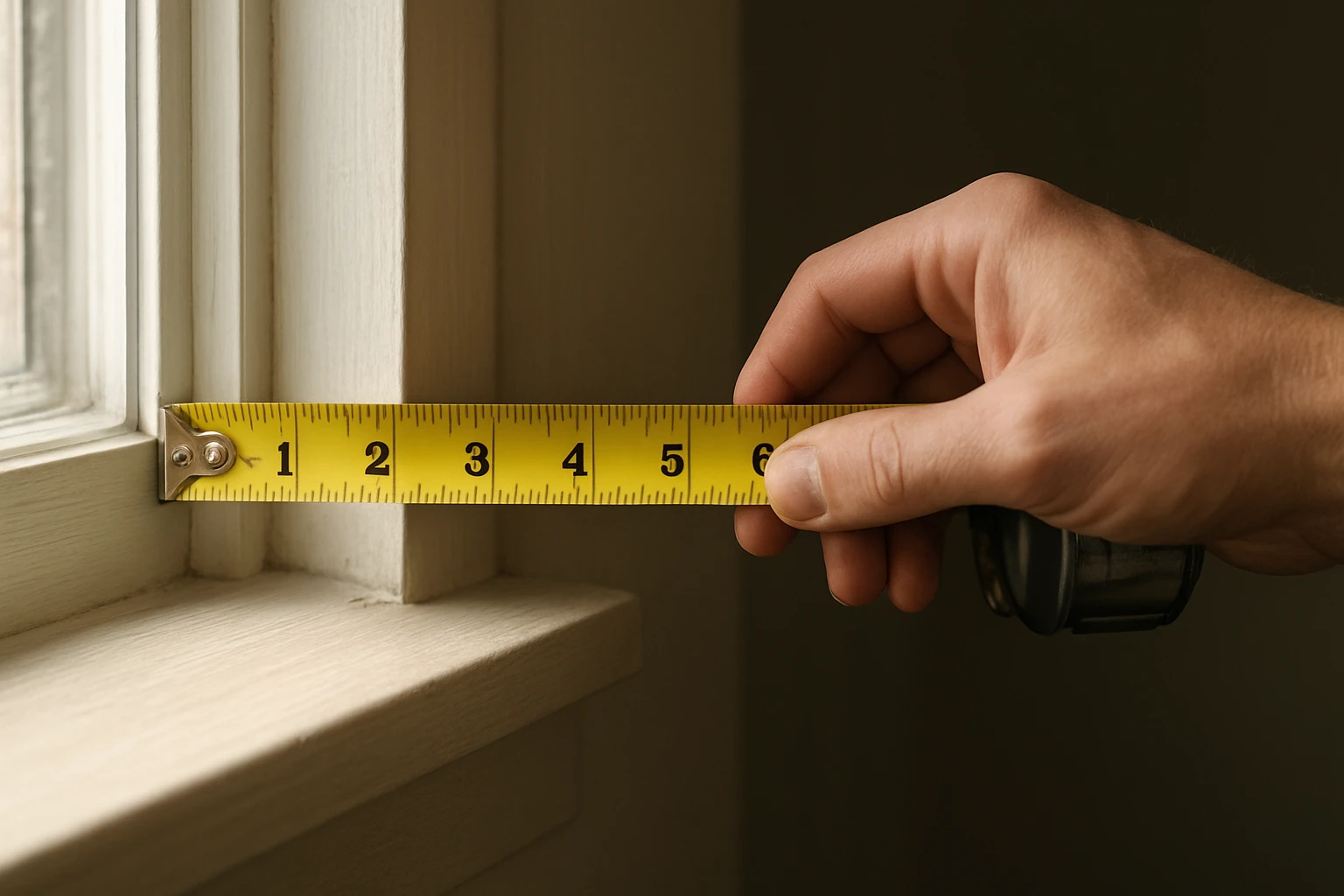
Inside Mount Versus Outside Mount:
- Inside Mount: Measure the exact width inside the window recess. Choose this for a clean, fitted look.
- Outside Mount: Measure the area you want to cover, adding 25 to 50 mm on each side for better light control and privacy. Use this when the recess is shallow or you want overlap.
Estimated Time and Difficulty by Blind Type
The table below gives practical, experience-based time estimates for a single window. Times assume you have the right tools and have already measured.
| Blind Type | Typical DIY Time (Single Window) | Skill Level |
|---|---|---|
| Roller Blinds | 10 to 20 minutes | Easy |
| Venetian Blinds | 15 to 30 minutes | Moderate |
| Roman Blinds | 20 to 35 minutes | Moderate |
| Vertical Blinds | 20 to 30 minutes | Moderate |
| Wooden Blinds | 20 to 40 minutes | Moderate to Hard |
| Motorized Blinds | 30 to 60 minutes | Advanced |
Note: These are practical estimates from installers and experienced DIYers. Times will vary if the wall is concrete, the bracket locations are uneven, or wiring is required.
Step by Step: Install Blinds in Under 20 Minutes
Follow the order below and work steadily. Stop only to check measurements, and fit parts in the listed sequence.
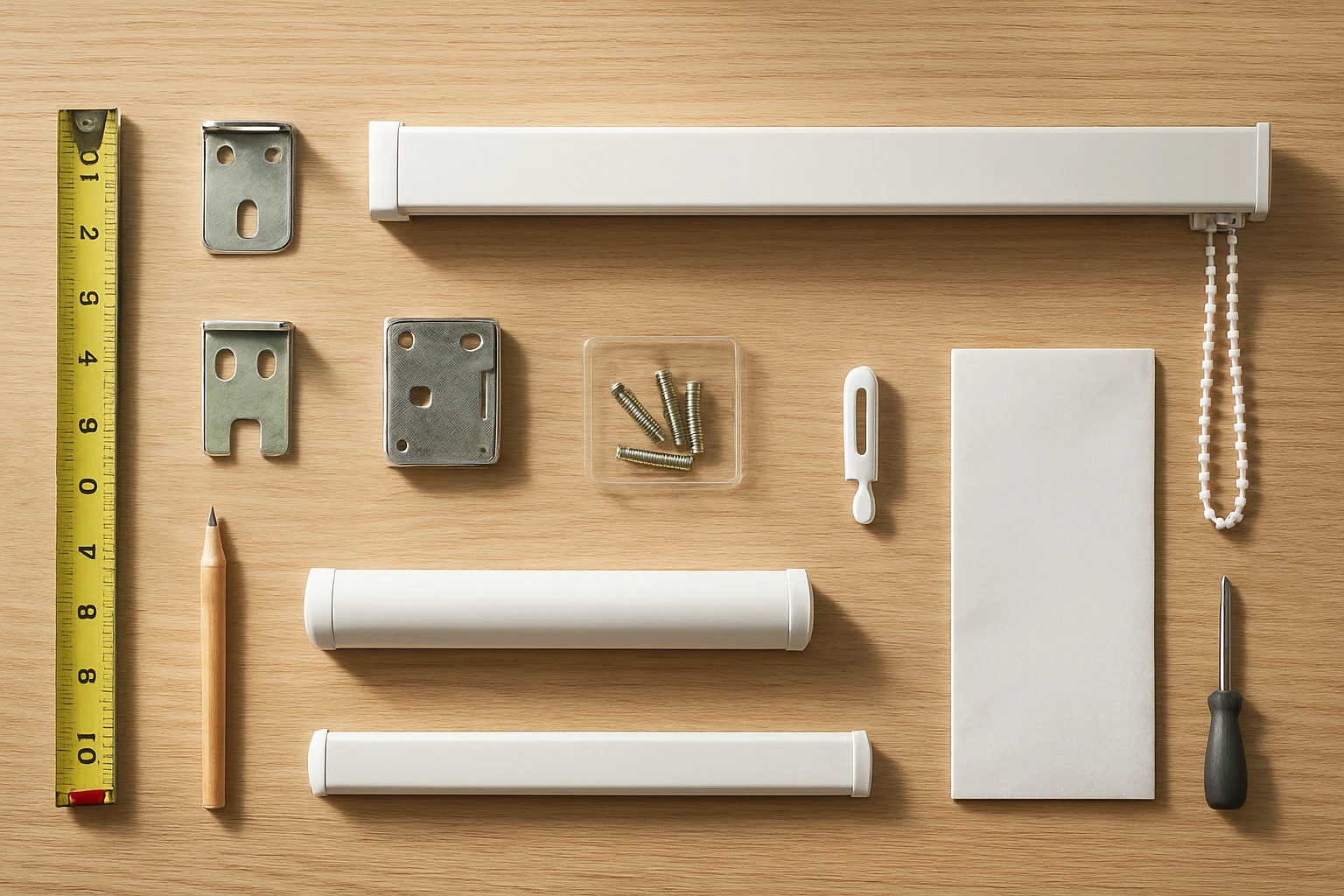
1. Prepare the Headrail and Brackets
Unpack the blind and check that the headrail and brackets match. Read the quick instruction sheet and set the bracket orientation for an inside or outside mount.
2. Mark Bracket Positions and Drill Brackets
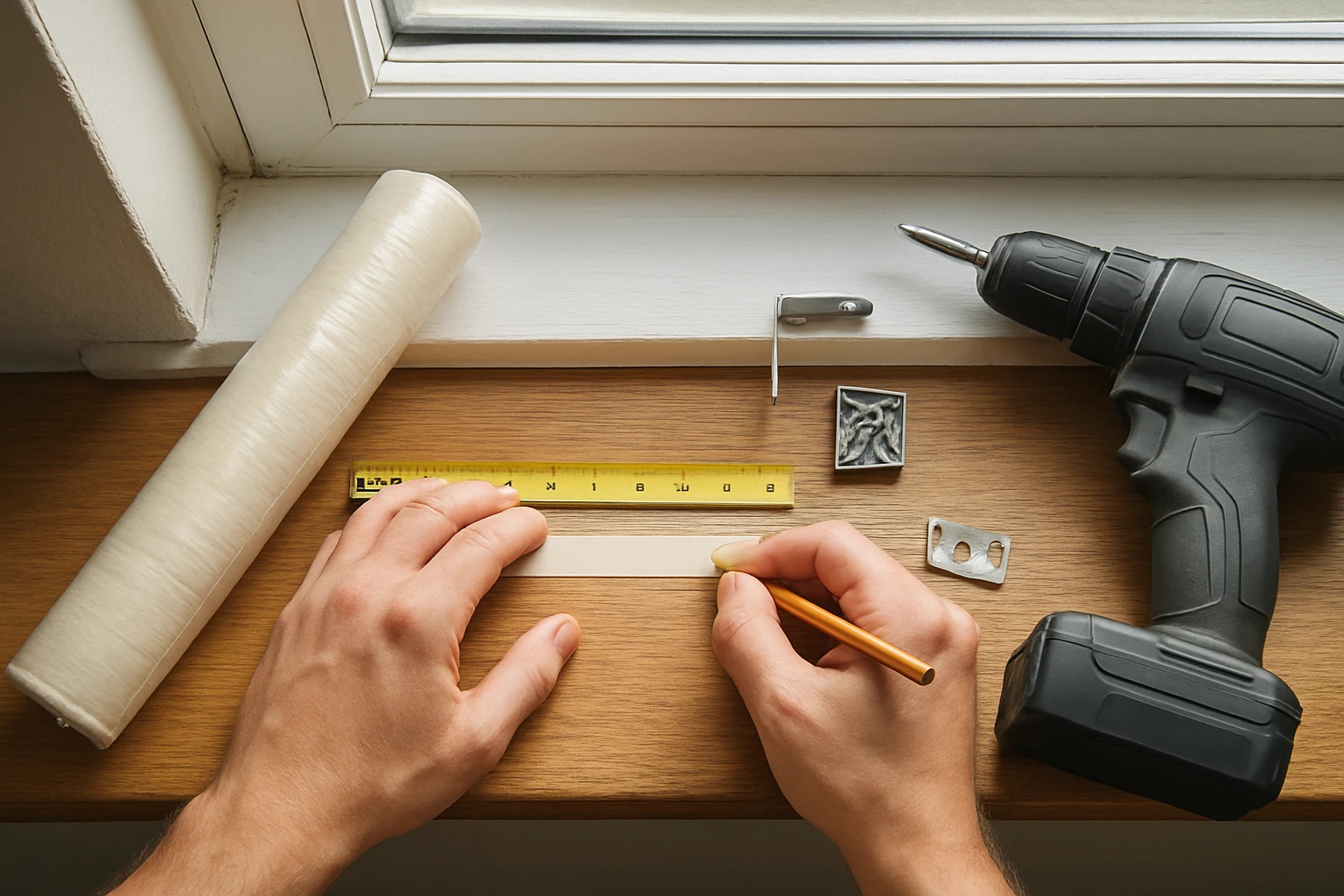
Mark the bracket positions at the chosen height and make sure they are level. Use a pencil and masking tape to keep the marks visible and avoid marring the paint.
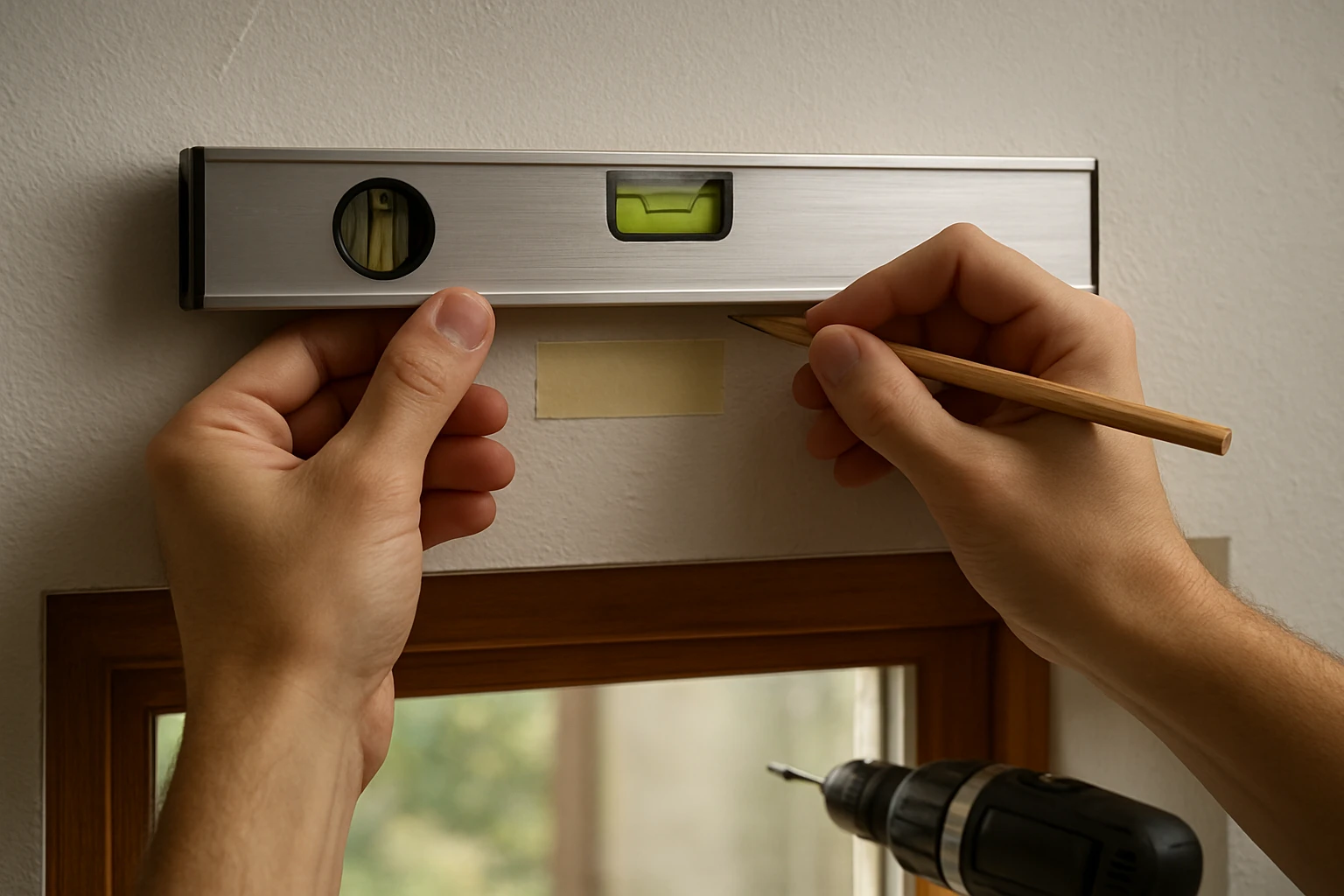
Quick Drilling Tips:
- For timber frames, use screws directly.
- For plaster or masonry, drill pilot holes and fit appropriate wall plugs.
- Keep the drill steady and use a low speed for neat holes.
3. Attach Brackets to Frame or Wall
Screw the brackets in, leaving the headrail area clear so you can seat the blind easily. Tighten screws until secure, but do not overtighten into soft wood.
4. Snap or Slide the Headrail into Place
Most modern blinds snap into the brackets. Tilt the headrail in at one end, then press the other end down until it locks. Check the manual for spring-loaded clips if present.
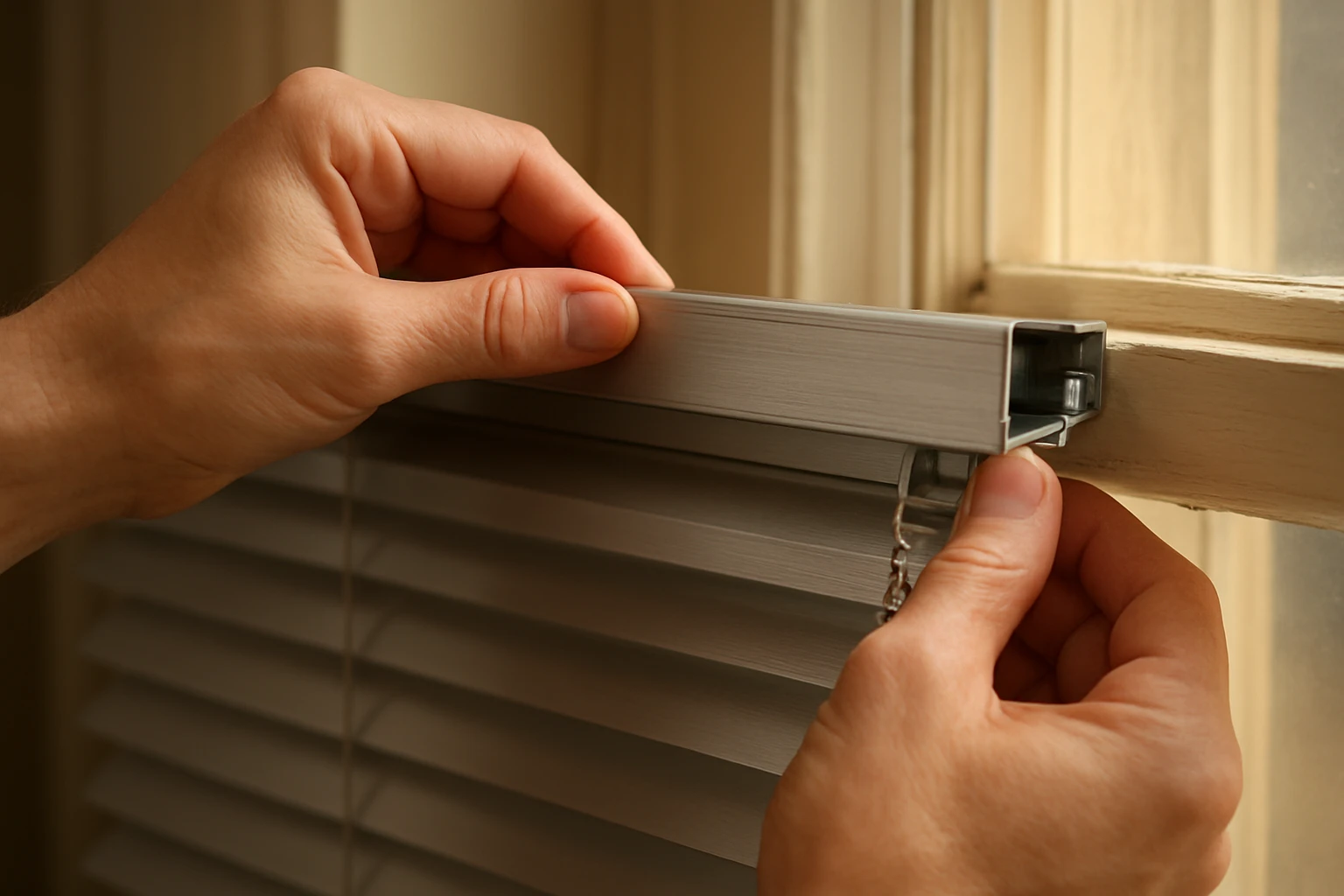
5. Fit Bottom Bar, Controls and Safety Devices
Attach any bottom bar or slat, fit the control chain or cord, and mount the safety cleat high on the frame. Test the blind up and down a few times and make small adjustments if needed.
6. Final Test and Neat Up
Make sure the blind runs smoothly and sits square. Remove pencil marks and secure loose cords to the cleat.
Common Problems and How to Fix Them
Here are quick fixes that save time without starting over.
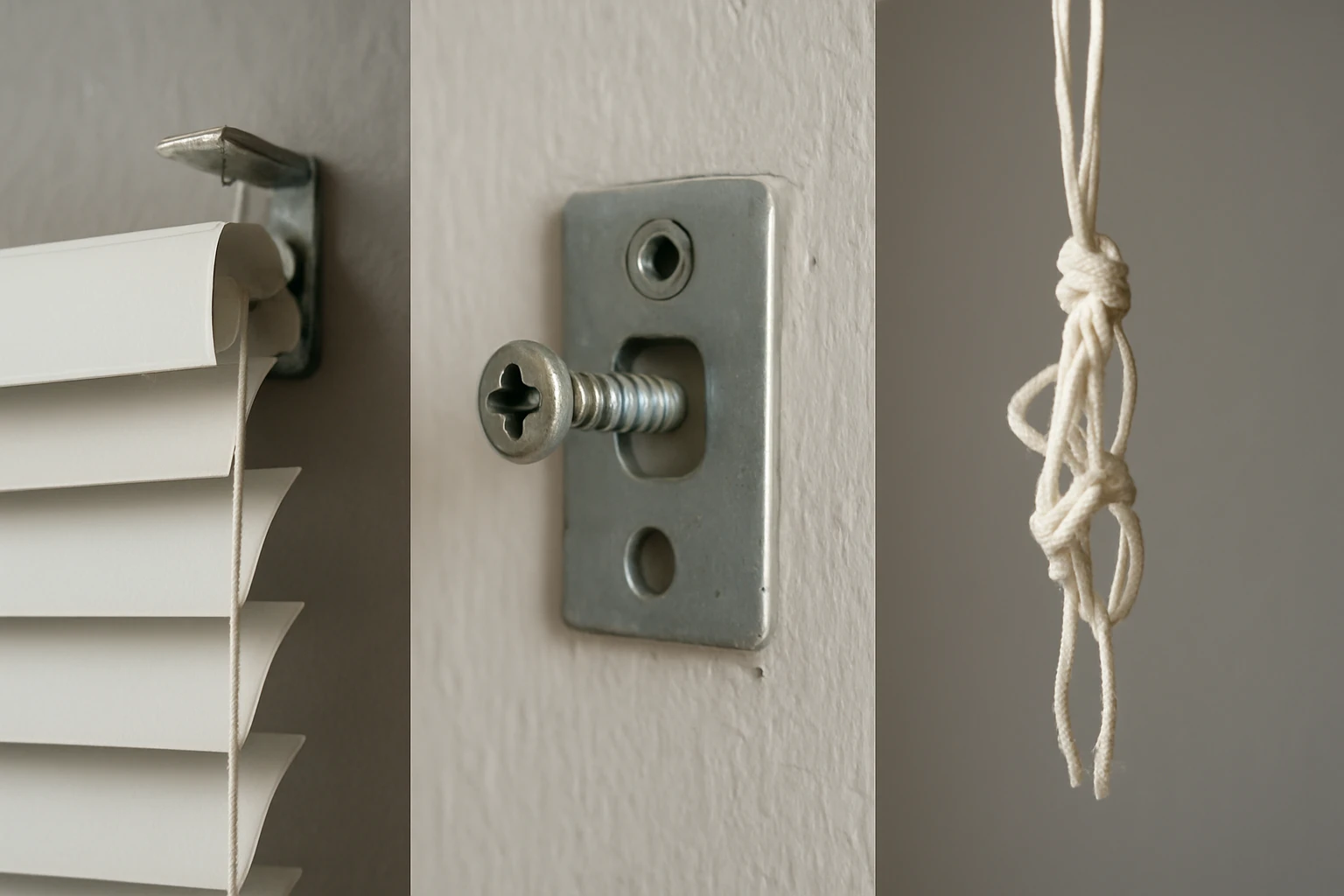
Problem: Blind Hangs Crooked
Check that both brackets are the same distance from the window edge and that they are level. Loosen screws a little, reposition, and retighten.
Problem: Sluggish Operation
Clean the headrail track of dust and debris, and check that slats or fabric are not caught in the side channels. A light silicone spray on metal runners can help.
Problem: Brackets Won’t Grip in Masonry
Use a masonry drill bit and properly sized wall plugs. If the surface is hollow, switch to toggle anchors or choose an outside mount.
Speed Tips to Finish Faster
A few practical habits will shave minutes off every install.
- Set up all tools before you start and keep them within reach.
- Use masking tape for temporary marks to protect paint and speed clean-up.
- For multiple windows, measure all openings first and pre-drill all screw holes in one run.
- Choose cordless tools with good torque and a charged battery.
Care and Maintenance After Installation
A little care keeps the blind working and avoids future repairs.

- Dust weekly with a soft cloth or duster.
- Check the bracket screws after the first week and tighten if needed.
- For fabric blinds, follow the manufacturer cleaning guide. For a general cleaning guide see How to Clean Blinds Safely: Methods for All Blind Types.
When to Call a Professional
Call a pro if you need wiring for motorized blinds, have very large windows, or face structural walls that require specialist anchors. For motorized systems, a trained installer ensures wiring, controls and safety meet local rules.
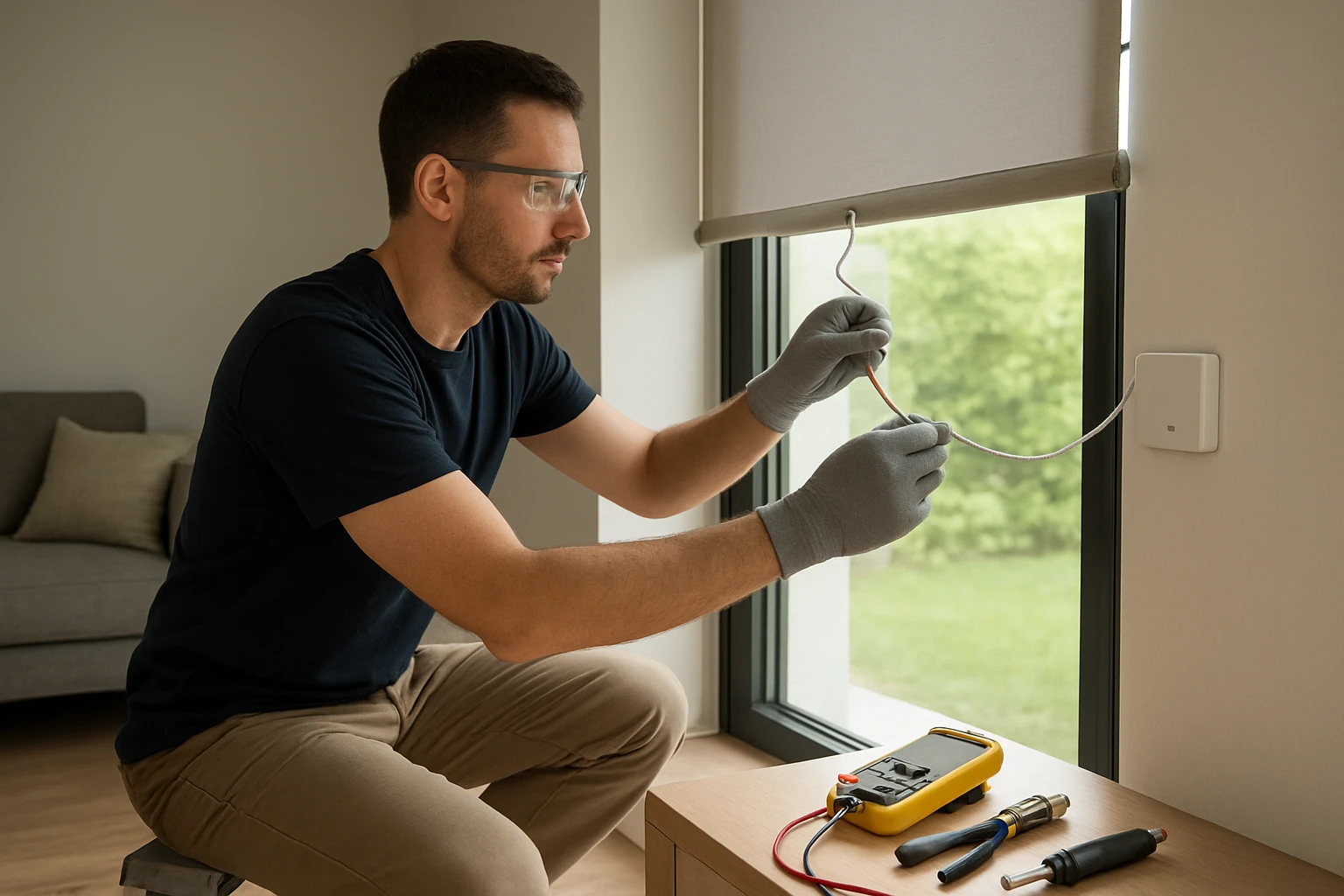
If you prefer professional help or motorized options, compare styles and services like Motorized Blinds and check the best match for your room.
Choosing the Right Blind Type for a Fast DIY Fit
Some blind styles are easier to fit quickly, so match the product to your skill and available time.
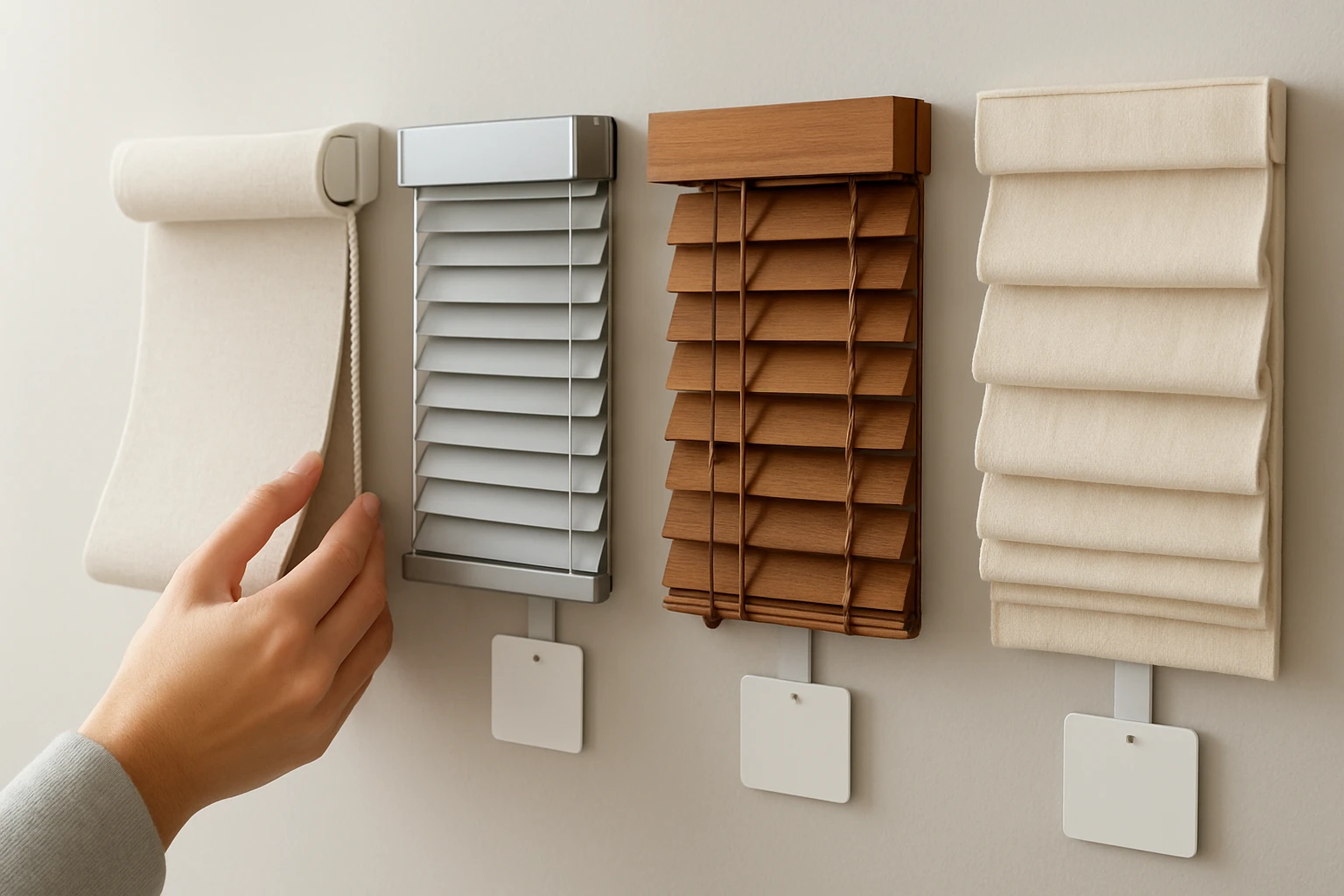
- Roller blinds are the quickest for most DIYers. Learn more with the detailed Roller Blinds: Choose, Measure, Install and Care for Lasting Results.
- Venetian and wooden blinds need careful levelling but give fine control.
- Roman blinds take more time because of the fabric and stacking.
- For rooms with strong sun consider Blackout Blinds and for covered outdoor areas see Outdoor Blinds.
Quick Reference Links and Resources
In this guide, Curtains and Blind walks you through common installs and product choices. For style-specific pages see:
- Roller Blinds
- Venetian Blinds
- Wooden Blinds
- Roman Blinds
- Vertical Blinds
- Zebra Blinds
- Motorized Blinds
- Blackout Blinds
- Bamboo Blinds
- Office Blinds
- Outdoor Blinds
Also see related blog posts for buying and care guidance: Roller Blinds: Choose, Measure, Install and Care for Lasting Results, How to Clean Blinds Safely: Methods for All Blind Types, Blinds Vs Curtains: How to Choose the Right Window Covering, and Waterproof Blinds for Bathrooms, Kitchens and Outdoors.
Final Notes
A well-prepared single install can take under 20 minutes for many blind types. Gather tools, double-check measurements, and follow the steps in order. If the surface is complex or you plan motorized blinds, hire a professional to make sure the job is safe and compliant.
Frequently Asked Questions
Can I Really Install Blinds in Under 20 Minutes?
Yes. For common types like roller or simple Venetian blinds, a careful DIYer with the right tools and accurate measurements can install one window in under 20 minutes. Complex frames, masonry walls, or motorized systems will take longer.
What Is the Difference Between Inside Mount and Outside Mount?
Inside mount fits the blind inside the window recess for a neat look and needs enough depth. Outside mount is fixed to the wall or architrave and usually overlaps the window to block light. Measure before choosing.
Which Blind Type Is Quickest to Install?
Roller blinds are generally the fastest to fit because they use a simple headrail and snap-in brackets. Venetian blinds are next but need careful leveling for the slats.
Do I Need Special Anchors for Masonry Walls?
Yes. Use a masonry drill bit and correct-sized wall plugs or anchors for secure fixing. If the wall is hollow, use toggle anchors or choose an outside mount.
When Should I Hire a Professional Installer?
Hire a pro for motorized blinds, very large or heavy coverings, or when the wall material requires specialist fixing. Also call a pro if you are unsure about wiring or local safety requirements.
How Do I Keep Cords Safe Around Children?
Fit the provided cord cleat high on the frame and wrap excess cord neatly. For extra safety, consider cordless options or motorized blinds controlled by a remote or app.