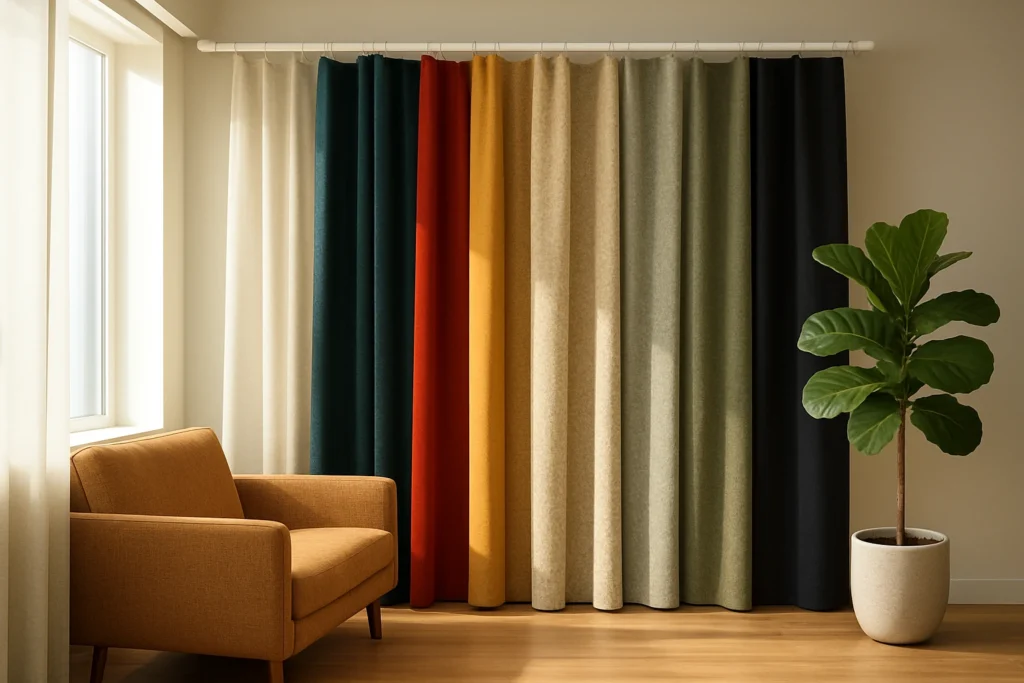
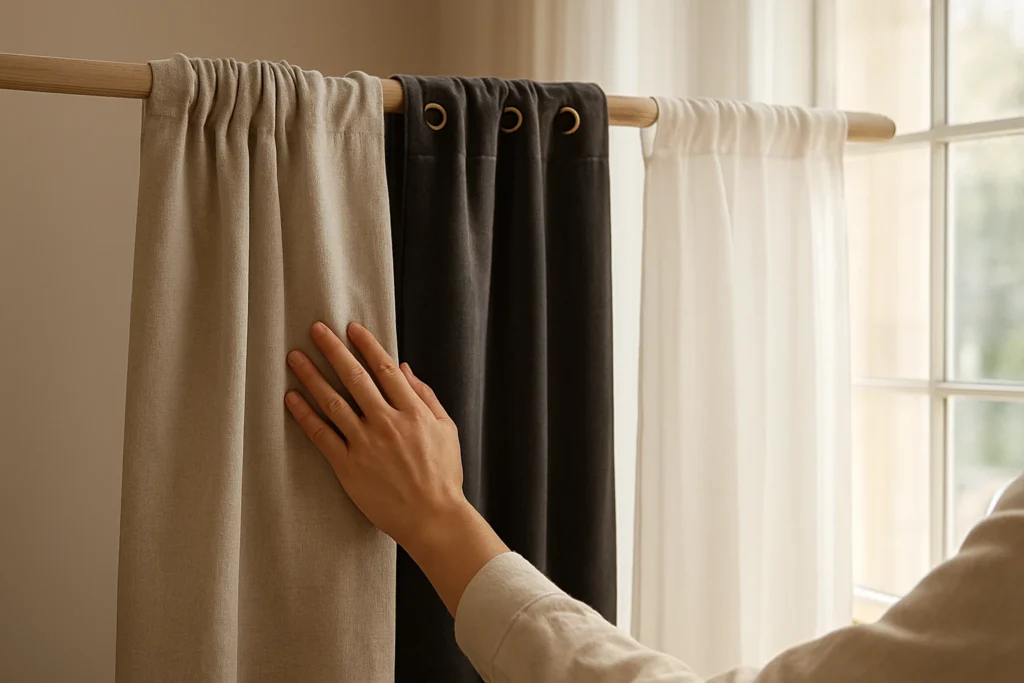
The best quality curtains come from makers who use high-quality fabric, careful construction, accurate measuring, and durable hardware. For many rooms, bespoke or specialist manufacturers deliver the longest life and best fit, while well made ready-made lines can give good value when the material and lining are right. Measure carefully, pick the right fabric and header, and expect a professional installer to make the biggest difference in how the curtains look and perform.
In this guide the team at Curtains and Blind explains how to identify the top makers, what to look for in materials and workmanship, and how to choose a supplier that will stand behind their product.
How We Judge Curtain Quality
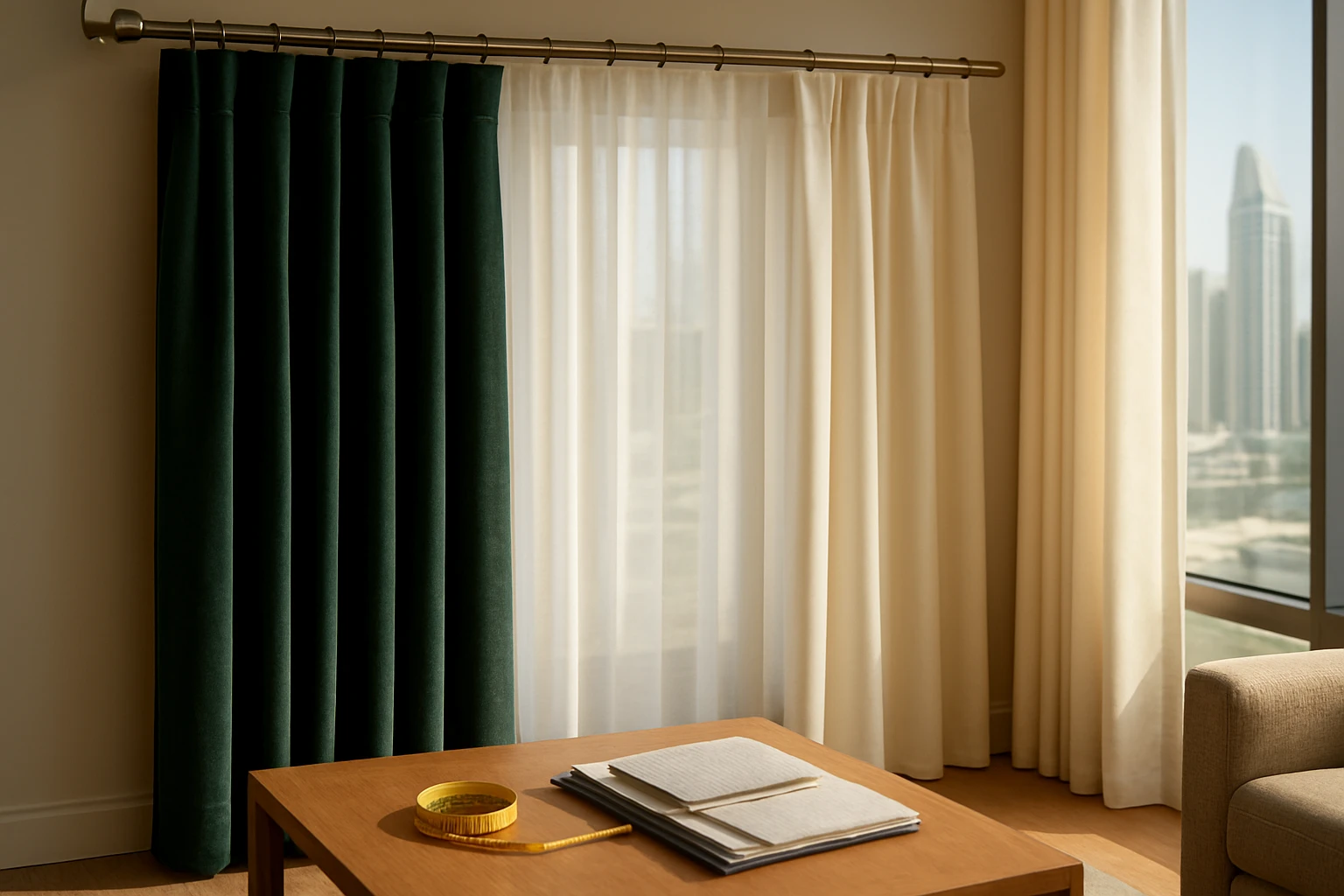
Quality is more than expensive fabric. We check the fabric, the lining and interlining, the header construction, the stitch density, the finishing, and the hardware. Each of these parts affects how the curtain hangs, how it blocks light or sound, how it cleans, and how long it lasts.
Material and Weave
The fabric choice sets durability and hand feel. Heavy weaves such as tightly woven velvet and dense polyester blends resist wear and creasing better than loosely woven linen. Lining changes performance a lot and a full lining improves light control and longevity.
Typical Lifespan Estimates:
- Velvet: 10 to 15 years with normal use and good care
- Silk: 8 to 12 years if kept out of direct sun and professionally cleaned
- Cotton and linen: 6 to 10 years depending on weave and daily wear
- Polyester and blends: 8 to 15 years because they resist fading and creasing
In our experience a well lined curtain with a heavy weave and a neat double hem lasts at least three years longer than the same fabric without lining in a sunlit window.
Construction Details That Matter
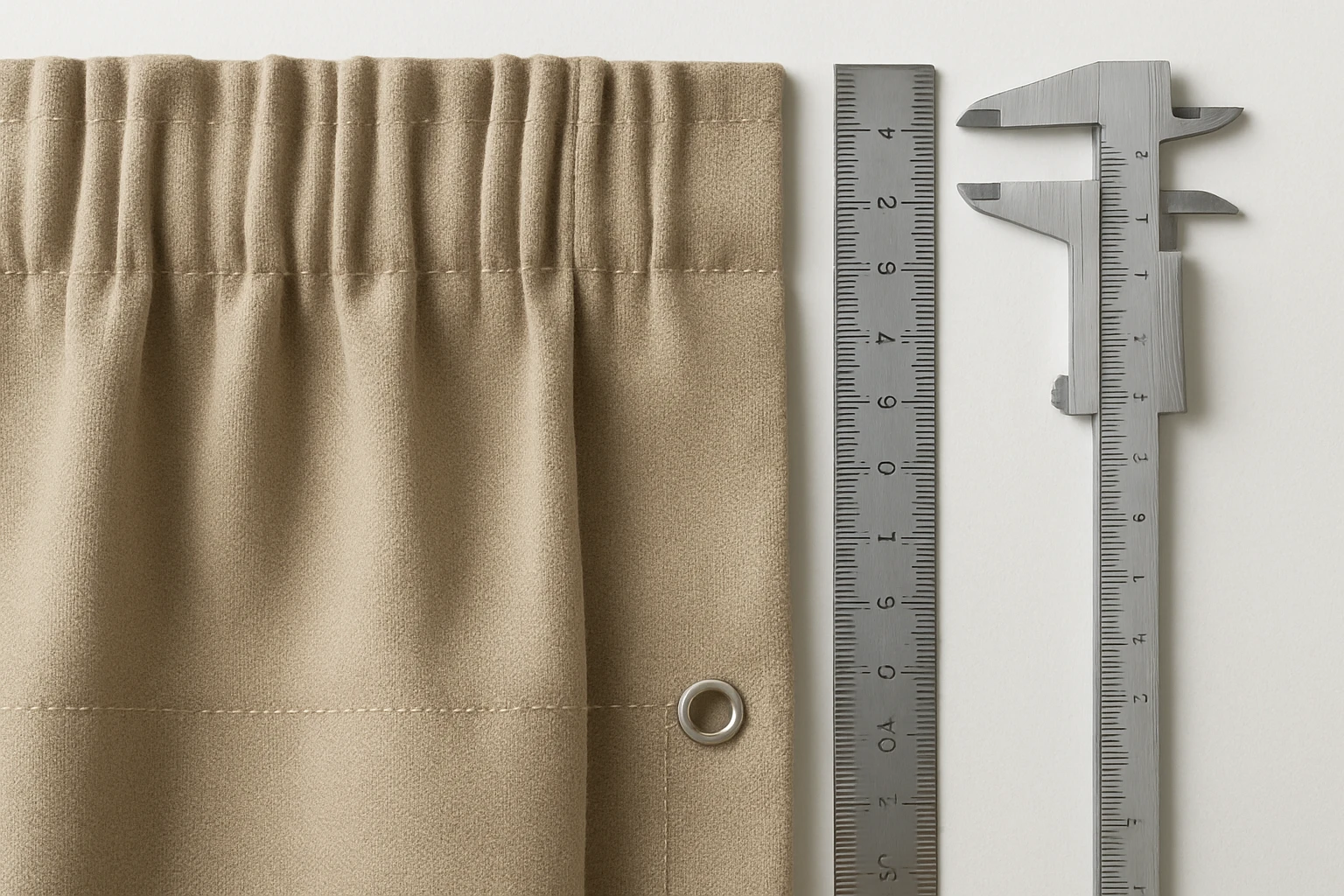
Look for even stitch spacing, minimal puckering at seams, and reinforced stress points where hooks or rings attach. We watch the stitch count at the hem and recommend at least 10 small stitches per 10 cm on heavy fabrics and 12 for very fine fabrics to prevent distortion with repeated washing.
Top Curtain Makers and Types to Consider
When asking who makes the best quality curtains, you will find three broad sources: bespoke ateliers, specialist performance makers, and premium ready-made lines. Each has pros and cons depending on budget, timing, and the room’s needs.
Bespoke Ateliers
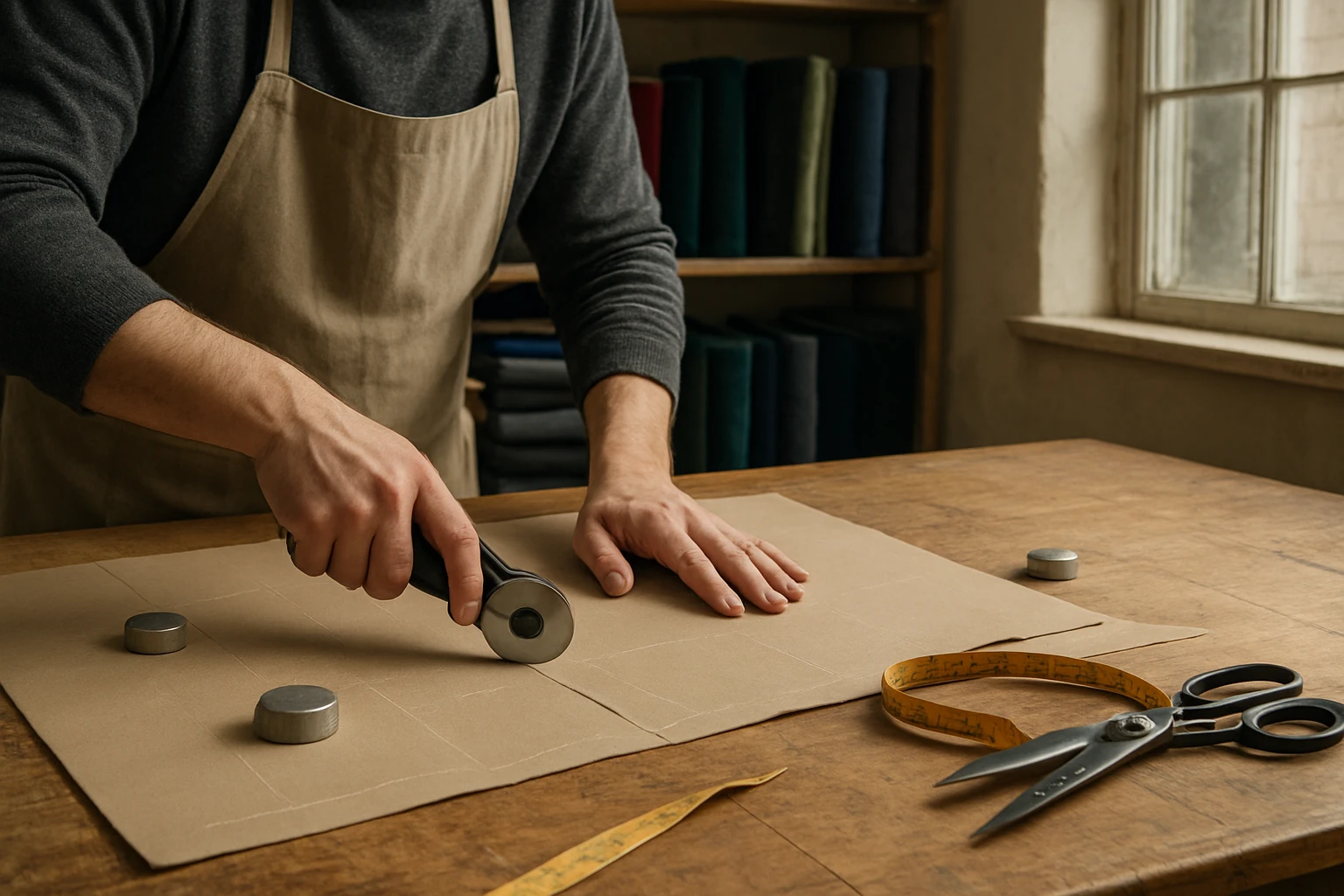
Bespoke makers handle measuring, patterning, and fitting, and they usually match linings and headers to the installation. They are the best choice for unusual windows, heritage homes, and rooms where appearance and fit matter most.
- Best when exact fit and tailored headers matter
- Longer lead times and higher cost
- Top quality with good warranty and support
Specialist Performance Makers
These manufacturers focus on a single technical need such as blackout, sound reduction, or fire-rated fabrics. If you need heat control or noise reduction, a specialist maker with tested fabric will outperform a generalist.
- Look for tested acoustic or thermal ratings
- Good for bedrooms, media rooms, and commercial spaces
- Consider a brand that lists Rw or thermal R-values
Premium Ready-Made Lines
High end ready-made ranges can give consistent quality at lower cost but you must accept standard sizes. They work well for common window sizes and when you want faster delivery.
- Good value for standard windows
- Less flexibility on header style and length
- Check return policy and sample swatches first
How Price Relates to Quality
Price is not a guaranteed signal of quality, but very low prices often hide shortcuts: thin lining, cheap header tape, or poor stitching. Expect to pay more for bespoke fit, heavy interlining, and natural luxury fibers.
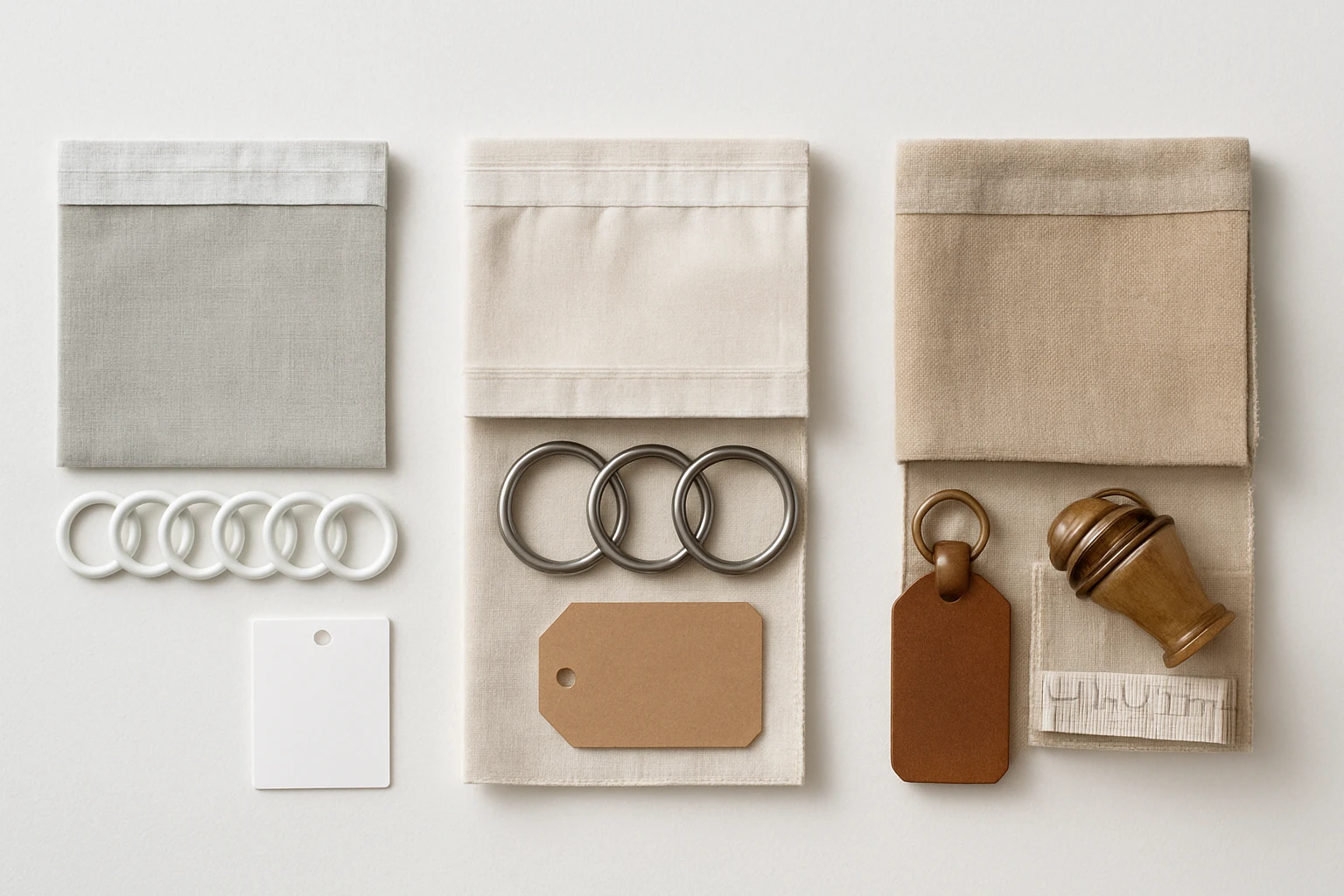
Typical Price Ranges (UAE Estimates)
| Level | Price Per Panel (approx) | Typical Features |
|---|---|---|
| Economy ready made | AED 120 to AED 300 | Lightweight fabric, single layer, basic header |
| Mid range | AED 350 to AED 900 | Better fabric, full lining, tailored hem, hardware options |
| Bespoke high end | AED 900 to AED 4000+ | Luxury fabric, custom fit, interlining, top hardware, installation included |
These ranges are a guideline for planning. In our experience custom curtains for a 2.5 m tall window cost about 1.6 times the mid range price once installation and fittings are included.
How to Match Curtain Type to Room
Choosing the best maker depends on intended use. Below are common room needs and the curtain types that suit them.
Bedroom
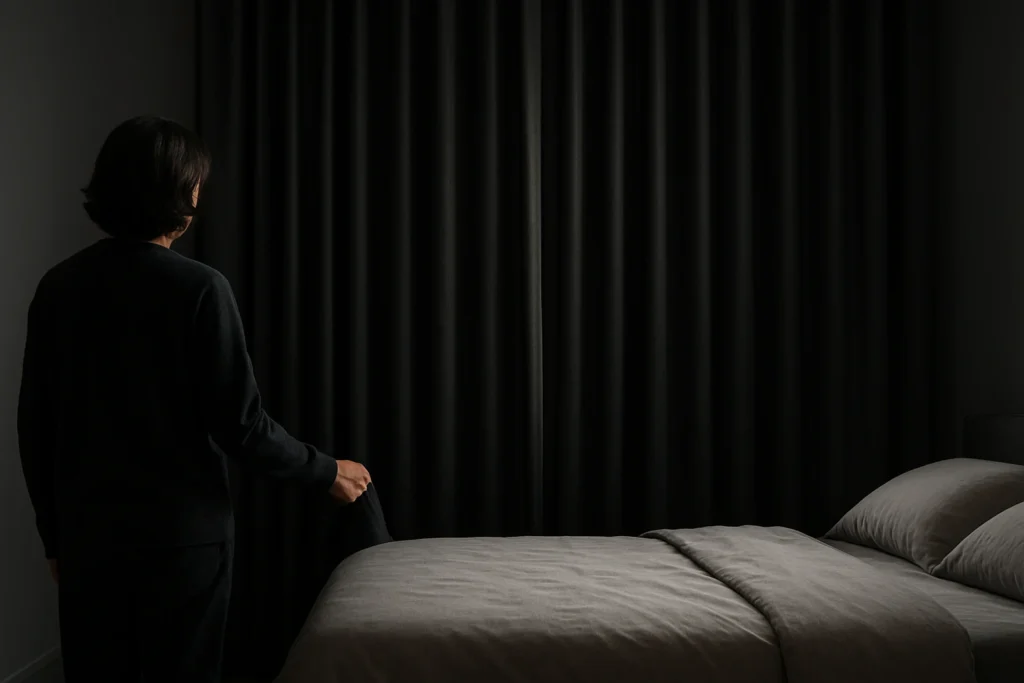
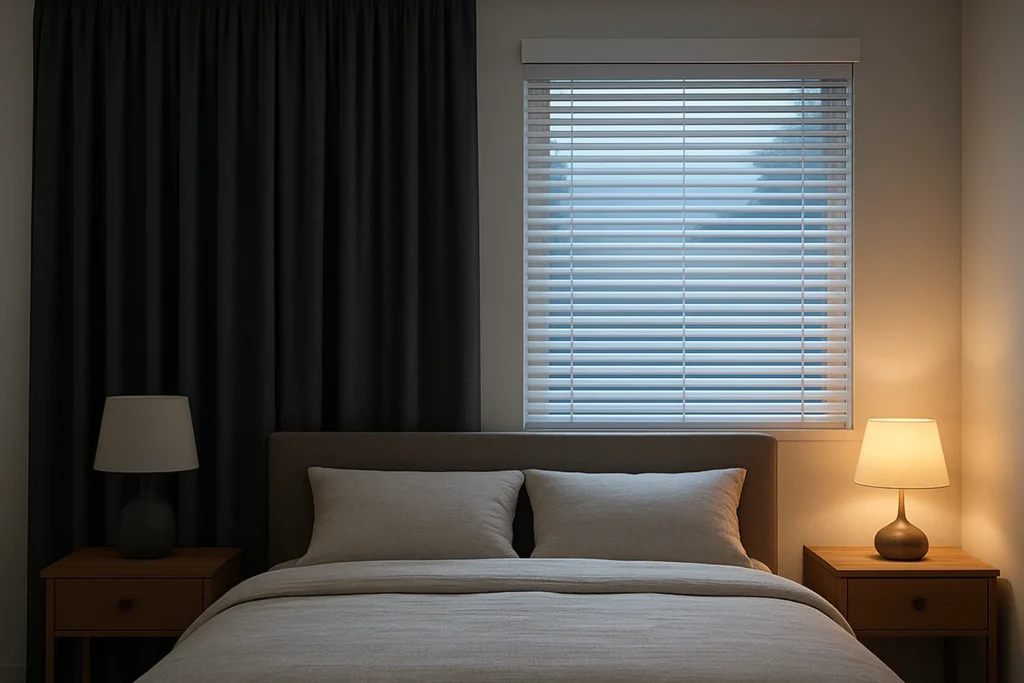
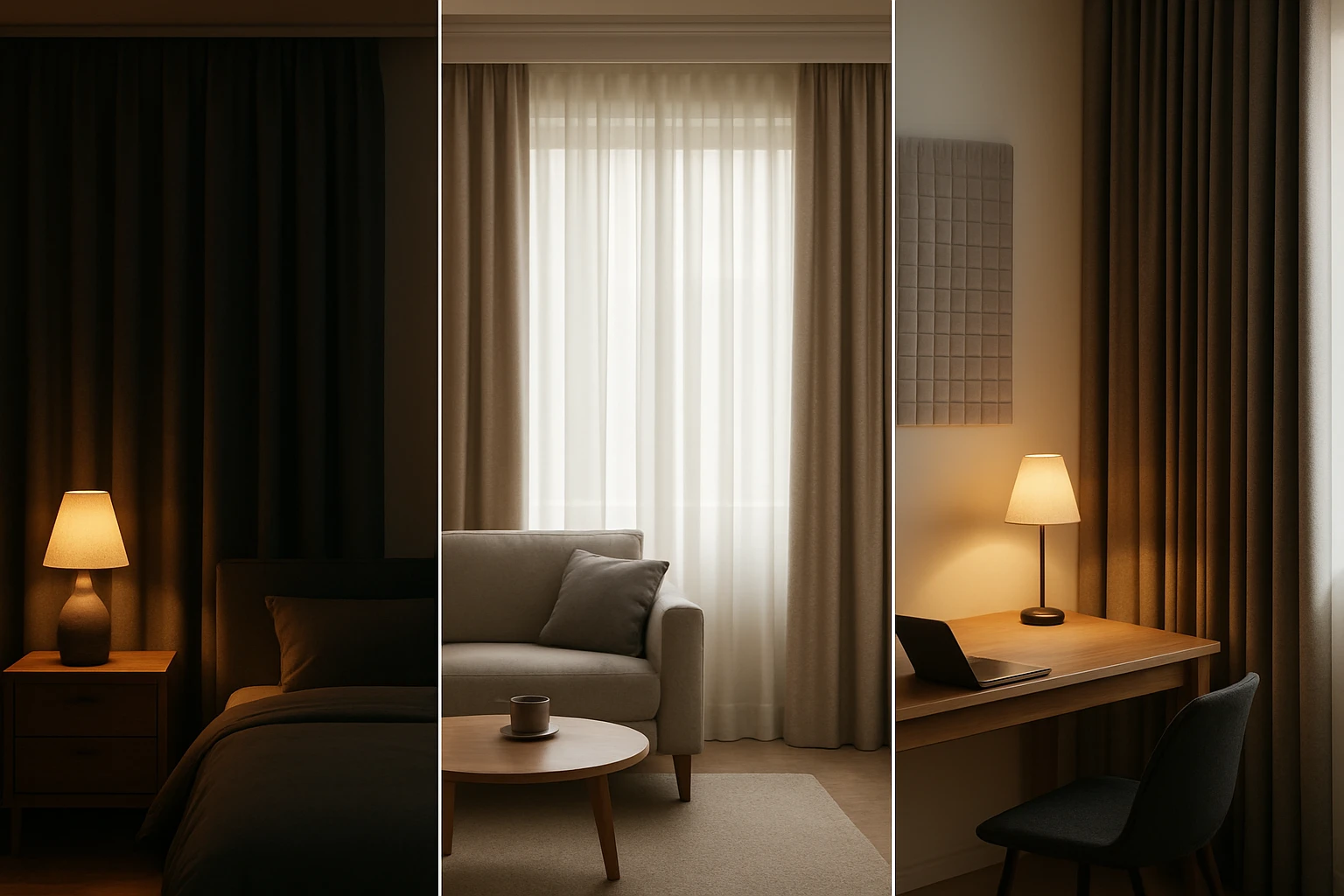
Blackout and heavy lined fabrics are best for light control and sleep. See the dedicated resource on how blackout curtains keep heat and light for details on performance and fabric choices at Do Blackout Curtains Keep Heat Out: Practical Answer and Buying Tips.
- Best options: Blackout Curtains, layered sheers for daytime privacy
- Consider motorized options if windows are hard to reach: Motorized Curtains
Living Room
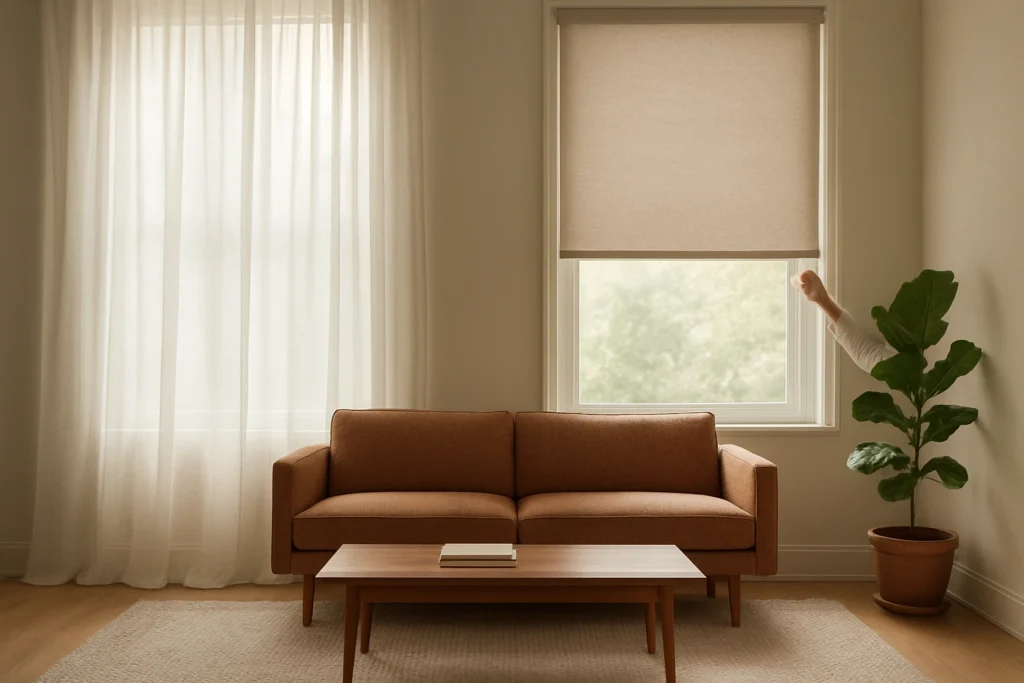
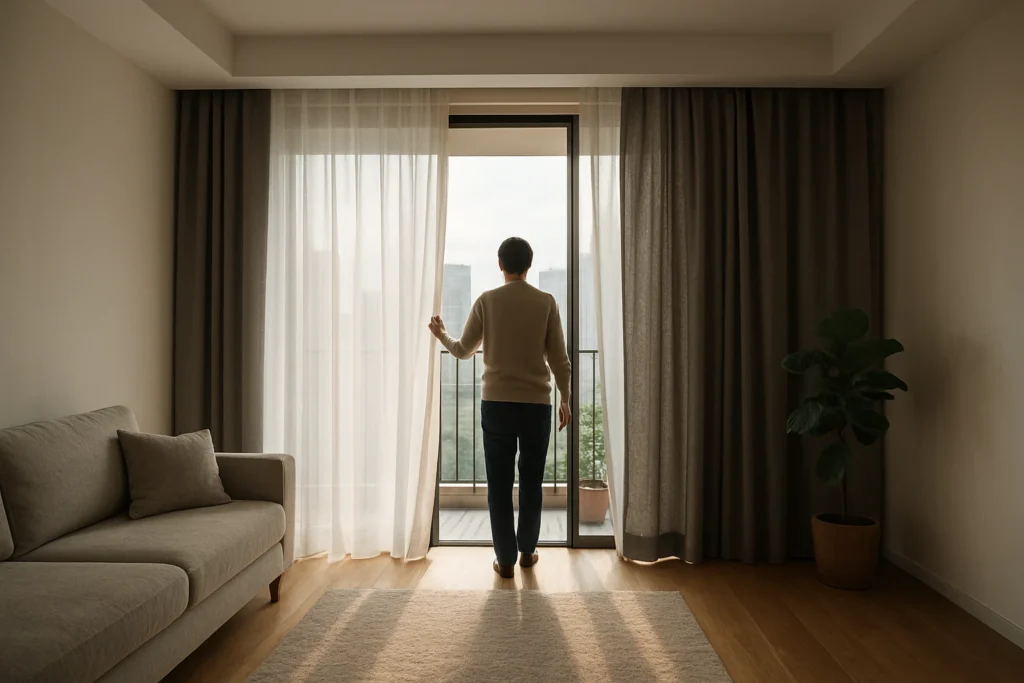
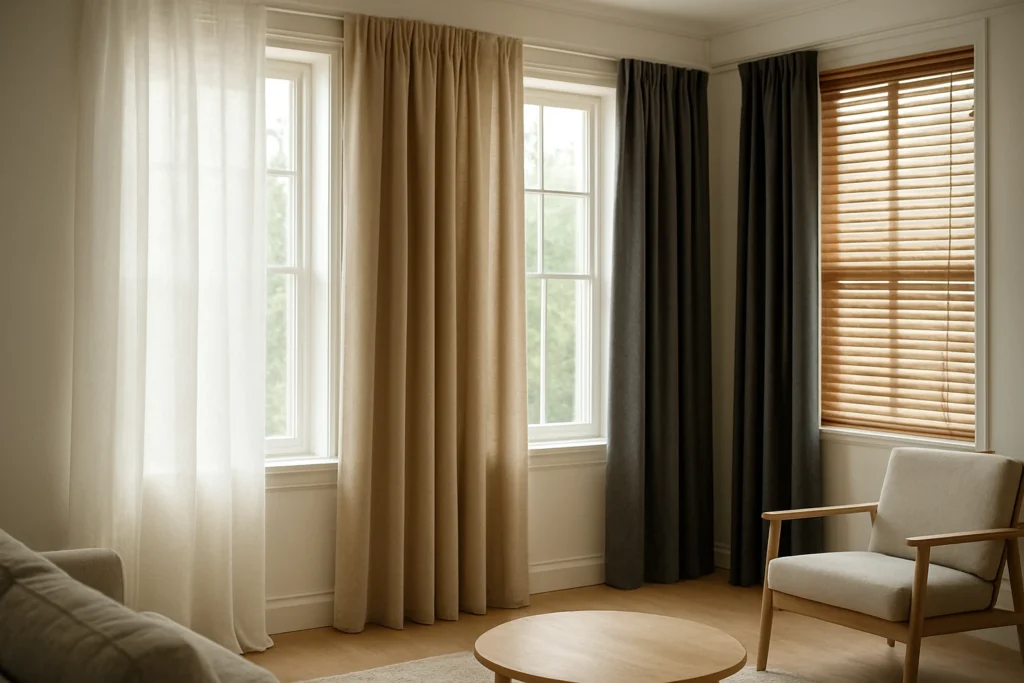
A mix of heavy drapes and sheers gives the best look and flexible light control. Velvet or silk work well for formal spaces.
- Good options: Velvet Curtains, Silk Curtains, Sheer Curtains
- For daily traffic, pick fabrics with easy care instructions
Home Office and Media Room
Sound absorbing fabrics and dense linings help reduce echo and outside noise. For practical guidance see Soundproof Curtains for Quieter Rooms and Better Sleep.
- Best options: Soundproof Curtains, heavy blackout where light control matters
Kitchens and Bathrooms
Choose washable or synthetic blends that tolerate humidity and frequent cleaning. Eyelet or pencil pleat styles are easy to fit for common windows.
- Options: Eyelet Curtains, Pencil Pleat Curtains
Measuring, Fitting and Installation
Poor measurement is the single most common cause of a curtain that looks wrong. In our experience roughly 3 in 20 reorders happen because customers understate the drop by 2 to 6 cm. Measure twice, and if a room is prone to heat or moisture, measure at different times of day for consistent results.
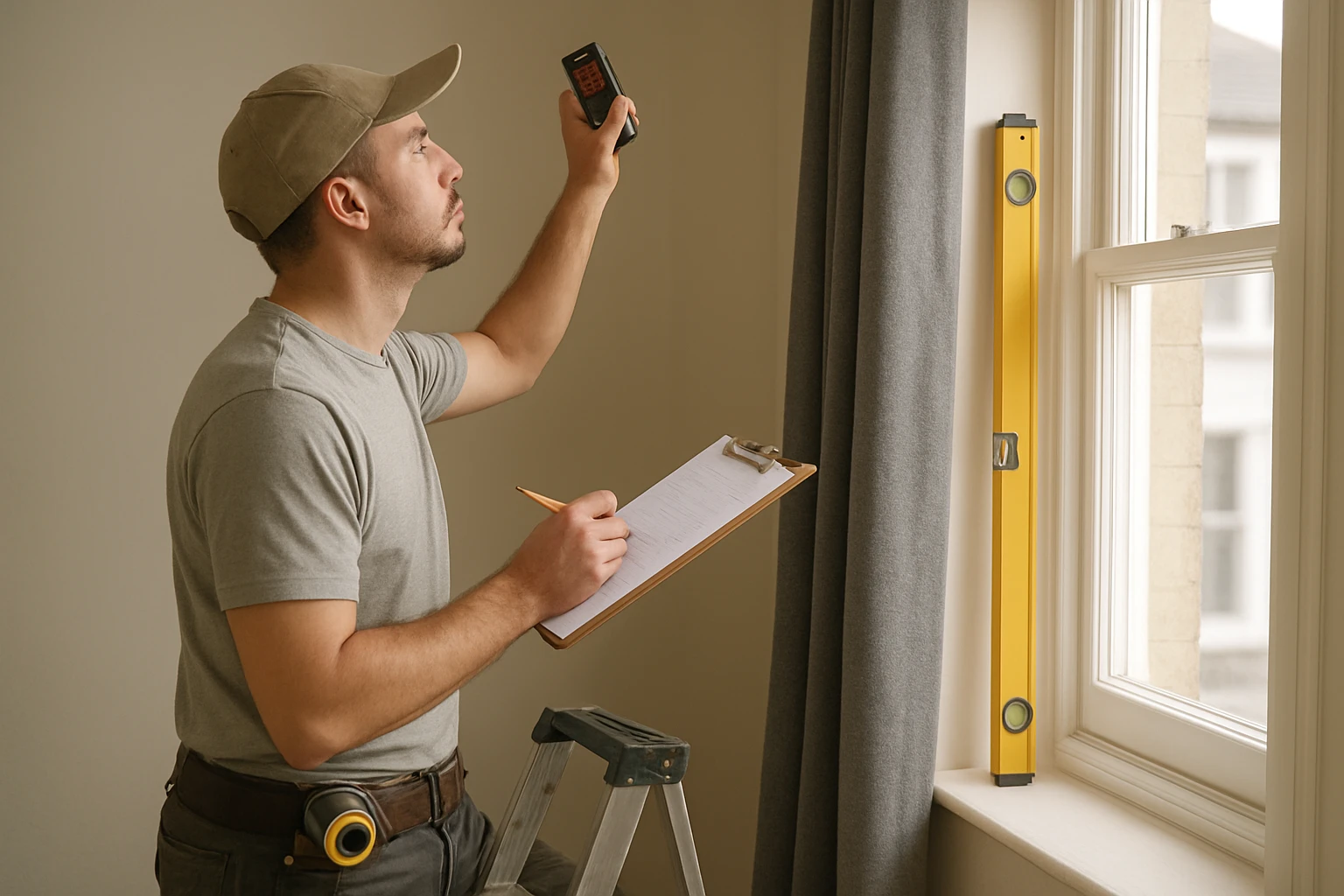
What to Measure:
Width:
Measure the full width you want the curtain to cover including any overlap. Add 20 to 30 cm each side for stack back if you want the window fully clear when open.
Drop:
Measure from the finished rod position to where you want the hem to finish. For floor length, leave 1 to 2 cm clearance or choose a puddled finish with a bespoke estimate.
Hardware and Mounting:
Decide if the rod attaches to the wall or ceiling and whether you need heavier brackets for thick curtains.
Header Styles and Hardware Choices
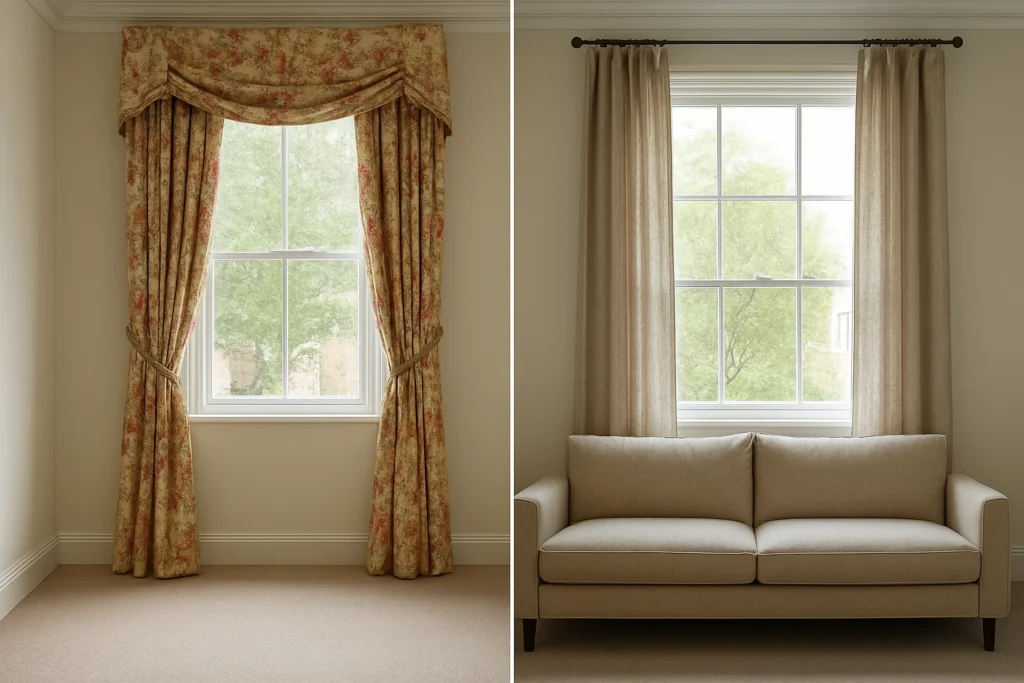
The header controls the curtain’s drape and movement. Pinch pleat and pencil pleat give a tailored look while eyelet is faster to slide. Wave systems give a smooth modern stack and are common for motorized options.
- Pinch pleat curtains for classic rooms
- Roman Curtains for layered styling where a blind look is preferred
- Wave curtains for modern, even folds
If you need hands-free operation, consider Motorized Curtains with a reputable installer to wire or fit controls safely.
Care, Warranty and Aftercare
Good makers offer clear care instructions and a warranty that covers workmanship, not accidental damage. Ask about cleaning recommendations, expected shrinkage, and whether they offer re-lining or repair services. A common warranty length is one to five years on workmanship.
Quick Comparison Table: Ready Made Versus Custom
| Feature | Ready Made | Custom Bespoke |
|---|---|---|
| Fit | Standard sizes | Measured to the window |
| Price | Lower upfront | Higher upfront, better long term fit |
| Lead Time | Days to weeks | Weeks to months |
| Options | Limited headers and linings | Any header, lining and finish |
| Best Use | Common windows | Unusual shapes, heritage homes, perfect fit needs |
Recommendations for Different Priorities
- Best for luxury finish: bespoke atelier using natural silk or heavy velvet and full interlining
- Best for sound or blackout needs: specialist maker with tested fabrics and full lining
- Best for value and speed: high quality ready-made lines chosen from a reputable retailer with good returns and swatches
Internal Resources and Further Reading
For deeper help on materials and longevity, read our post on Best Material for Curtains for Every Room. If you need a detailed debate on fiber choices and durability, see Cotton Vs. Polyester Curtains: What Actually Lasts Longer?.
Final Checklist Before You Buy
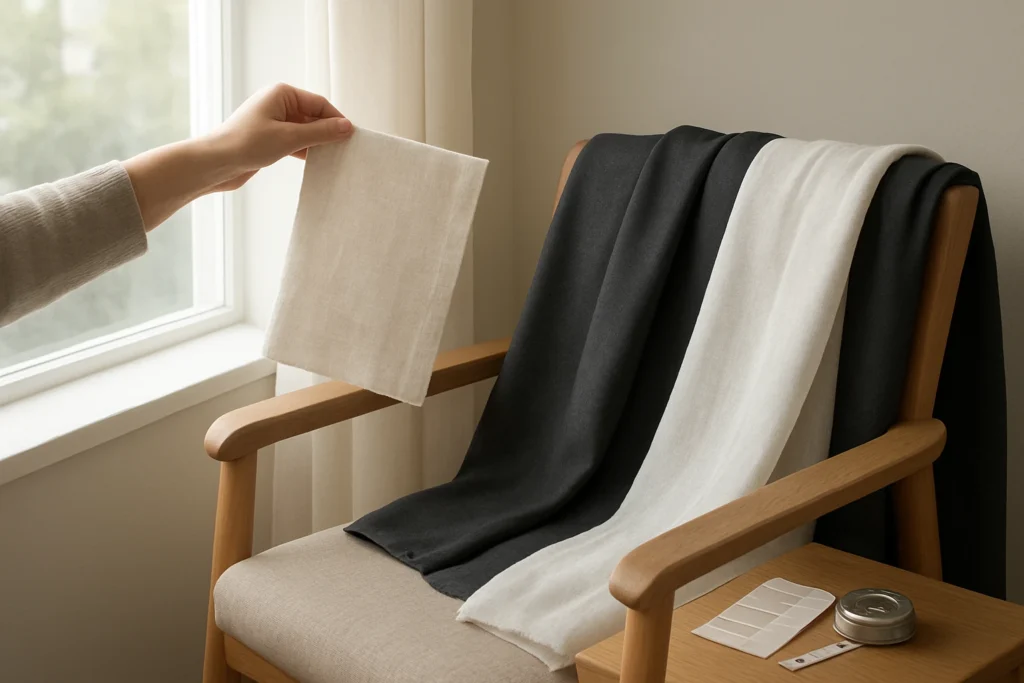
- Request a full fabric sample and header mock up
- Confirm lining type and any interlining
- Verify measurements on site or ask for a professional measure
- Check warranty and repair policy
- Ask about installation and whether that is included in the quote
Choosing who makes the best quality curtains comes down to matching the maker to your needs: bespoke for the perfect fit and finish, specialist makers for technical performance, and premium ready-made for consistent value. A reliable installer and clear warranty will make as much difference as the fabric you pick.
Frequently Asked Questions
Are Bespoke Curtains Always Better Than Ready Made?
Bespoke curtains give a better fit and more finishing options, which usually leads to a longer life and nicer look. Ready made lines can be a good value for standard windows. Choose bespoke for unusual windows or when the header and drape are critical.
Which Fabric Gives the Longest Life for Curtains?
Dense weaves and performance blends last longest. Polyester blends and heavy velvet resist fading and creasing, often lasting 8 to 15 years. Natural fibers like silk can look luxurious but need more care and may last less time in sunny rooms.
Do Blackout Curtains Also Help Reduce Heat or Noise?
Blackout curtains block light and can reduce some heat when used with a thermal lining. For meaningful noise reduction you need a heavier acoustic fabric or specialized lining. See our related guide on blackout performance for details.
How Should I Measure to Avoid Reorders?
Measure the rod position from finished floor to rod and measure window width including desired overlap. Have the installer or maker confirm measurements on site if you can. In our experience measuring twice and checking against a sample reduces reorders by most of the common errors.
Which Header Style Looks Most Tailored for Formal Rooms?
Pinch pleat and pencil pleat headers give a traditional tailored look and control how the curtain folds. Wave and eyelet are cleaner for modern spaces but give a different visual line.