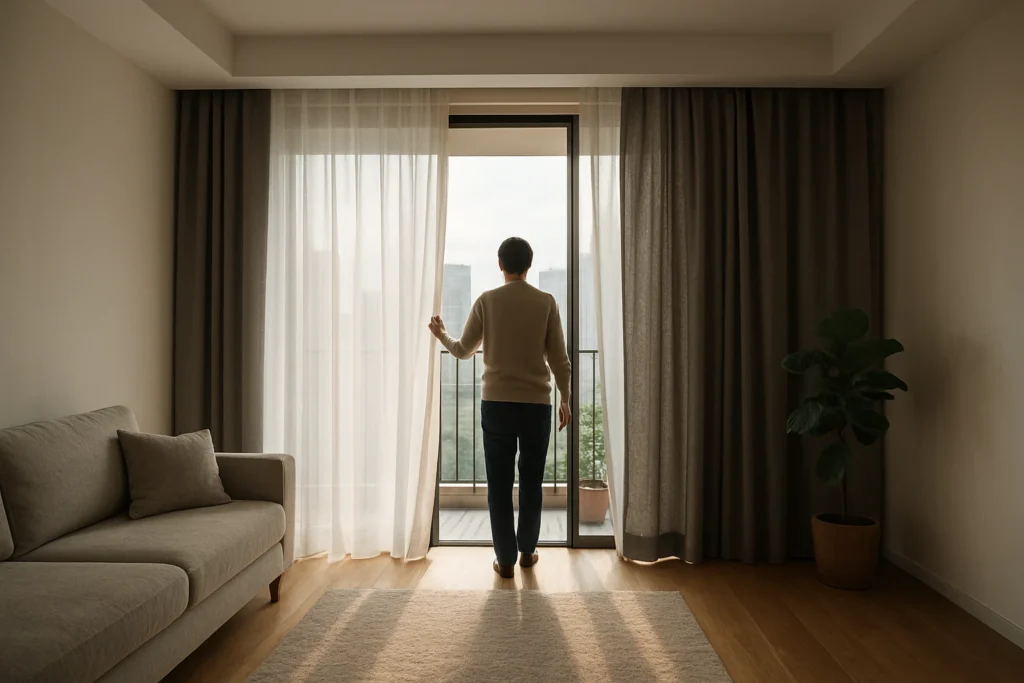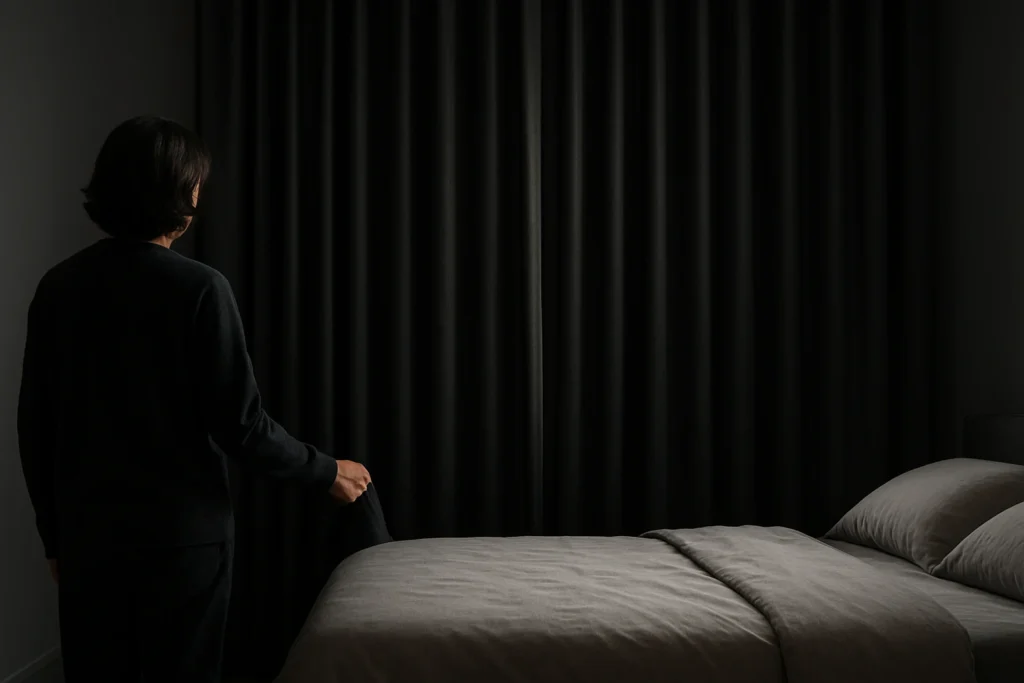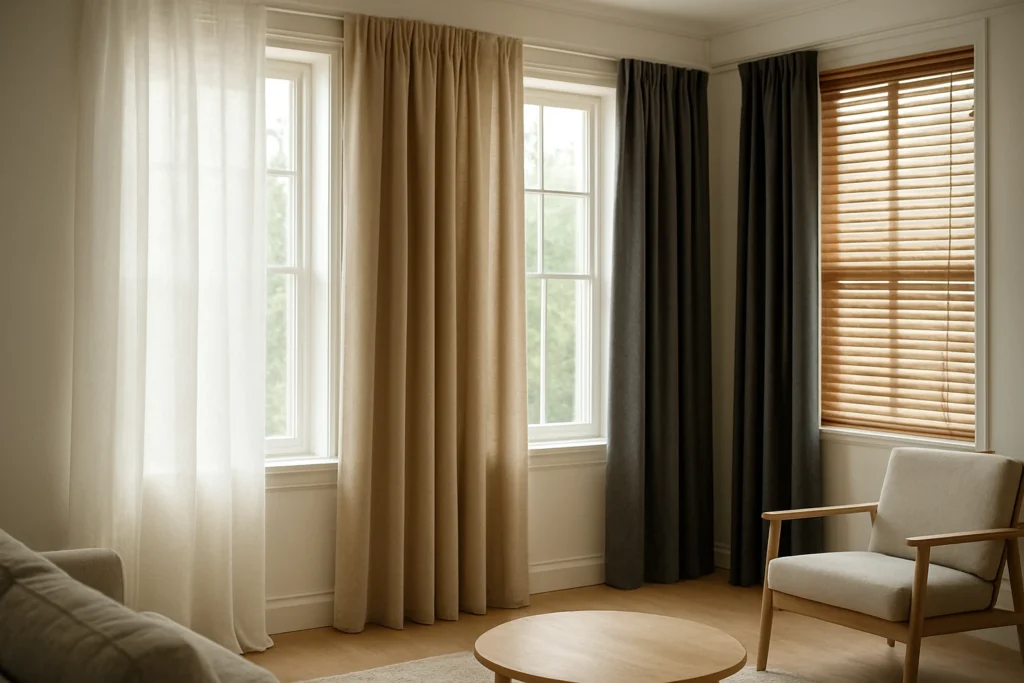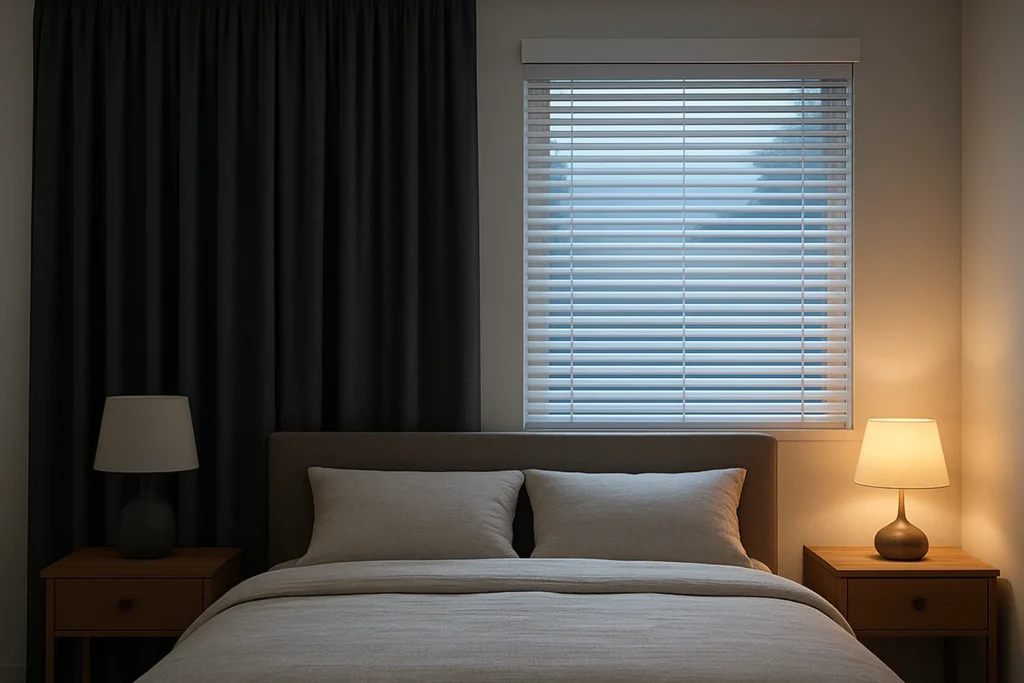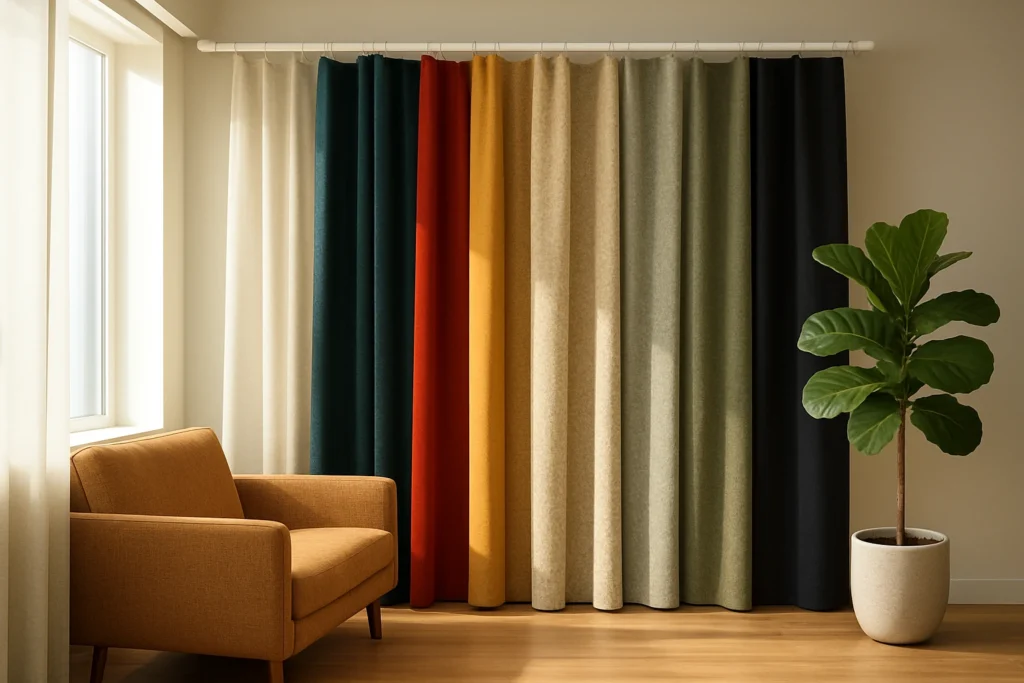
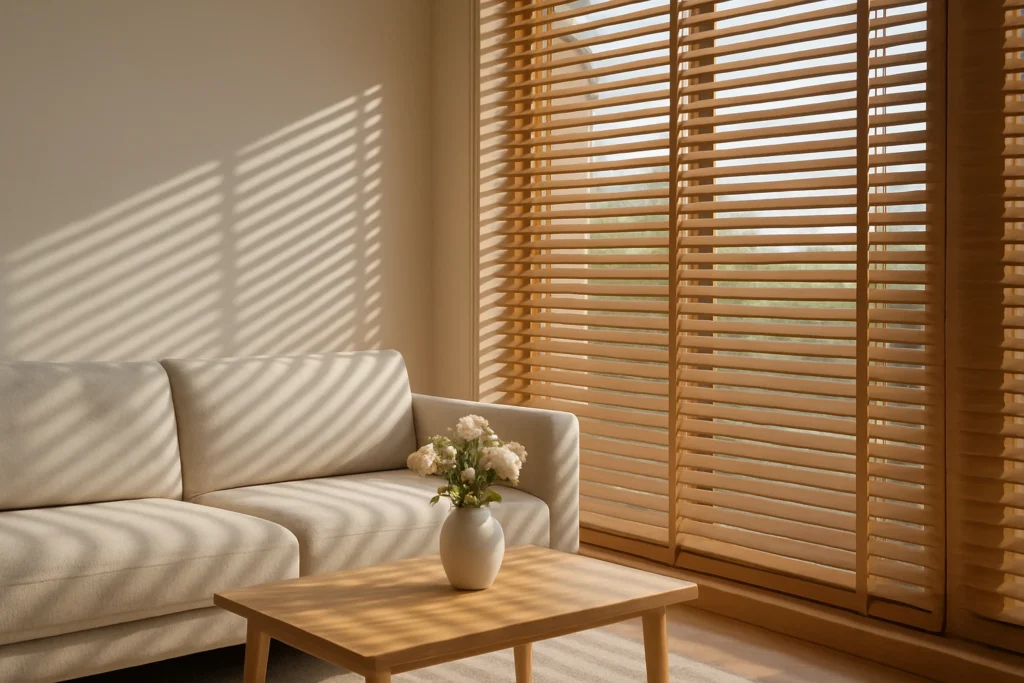
Blinds can raise a home’s appeal by improving its look, controlling light and privacy, and making rooms feel well cared for. They rarely boost a sale price by a large percent on their own, but the right blinds can cut buyer objections, speed up a sale and support a higher perceived value.
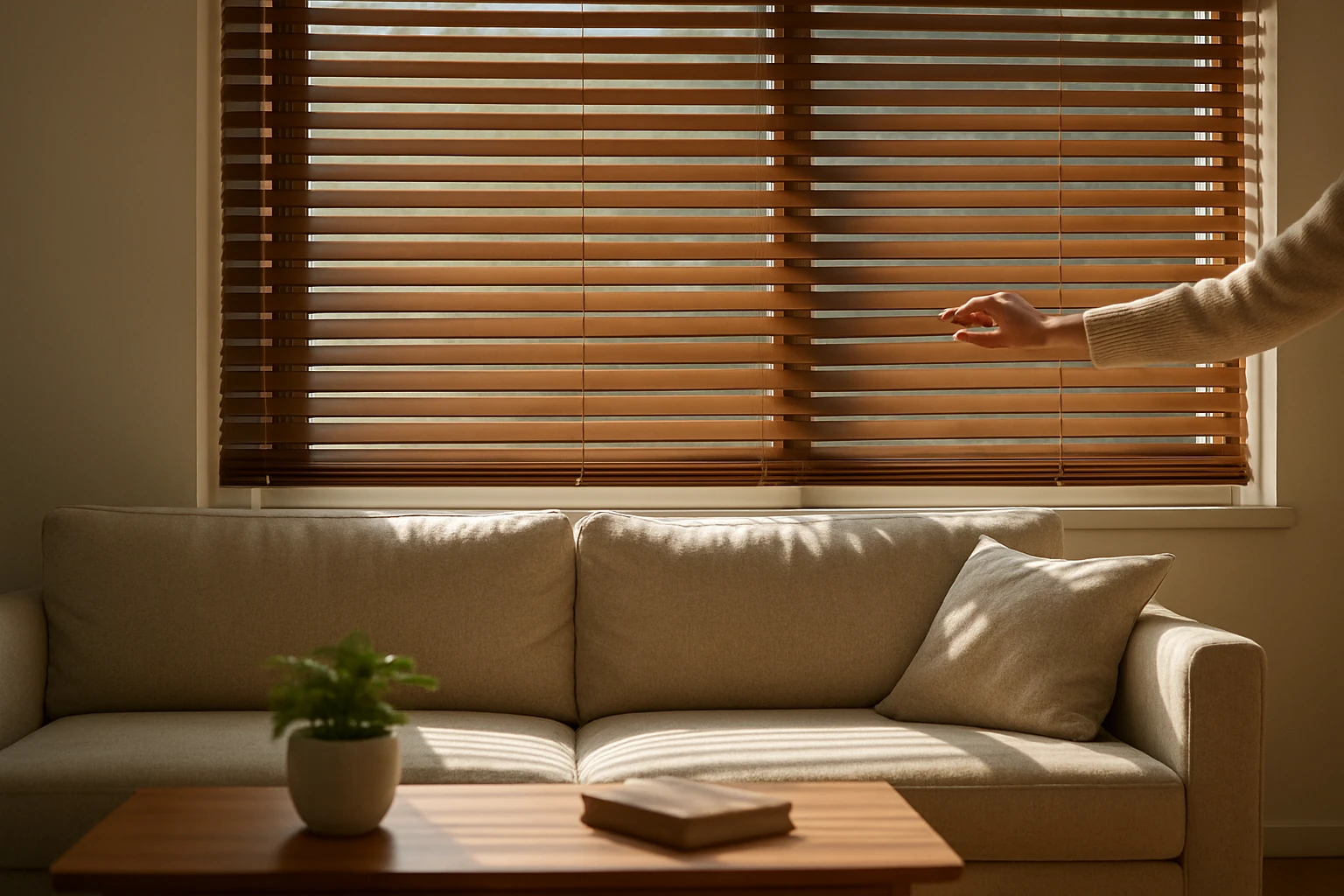
Key Statistics
- Typical cost ranges per window for common blind types: roller AED 100 to 200, Venetian AED 200 to 350, wooden AED 300 to 400, motorized AED 150 to 300. These are market ranges that vary by size, material and region.
- Typical installation time per window by a professional: 30 to 60 minutes depending on fit, brackets and any wiring for motorized units.
How Blinds Affect Home Value
When buyers tour a home, window treatments stand out because they shape light, view and privacy right away. Clean, well fitted blinds tell buyers the house has been looked after, and that can make them less likely to lower their offer. Still, blinds are usually one part of the whole picture rather than the single thing that lifts a final sale price.
Why Visual Appeal Matters
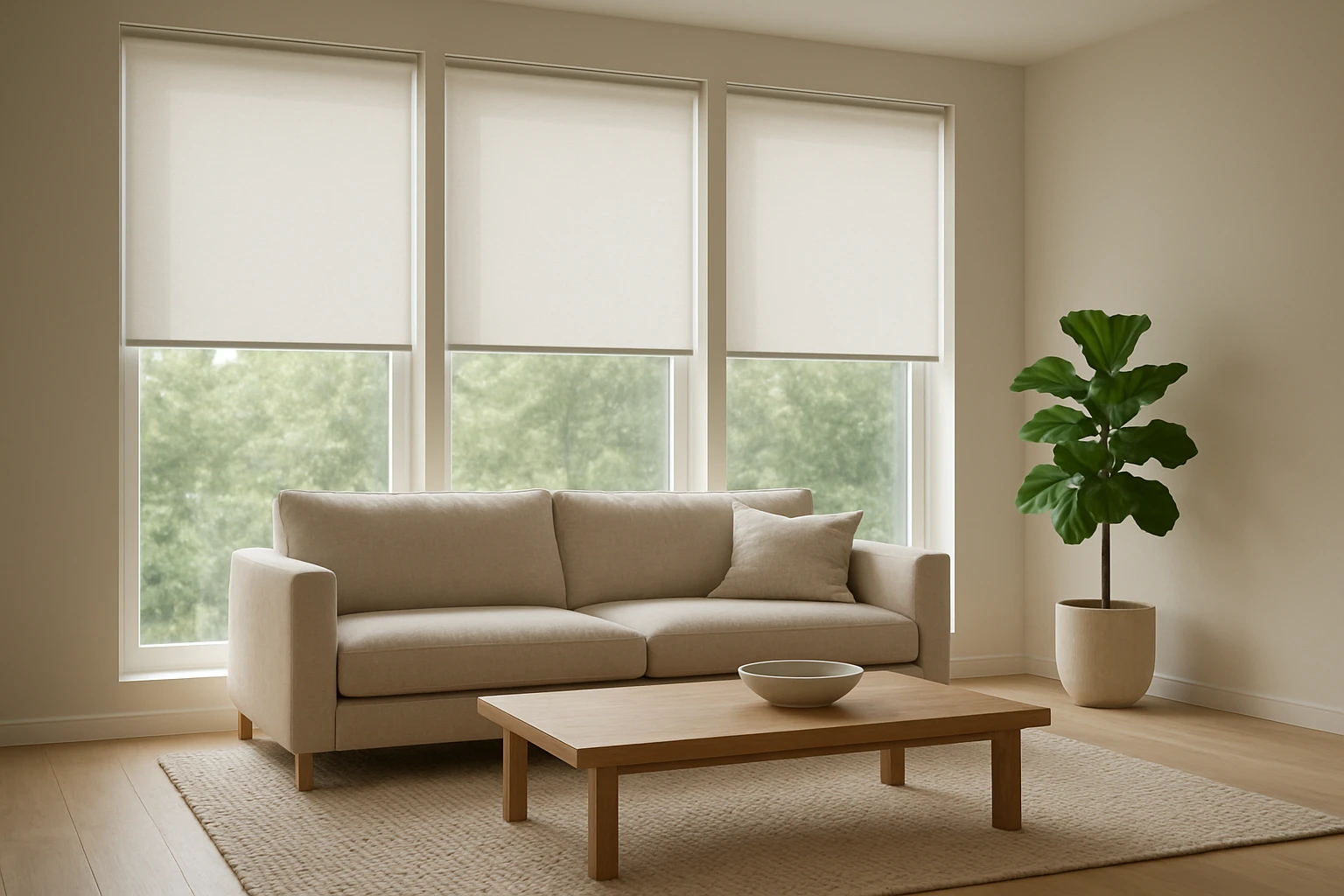
Buyers form quick impressions about whether a home is move-in ready. Window coverings are part of that first look. Blinds that fit the room in style and scale make spaces feel larger and neater, which raises perceived value.
How Practical Benefits Help
Blinds also offer the practical features buyers want, like shading, privacy and energy control. Features that lower bills or improve comfort make a home more appealing, even if they do not translate to a fixed dollar amount.
Cost and Return by Blind Type
Cost matters when you upgrade before selling. The best choice depends on your budget and the likely buyer. The table below shows typical cost ranges, expected lifespan and how each type usually plays in resale conversations.
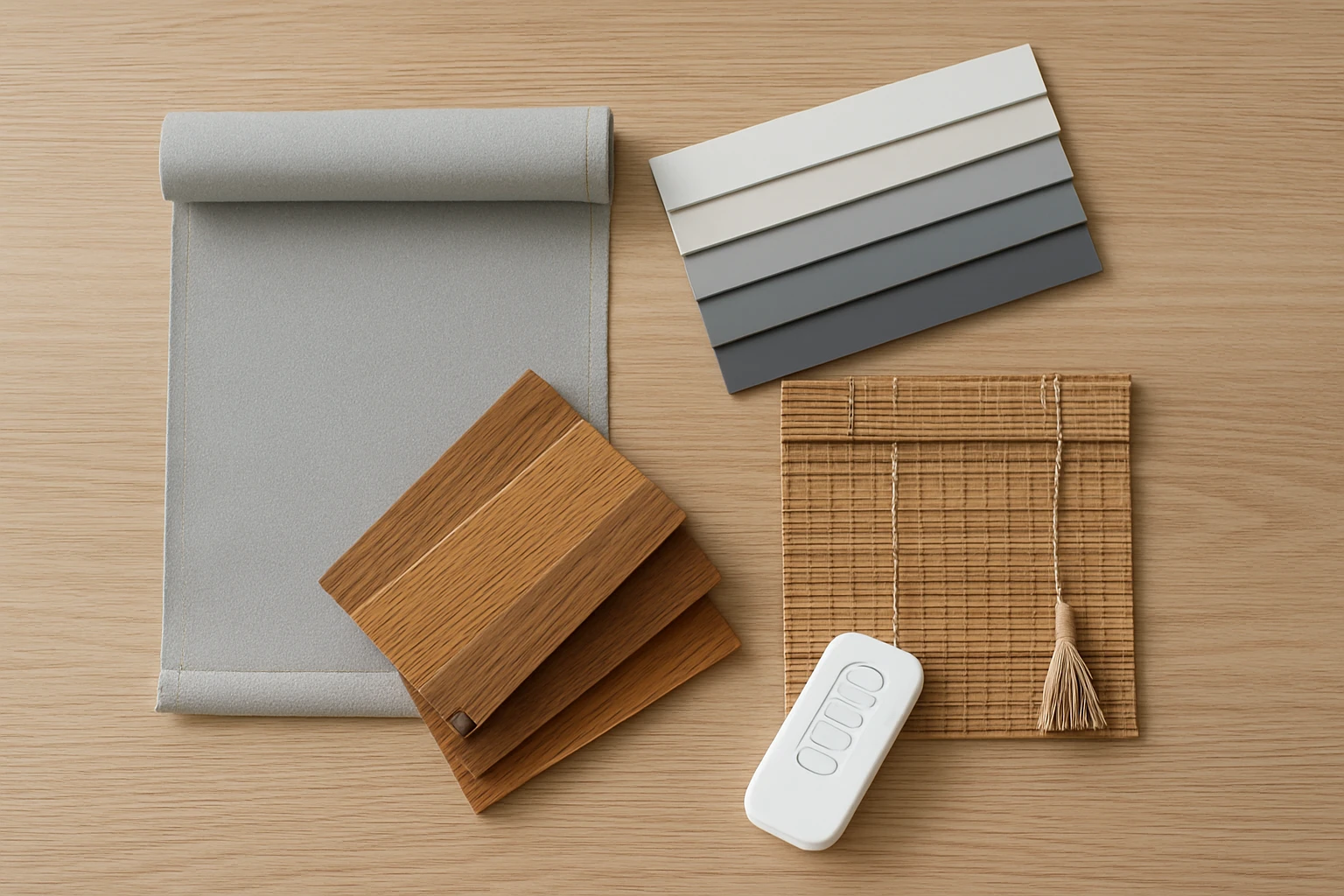
| Blind Type | Typical Cost Range Per Window | Typical Lifespan | Resale Influence |
|---|---|---|---|
| Roller Blinds | AED 100 to 200 | 5 to 15 years | Good for modern homes and tight budgets |
| Venetian Blinds | AED 200 to 350 | 7 to 20 years | Neutral, versatile for many rooms |
| Wooden Blinds | AED 300 to 400 | 10 to 25 years | Strong visual appeal in mid to high-end homes |
| Roman Blinds | AED 100 to 200 | 5 to 15 years | Soft look, good for living areas and bedrooms |
| Vertical Blinds | AED 100 to 150 | 7 to 20 years | Practical for wide doors and sliders |
| Motorized Blinds | AED 150 to 300 | 8 to 20 years | High perceived value for luxury buyers |
| Outdoor Blinds | AED 200 to 400 | 5 to 15 years | Adds usable outdoor space, appealing in hot climates |
| Blackout Blinds | AED 100 to 180 | 5 to 15 years | Valuable for bedrooms, rental properties |
| Bamboo Blinds | AED 250 to 350 | 5 to 15 years | Eco-friendly look, niche buyer appeal |
Notes: prices vary by size, fabric, hardware, motorization and local labor. Choose a quality level that matches the home. An inexpensive blind in a high-end property will look cheap.
Best Blind Types for Resale Appeal
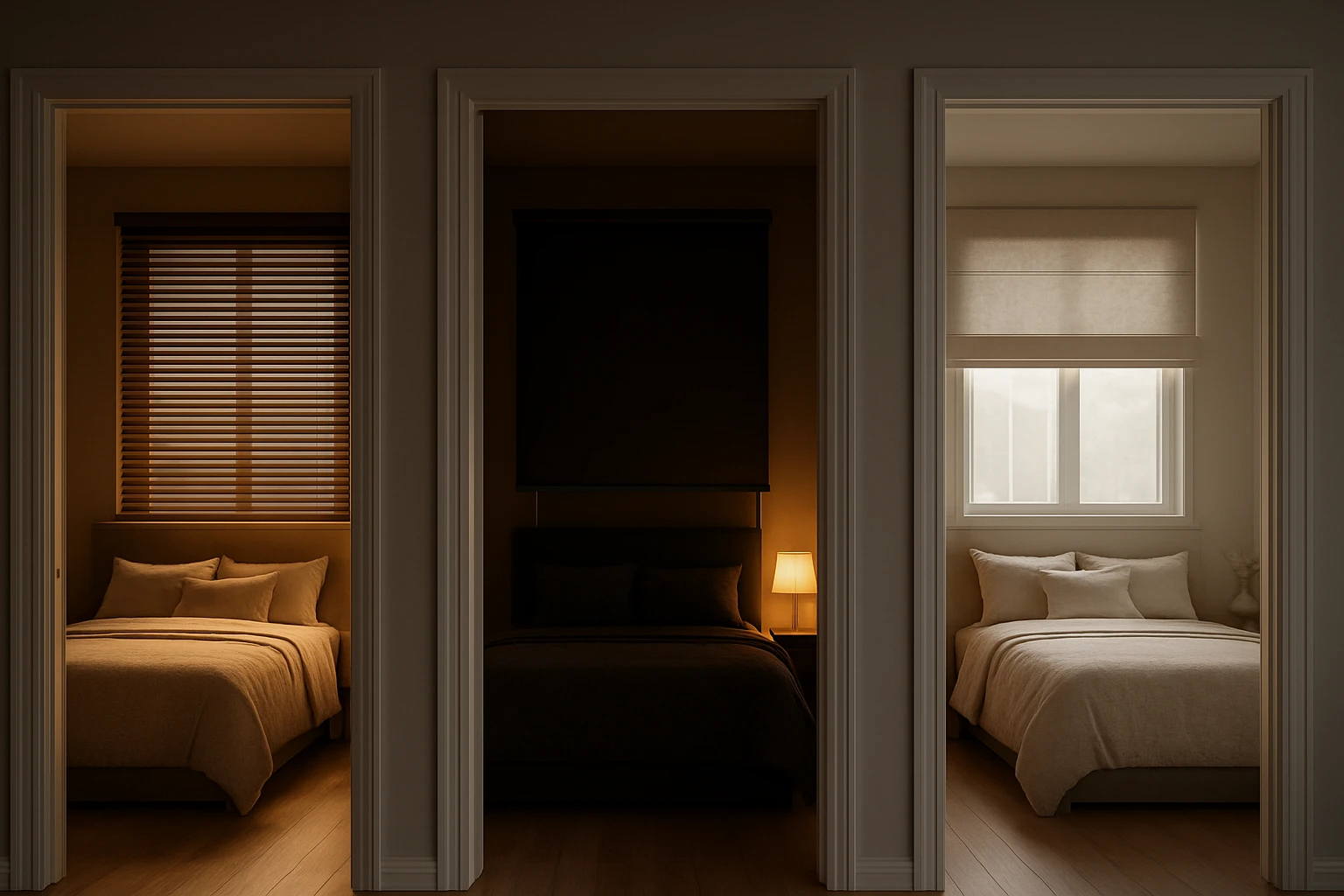
Different buyers want different things, so pick a style that suits the house and neighborhood. Neutral, easy-to-maintain options often give the best balance of cost and appeal.
High-Impact Choices
- Wooden or faux-wood blinds add warmth and a higher-end look in living rooms and main bedrooms. Link to an example so buyers can see finishes: Wooden Blinds.
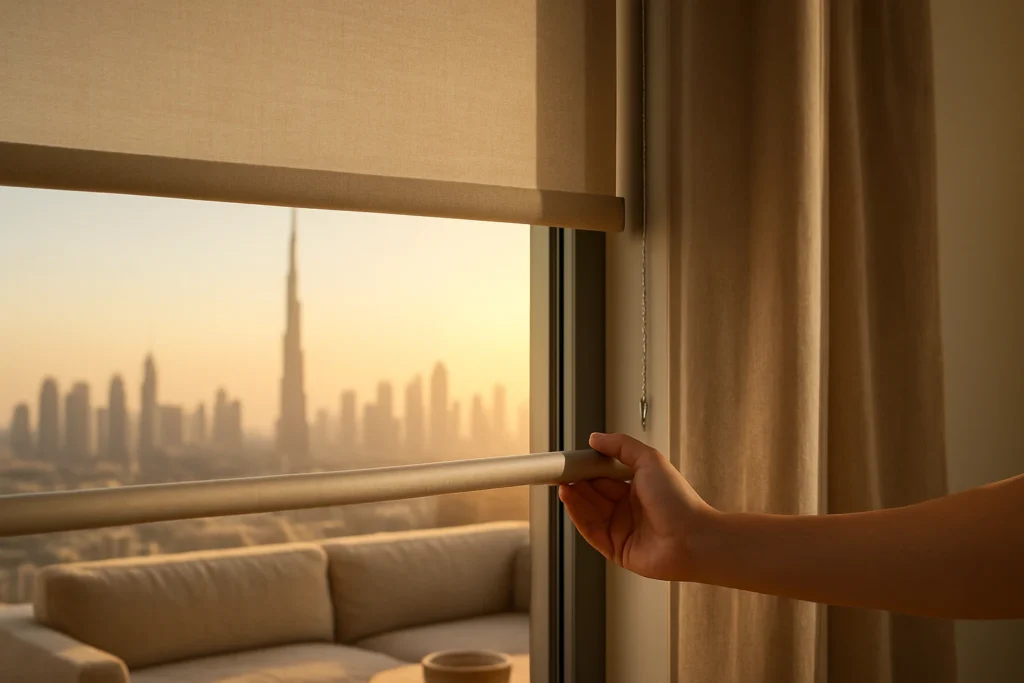
- Motorized blinds feel like a premium upgrade, especially on large or hard-to-reach windows. They photograph well for listings and open houses: Motorized Blinds.
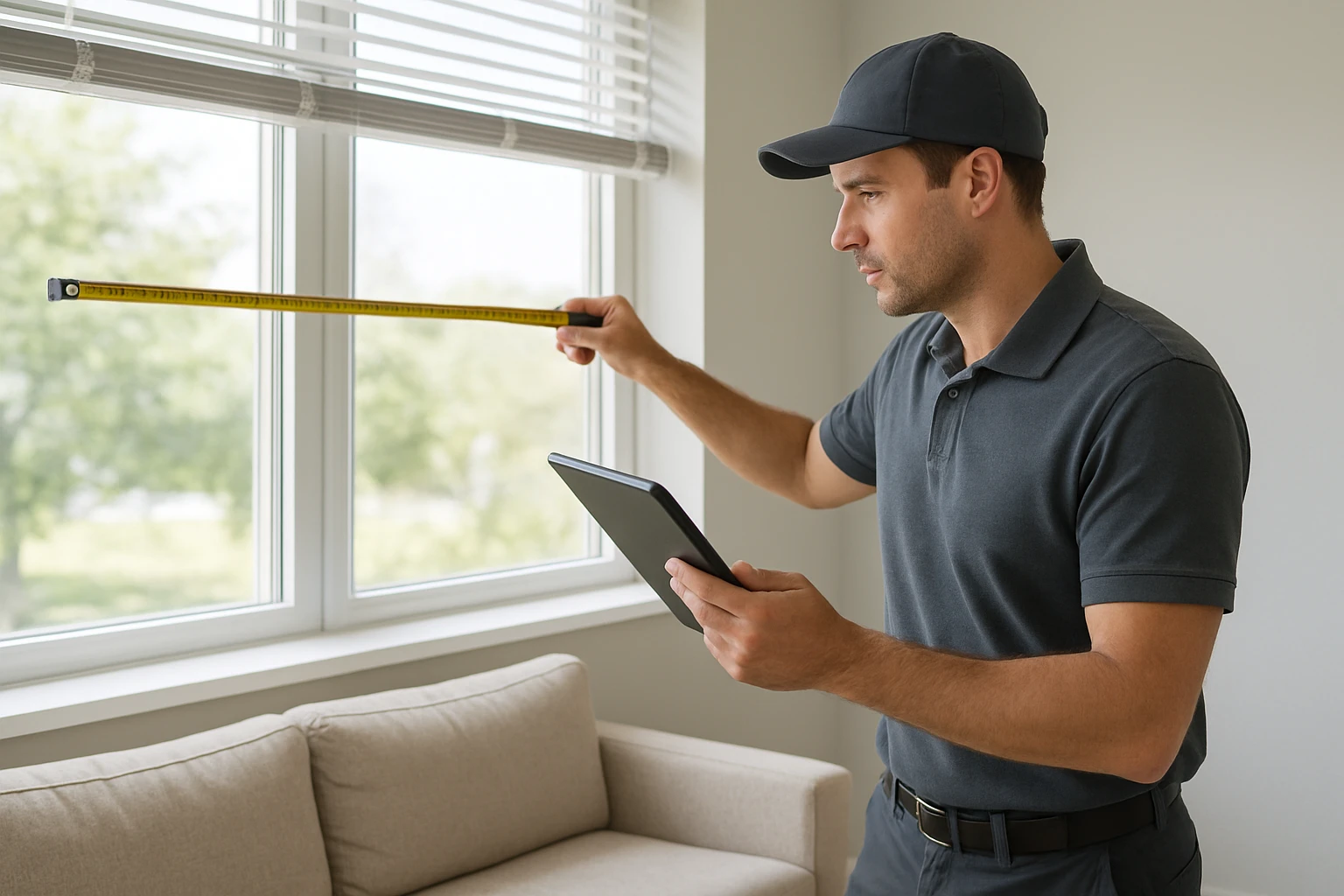
- Blackout blinds are a small but clear selling point for master bedrooms and rental-ready rooms: Blackout Blinds.
Cost-Conscious Choices
- Roller blinds are clean, modern and often the most budget-friendly upgrade, especially when you pick durable fabrics: Roller Blinds.
- Venetian and vertical blinds work well in rooms with many windows and in sliding doors: Venetian Blinds and Vertical Blinds.
- Bamboo blinds give a natural, textured look at a moderate cost: Bamboo Blinds.
How to Time Upgrades Before a Sale
You want upgrades that pay off fast, so timing matters. Small, well-chosen changes usually give a better return than fitting every window with expensive treatments.
Where to Spend First
- Focus on main living spaces and the master bedroom because buyers spend the most time there and remember them. Many sellers upgrade secondary rooms first by mistake.
- Replace damaged or mismatched coverings before adding high-end features. A consistent look matters more than mixing styles.
When to Skip High-End Options
If your sale window is short or buyers are price-sensitive, keep improvements modest. Motorized systems and custom wooden shutters pay off best when buyers expect luxury.
Installation and Measurement Basics
Install quality matters as much as product choice. Poor fit or visible wiring lowers buyer confidence and can wipe out any benefit from the blinds.
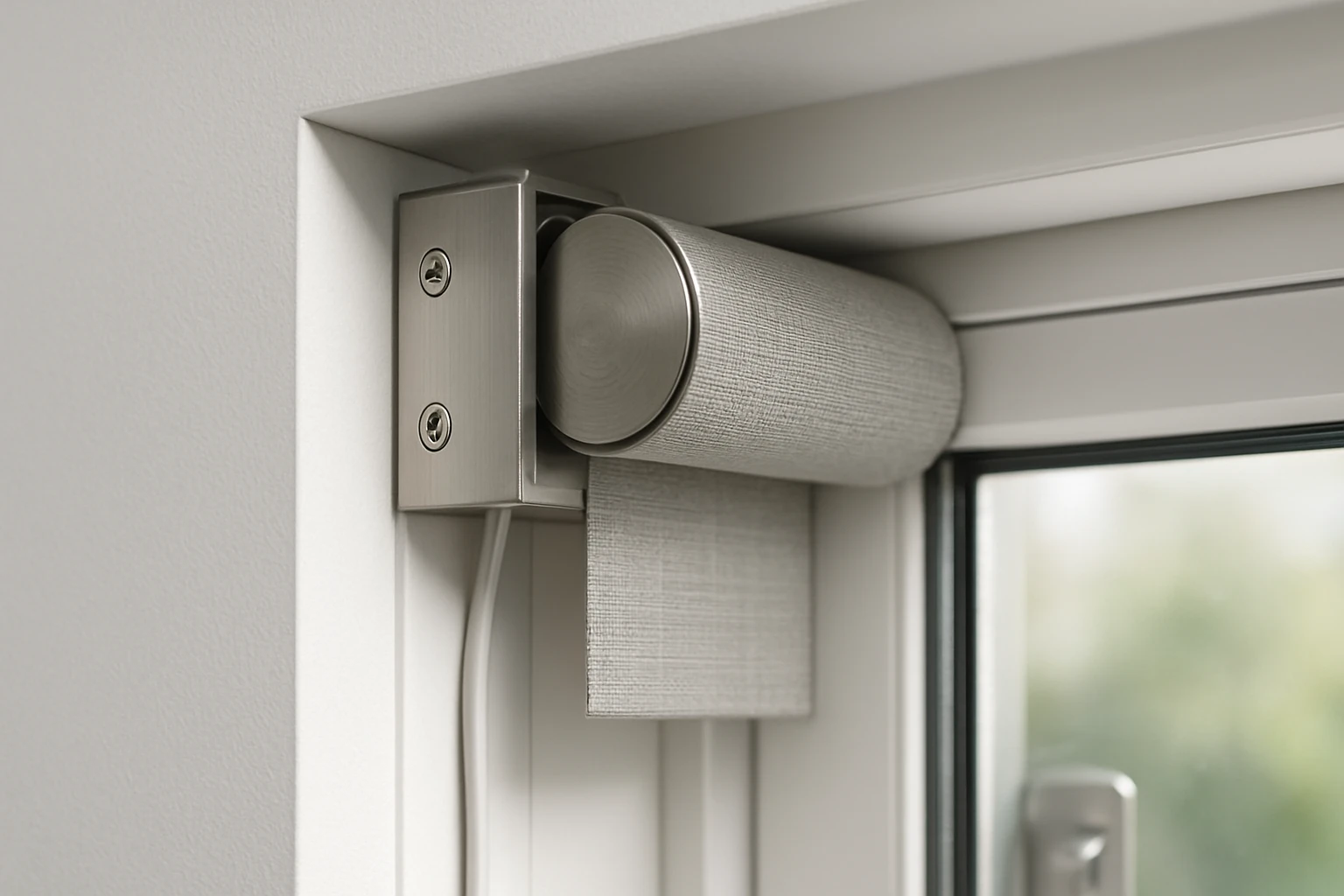
Measure for a Professional Fit:
Measure Twice, Order Once:
Measure both the window frame and the glass opening. Note any obstructions like handles or trim. A common error is ordering for the visible glass only and then finding the slats catch on a latch.
Consider Inside Mount Versus Outside Mount:
Inside mounts look built-in and suit modern properties. Outside mounts can make a window look larger and hide poor trim. Decide based on room proportions.
Installation Time and Cost
Professional fitters usually charge per window or per hour. A single window often takes 30 to 60 minutes. If you install many windows at once you may get a bundled price.
Cleaning, Care and Longevity
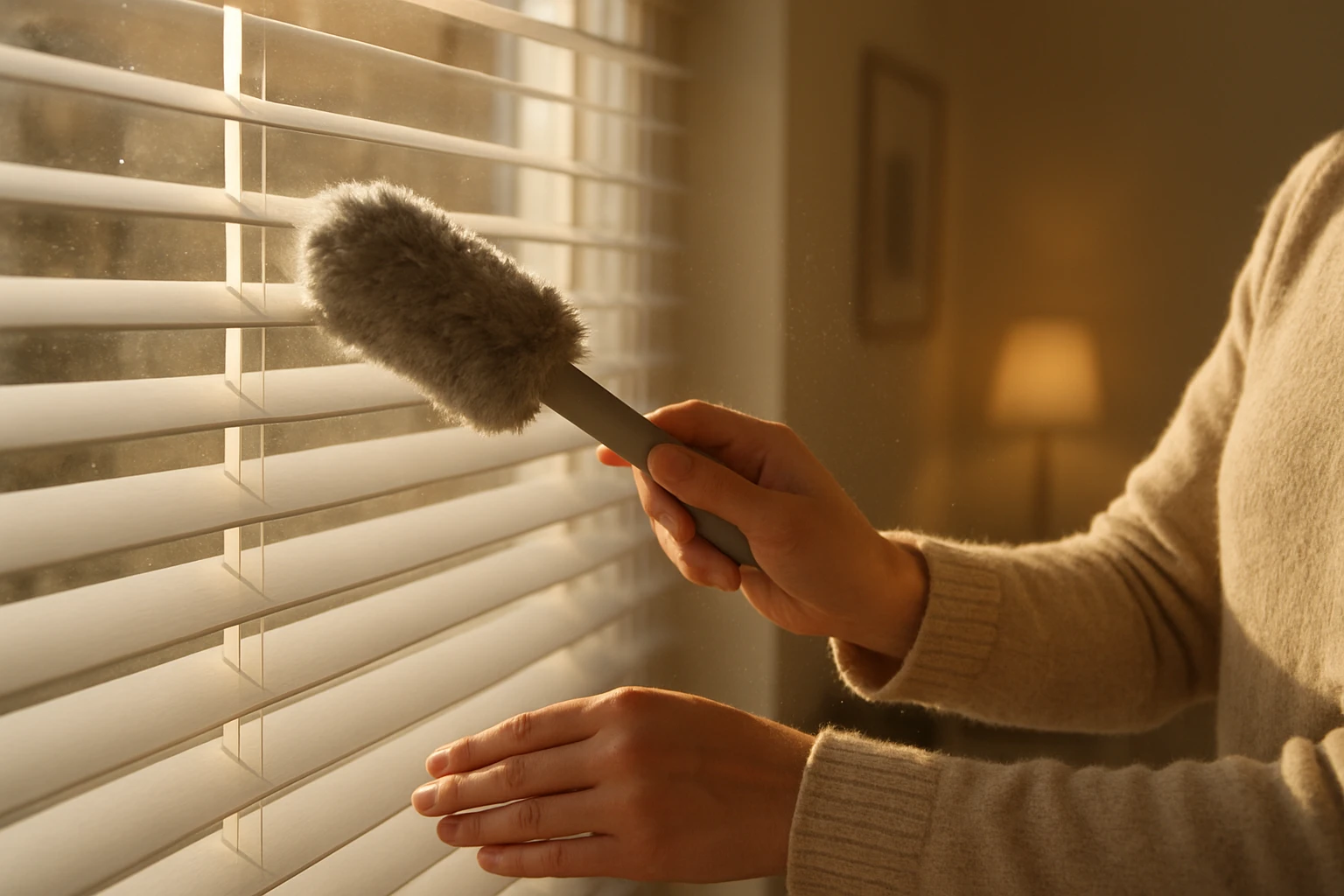
Buyers notice dust and broken cords. Well-maintained blinds show care and reduce perceived repair costs. Cleaning is simple and often cheap.
Routine Care:
Quick Dusting:
Use a soft brush or microfiber cloth weekly or as needed to keep slats dust-free.
Deep Cleaning:
Fabric blinds can be spot-cleaned, while vinyl and aluminum slats can be wiped with mild soapy water. A common mistake is soaking wooden blinds. Wood warps when wet, so use a slightly damp cloth only.
When to Replace Rather Than Repair
If slats are warped, cords fray, or mechanisms keep failing, replacement looks better than patch repairs. Buyers prefer working hardware over visible fixes.
Which Blinds Work Best by Room
Pick treatments that match a room’s function and the likely buyer profile.
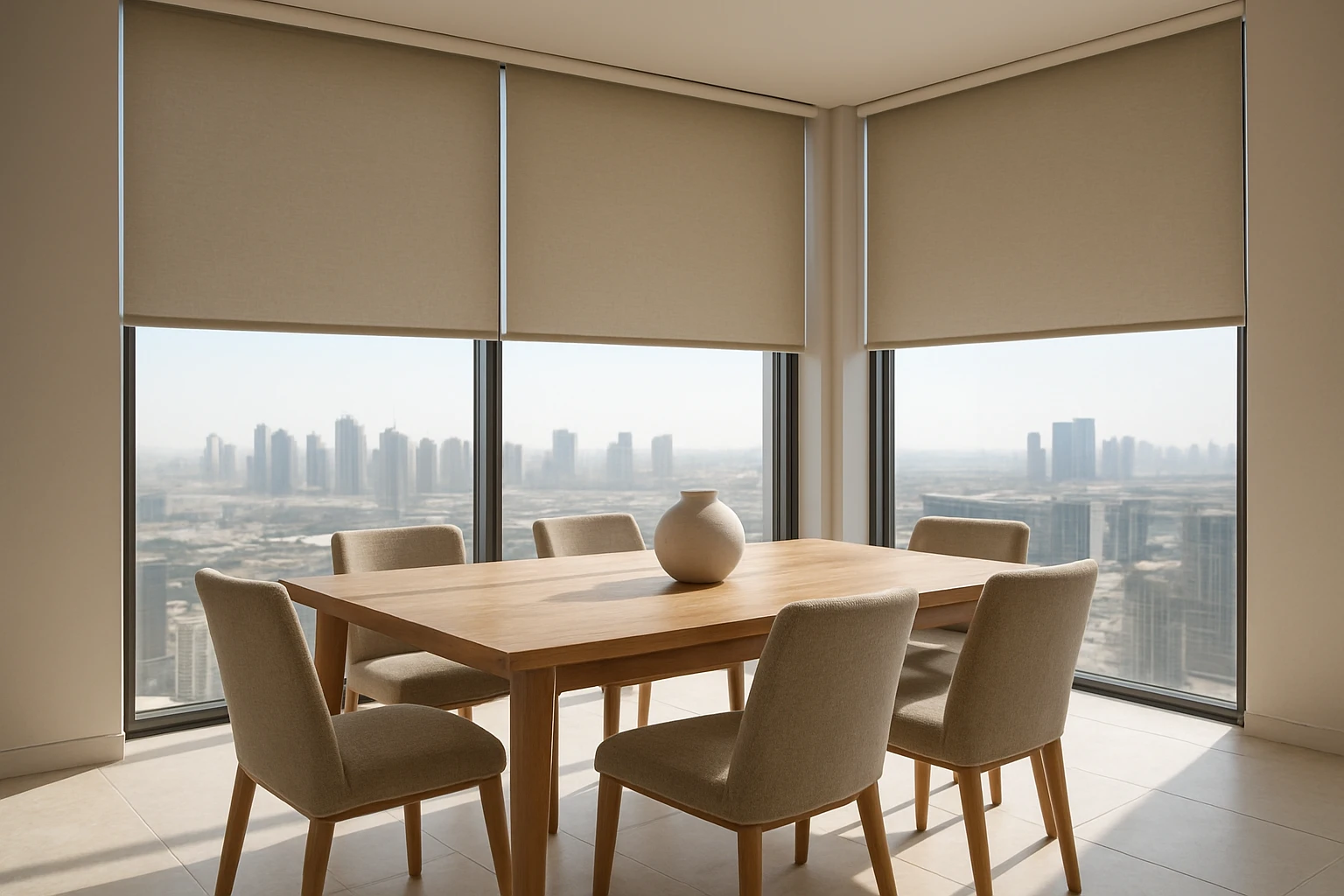
- Living Room: neutral roller or Venetian blinds for even light and a tidy look.
- Bedrooms: blackout roller or Roman blinds to help sleep and boost rental appeal.
- Kitchen and Bathroom: waterproof or easy-clean roller options. Consider Waterproof Blinds if moisture is a concern.
- Patio and Outdoor Areas: durable outdoor blinds expand usable space and add clear buyer appeal: Outdoor Blinds.
Blinds Versus Curtains When Preparing to Sell
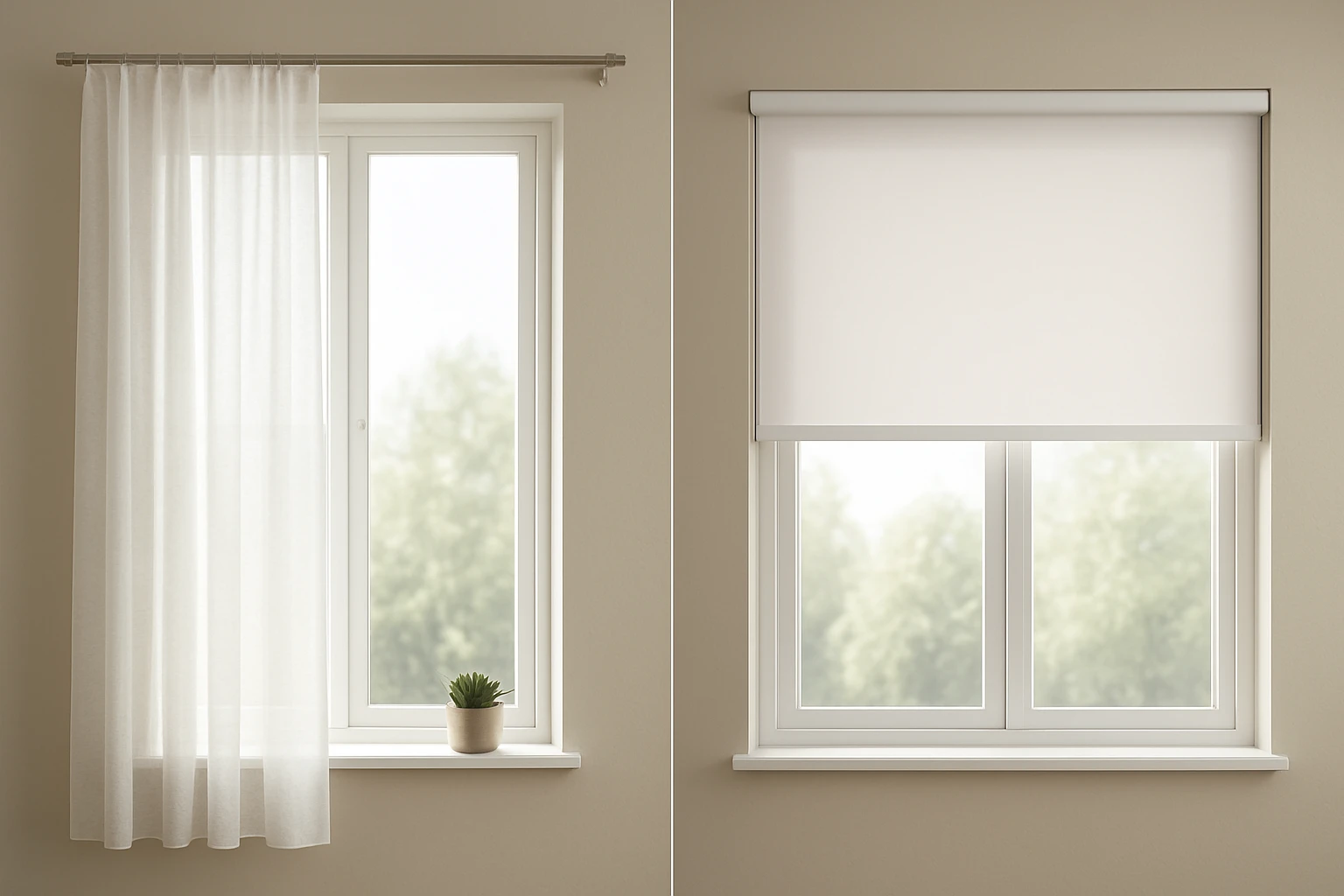
Both have strengths. The right choice depends on style and budget. For a direct comparison, see this overview: Blinds Vs Curtains: How to Choose the Right Window Covering.
Quick Comparison
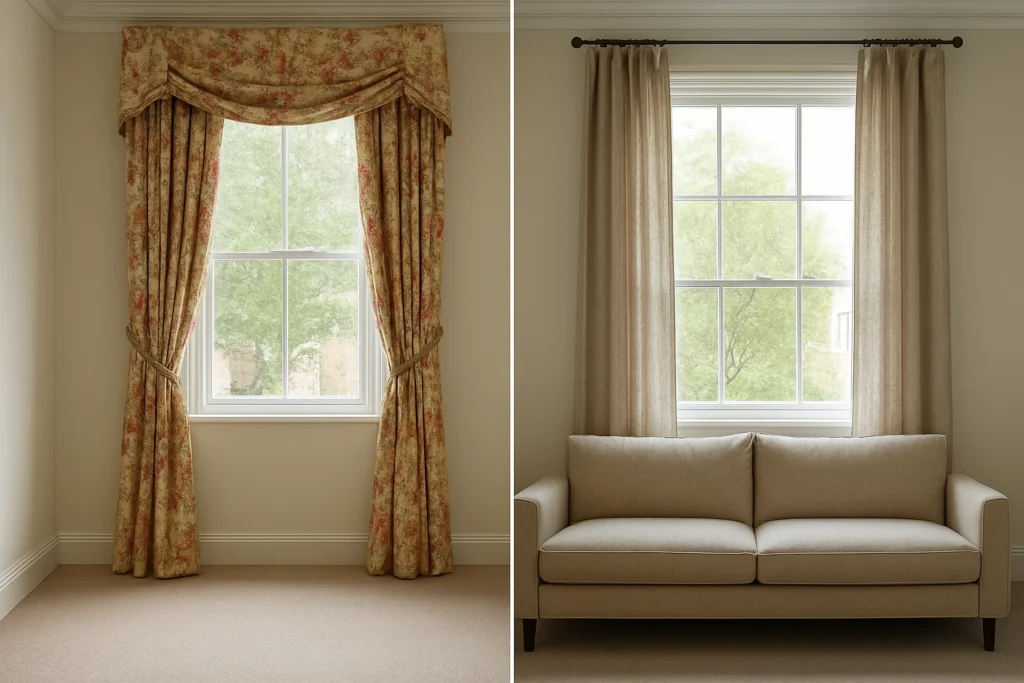
- Curtains add softness and color and suit traditional homes.
- Blinds give a clean, modern look and fit tight window spaces more easily.
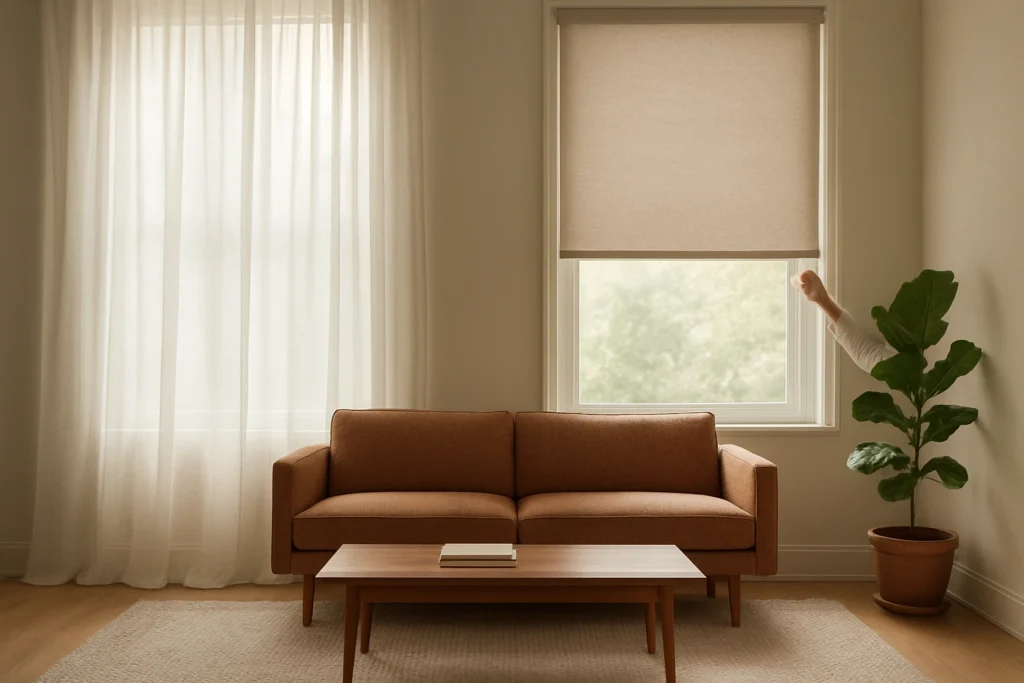
- A layered approach with blinds for light control and curtains for style works well in higher-end homes.
Practical Checklist Before Listing
Use this short list to get the most value for the least cost.
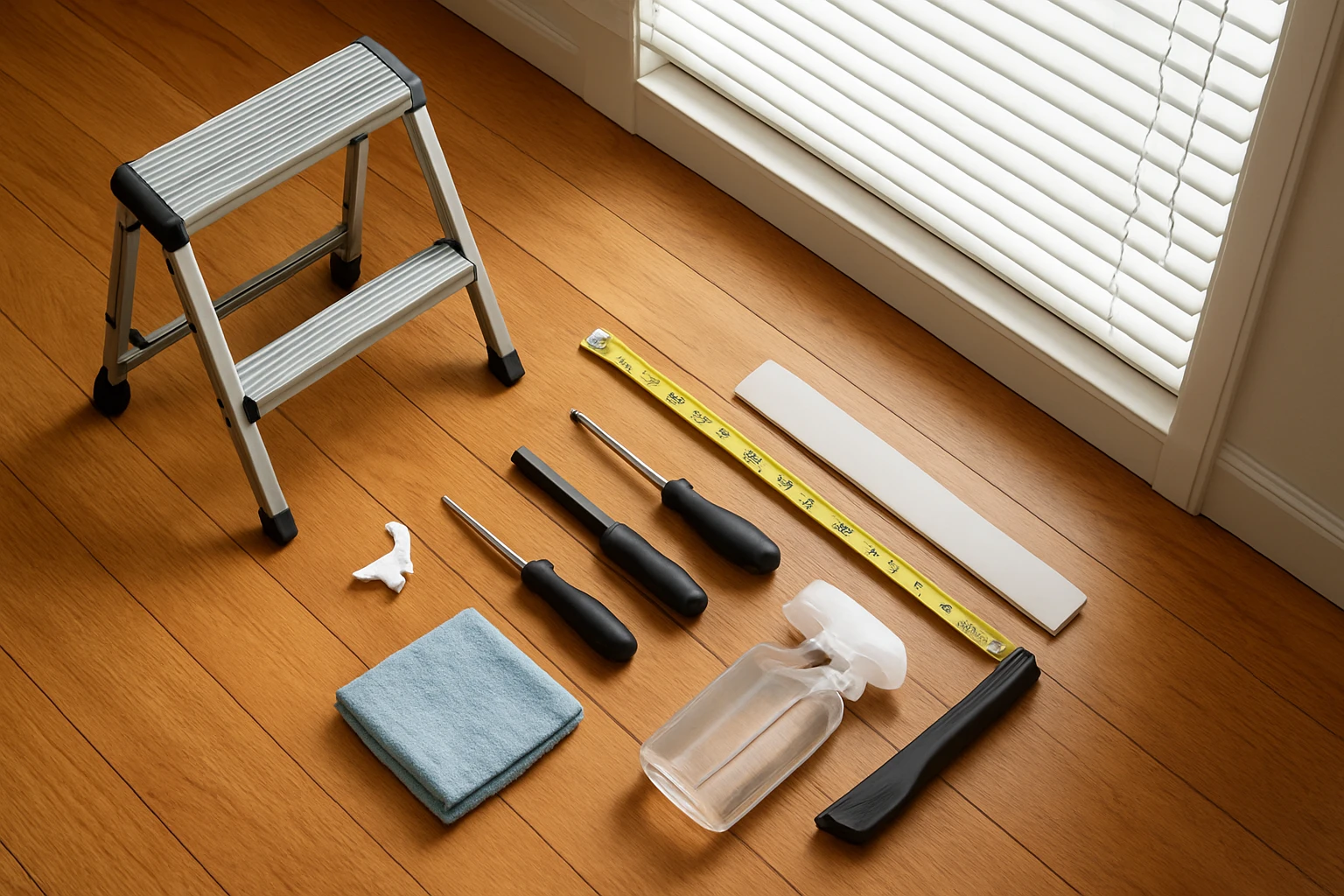
- Replace or repair visibly damaged blinds.
- Choose neutral colors and consistent styles in main rooms.
- Fix wiring and hide cords. Child safety is also a buyer concern.
- Clean all coverings and show that mechanisms work during viewings.
Local Market Notes and Where to Learn More
Local taste and climate change what buyers prefer. In hot areas, outdoor shading and blackout options often become selling points. Check local listings and comparable homes to match buyer expectations.
For more on choosing and caring for roller systems, see the buying and care guide: Roller Blinds: Choose, Measure, Install and Care for Lasting Results. For broader buying options in the area, review this curated list: Best Curtains and Blinds in Dubai 2026: Buying Guide. When you need cleaning tips for specific blind types, this resource helps: How to Clean Blinds Safely.
Final Recommendation
Blinds alone rarely add a large fixed dollar amount to a sale, but they change how buyers see a home and reduce objections. Pick clean, well fitted, neutral options for key rooms. Repair visible damage rather than hiding it. Match the quality of the blinds to the property. That approach is the most reliable way blinds help a home sell faster and for a better price.
Frequently Asked Questions
Will New Blinds Increase My Home Resale Price?
New blinds improve look and buyer perception but rarely add a large set amount to the sale price by themselves. They do help speed up sales and may reduce the number of price concessions because the home looks move-in ready.
Which Blind Types Are Best for Resale?
Neutral, easy-to-clean options like roller or Venetian blinds suit many buyers, while wooden or motorized blinds fit better in mid to high-end homes. Match the blind quality to the property level.
How Much Should I Spend on Blinds Before Selling?
Spend where buyers will notice most: living room and master bedroom. Choose a level that fits your home’s market; modest, well-fitted solutions usually give the best return for the least cost.
Are Motorized Blinds Worth the Cost for Selling?
Motorized blinds can improve perceived value and are attractive to luxury buyers, but they cost more. They are worth it when selling in a high-end segment or when they solve access issues on large windows.
Can I Install Blinds Myself to Save Money?
DIY install is fine for standard inside-mount blinds if you measure carefully, but hire a pro for large windows, tricky trims or motorized systems. Poor fit can hurt buyer impressions more than saving the installation cost helps.