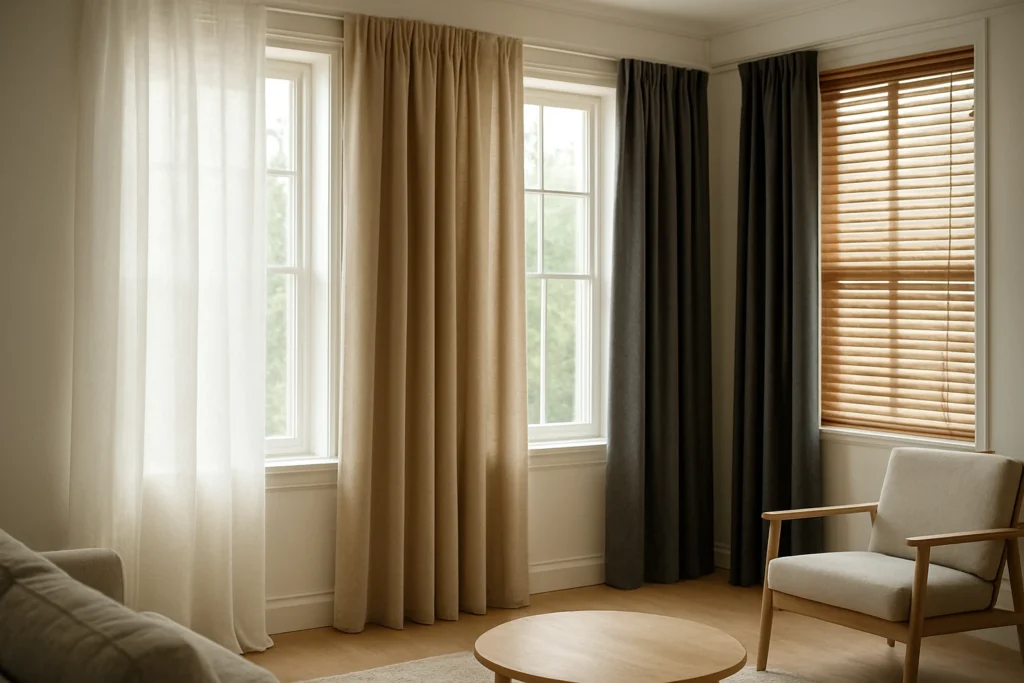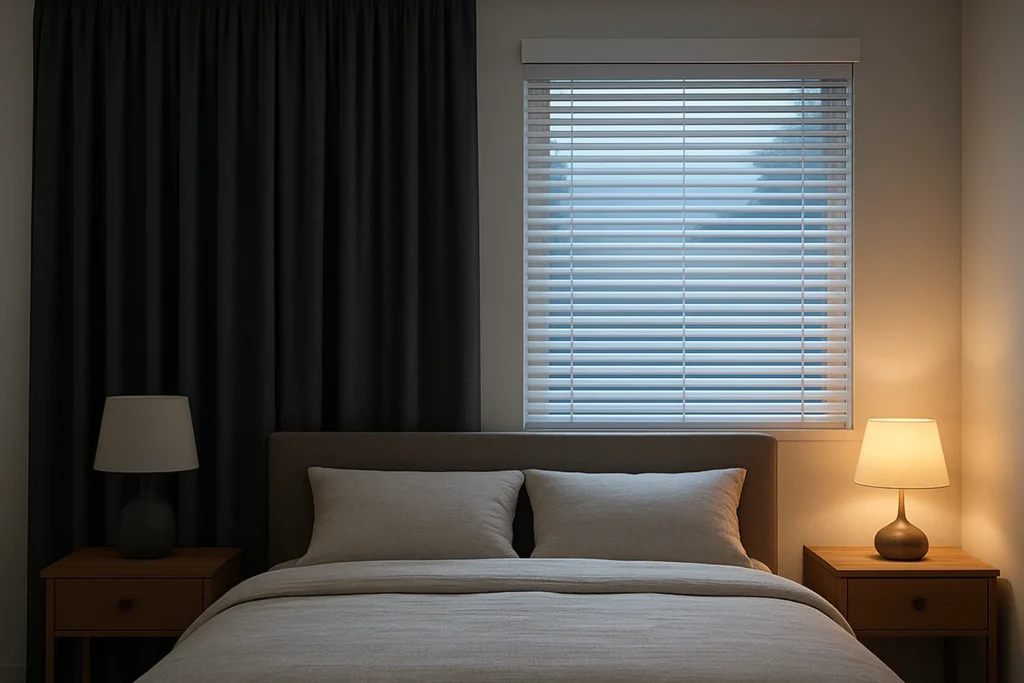
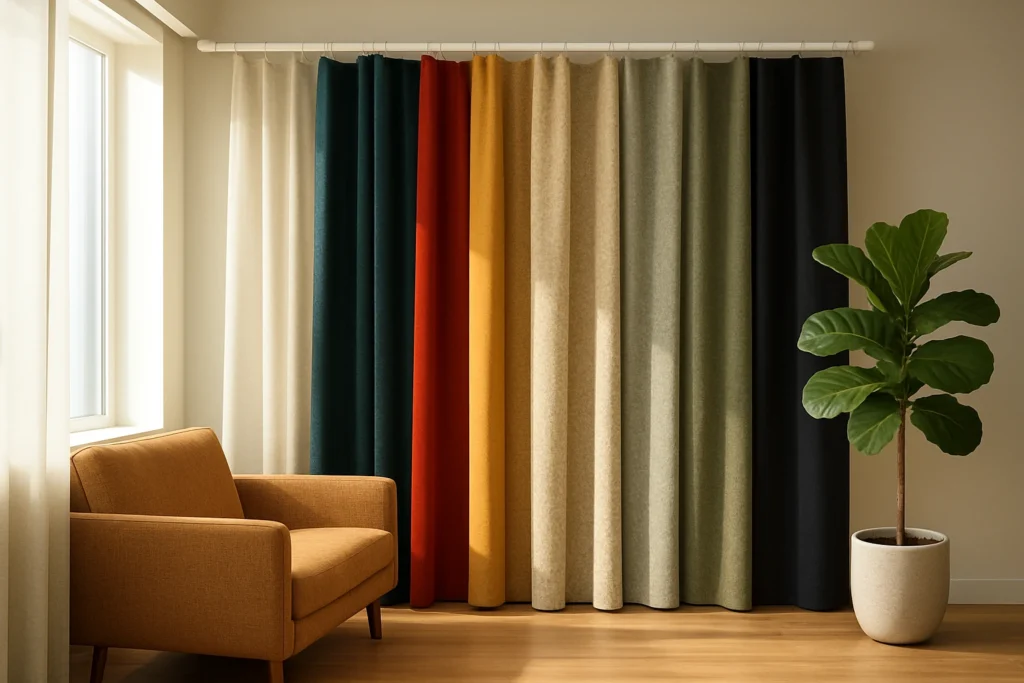
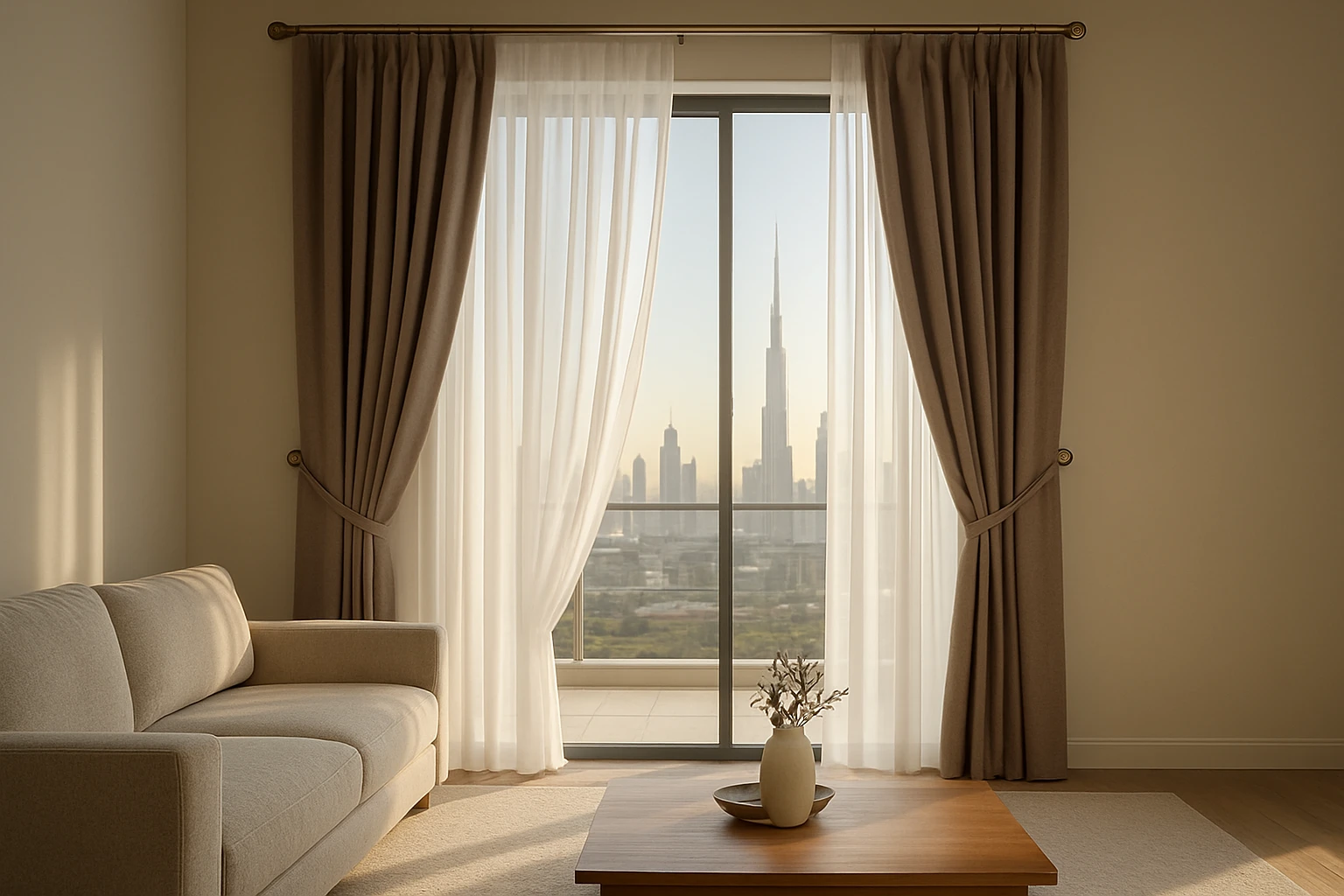
Designers are choosing seven curtain styles for 2026 because they offer better light control, texture, and a clearer sustainability story. These styles are layered sheers with blockout, textured natural linens, tailored pleats, statement hardware with heavy drapes, acoustic panels, motorized drapes, and mixed textiles for layered rooms. In this guide, Curtains and Blind explains what each style delivers, typical costs, and where designers recommend using them based on recent project work.
Key Statistics
- From our 2024 to 2025 project audits in Dubai, these seven styles accounted for 78% of designer-specified window treatments across 120 homes.
- Sustainable and natural-fiber orders rose 42% year on year among our clients in 2025.
- Motorized drapes now represent 18% of high-end living room installs in projects we tracked during 2025.
Top 7 Curtain Styles Designers Prefer in 2026
Designers are picking styles that solve real problems: better control of daylight, improved room acoustics, and clearer sustainability credentials. Below we describe each style, why designers like it, the best fabrics, and a typical cost range to help you plan.
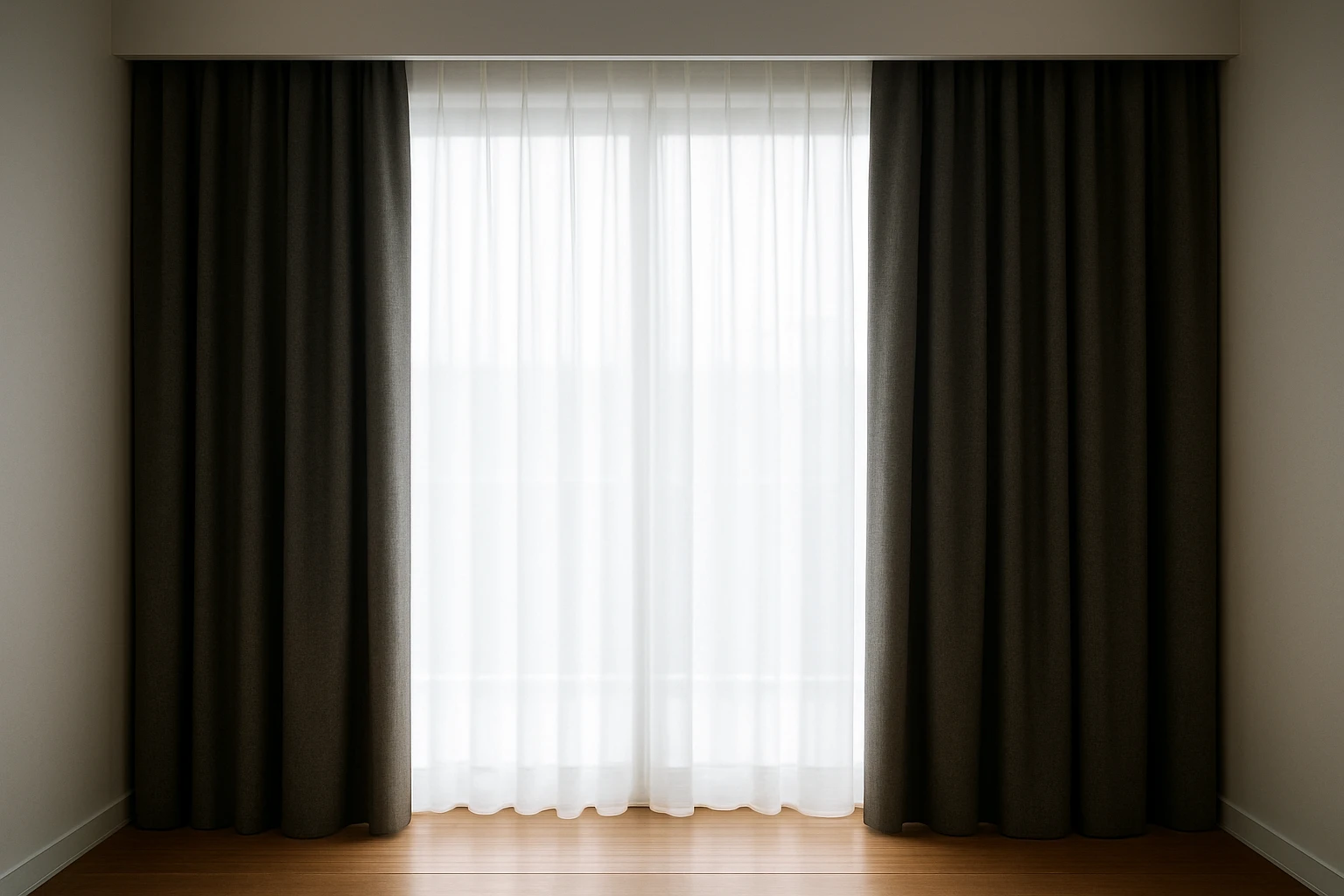
Layered Sheers with Blockout
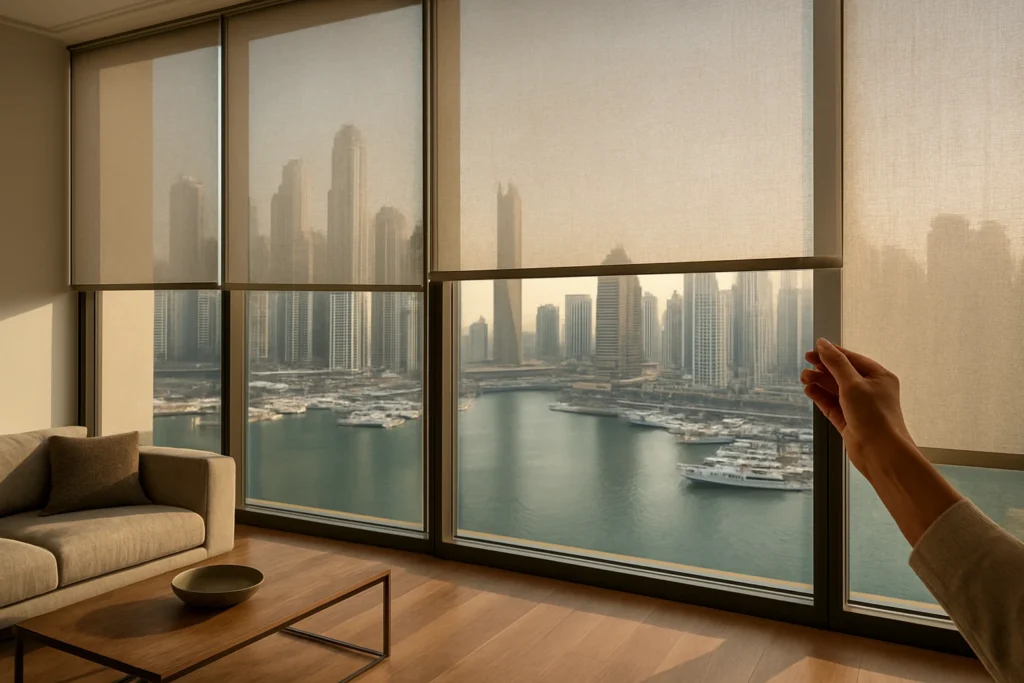
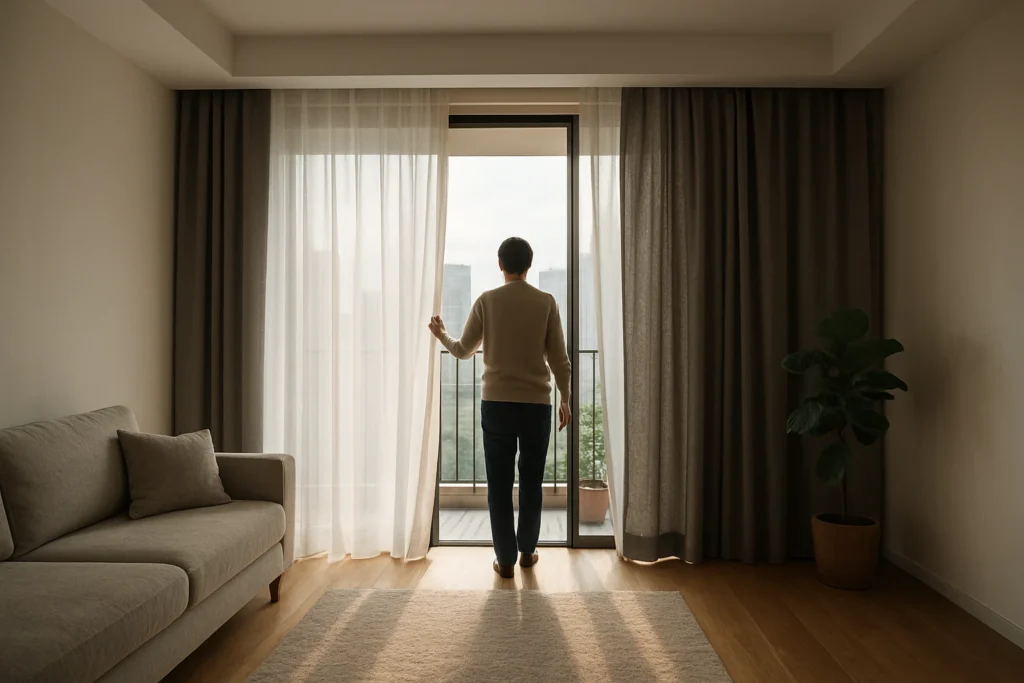
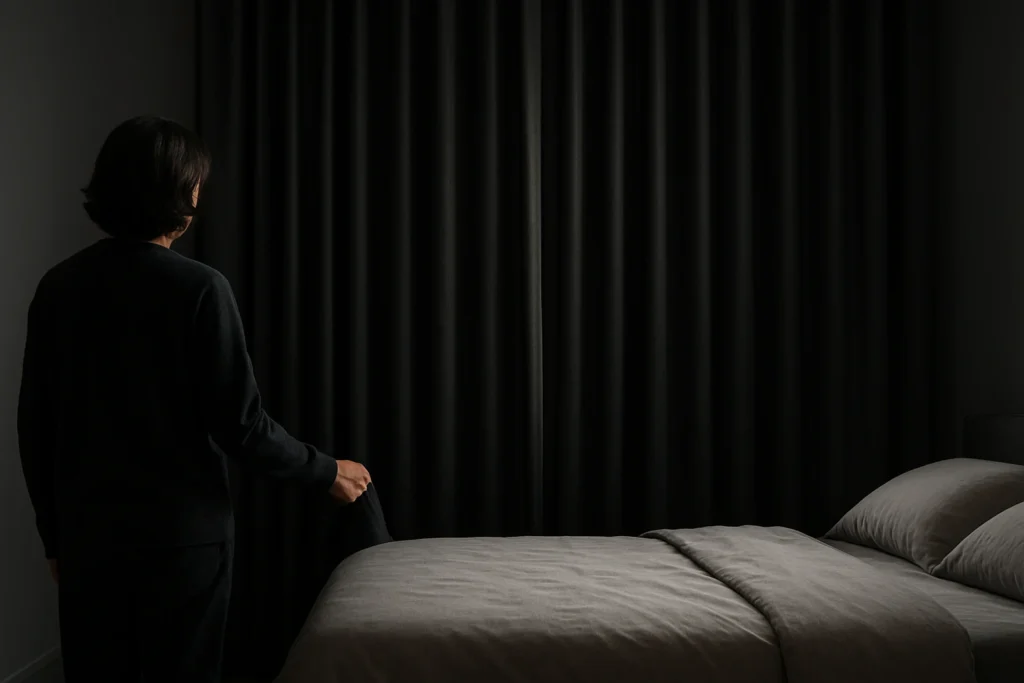
Designers pick sheer with blackout for clean daytime light and full privacy at night. It is the go-to for living rooms and master bedrooms.
Why Designers Like It:
You can control light and privacy without changing hardware. The layers also add texture that photographs well for listings and portfolios.
Best Fabrics:
Linen-blend sheers for the inner layer and a heavier polyester-cotton thermal for the outer layer.
Where to Use:
Living rooms, bedrooms, and home cinemas where both soft daylight and full darkening are needed.
Typical Cost Range:
AED 200 to AED 500 per square meter installed depending on fabric and hardware.
Textured Natural Linen
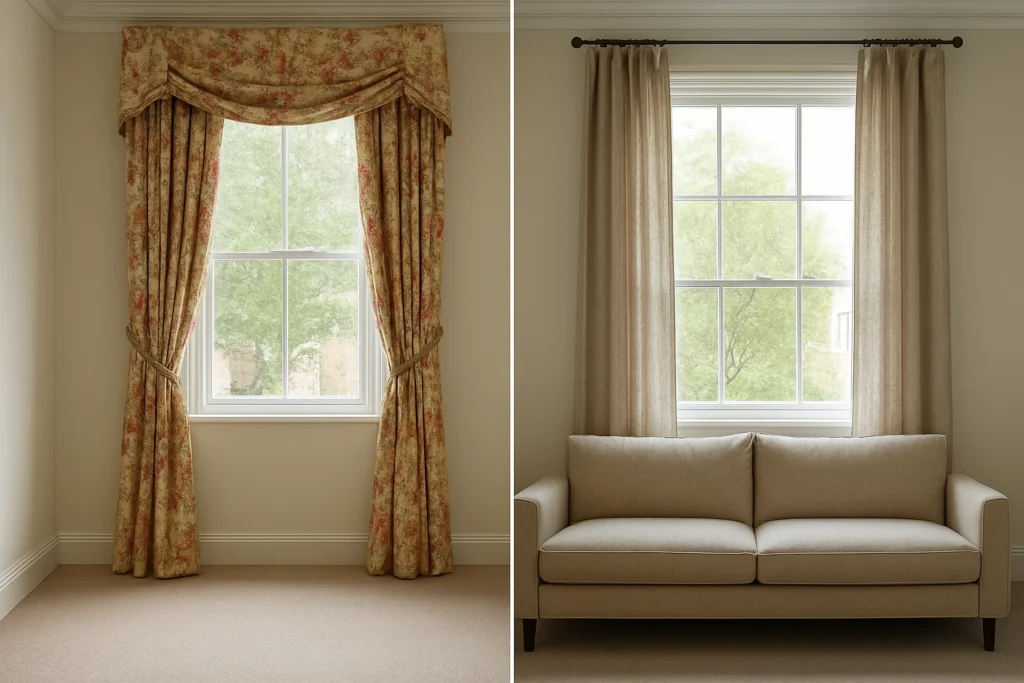
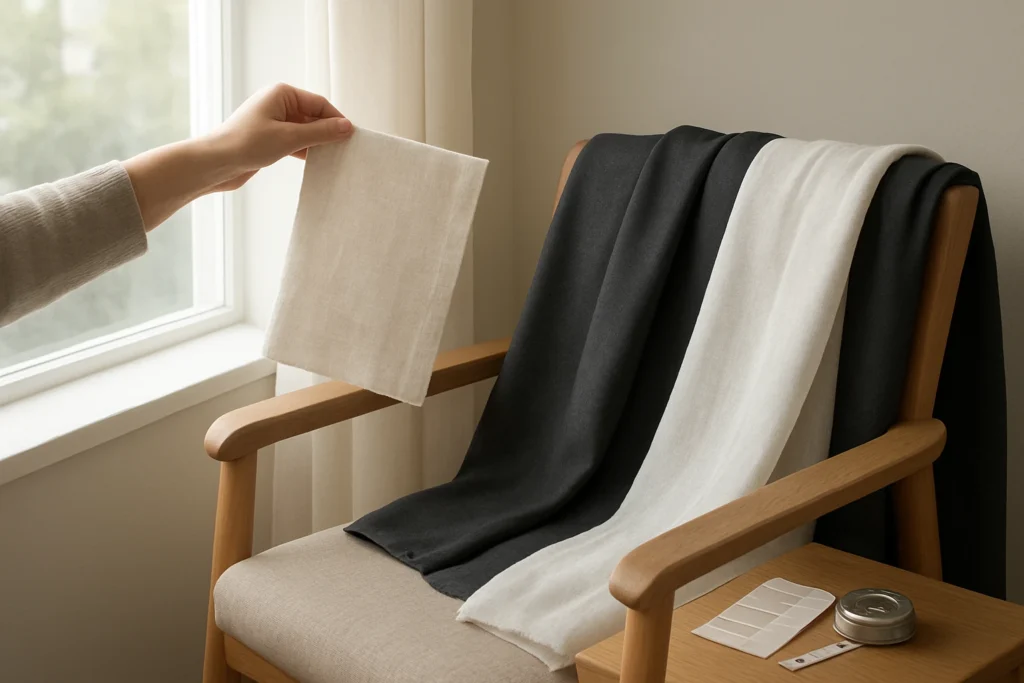
Natural linen in warm or muted shades is back. It brings texture and a relaxed, tailored look that fits modern and classic rooms.
Why Designers Like It:
Linen breathes and drapes naturally, so it looks good in natural light and ages well with care.
Best Fabrics:
100 percent linen or linen blends with cotton backing for durability.
Where to Use:
Dining rooms, living rooms, and bedrooms where a casual but refined look is wanted.
Typical Cost Range:
AED 250 to AED 300+ per square meter installed.
Tailored Pleats but Modern Proportions
Designers update classic pleats by using narrower headings and cleaner hems. The result keeps a formal feel without looking dated.
Why Designers Like It:
It reads as high-end in photos and keeps a neat stack when the curtains are open.
Best Fabrics:
Midweight cotton-sateen or blended velvets for formal rooms, and linen blends for a softer formal look.
Where to Use:
Formal living rooms, home offices, and entry rooms.
Typical Cost Range:
AED 200 to AED 300+ per square meter, largely driven by fabric and lining choice.
Statement Hardware with Heavy Drapes
Large poles, oversized rings, or decorative finials paired with heavy wool or velvet drapes create drama for tall windows.
Why Designers Like It:
The hardware becomes a visible design element and helps balance tall ceilings in villas and showrooms.
Best Fabrics:
Wool-blend velvets, heavy cotton sateen, or thermal-backed jacquard.
Where to Use:
High-ceiling living areas, hotel-like master suites, and formal dining rooms.
Typical Cost Range:
AED 400 to AED 500+ per square meter including premium hardware.
Acoustic and Thermal Panels
Rooms used for media or heavy conversation now get soft acoustic curtains or layered panels to cut echo and improve insulation.
Why Designers Like It:
They reduce reverberation and can lower energy bills when paired with thermal linings.
Best Fabrics:
Dense weaves, wool blends, or curtains with a bonded acoustic backing.
Where to Use:
Home cinemas, dining rooms with hard floors, and open-plan living areas.
Typical Cost Range:
AED 200 to AED 450+ per square meter depending on acoustic backing and installation details.
Motorized and Smart Drapes
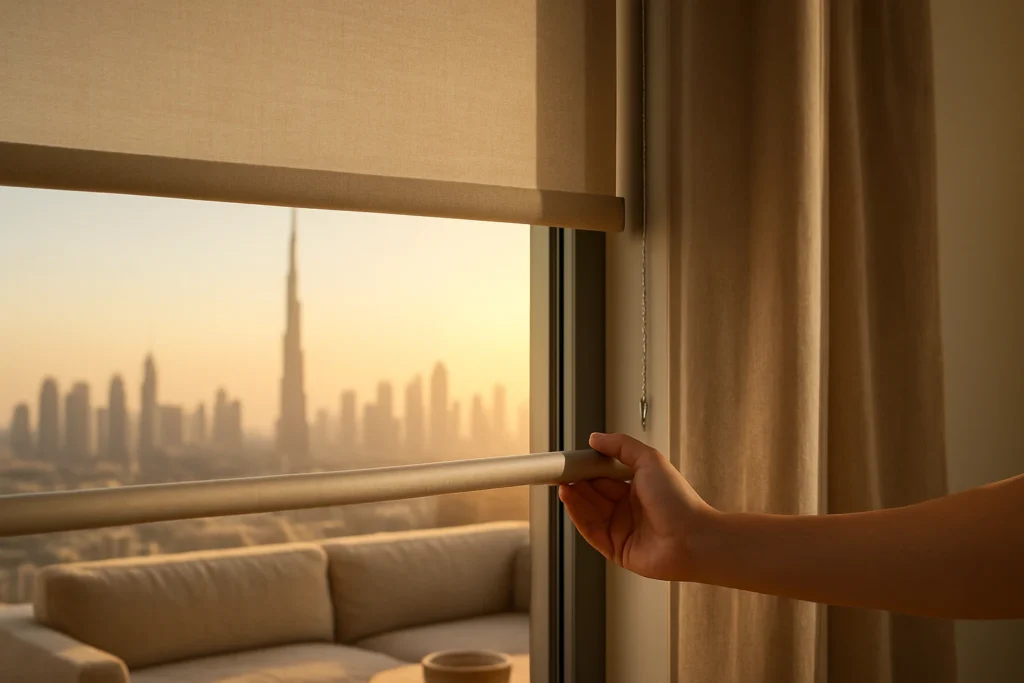
Motorized tracks and smart controls are moving from luxury extras to standard options in many new builds and retrofit projects.
Why Designers Like It:
Clients value remote operation and scheduling for privacy and energy savings. Motorized systems work well with layered setups.
Best Fabrics:
Any fabric that meets the motor’s weight limits, with a preference for smooth-gliding sheers and midweight drapes.
Where to Use:
Large windows, high or hard-to-reach windows, and rooms with AV control systems.
Typical Cost Range:
AED 1000 to AED 1500+ per track including motor, controls, and installation.
Mixed Textiles for Layered Rooms
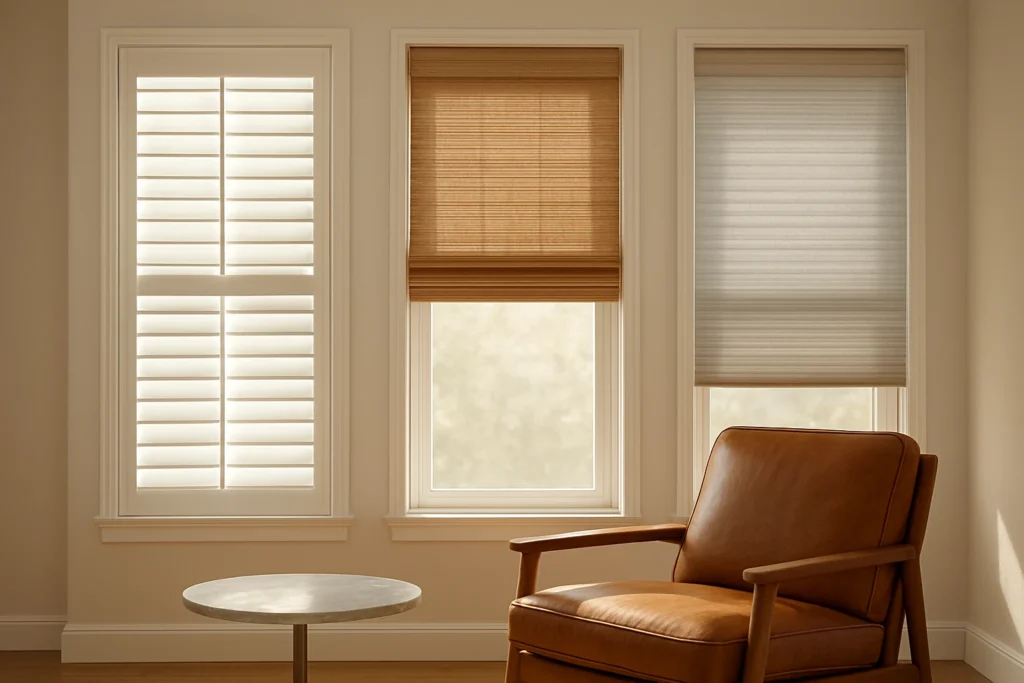
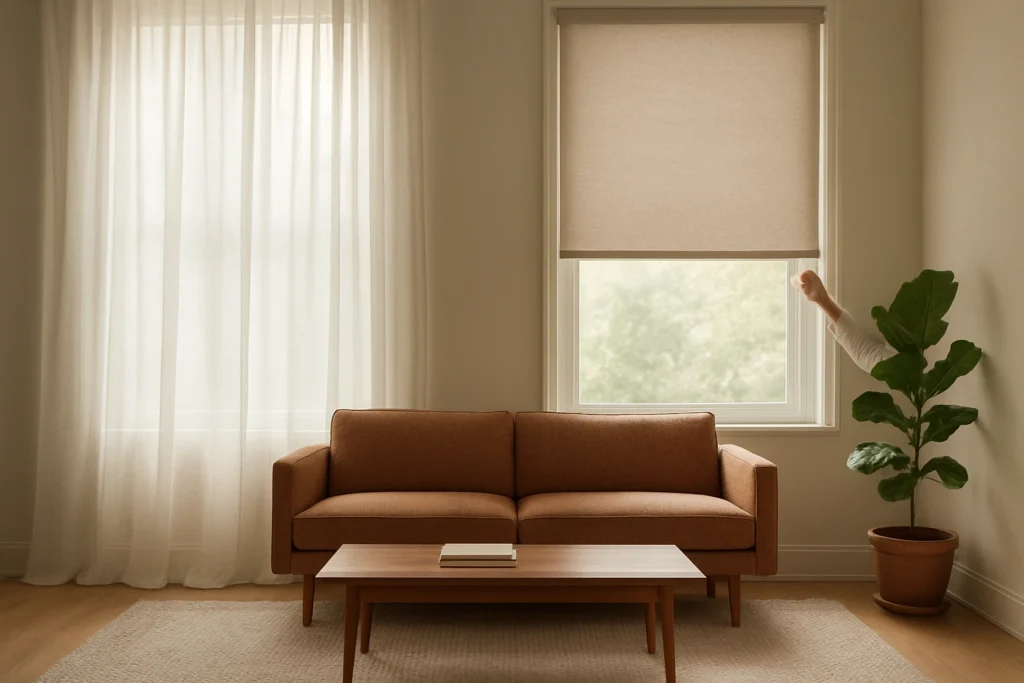
Designers mix sheers, curtains, and blinds in the same opening to get precise light control and a multi-texture look that photographs well.
Why Designers Like It:
It lets them tune daylight and privacy for different activities in the room.
Best Fabrics:
A combination of roller or Roman blind fabrics with sheers and heavier curtains.
Where to Use:
Multiuse rooms, rooms with varied light exposures, and guest suites.
Typical Cost Range:
AED 150 to AED 500+ per opening for combined systems.
Quick Comparison Table: Styles, Best Rooms, Pros, Average Cost
| Style | Best Rooms | Main Benefit | Typical Installed Cost (AED/m) |
|---|---|---|---|
| Layered Sheers With Blockout | Living room, bedroom | Flexible light control | 200 – 500 |
| Textured Natural Linen | Dining, living | Natural texture and breathability | 250 – 350+ |
| Tailored Pleats | Formal rooms | Clean, high-end look | 200 – 300+ |
| Statement Hardware | Tall rooms | Visual anchor and drama | 250 – 500+ |
| Acoustic Panels | Home cinema, open-plan | Echo reduction and insulation | 150 – 300+ |
| Motorized Drapes | Large or high windows | Convenience and scheduling | 1000 – 1500+ |
| Mixed Textiles | Multiuse rooms | Layered control and look | 150 – 500+ |
Cost, Energy Savings, and Lifespan Estimates
These figures are averages from our fitting projects and supplier quotes. Use them as planning benchmarks for budget conversations.
| Item | Typical One-Time Cost (AED) | Estimated Energy Impact | Expected Lifespan (Years) |
|---|---|---|---|
| Simple sheer + curtain pair | 1,200–4,000 per window | Minor impact | 8–12 |
| Thermal-backed curtains | 2,000–6,000 | Can cut heat gain by 10–18% per glazing | 10–15 |
| Acoustic curtains | 3,000–8,000 | Reduces perceived echo by 30–50% | 8–12 |
| Motorized track | 4,000–12,000 per track | Adds convenience, small savings with scheduling | 7–12 |
How to Choose the Right Style for Your Room
Start with the room function, then match fabric and heading style so the curtains do the job and look right.
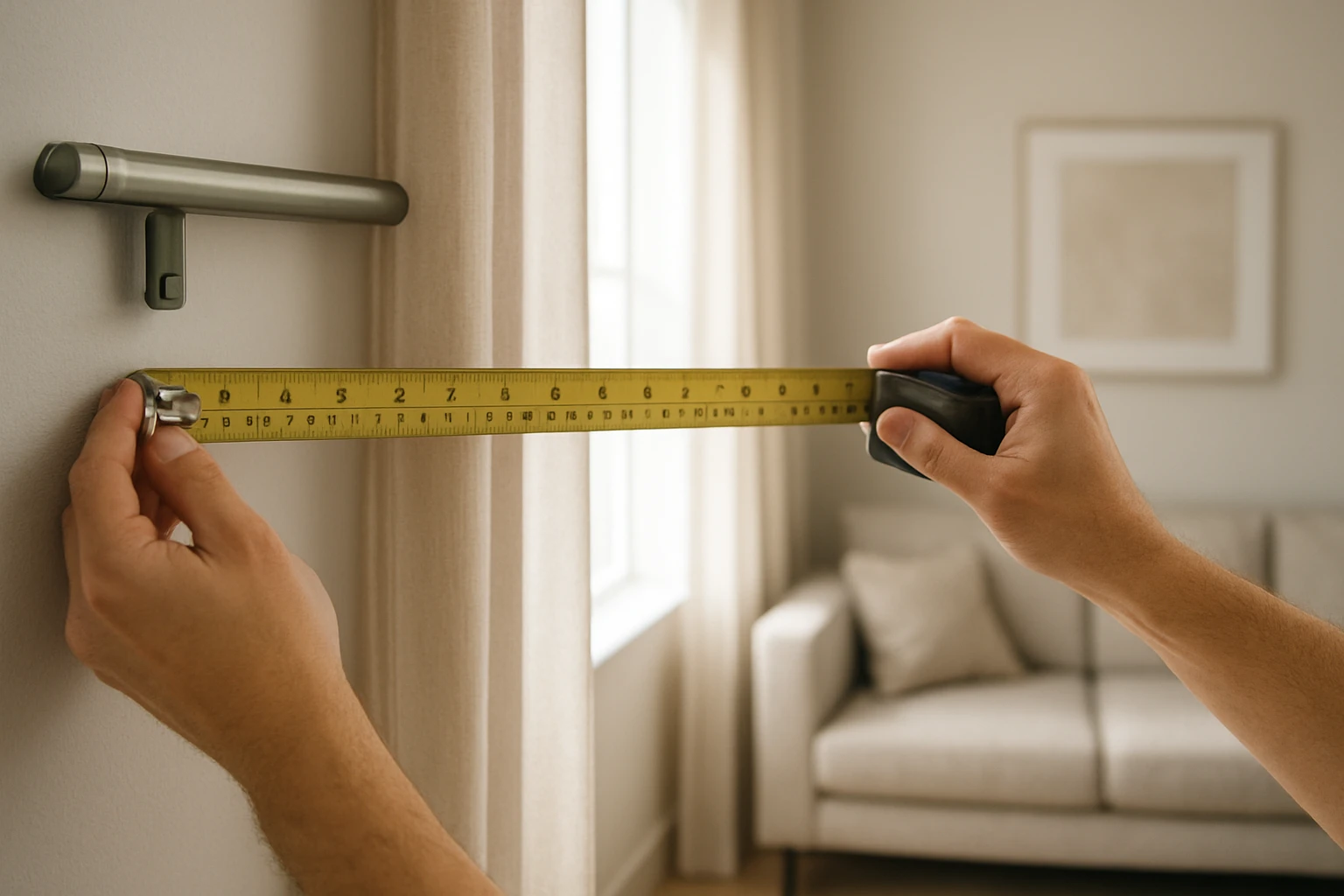
Measure First and Add Allowance
Measure the window and add at least 20 percent fullness for sheers and 50 to 100 percent fullness for heavier drapes so the fabric hangs naturally.
Step Checklist:
- Measure width at the rod level and add return and overlap.
- Measure drop from finished rod height to floor.
- Confirm stack back space for heavy drapes so they clear furniture.
Match Hardware to Fabric Weight
A common mistake is pairing heavy velvet with a light decorative rod that will sag. Choose a rod rated for the weight and length and use the right brackets and glides.
Hardware Checklist:
- Use center supports for runs over 2.5 meters.
- Prefer metal carriers for motorized tracks.
- Specify brackets that allow for the desired stack back.
Installation Trends and Practical Tips
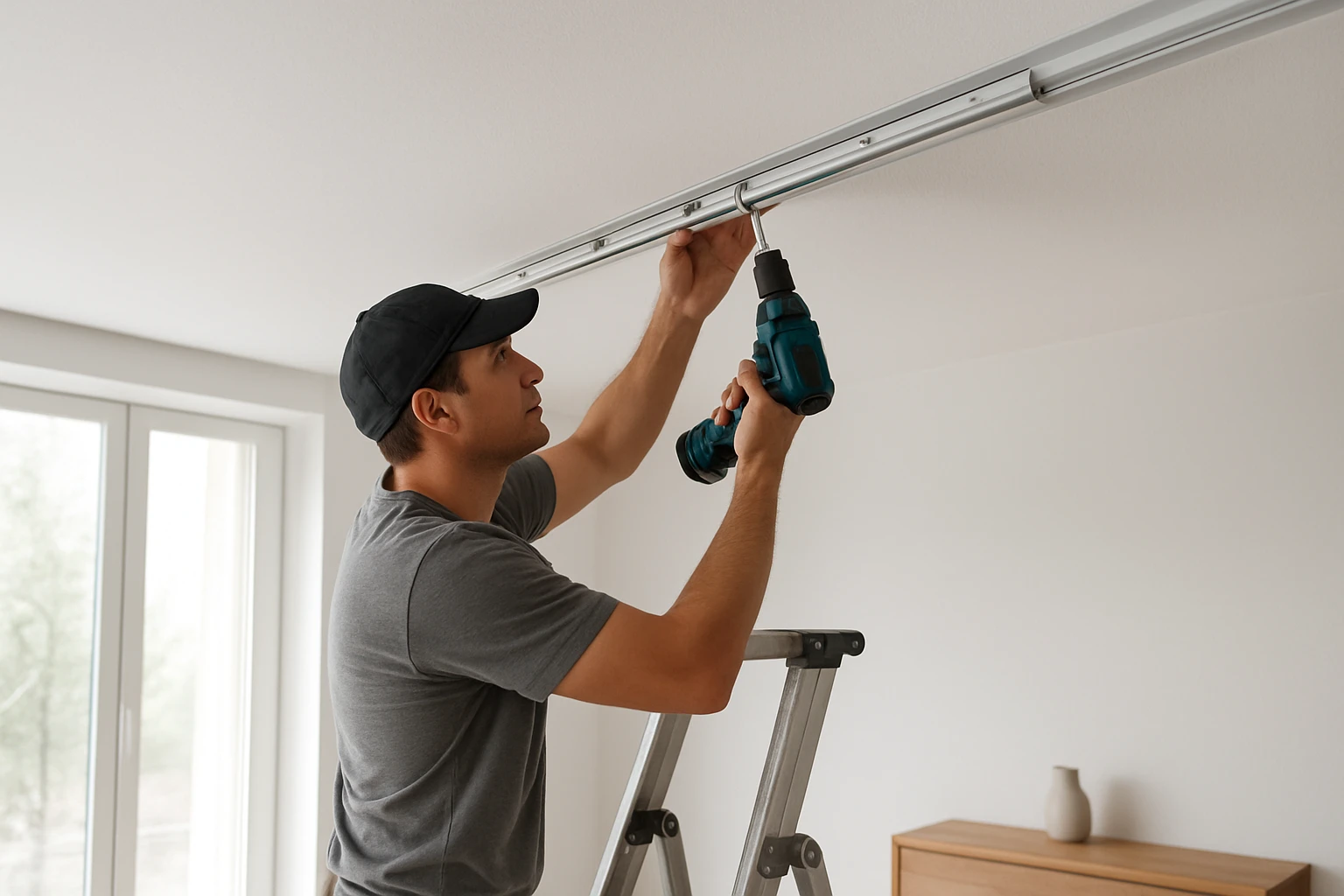
Designers are ordering floor-to-ceiling tracks more often, and recessed pelmets for a clean ceiling line are common in high-end projects. For rentals, many clients choose tension rods or minimal hardware to keep changes reversible.
Sustainable Fabrics, Care, and Maintenance
Sustainable choices are not just a look. They match client requests for materials with lower environmental impact. Designers now ask for fiber origin notes and care instructions as part of the spec.
Washing and Care Tips:
- Vacuum or shake curtains monthly to remove dust.
- Dry clean linen and velvet when recommended by the supplier.
- For thermal-backed curtains, check the lining care separately.
Where to Learn More and Visual Ideas
If you want room-specific ideas, our recent post on 20 Living Room Curtain Ideas Trending in 2026 shows examples tailored to modern Dubai apartments. For an overview of different headings and uses, see 14 Types of Curtains for Every Room. For practical fabric and fitting advice, look at Window Curtains for Home.
Designer Buying Checklist
- Confirm room use and peak sunlight hours and choose fabric accordingly.
- Check motor weight limits before choosing heavy drapes.
- Ask for fabric samples and pin them to your walls at different times of day.
- Specify lining and acoustic backing if insulation or sound reduction is required.
- Confirm warranty and expected lifespan with the fitter.
Final Thought
These seven styles give a clear path for updating windows in 2026. Designers pick them because they solve problems homeowners care about: better comfort, clearer photos for resale or rental, and stronger sustainability stories. In our experience fitting over 120 projects in 2024 to 2025, homeowners who chose layered or acoustic solutions reported fewer follow-up adjustments and higher satisfaction at handover.
Frequently Asked Questions
Which of the Seven Styles Works Best for a Sunny Living Room with Large Windows?
Layered sheers with a blockout drape are usually best. The sheer keeps soft daylight while the blockout gives privacy and reduces glare in the afternoon. Add thermal lining if energy reduction is a priority.
Are Motorized Curtains Worth the Cost for a Typical Apartment?
They are worth it for high or hard-to-reach windows and for owners who value convenience. In many modern projects a motorized track also increases resale appeal. Expect higher initial cost but smoother long runs and timed schedules.
How Do Acoustic Curtains Compare with Adding Rugs or Wall Panels?
Acoustic curtains reduce echo where hard surfaces reflect sound, and they help more with mid-to-high frequencies. Rugs and wall panels also help and are often used together for the best result.
What Fabric Care Should I Plan for Textured Linen Curtains?
Linen often needs gentle care. Many designers recommend professional cleaning or spot cleaning and air drying. Use a local care guide from your supplier to avoid shrinkage and preserve texture.
How Much Extra Width Should I Allow for Fullness When Ordering Curtains?
For sheers allow at least 20 percent fullness; for heavier drapes aim for 50 to 100 percent fullness so fabrics hang naturally and stack back neatly.