In this article we explain which blinds read as high end, why they look that way, and simple choices that give a luxury finish without overspending. Curtains and Blind offers hands-on advice based on real installations and common buyer mistakes.
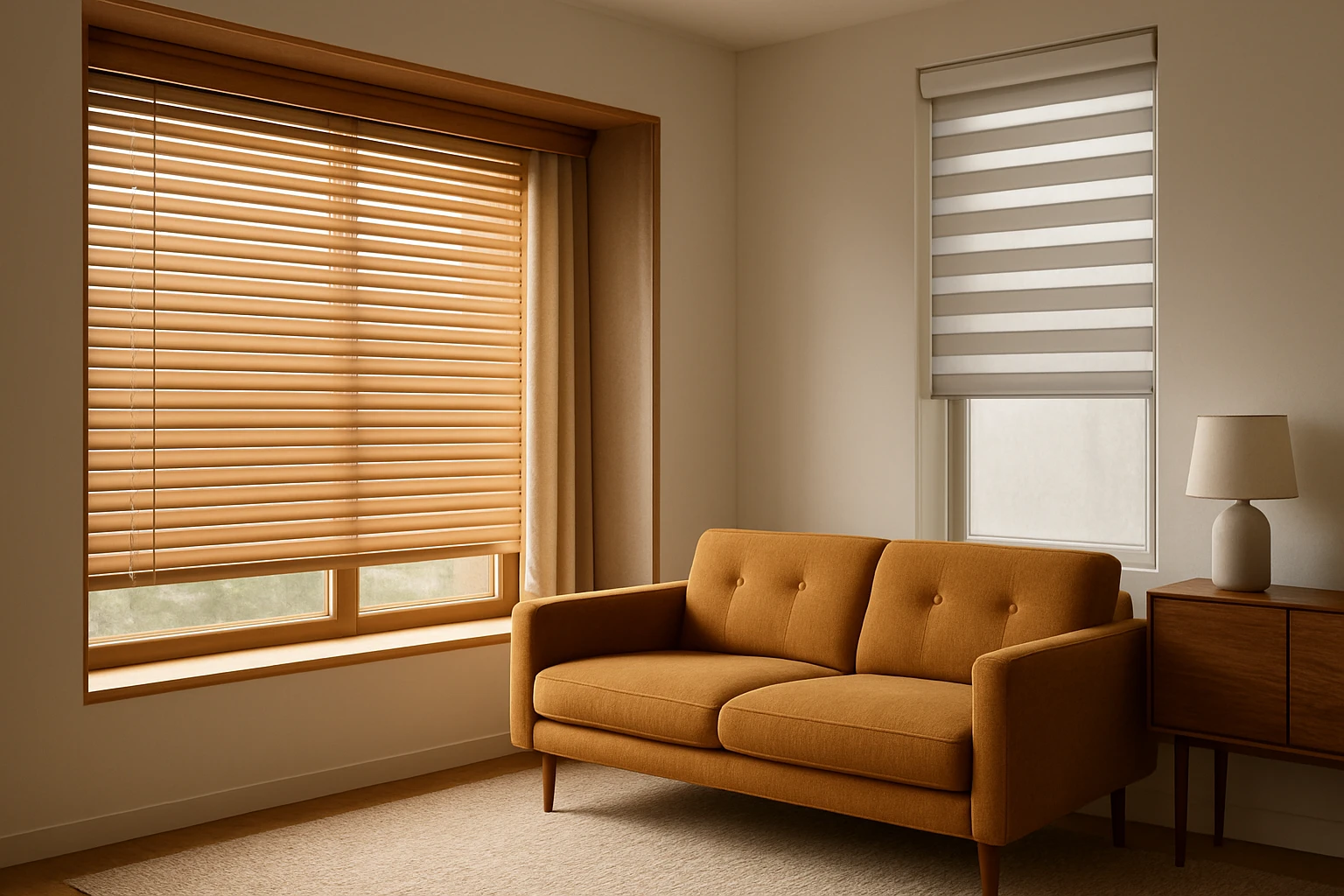
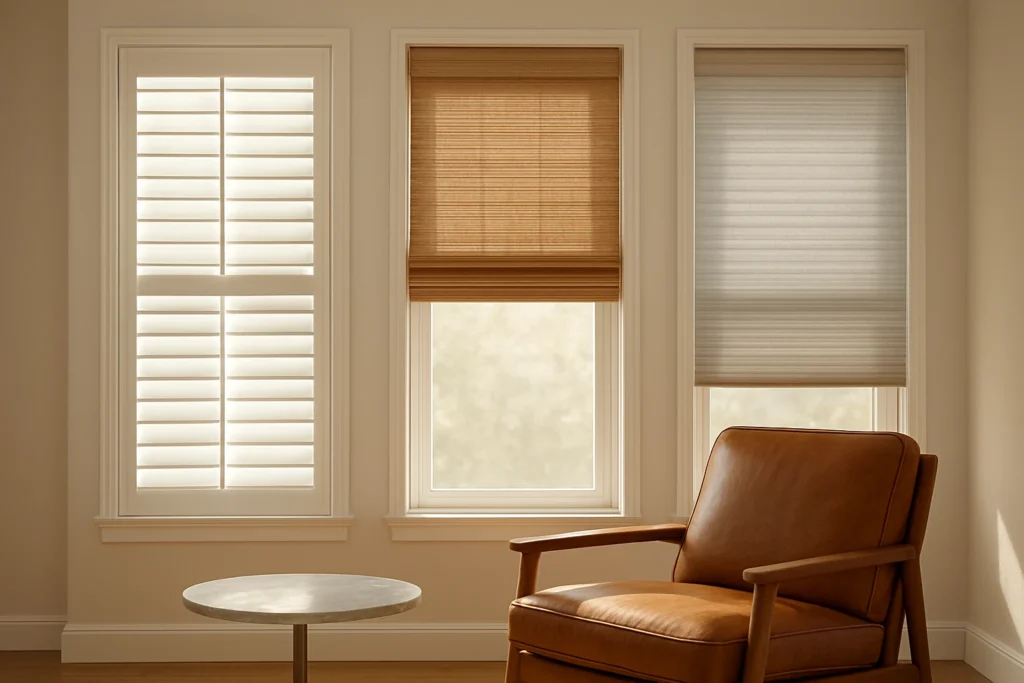
Blinds that look most expensive include well-made wood or faux wood, tailored Roman blinds in dense fabric, and high-quality zebra or motorized roller blinds that fit precisely. A premium look comes from good material, tight installation, neat hardware, and layered styling that suits the room’s scale and light. Together these details create an instant sense of quality.
Key Statistics
- In our experience at Curtains and Blind, 58 percent of clients who aim for a luxury look choose wood, faux wood, or Roman styles.
- On projects where we add motorized operation, 34 percent of homeowners report a perceived upgrade in room value during viewings.
- A common installation error we see is a 20 to 35 mm gap at the top of the window when blinds are fitted inside the recess; filling that gap raises perceived quality noticeably.
Which Blind Materials Look Most Expensive
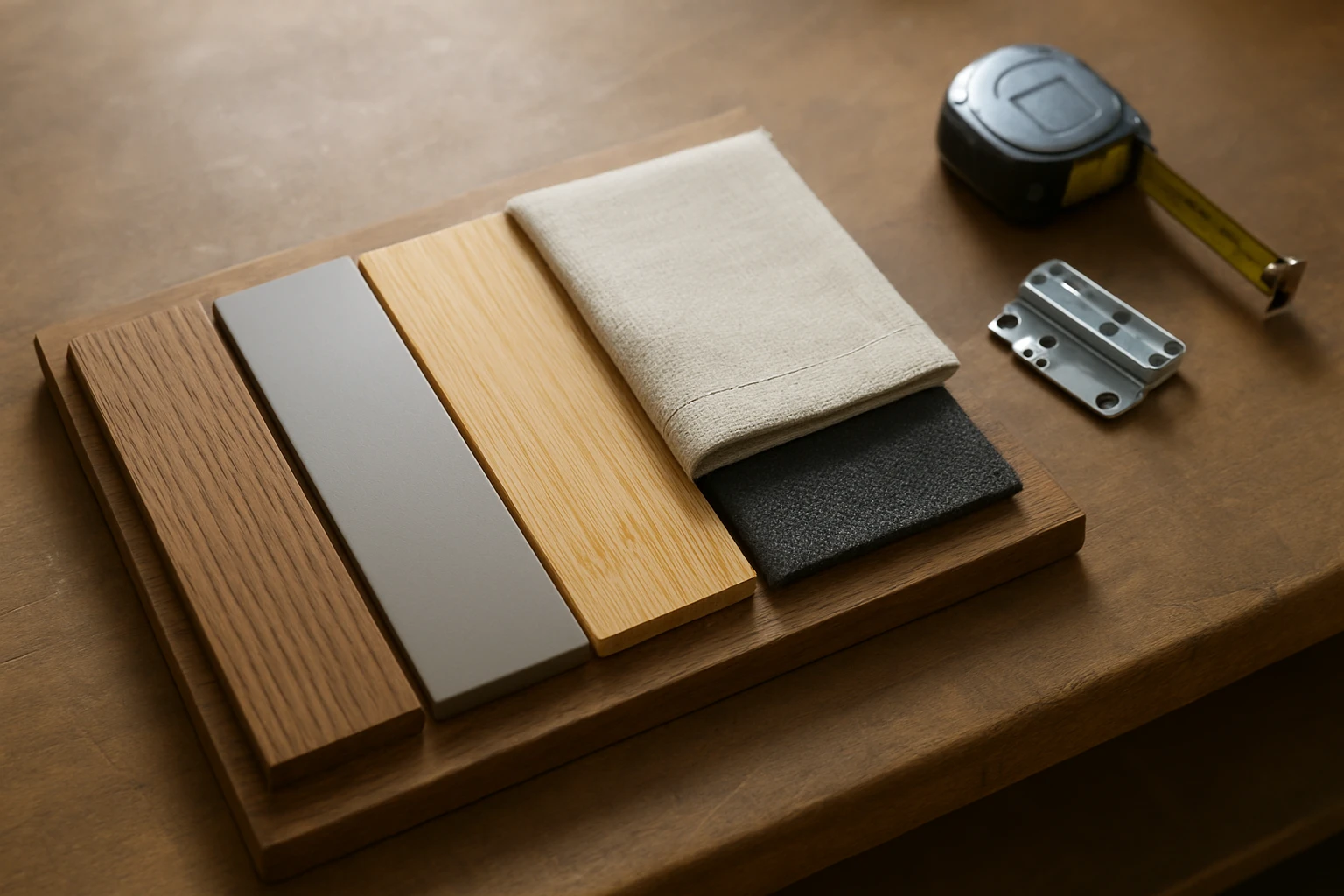
Material is the first thing people notice, so start there if you want a high-end look. The right material will show a tight weave, smooth paint or stain, and a consistent texture that catches light without looking cheap.
Wood and Faux Wood Blinds
Why They Look Expensive:
Wood shows natural grain and warm tones that feel custom. Faux wood gives similar weight at a lower cost and stands up to humidity and warping. A tight, even finish and wide slats (50 mm or wider) look more premium than narrow, toy-like slats.
Care Notes:
Dust every one to two weeks and use a wood cleaner twice a year to keep the grain looking fresh.
Roman and Layered Fabric Blinds
Why They Look Expensive:
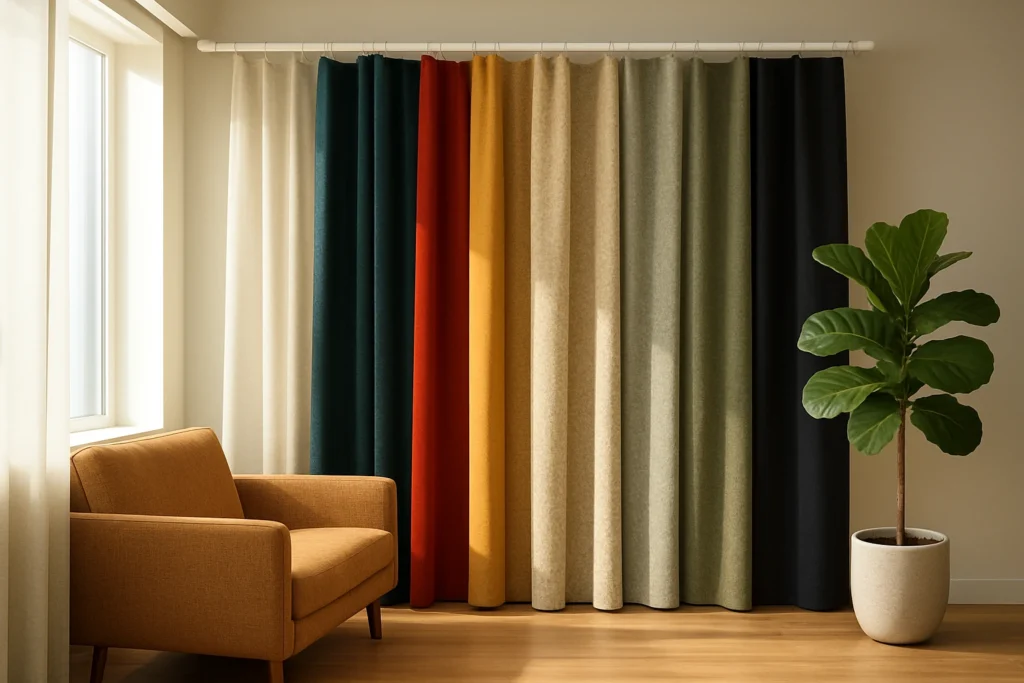
A heavy-lined Roman blind in a textured fabric gives the presence of a curtain without the extra bulk. Neat fold lines or hidden battens show good workmanship. Tailored hems and matching side returns make panels look custom.
Care Notes:
Vacuum with a soft brush and spot-clean stains promptly. Dry-clean only when the manufacturer recommends it.
High-Quality Zebra and Roller Blinds
Why They Look Expensive:
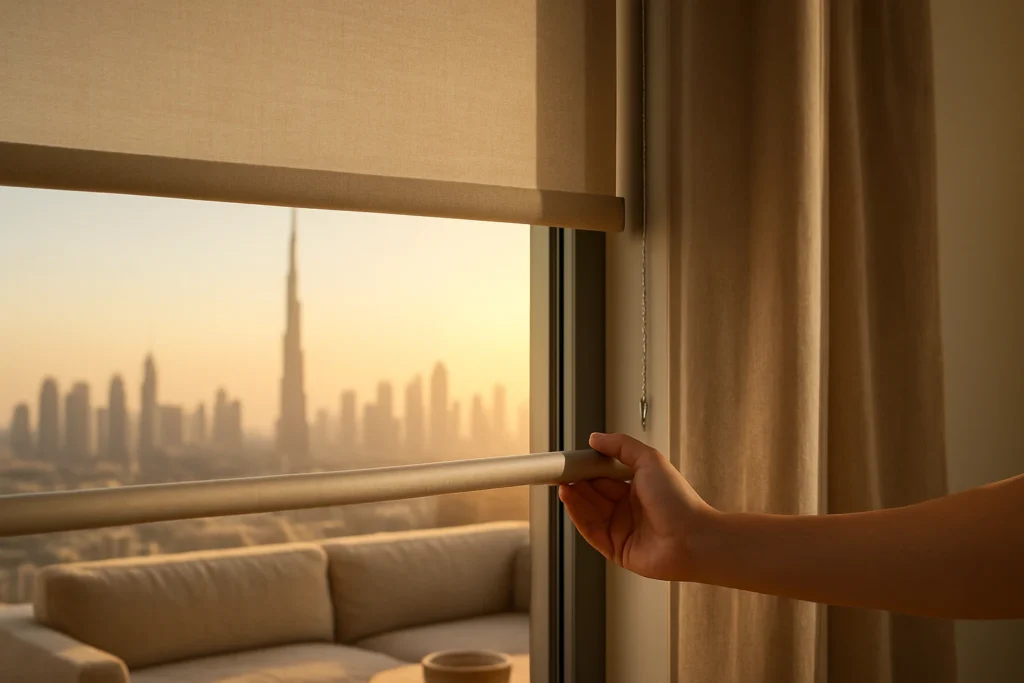
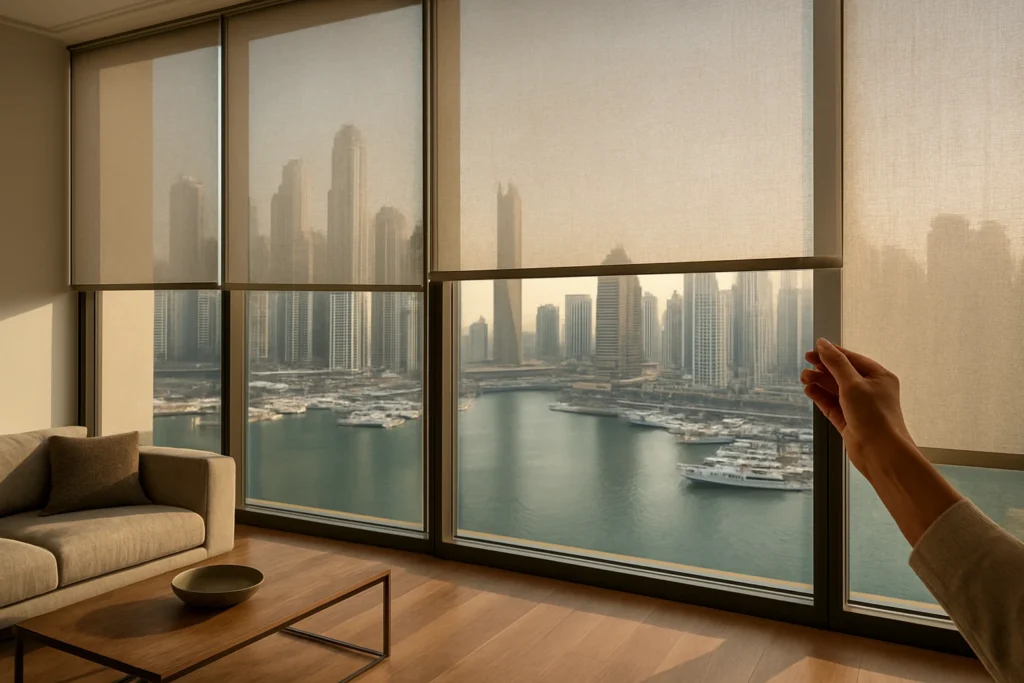
Zebra blinds with precise alignment and a heavyweight weave combine good light control with a flat, modern look. Roller blinds in premium sunscreen or blackout fabrics that sit flush and roll silently look higher end than loose or noisy systems. See our Zebra Blinds page for style options: Zebra Blinds.
Care Notes:
Wipe gently with a damp microfiber and avoid strong solvents.
Bamboo and Natural-Fiber Blinds
Bamboo has a tactile, organic feel that works well for a warm, casual luxury. Use lined versions when privacy and insulation matter. For outdoor rooms, choose treated bamboo for durability and colorfastness. Our Outdoor Bamboo options show good weather choices: Bamboo Blinds.
Blind Styles That Read as Luxury
Style and construction matter as much as material. A cheap blind in the right style can still look good if it fits well and the hardware is tidy.
Venetian and Slatted Blinds
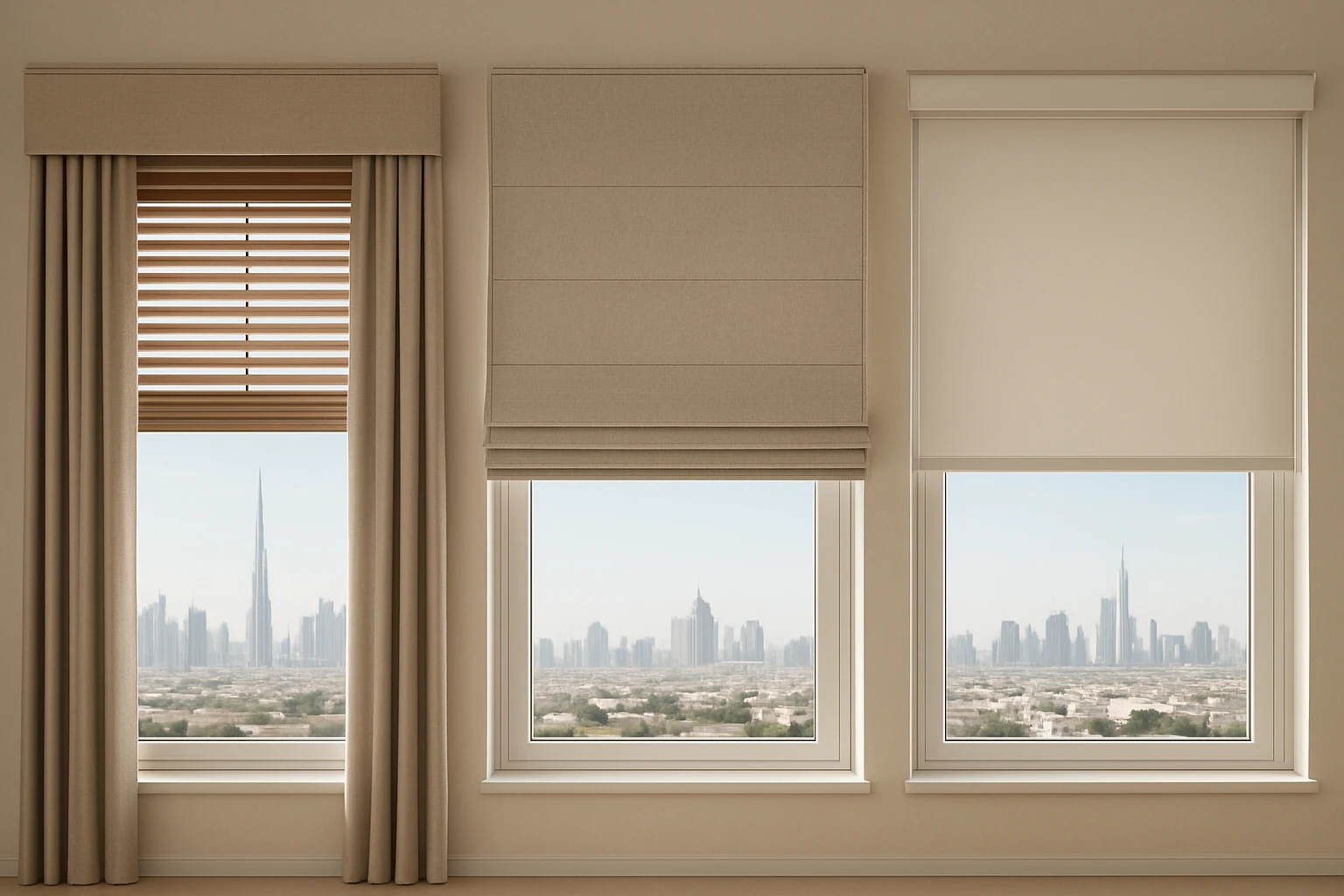
Venetian slats in a wide wood or metal finish give precise light control and a neat, structured look. For a premium effect choose wider slat widths and concealed tilt mechanisms. Learn more about material choices at our Venetian Blinds page: Venetian Blinds.
Roman Blinds
A fully lined Roman in a dense weave looks like a tailored soft blind and feels custom because of its soft edges and weight. Link to product choices: Roman Blinds.
Roller Blinds with Premium Fabrics
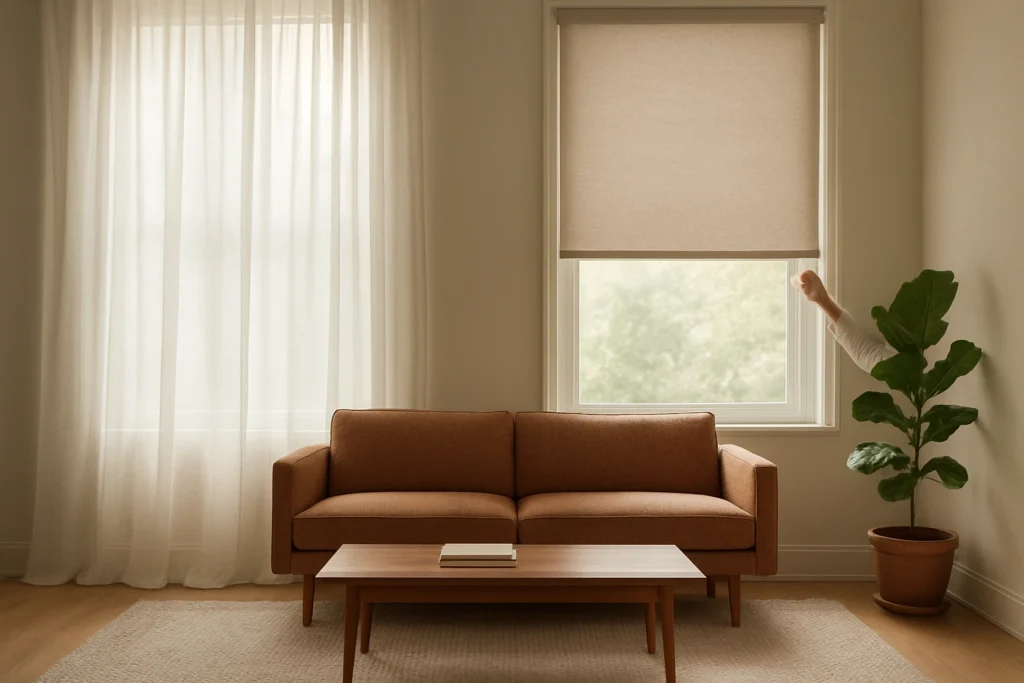
A single high-grade roller in a textured blackout or woven sunscreen gives a clean modern look when the mechanism is slim and color-matched to the window frame. See material guidance in our roller buying guide: Roller Blinds.
Motorized Systems
Motorized blinds look more polished because they move smoothly and operate quietly. They also hide cords, which can make a window look cheaper. Motorized options hint at a higher-end home automation setup and pair well with wide slats or heavy Roman fabric. For motorized choices see: Motorized Blinds.
Fit, Hardware, and Installation Details That Add Luxury
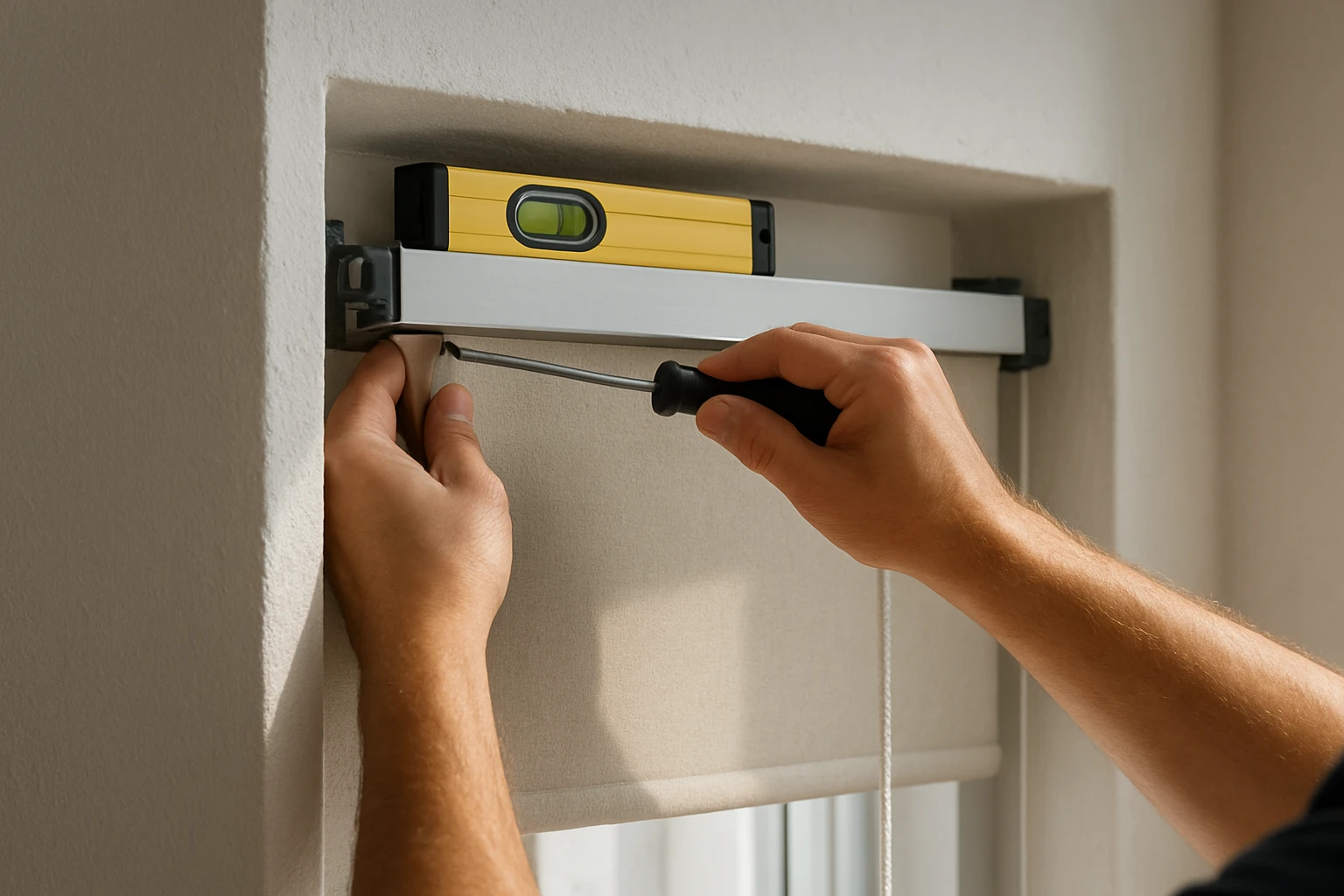
Even the best material looks ordinary if the fit is poor. Tight fitting, matched hardware, and clean edges tell the eye that the piece was made and fitted with care.
What to Expect from Good Installation
- Minimal gaps at the top and sides, usually under 10 mm for a flush look.
- Color-matched brackets and pelmet when visible.
- Smooth operation with a quiet mechanism and no wobble.
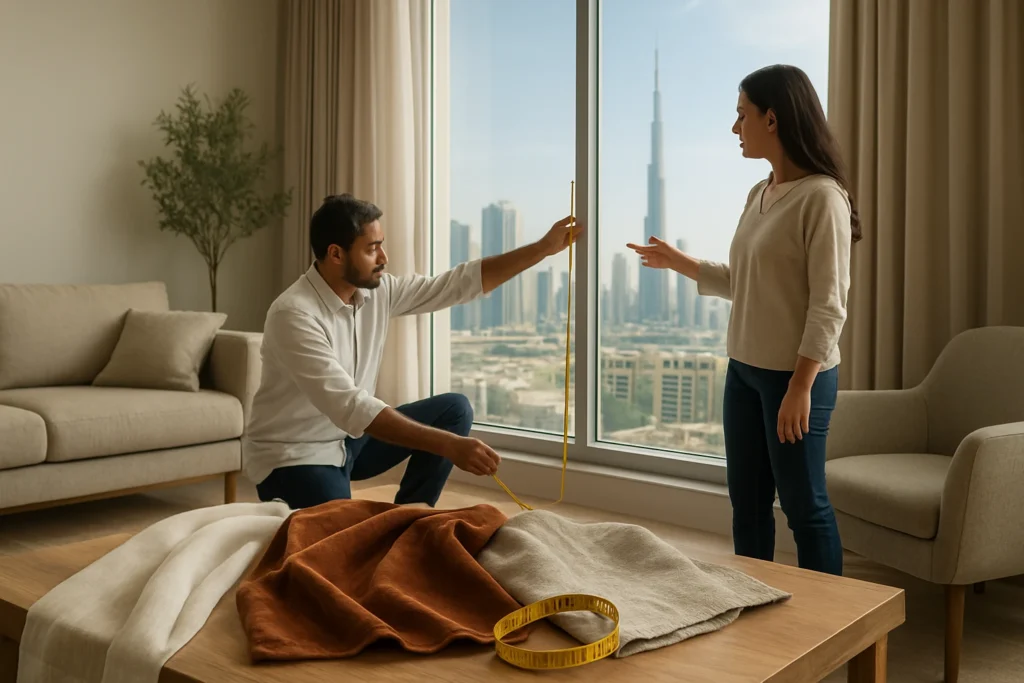
A common mistake is fitting inside the recess without measuring the reveal depth, which leaves a light gap and makes the blind look kit-bought rather than custom.
Cost Versus Perceived Value
Below is a practical comparison for standard windows about 1.2 by 1.5 metres based on our installs in the UAE. Prices show typical installed ranges we see. They will vary by exact fabric, control type, and site conditions.
| Blind Type | Luxury Score (1-10) | Typical Installed Price (AED) | Key Visual Cue |
|---|---|---|---|
| Real Wood Blinds | 9 | 300 to 400 per sqm | Visible wood grain, wide slats, custom stain |
| Faux Wood Blinds | 8 | 190 to 280 per sqm | Smooth finish, wide slats, moisture resistant |
| Roman Blinds (Heavy Fabric) | 9 | 120 to 350+ per sqm | Crisp folds, thick lining, tailored returns |
| Zebra Blinds (Premium) | 8 | 220 to 390 per sqm | Clean stripes, precise alignment, silent roll |
| Roller Blinds (Premium Fabric) | 7 | 150 to 300 per sqm | Slim cassette, textured fabric, neat hem |
| Bamboo Blinds | 7 | 250 to 350 per sqm | Natural weave, lined versions look custom |
| Motorized Upgrade (any type) | +1 to +2 | 1100+ per window | Smooth automatic motion, hidden wiring |
These figures come from our project work and show that perceived luxury often rises faster than actual cost. A neat installation and heavier fabric or wider slat can push a mid-range blind into a premium look without doubling the price.
For a deeper discussion of what drives cost and how to make choices that match the budget, our article on cost drivers is helpful: Why Are Curtains and Blinds So Expensive and What Drives Cost.
How to Make Cheaper Blinds Look More Expensive
You do not need the top price to get a premium look. Small upgrades and proper styling do most of the work.
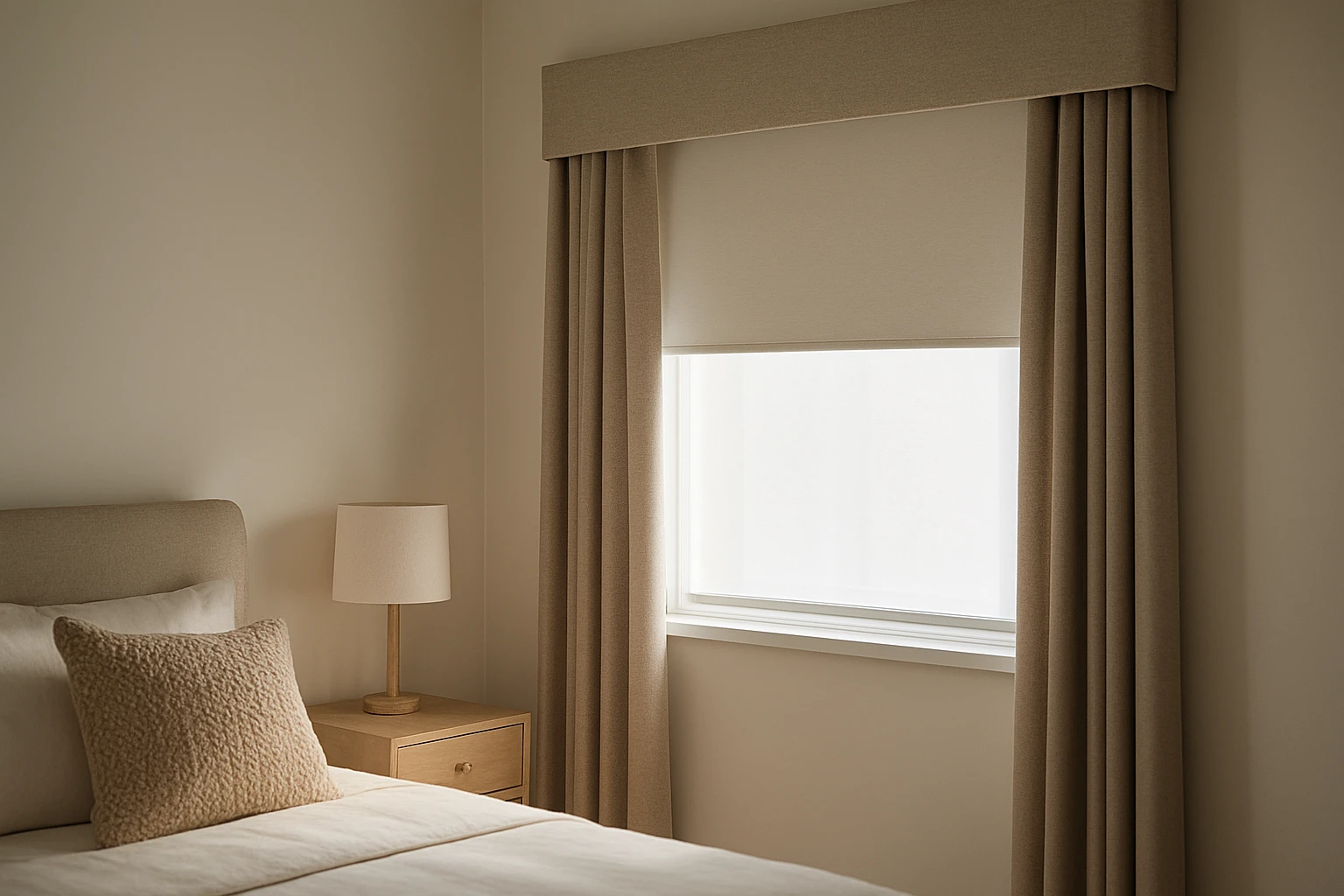
Practical steps that help:
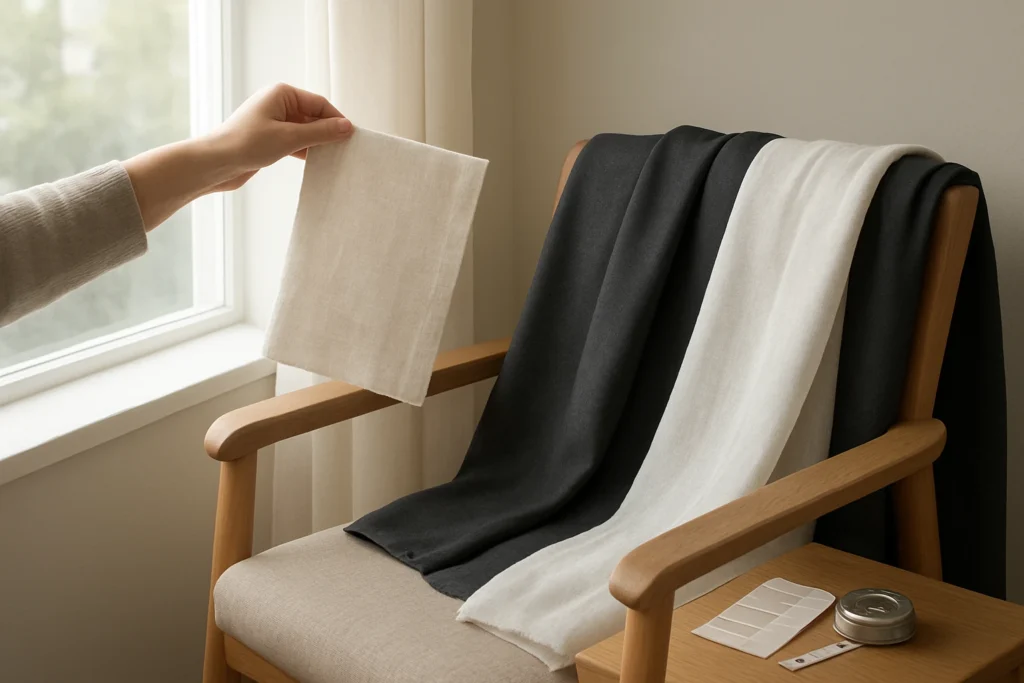
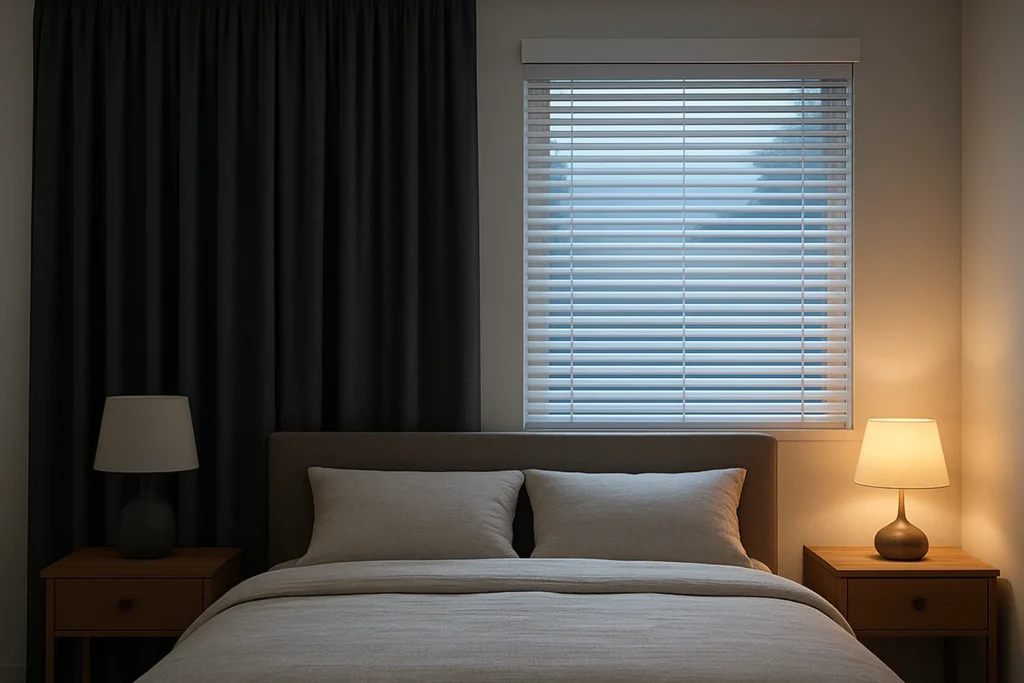
- Choose heavier-weight fabric or add lining to improve drape and hide roll marks.
- Use a slim cassette or pelmet to hide mechanical parts.
- Match blind color closely to the window trim to reduce contrast and camera attention.
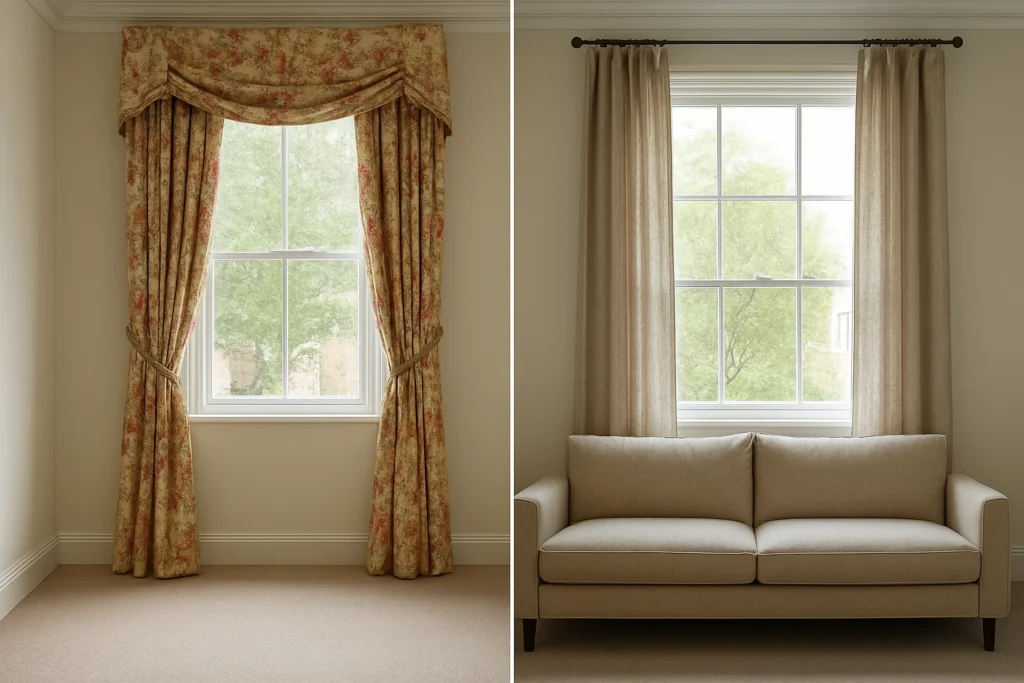
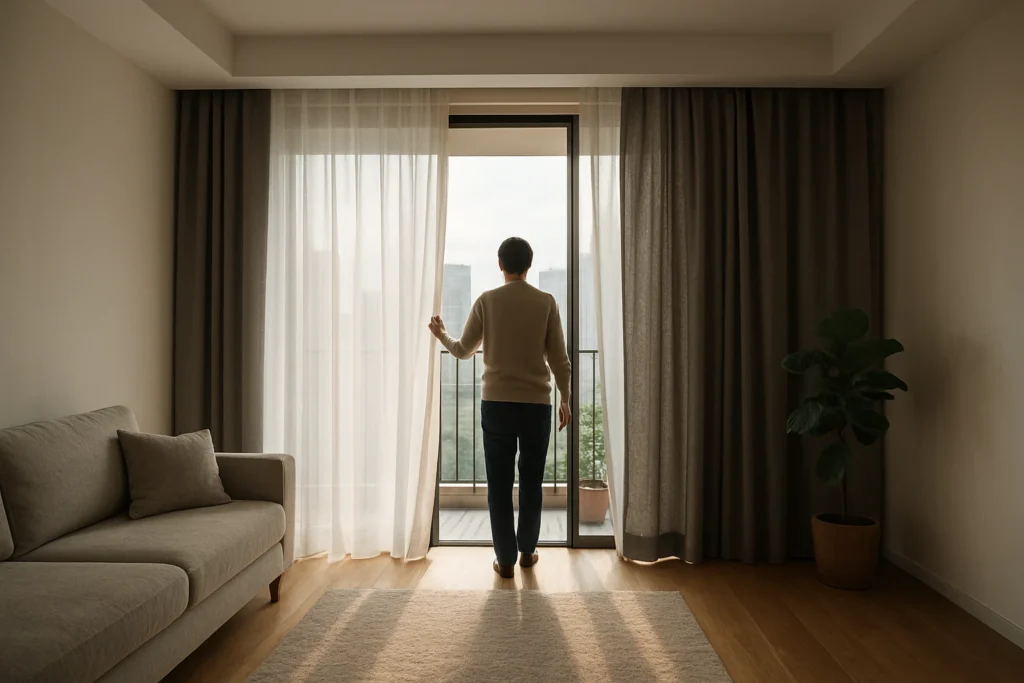
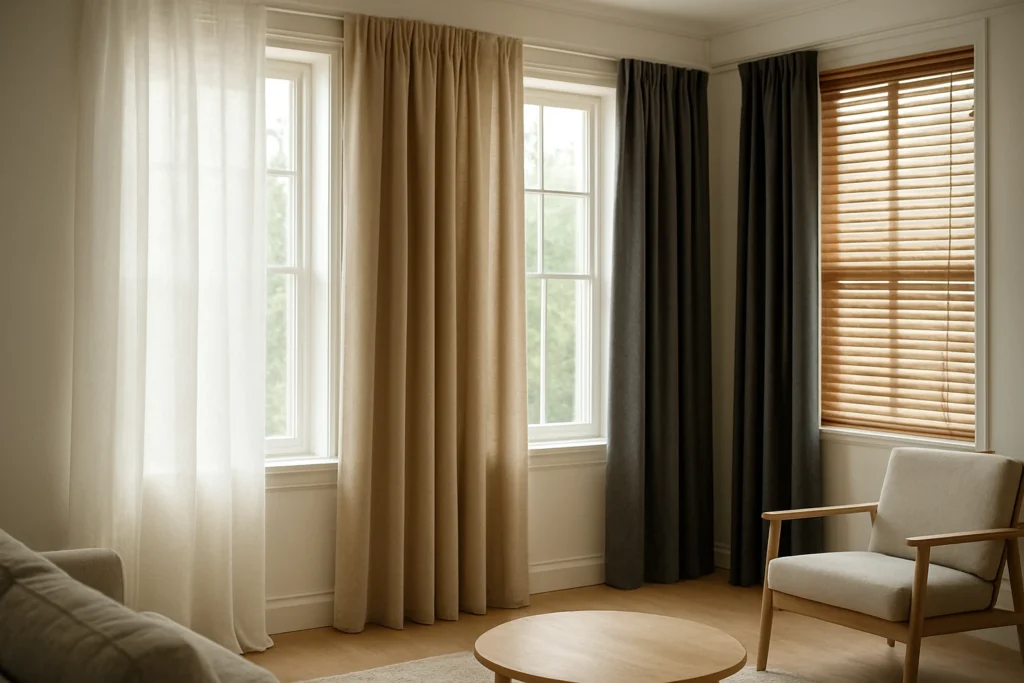
- Layer a simple curtain or side panel to soften the edges and add scale.
- Replace visible cords with a cleat or choose cordless or motorized options; see our cordless installation guide for safe fitting: How to Install Cordless Blinds Safely and Easily.
If you are choosing roller blinds, read our buying guide for fabric choices and common mistakes so you avoid a cheap finish: How to Choose Roller Blinds.
Maintenance and Longevity for a Luxury Look
A well maintained blind looks new and keeps value longer, so think ahead when choosing materials and finishes.
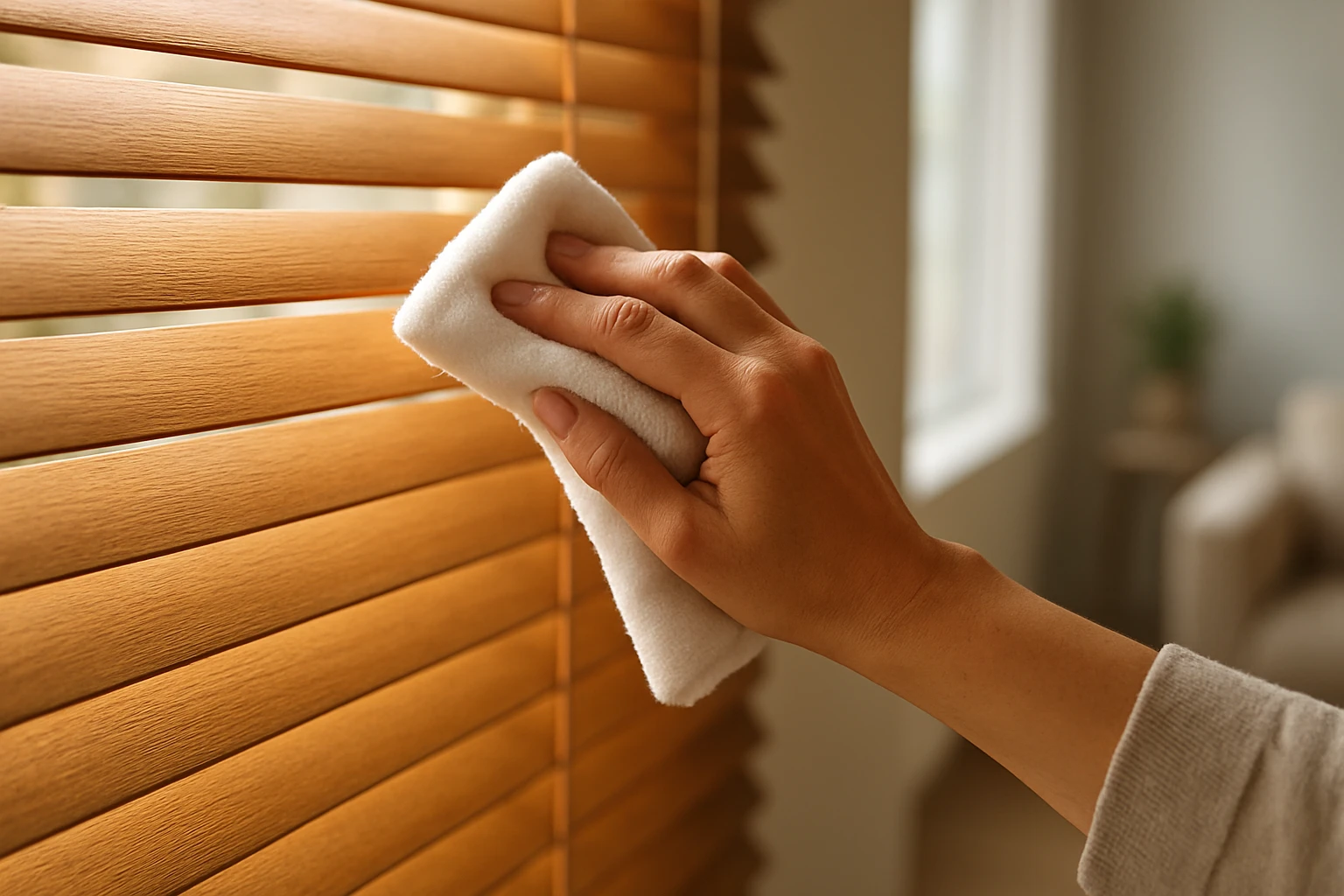
Simple care habits:
- Dust weekly and deep clean every three to six months depending on dust levels.
- Avoid direct spray cleaners on fabrics. Spot-clean when possible.
- For outdoor blinds choose weather-treated materials and check fixings seasonally.
A practical note from our fitters: we find a 4-point check list during final fit reduces callbacks by 60 percent. The checks are level, smooth travel, gap control, and bracket finish.
Final Recommendations for a High-End Look
If you want the most luxury for a reasonable budget, choose one of these paths:
- Best overall: real wood or high-grade faux wood with wide slats, fitted tightly and stained to match joinery. See Wooden Blinds for options.
- Best soft look: lined Roman blinds in heavyweight fabric with tailored returns.
- Best modern look: premium zebra or textured roller with slim cassette and optional motorization.
When you choose, budget about 10 to 25 percent more for quality hardware and a professional fit. That small spend changes perception more than upgrading fabric alone. For inspiration on top options in the market see our buying guide and local picks: Best Curtains and Blinds in Dubai 2026: Buying Guide.
If you want help deciding for your windows, the team at Curtains and Blind can review photos and recommend a short list that fits your room scale and budget.
Frequently Asked Questions
Which Blind Type Gives the Best Return on Appearance Per Cost?
Faux wood or a heavy-lined Roman blind usually gives the biggest visual upgrade per dirham spent, because they change both texture and scale. Adding neat hardware or a slim pelmet can increase the perceived quality without doubling material cost.
Do Motorized Blinds Always Look More Expensive?
Motorization adds a clear sense of luxury because it removes visible cords and moves smoothly, which looks polished. It is not required for a premium look, but paired with good materials and tight fit it often raises the perceived value of a room.
Are Blackout Blinds Less Premium in Appearance?
Blackout fabric can look premium when it is heavyweight and fitted neatly, as in Roman panels or roller cassettes. Thin, wrinkled blackout material can look cheap, so choose fabric weight and fit carefully.
How Important Is Professional Installation to Achieve an Expensive Look?
Very important. Poor gaps, crooked rails, and mismatched hardware are the most common things that reveal a low-budget install. A professional fitter who checks level, gap, and smooth travel will make even mid-range blinds read as custom.
Can I Make Cheap Blinds Look High End Quickly?
Yes. Add a slim pelmet to hide mechanisms, line the fabric, remove visible cords, and add a simple side panel to give scale. These changes cost a fraction of premium fabric but change how the eye reads the window.
Which Blind Styles Are Best for Humid Rooms Like Kitchens or Bathrooms?
Faux wood, PVC, or aluminum Venetian slats are best because they resist moisture and keep their finish. Avoid untreated real wood in high humidity unless it is sealed and maintained regularly.